Termites
Reticulitermes flavipes
Termites can hide in your home for years and cause costly damage. Eastern subterranean termites are the most common wood-destroying bugs in the United States.
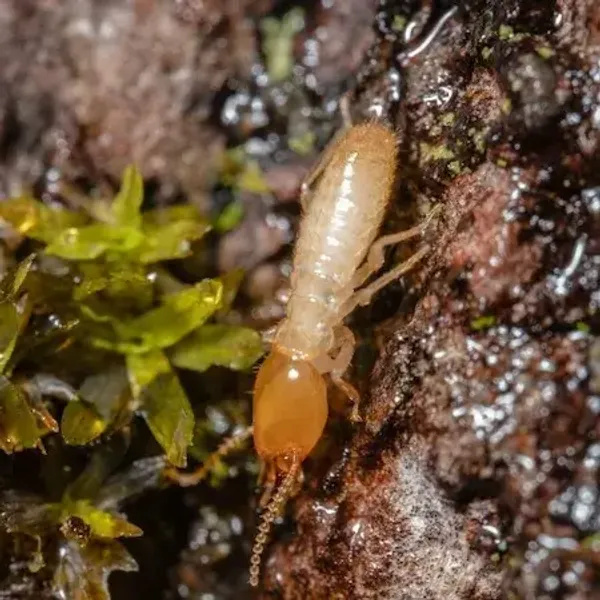
Termites Identification Guide
Physical Characteristics
Termites are small, soft bugs that look like ants but are different. They have straight feelers, thick waists, and wings that are the same length. In Northern Virginia, the eastern subterranean termite is the most common type—it’s behind nearly every infestation our Clifton termite control team treats. These termites are pale white to light brown. Workers are about 1/4 inch long. Soldiers have bigger, darker heads with strong jaws.
Common Species
-
Eastern Subterranean Termite (Reticulitermes flavipes)
-
Formosan Termite (Coptotermes formosanus): less common but very aggressive
-
Drywood Termites (Kalotermitidae): live inside dry wood without soil contact
-
Subterranean Termites (Rhinotermitidae): the most destructive group overall
Termites Behavior and Biology
Termites live in large groups called colonies. Each colony has workers, soldiers, and termites that can reproduce. They eat cellulose, which is found in wood, paper, and plants. Eastern subterranean termites build their nests in the ground. They make mud tubes to reach wood above ground. These tubes keep them safe from threats and help them stay moist. Colonies can grow for years and may have millions of members.
How We Treat for Termites
At Better Termite & Pest Control, we offer several termite treatment options to fit your needs:
Sentricon Baiting System
-
Best for ongoing protection and long-term care.
-
Uses bait stations with Recruit HD to kill entire colonies.
-
Good for the environment and does not disturb your yard.
-
We install stations around your home and check them each year.
Curative Liquid Treatment
-
Best for active problems that need quick action.
-
Creates a barrier around your home to stop termites from getting in.
-
May need trenching and drilling in some areas.
Pre-Construction Treatments
-
Best for new homes before termites become a problem.
-
We treat wood or soil with borate products during building.
-
Comes with a one-year warranty from the time you move in.
Termite Inspections and Warranties
-
Annual checks are included for termite plan customers. Learn more about what to expect during a termite inspection.
-
We catch problems early and retreat if needed.
Signs of Termite Activity
Not sure if you have termites? Look for termite swarmers in spring, mud tubes on foundation walls, and termite damage inside wood. These are the most common indicators of an active infestation.
Types of Termites
Click on any species below to learn more about identification, behavior, and control methods.
Arid-Land Subterranean Termites
Reticulitermes tibialis
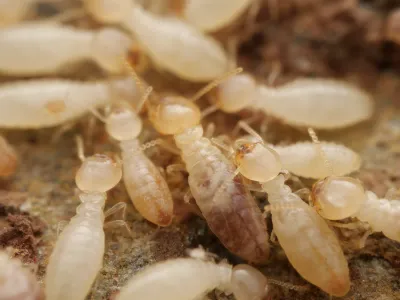
The arid-land subterranean termite is a wood-destroying insect native to western and north-central North America. Found in deserts, prairies, and other dry environments, this species has a broader geographic range than any other Reticulitermes termite in the United States.
View identification guide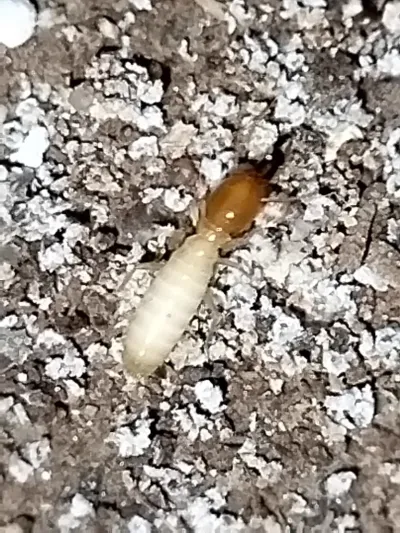
Asian Subterranean Termites
Coptotermes gestroi
The Asian subterranean termite is an invasive species that ranks among the most destructive termites worldwide. Found primarily in tropical regions, it causes severe structural damage and spreads rapidly through human activity.
View identification guide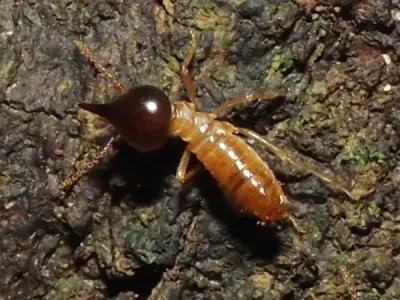
Conehead Termites
Nasutitermes corniger
Conehead termites are an invasive species from the Caribbean known for their dark brown arboreal nests and distinctive cone-shaped soldier heads. Unlike most termites, they forage above ground like ants, making them spread rapidly.
View identification guide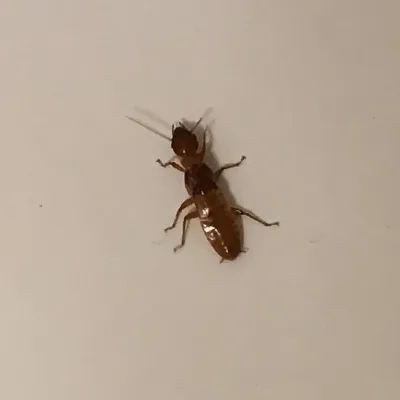
Dampwood Termites
Archotermopsidae
Dampwood termites are the largest termites in North America. They infest moist, decaying wood and do not require contact with soil, making them distinct from subterranean species.
View identification guide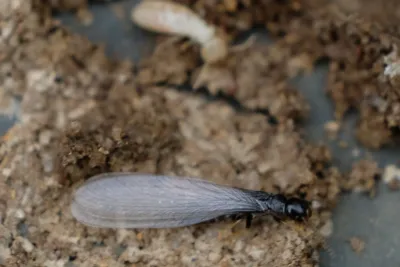
Dark Southern Subterranean Termites
Reticulitermes virginicus
Dark southern subterranean termites are wood-eating insects found in the southeastern United States. They are one of the most common termite species that damage homes.
View identification guide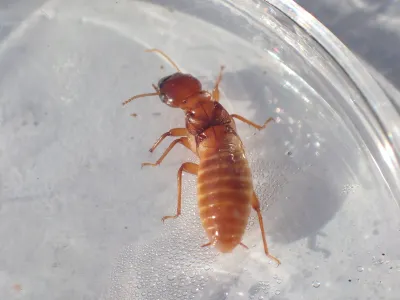
Desert Dampwood Termites
Paraneotermes simplicicornis
Desert dampwood termites are unique termites found in the arid Southwest. They infest moist wood and citrus trees, and are known for their extensive tunneling behavior.
View identification guide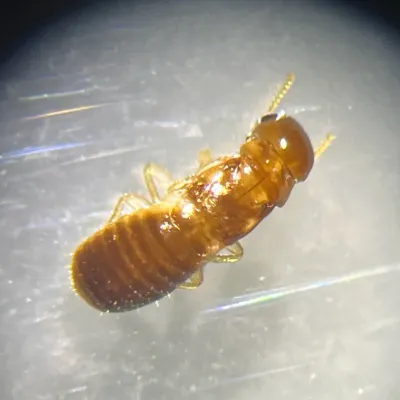
Desert Drywood Termites
Marginitermes hubbardi
Desert drywood termites are specialized wood-eating insects native to the arid Southwest and Mexico. They live entirely within dry wood without needing soil contact, feeding primarily on dead cactus skeletons and structural wood in desert environments.
View identification guide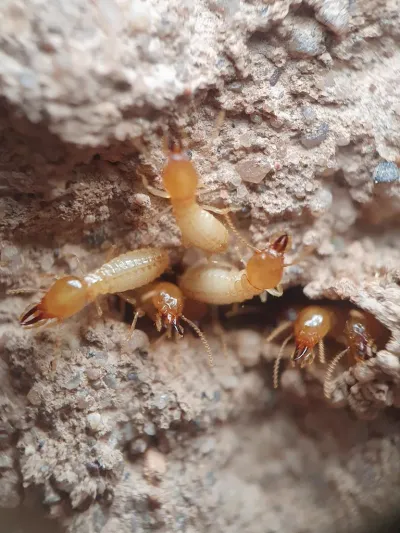
Desert Subterranean Termites
Heterotermes aureus
The desert subterranean termite is a wood-eating insect found in the hot, dry Southwest United States and northern Mexico. These termites can cause serious damage to homes and buildings in desert areas.
View identification guide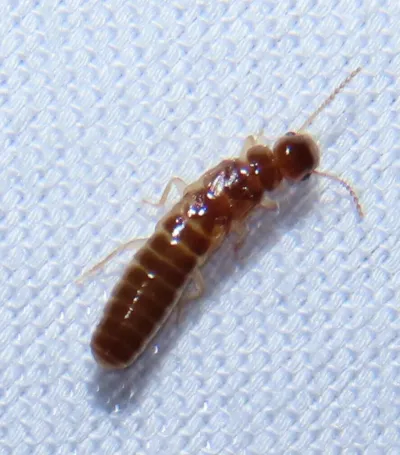
Drywood Termites
Kalotermitidae
Drywood termites live entirely within wood and do not require contact with soil. They infest dry, sound wood in structures and furniture, making them difficult to detect until significant damage occurs.
View identification guide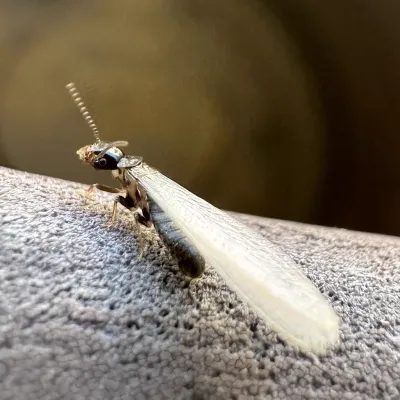
Eastern Subterranean Termites
Reticulitermes flavipes
Eastern subterranean termites are the most common and economically important wood-destroying insects in North America, causing billions of dollars in structural damage annually.
View identification guide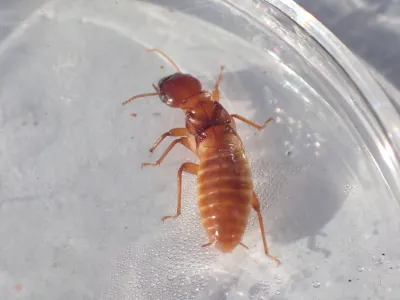
Florida Dampwood Termites
Neotermes castaneus
Florida dampwood termites are large termites found in southern Florida that infest moist, decaying wood. Unlike subterranean termites, they do not require soil contact and rarely damage homes.
View identification guide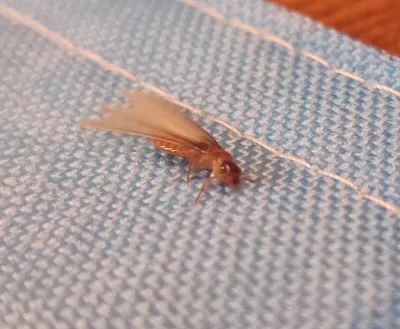
Formosan Termites
Coptotermes formosanus
Formosan termites are an invasive species known as 'super termites' due to their aggressive behavior and large colonies. They can cause severe structural damage much faster than native termite species.
View identification guide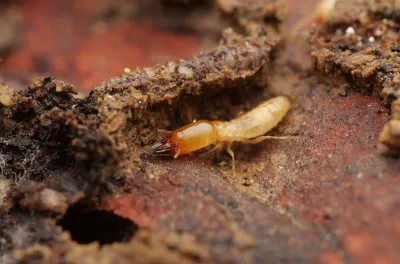
Light Southern Subterranean Termites
Reticulitermes hageni
The light southern subterranean termite is a native wood-destroying insect found across the southeastern United States. Named for the distinctive yellowish-brown color of its swarmers, this species causes structural damage to homes throughout its range.
View identification guide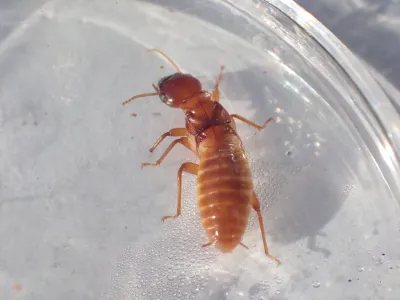
Nevada Dampwood Termites
Zootermopsis nevadensis
Nevada dampwood termites are large wood-destroying insects that infest moist, decaying wood in western North America. Unlike subterranean termites, they live entirely within the wood they consume and do not require soil contact.
View identification guide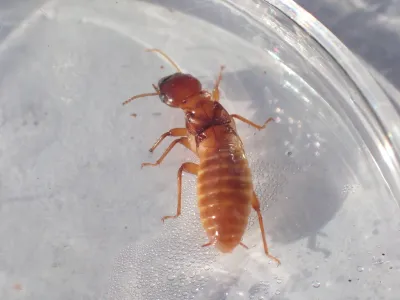
Pacific Dampwood Termites
Zootermopsis angusticollis
Pacific dampwood termites are among the largest termites in North America. They live in moist, decaying wood along the Pacific Coast and can cause damage to homes with moisture problems.
View identification guide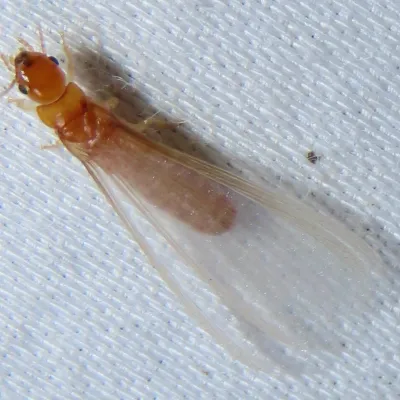
Southeastern Drywood Termites
Incisitermes snyderi
Southeastern drywood termites are wood-destroying insects that live entirely within dry wood. They do not need soil contact and infest structural timbers, furniture, and hardwood throughout the southeastern United States.
View identification guide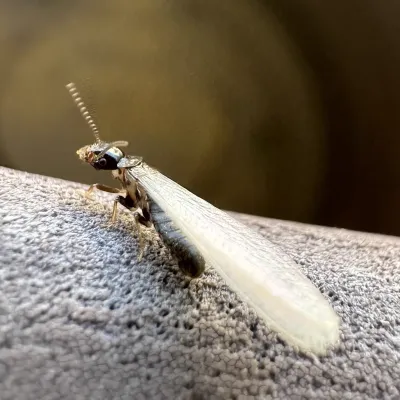
Subterranean Termites
Reticulitermes flavipes
Subterranean termites are the most destructive wood-destroying insects in North America, causing billions of dollars in damage annually. They live underground and build mud tubes to reach wood above soil level.
View identification guide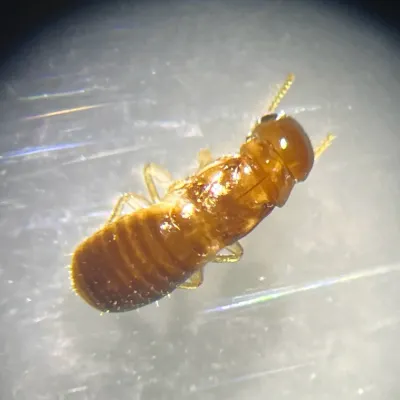
West Indian Drywood Termites
Cryptotermes brevis
West Indian drywood termites are among the most destructive and widespread drywood termite species in the world. They infest dry wood in structures and furniture, causing over $100 million in damage annually in the United States alone.
View identification guide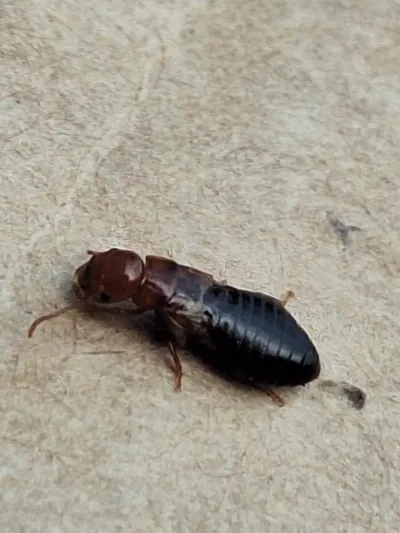
Western Drywood Termites
Incisitermes minor
The western drywood termite is the most common structure-infesting drywood termite in the southwestern United States. These termites live entirely within dry wood and create colonies that can cause significant structural damage over many years.
View identification guide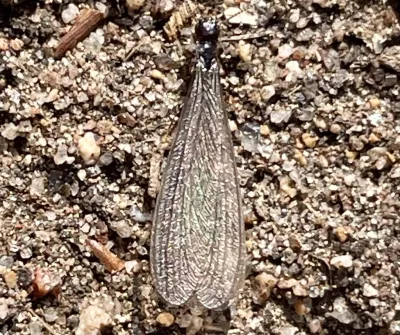
Western Subterranean Termites
Reticulitermes hesperus
The western subterranean termite is a native wood-destroying insect found along the Pacific Coast from British Columbia to Southern California. These termites cause significant structural damage to homes and buildings in western North America.
View identification guideCommon Questions about Termites
What are the signs of a termite infestation?
+
Mud tubes along the foundation, hollow-sounding wood when tapped, discarded wings near windows or doors (swarmers), visible damage to wood, including sagging floors
How much damage can termites cause?
+
Termites cause over $5 billion in structural damage annually in the U.S. The average untreated infestation leads to $3,300 in home damage before detection.
Why should I get termite protection if I don't see termites?
+
Termites can live undetected for years, causing significant damage before signs appear. A monitoring system like Sentricon ensures early detection and proactive elimination.
What makes Sentricon better than liquid treatments?
+
Sentricon is non-invasive, continuously active, and eliminates the colony rather than just repelling termites. It's also less disruptive to your property since no trenching or drilling is required.
Can I cancel my termite plan anytime?
+
Yes. With Better Termite & Pest Control, there are no binding contracts. If you choose to cancel, we remove the Sentricon stations, as they can only be maintained by licensed professionals.
How often should I have my home inspected for termites?
+
Annual inspections are recommended to detect early signs of activity. If you are in a high-risk area like Northern Virginia, proactive monitoring is essential.
Do termites only infest old homes?
+
No, termites will infest any structure with wood, regardless of age. Even new homes are susceptible if proper preventative measures aren't in place.
How do I schedule a termite inspection?
+
Call us at 703-683-2000 or email info@bettertermite.com to book your inspection today.
More Resources About Termites
Explore our guides and articles for more information about termites.
- ›Termite Droppings (Pellets): What Termite Frass Looks Like
- ›Termite Swarmers: What They Are, When They Appear, and What To Do
- ›Termite Damage Pictures: What It Looks Like and How to Spot It
- ›Complete Guide: How Long Does Termite Treatment Last?
- ›Termites in Maryland: Types, Swarm Season, and Risk by Region
- ›What Do Termites Sound Like? Hear the Warning Signs
- ›Termite Mud Tubes: The Complete Homeowner's Guide
- ›What Do Termites Look Like: Spot Signs Before Damage Hits
- ›What Do Termites Eat: Homeowner's Guide to Termite Diets
- ›How Much Does It Cost to Get Rid of Termites | Treatment Options
- ›Why Do Flying Termites Suddenly Appear? Signs & Treatment
- ›How to Kill Termites: Expert Methods to Get Rid of Termites
- ›Termite Queen: The Hidden Force Behind Every Colony
- ›Termite Inspection for Home Purchase: What Buyers Need to Know
- ›Termites in Mulch: What Attracts Them and What to Do
- ›Termites vs Ants: Spot the Difference & Protect Your Home
- ›Termite Tunnels 101: What These Mud Tubes Mean for Your Home
- ›Warning Signs of Termites in Yard: What to Look For
- ›Do Termites Bite Humans? What You Need To Know
- ›How to Get Rid of Termites: Pro Methods & Home Remedies
- ›Why You Should Always Get An Annual Termite Inspection
- ›Termite Prevention & Control
- ›What Are Flying Termites?
- ›Termite Damage Repair: A Complete Guide for Homeowners
- ›Bugs That Look Like Flying Termites: When To Worry
- ›Subterranean Termites vs Drywood Termites in Northern VA
- ›Termites in Firewood: What Every Homeowner Should Know
- ›Winged Ant vs Termite: How to Spot the Key Differences
- ›Carpenter Ants vs Termites: Complete Comparison Guide
- ›Termites vs Flying Ants: How to Tell the Difference
- ›How Termites Spread Throughout A Neighborhood
- ›Sentricon® FAQs: How Does the Sentricon System Work?
- ›Termite Damage vs Wood Rot: What Homeowners Should Know
- ›Winged Ants vs Termites: How to Tell Them Apart Fast
- ›Termite Inspection in Maryland: Rules, the MD-1 Form, and What to Expect
- ›Flying Ants vs Termites: Complete ID Guide with Photos
- ›Flying Termites in House: Why You Need a Pro Inspection Now
- ›What Is a Termite Bond? Understanding Protection Options
- ›Can You See Termites? How to Identify an Infestation
- ›Why Are There Millipedes in My House? Causes, Prevention, and Solutions
- ›Can German Cockroaches Fly? Why They Have Wings but Don't Use Them
- ›Dead Cockroach in Your House: What It Really Means
- ›German Cockroach Eggs: What They Look Like & How to Get Rid of Them
- ›What Do Millipedes Eat? A Licensed Technician Explains Their Diet
- ›What Attracts Cockroaches to Your Home (And How to Stop Them)
- ›Asian Cockroach vs German Cockroach: How to Tell the Difference
- ›How to Get Rid of Brown Banded Cockroaches: Complete Guide
- ›Bugs That Jump: How to Identify & Prevent Infestations
- ›Carpenter Ant Eggs: What They Look Like & Where to Find Them
- ›Carpenter Ant Frass: Tell-Tale Signs of an Infestation
- ›The Complete Guide to Carpenter Ant Swarmers in Your Home
- ›Why Carpenter Ants in Bathroom Appear & How to Get Rid of Them
- ›Drain Flies vs Gnats: Key Differences & Control Methods
- ›Fire Ant vs Carpenter Ant: Identification & Treatment Guide
- ›Fungus Gnats vs Drain Flies: Your Complete ID Guide
- ›Fungus Gnats vs Fruit Flies and Drain Flies: Know the Difference
- ›Greenhouse Camel Cricket: Asian Invaders in DMV Basements
- ›Honeybee vs Bumblebee: How to Tell Them Apart
- ›Is Pest Control Worth It? DIY vs Professional Service
- ›Spiders in Basement: Why They're There & How to Remove Them
- ›Wasps in Maryland: Types, Nests & How to Handle Them
- ›Wood Boring Beetles: Detection, Damage & Treatment Options
- ›Are The Tiny Red Spiders Dangerous? How To Spot And Treat Them
- ›Carpenter Bee vs Bumblebee: Identify Which Is in Your Yard
- ›German Roach vs American Roach: Key Differences Explained
- ›Signs of Carpenter Ant Damage: Spot a Carpenter Ant Infestation
- ›Signs of Carpenter Ants: Detect Them Before Damage Occurs
- ›Carpenter Ant vs Black Ant: Which Is Damaging Your Home?
- ›Ladybugs vs Asian Beetles: ID Guide & Control Methods
- ›Carpenter Bee Holes: What They Look Like & How to Fix Them
- ›Clover Mites in House: Complete Removal and Prevention Guide
- ›Why You Might See an Albino Roach: Causes and Solutions
- ›How to Get Rid of Carpenter Bees: Pro Methods That Work
- ›How To Kill Earwigs and Get Rid of Them for Good
- ›Why Are Stink Bugs Called Stink Bugs? Mystery Solved!
- ›Tiny Brown Bugs in Bathroom: Identification & Removal Tips
- ›Wasp Nest Removal: Why Professionals Prevent Return Visits
- ›Are Arachnids Insects? The Key Differences Explained
- ›Best Mice Repellent: What Really Works to Keep Them Away
- ›Millipedes in Your House: Why They're There and How to Get Rid of Them
- ›What Do Cockroaches Smell Like? How to Identify an Infestation by Odor
- ›Why Do I Have Roaches? 7 Reasons Cockroaches Invade Homes
Explore Other Pest Categories
Browse our comprehensive pest library for identification guides and control information.



With five years of hands-on experience in the pest control industry, George Schulz is a registered technician with the Virginia Pest Management Association and a proud third-generation professional in a family business that's been protecting homes for over 58 years.
Find Local Termite Control Services
We provide professional termites control throughout Virginia, Maryland, and the DC Metro area.
Local Termites Help
Dealing with termites at home? Our licensed technicians provide termite control across Northern Virginia and Maryland.
 Our serviceTermite ControlInspections & treatments
See Termite ControlPlans from $35/mo
Our serviceTermite ControlInspections & treatments
See Termite ControlPlans from $35/moTermite Control near you
- Alexandria Termite Control
- Annandale Termite Control
- Arlington Termite Control
- Ashburn Termite Control
- Bethesda Termite Control
- Burke Termite Control
- Centreville Termite Control
- Chantilly Termite Control
- Crofton Termite Control
- Ellicott City Termite Control
- Fairfax Termite Control
- Fairfax Station Termite Control
- Falls Church Termite Control
- Frederick Termite Control
- Fredericksburg Termite Control
- Gainesville Termite Control
- Gaithersburg Termite Control
- Germantown Termite Control
- Great Falls Termite Control
- Herndon Termite Control
- Hyattsville Termite Control
- Kensington Termite Control
- Laurel Termite Control
- Leesburg Termite Control
- Lorton Termite Control
- Manassas Termite Control
- McLean Termite Control
- Oakton Termite Control
- Reston Termite Control
- Silver Spring Termite Control
- South Riding Termite Control
- Springfield Termite Control
- Stafford Termite Control
- Sterling Termite Control
- Takoma Park Termite Control
- Vienna Termite Control
- Waldorf Termite Control
- Warrenton Termite Control
- Winchester Termite Control
- Woodbridge Termite Control
- All service areas →