
Is pest control worth it? For most homeowners, yes. It pays off when pests keep coming back, when they live somewhere you can’t see (walls, attics, crawl spaces), or when the pest can damage the house itself, like termites or carpenter ants. It’s usually not worth it for a few ants by the back door in April that go away when you wipe the counter and caulk a gap.
I’m a licensed tech and the third generation of my family at Better Termite. Below I’ll lay out the pros and cons, what it actually costs here, where DIY works, and where it doesn’t.
Pros and Cons of Professional Pest Control
Here’s the short version before the details.
| Pros | Cons |
|---|---|
| Catches hidden problems (termites, rodents in walls) early | Monthly cost, even in quiet months |
| Products and tools you can’t buy at the hardware store | You have to schedule visits |
| Free callbacks between visits on most plans | No service removes every single bug |
| A trained eye to name the pest and find the cause | Quality varies a lot between companies |
| Your weekends back | Some treatments are limited by label law |
The last con matters more than people think. Daren, one of our registered technicians, hears the same complaint from homeowners who left other companies: a different tech every visit, poor communication, and someone who’s “in and out in 10 or 15 minutes in the summer.” A company like that can make pest control feel like a waste of money even when the product is fine.
The Real Cost of Pest Control vs Property Damage
Don’t just look at the service fee. Look at what pests can cost you. The National Pest Management Association says termites cause an estimated $6.8 billion in U.S. property damage every year, and standard homeowners policies almost always exclude it.
Here’s what our plans cost in Northern Virginia and suburban Maryland:
- General pest plan: starting around $49/month for an average DMV home, plus a $200 setup fee on the first visit. That’s about $588 a year, or $788 in the first year with setup.
- Termite protection (Sentricon): starting around $35/month for an average DMV home. This is an add-on, not part of the general plan.
- Mosquito and tick service: From $75 per service, also an add-on.
We don’t sell one-time sprays. Every service is an ongoing plan, and bigger homes or heavier problems cost more. For a full breakdown, see how much pest control costs and what an exterminator costs.
Now compare that to what we find when a problem goes unchecked. Termite and carpenter ant damage is structural wood repair, which means a contractor, not just us. Rodents chew wiring and ruin insulation. Neither shows up on a bill until it’s already bad.
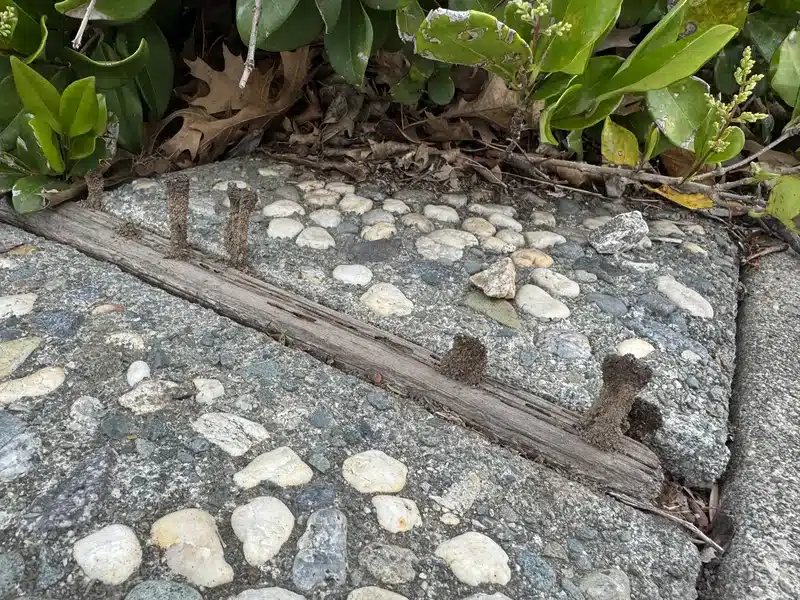
During my training, I went with one of our crews to a house in Alexandria, less than a quarter mile from the company owner’s home. The owners had no idea anything was wrong. The only clue was a small bulge in a window sill where an addition met the old house. The termites had eaten right up to the paint. When we went into the crawl space, we found mud tunnels running up the walls and years of feeding damage that was hard to repair. That house is why I tell people prevention is cheaper than the repair.
Daren saw the same pattern in Kingstowne. Termites had tubed up from under a back deck into a bay window. When he tapped it with a screwdriver, it went right through the paint, and the owners had to replace the whole window. Nobody noticed until a deck contractor, who’d had termites at his own house, recognized the damage.
DIY vs Professional Pest Control
DIY looks cheaper at first, and for small problems it is. The costs add up when the first round doesn’t work.
What DIY really costs:
- Products: sprays, baits, traps, and dusts for each round
- Tools and gear: a sprayer, gloves, a respirator for dusts
- Your time: weekends spent checking traps and re-treating
- Repeat purchases when the first product doesn’t reach the nest
- Wrong ID: treating for ants when it’s termites costs you the most
A plan bundles inspection, treatment, and follow-up. Three visits a year catch problems early, when they’re easier and cheaper to fix.
Pros also use products that aren’t sold to the public. For termites, bait systems like Sentricon work well for most homes. Severe cases sometimes need a liquid treatment with a product like Termidor, which homeowners can’t buy.
A trained tech can also tell nuisance ants from carpenter ants, or flying ants from termite swarmers. Daren had a home where the owners signed up for flying ants. When he got there, the “ants” were termite swarmers, in a house that had just been fully remodeled with new floors. Getting the ID right on day one is a big part of what you pay for.
Here’s a quick comparison of the two approaches.
| DIY | Professional | |
|---|---|---|
| Upfront cost | Low, per product | Monthly plan + setup fee |
| Expertise | Your research | Licensed or registered techs |
| Products | Consumer-grade only | Pro-grade |
| Callbacks | None | Free between visits (on our plans) |
| Time | Your weekends | Scheduled visits |
Virginia sets a bar for the people who treat your home. A registered technician must get at least 40 hours of supervised training and pass a state exam. A pest control business must also carry liability insurance to hold a state license. That’s part of what you’re paying for, and it’s part of why pest control costs more than a can of spray.
Does Pest Control Actually Work?
It works when the service includes an inspection and fixes the cause. It works poorly when a company sprays the same product every visit and never asks why the pests are there.
In a New York City public housing study (Kass et al., 2009), a single visit that combined cleaning, caulking cracks, bait, and teaching residents about food and trash cut kitchen cockroach counts by 75% at three months and 88% at six months. Apartments that got the usual calendar-based baseboard spraying did worse.
Daren has a mouse house that shows the difference. He took it over from another company that had used only snap traps and glue boards, with no bait stations, and the owners saw no results. He switched to bait, then spent months finding entry points, even sealing around the soffit. The mice came back after four quiet months. He finally spotted a twig above his seal: squirrels had chewed a hole in the soffit and the mice were using it. Once that was sealed, the house went quiet. That’s what you’re paying for. A spray alone doesn’t do that.
Is Quarterly or Monthly Pest Control Worth It?
Most homes don’t need monthly service. Our standard plan is three visits a year (spring, summer, and fall), with free callbacks in between. Quarterly plans are common at other companies and work fine for many homes. Monthly service makes sense for an active German roach or rodent problem, not for a typical house with seasonal ants and spiders.
Targets ants and early-season pests that wake up as it warms. Your tech checks for winter damage and new entry points around the foundation.
Targets wasps and other summer pests at their peak. Checks for moisture problems that draw pests in humid weather. Renews the exterior treatment.
Focuses on rodents and overwintering pests trying to move inside before cold weather. Checks for anything that built up over the summer.
Between visits, if you see pests on an active plan, we come back at no extra cost. So you’re covered year-round, not just on treatment days.
When to Call a Pro vs Handle It Yourself
Some pest problems are fine to handle on your own. Others need a licensed tech from the start.
- A few ants near a window or door (clean up, seal the gap)
- A single mouse sighting (snap traps in the right spots)
- Fruit flies from overripe produce (remove the source)
- Occasional spiders in corners (vacuum them up)
- A small outdoor wasp nest away from foot traffic
- Termites or carpenter ants: these cause structural damage that gets worse over time
- Rodents in walls or attics: they chew wiring and spread disease
- Cockroach colonies: especially German roaches, which breed fast and hide deep
- Recurring problems: if DIY has failed more than once, the cause needs a trained eye
Bed bugs also need a professional, but we don’t treat them. Call a bed bug specialist for those.
Daren’s three cheapest DIY steps for any home: pull mulch back from the foundation, keep the yard trimmed, and run a dehumidifier in the basement. Thick mulch against the house draws almost everything, and mice will nest under it.
Health Risks That Make Pro Service Worth It
Pest control protects your family, too. A 2008 Johns Hopkins review of inner-city asthma (Matsui et al.) reports that 30% to 70% of inner-city children with asthma are allergic to cockroaches. Kids with high allergen levels in their bedrooms had worse asthma.
Ticks are the other big one here. The Fairfax County Health Department says Lyme disease is the most commonly reported tick-borne illness in the area, and that cases show up across the whole county. Our tick service is an add-on to a pest plan, and keeping the grass short matters just as much.
Property Value and Real Estate
Pest history can come up when you sell. The VA requires wood-destroying insect inspections in Virginia, Maryland, and DC, and many other lenders ask for one at closing. An active termite plan makes that step easier. See our termite inspection guide for home buyers for how that works.
Termite bonds can often transfer to new owners, which helps at resale. Many buyers also see an active pest plan as a sign of a well-kept home.
So, Is Pest Control Worth the Money?
For most homes in Northern Virginia and Maryland, yes, if you pick a company that inspects, finds the cause, and comes back when pests return. Skip it if you only see a stray bug once a season. Pay for it if pests keep coming back, if you hear things in the walls, or if you’ve never had a termite inspection. The results from pro treatment come faster and last longer, and the callbacks are something DIY can’t match.
At Better Termite & Pest Control, we’ve served the DC metro area for over 58 years with more than 1,800 reviews. Call us at 703-683-2000 or email info@bettertermite.com for a free quote.
Here’s what our team and the pests we protect against look like up close.