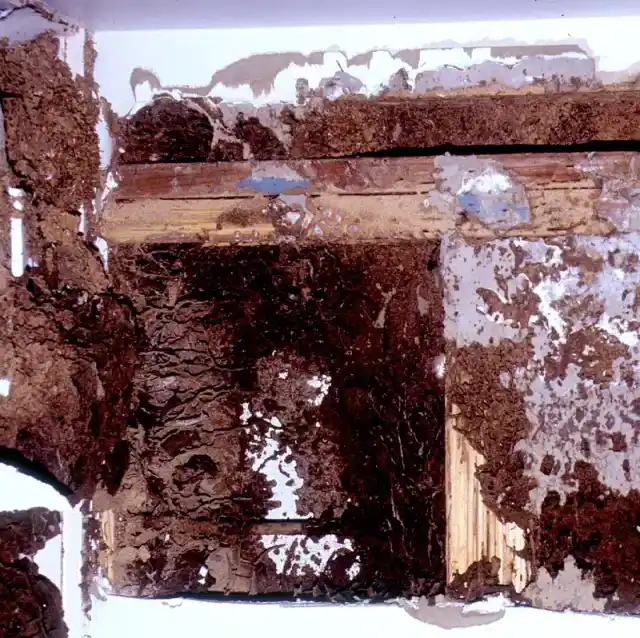

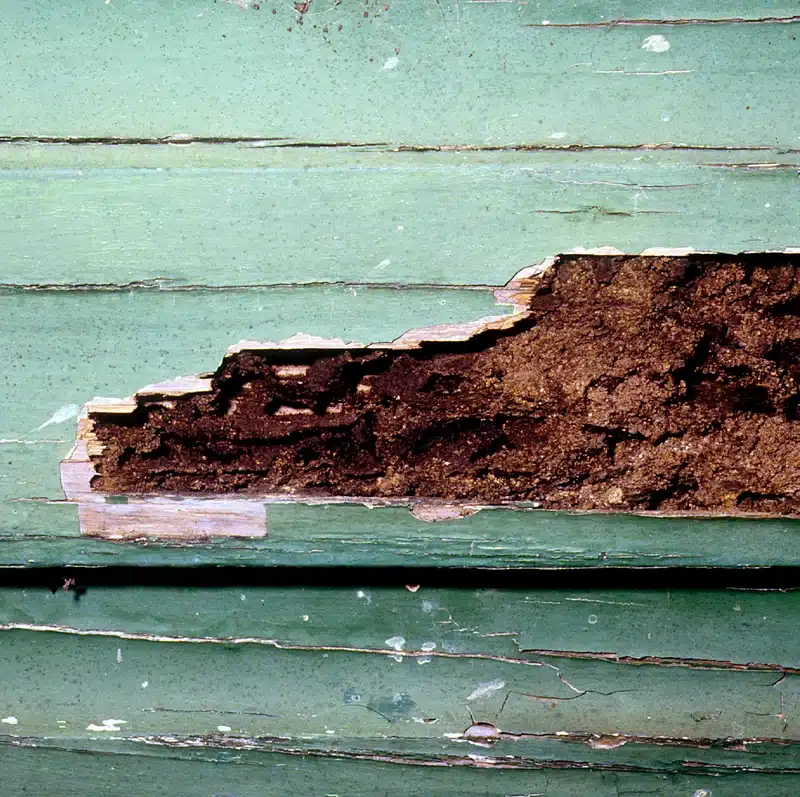
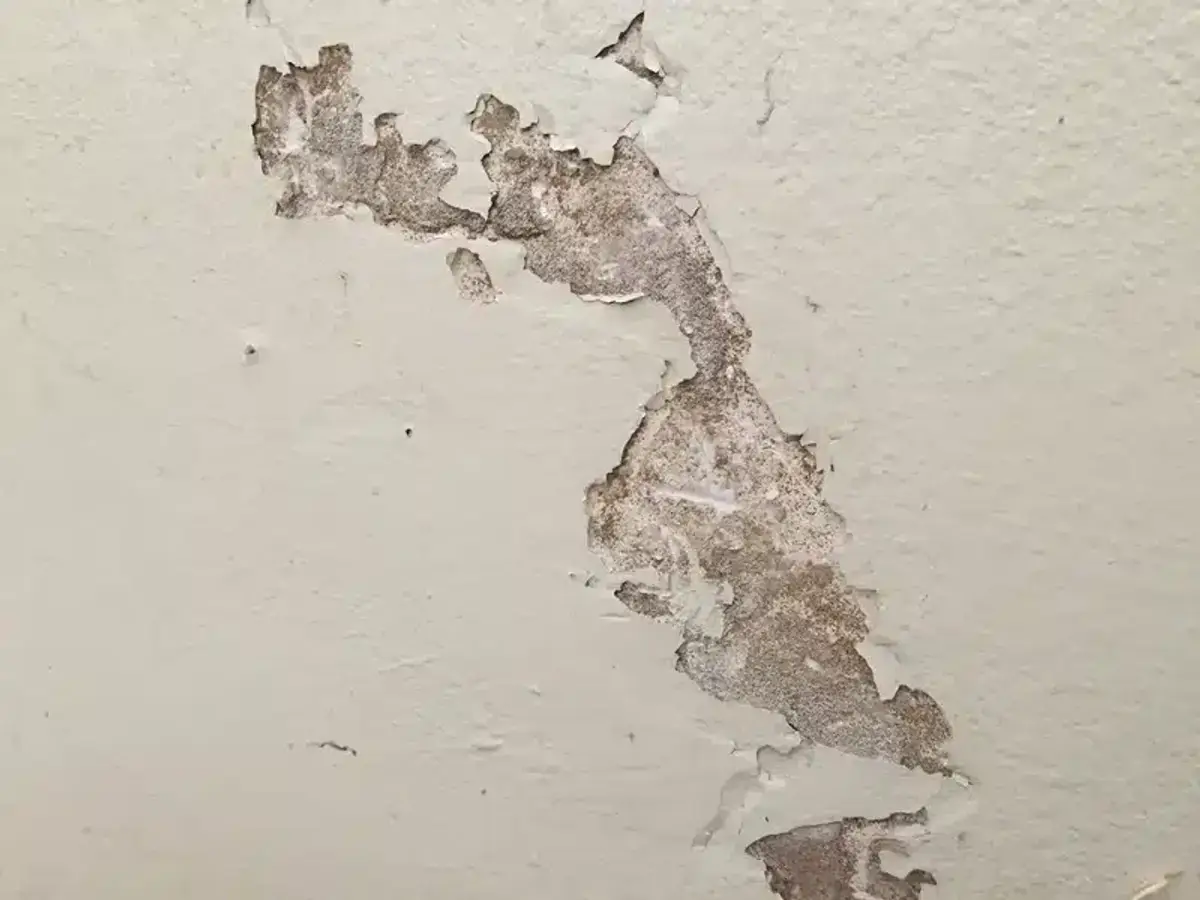
When I was training in the DMV area, I went out to a house in Alexandria with one of our technicians. The homeowner had noticed a small bulge in a window sill. What we found was alarming. Termites had eaten all the way up to the paint layer and were starting to break through.
In the crawl space, we found mud tunnels climbing up the walls and years of hidden damage. This was expensive to fix and could have been caught much earlier. That’s when I learned why a termite bond makes such a big difference for homeowners.
A termite bond is your protection plan against these kinds of surprises. After helping over 100 customers with termite issues, I’ve seen how the right coverage saves thousands and a lot of stress.
What Is a Termite Bond?
A termite bond is a written, renewable service contract between a licensed pest control company and a property owner. It spells out what happens if termites show up after an initial treatment.
Think of it as ongoing protection, not a one-time fix. The bond usually includes yearly inspections, retreatment duties, and sometimes repair coverage. Most bonds need continuous renewal to stay active.
The National Pest Management Association sets standards for these agreements. These help make sure homeowners know exactly what they’re getting.
Bond vs Warranty: Why People Get Confused
Many people use “bond” and “warranty” to mean the same thing. Regulators treat termite bonds as service contracts. Courts sometimes compare them to limited warranties. But neither is insurance.

The confusion comes from how these agreements are marketed. North Carolina’s Department of Agriculture requires every contract to state clearly whether it covers just retreatment or also structural repairs.
A termite bond promises specific services under set conditions. It’s not a blanket promise that you’ll never see termites. As Maryland’s Department of Agriculture puts it, “no one can promise you will never have a termite problem again.”
Types of Termite Bonds
There are two main types in the DMV area. Knowing the difference helps you pick the right level of protection.
Retreat-only bonds are the most common. If live termites or fresh activity are found, the company re-treats the affected areas. But they don’t pay for repairs.
Retreat-and-repair bonds cover more. The company pays for both retreatment and structural repairs, usually up to a dollar cap. These cost more but give greater peace of mind, especially for older homes.
Some states require bold-type disclosures on the first page stating whether the contract is “retreat only” or “retreat + repair.”
Retreat-only bonds cover chemical retreatment if termites return, but you pay for all repairs. Retreat-and-repair bonds cover both retreatment and structural repairs up to a set dollar limit.
Renewal and Continuous Coverage
Most termite bonds run for one-year terms with yearly renewals. Alabama’s regulations require at least a 12-month initial term with renewal fees stated upfront.
Keeping your bond active is key. If you let it lapse, you’ll likely need a full new treatment at higher cost before coverage starts again. In Maryland, most providers issue renewable contracts, but any gap means starting over.
Renewals also include mandatory inspections. These check-ups catch problems early, like the hidden damage we found in that Alexandria home.
Inspection Duties and Homeowner Responsibilities
Yearly inspections cover “visible and accessible areas” of your home. As the homeowner, you must provide access, clear out items blocking inspection areas, and fix any conditions the technician flags.
Common duties include keeping clearance around your foundation, moving stored belongings that block access, and addressing moisture issues. Virginia Tech Extension notes that changing your home’s structure after treatment without telling your provider can void coverage.
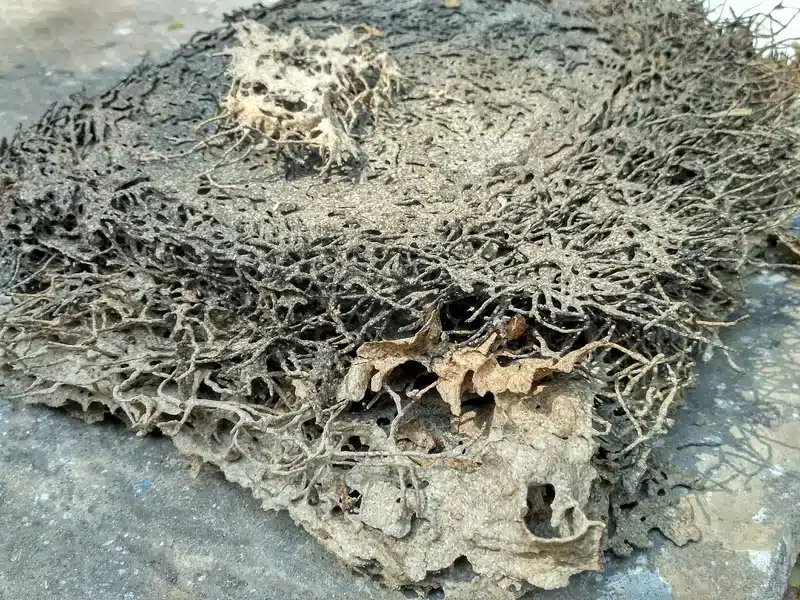
These inspections help catch termite mud tubes and other early warning signs. During routine checks, we look for activity in crawl spaces, basements, and around the foundation.
Getting a yearly termite inspection is one of the most valuable parts of having a bond.
Transferability: A Selling Point for Home Sales
Many termite bonds transfer to new homeowners. As FindLaw notes, “some termite bonds are transferable to a new homeowner… it goes with the house.”
This can be a strong selling point. In Northern Virginia, a transferable bond shows termite protection and may speed up financing and closing. In older McLean neighborhoods buyers tend to ask about it early, and a bond tied to our termite control in McLean goes with the house at closing.


For our Alexandria termite control customers, having a bond often makes real estate deals smoother. Buyers know they won’t need to arrange immediate treatment.
Is a Termite Bond Worth the Cost?
When weighing the cost, think about what an untreated infestation can run you. Termites cause over $5 billion in property damage yearly in the US.
The average cost to fix undetected termite damage ranges from $1,000 to $2,000, plus about $3,300 in home damage before detection. Compare that to yearly bond renewal fees, and the math often favors ongoing protection.
For detailed costs, see our guide on how much it costs to get rid of termites. In the DMV area, we’re in the second-highest region for termite activity. Prevention usually costs less than reaction.
What Affects Pricing
Several things shape termite bond pricing here. Home age and construction type matter most. Crawl space homes cost more than slab homes because they need more inspection and treatment work.
Past infestations also affect pricing. Homes with a documented history may face higher rates or extra requirements. Foam insulation can complicate coverage too, as some firms won’t bond foam-insulated crawl spaces.
Home size and layout play a role as well. Bigger homes with additions take more time to inspect and treat.
What Bonds Don’t Cover
Knowing the exclusions matters as much as knowing the coverage.
- Above-ground infestations with no soil contact
- Damage that happened before your original treatment
- Moisture or fungal decay not caused by termites
- Areas you’ve blocked off from inspection access
- Storm or flood damage that disturbs treated soil
Changes to your home that block inspection access can void coverage. For example, adding a deck or piling mulch against your siding after treatment might create gaps in your protection.
The National Pest Management Association warns homeowners to schedule inspections after major storms, especially flooding that might break down underground chemical barriers.
Learning to spot termite signs early helps you know when to contact your provider. Mud tubes and hollow-sounding wood are often earlier clues than seeing actual termites.
Filing a Claim
When you spot possible termite activity, call your provider right away. Most contracts require prompt notice to keep coverage active. The company will inspect to verify live termites or fresh activity.
If activity is confirmed, retreatment gets scheduled per your contract. For repair bonds, the company also assesses damage and begins fixes within your coverage limits.
Keep in mind that contract disputes aren’t handled by state pesticide offices. Unresolved claims go to the state Attorney General or civil court. Choosing a provider with a solid track record matters.
Lender Requirements in the DMV Area
VA and FHA lenders often require current wood-destroying insect inspections in our area. VA loans specifically require inspections in DC, Maryland, and Virginia because we’re in a “very heavy to moderate” infestation zone.
Virginia requires pest control businesses to maintain proper licensing and insurance, with technician recertification every two years. We see this most often in the Dulles corridor, where a closing date is usually what prompts a homeowner to book a termite inspection in Herndon in the first place.
Knowing how termites spread through neighborhoods explains why these regional requirements exist.
Switching Providers
If you switch termite bond providers, expect the new company to require a full inspection and proof of your original treatment. Most charge new setup fees and may not cover pre-existing hidden damage without extra paperwork.
Treatment Methods That Work with Bonds
Modern termite protection often combines methods. The Sentricon baiting system kills colonies over time, while liquid treatments like Termidor or Premise create chemical barriers around your foundation.
For bad infestations, we sometimes combine Sentricon with targeted liquid treatments when termites aren’t finding bait stations fast enough. Our guide on professional termite treatment methods covers these in detail.
All products we use are EPA approved and vetted by our research team. They’re products we’d feel comfortable using in our own homes.
Understanding what a termite bond is and how it fits your protection plan can save thousands. Whether you pick retreat-only or repair coverage, the key is keeping your bond active and staying on top of inspections. Call us at 703-683-2000 or email info@bettertermite.com for a quote.