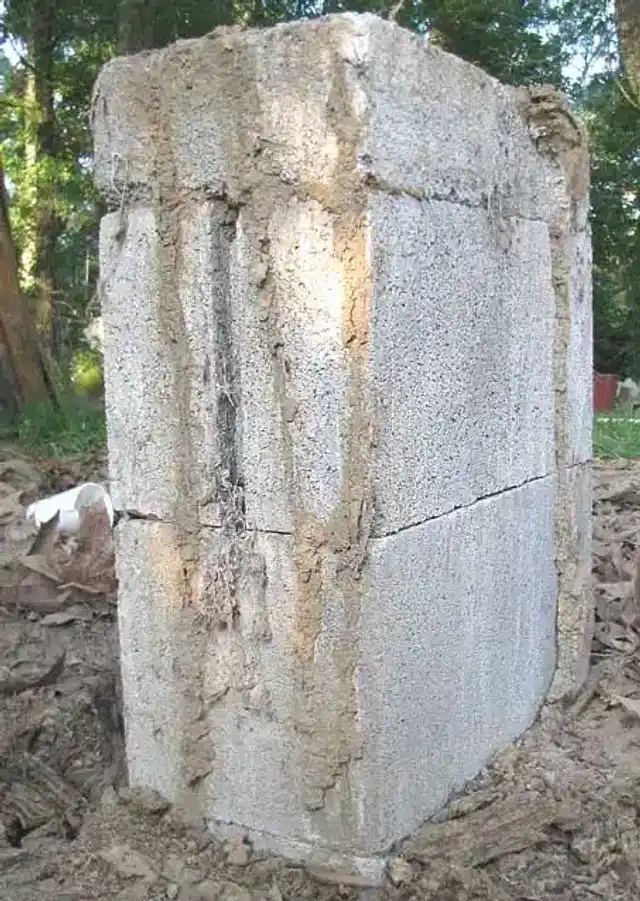

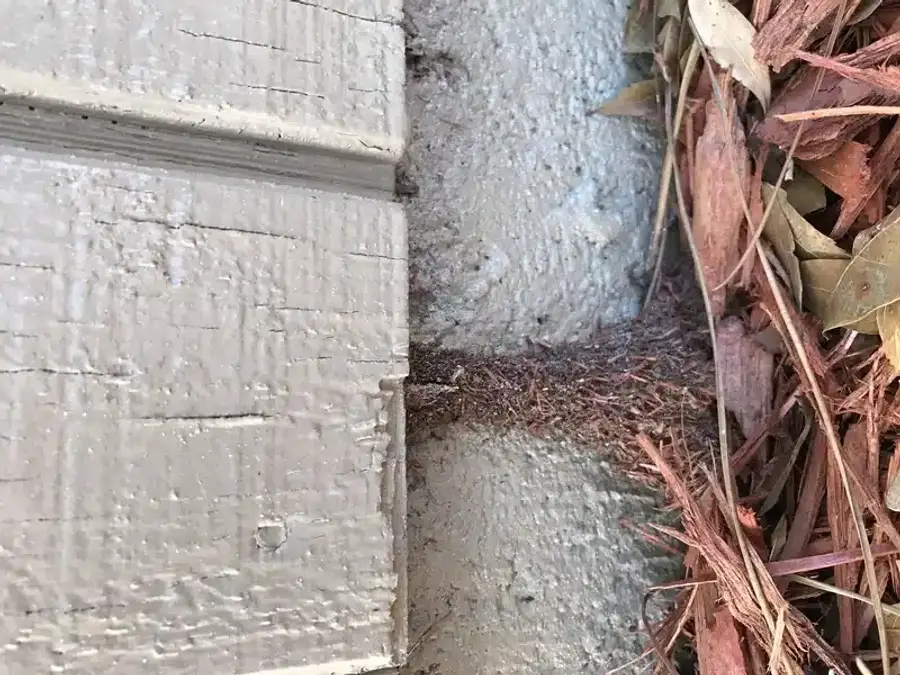
Have you noticed small, brown earthen tunnels on your foundation? These are called termite mud tubes, and they’re one of the clearest signs that subterranean termites may be targeting your home. Knowing what they mean and what to do can save you thousands.
I remember an inspection in Alexandria that showed me how subtle termite activity can be. The homeowners saw a small bulge in their window sill. When we checked, termites had eaten right up to the paint. In the crawl space, mud tubes ran up the walls. Termites had been feeding there for years, and the damage was costly to fix.
What Are Termite Mud Tubes?
Termite mud tubes are narrow tunnels that subterranean termites build between their underground colonies and wood in your home. These tunnels let termites travel from soil to wood without being exposed to air, predators, or light.
The tubes serve three key jobs. They keep humidity high (termites dry out fast in open air). They block predators like ants. And they shield termites from UV light and temperature swings.
The University of Florida’s termite research shows that mud tubes hold nearly 98% humidity inside, compared to typical outdoor levels of 30 to 60%. This moisture control is critical because termites die quickly in dry air.
Learn more about termite tunnels and their structure.
What Mud Tubes Look Like
Most tubes are about pencil-width, 3 to 6 millimeters across. Heavy traffic can widen them to several centimeters. The color matches your local soil and looks darker when wet.
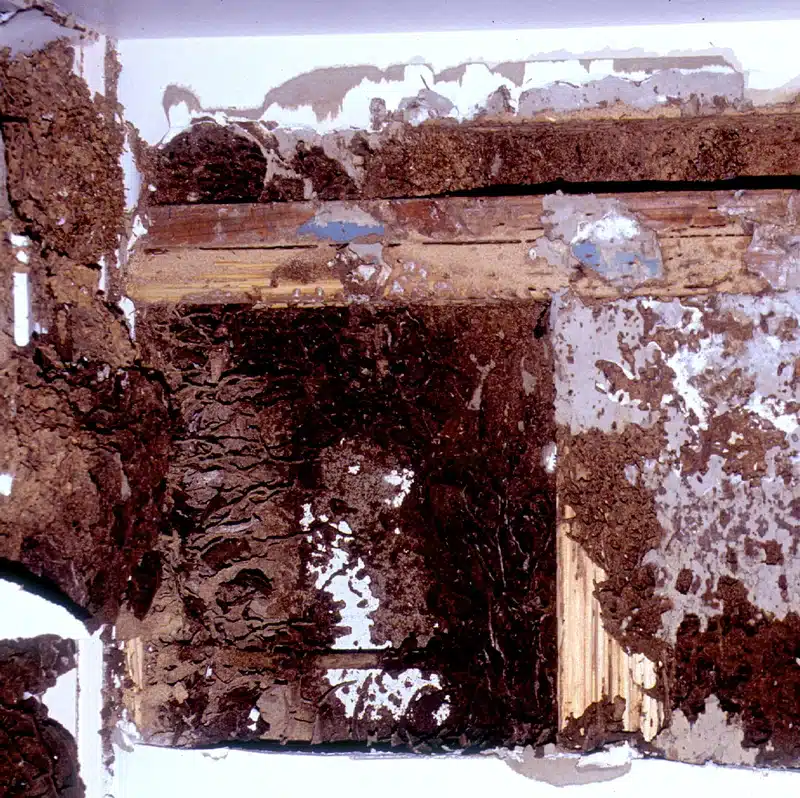
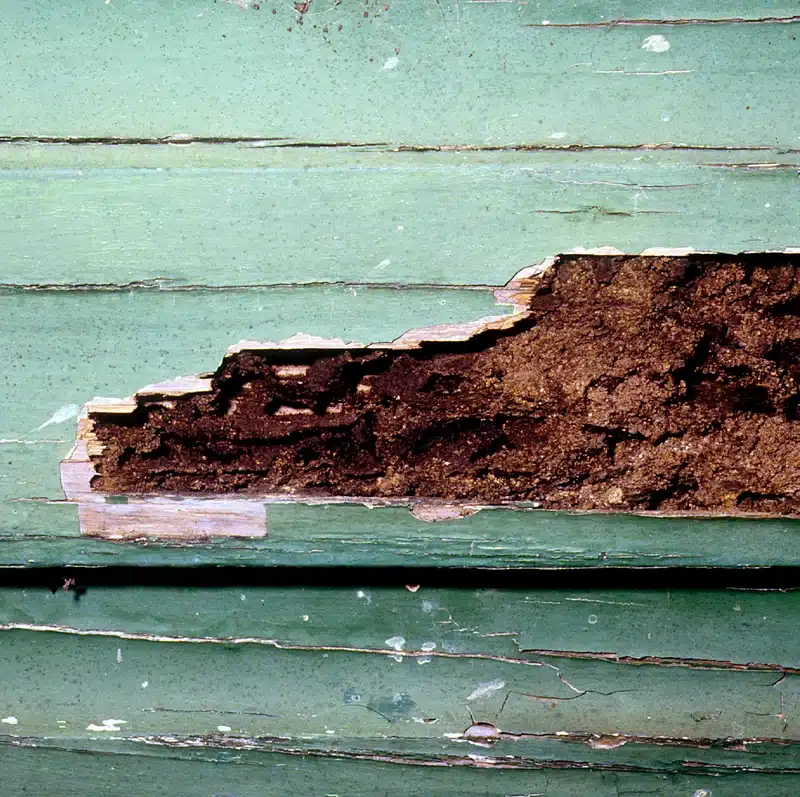

If you break open an active tube, you may see “traffic lanes” where workers move up and down. The tubes are made from soil, chewed wood, termite saliva, and waste. The saliva acts like cement. The outside feels rough and earthy. The inside is smooth. Fresh tubes are moist. Old ones are dry and crumbly.
Knowing what termites look like helps if you spot them while checking tubes.
Where to Look for Mud Tubes
Outside: Check foundation walls, crawl space entrances, porch supports, and spots where pipes or wires enter. Pay close attention where mulch meets siding or where soil comes within 6 inches of wood.
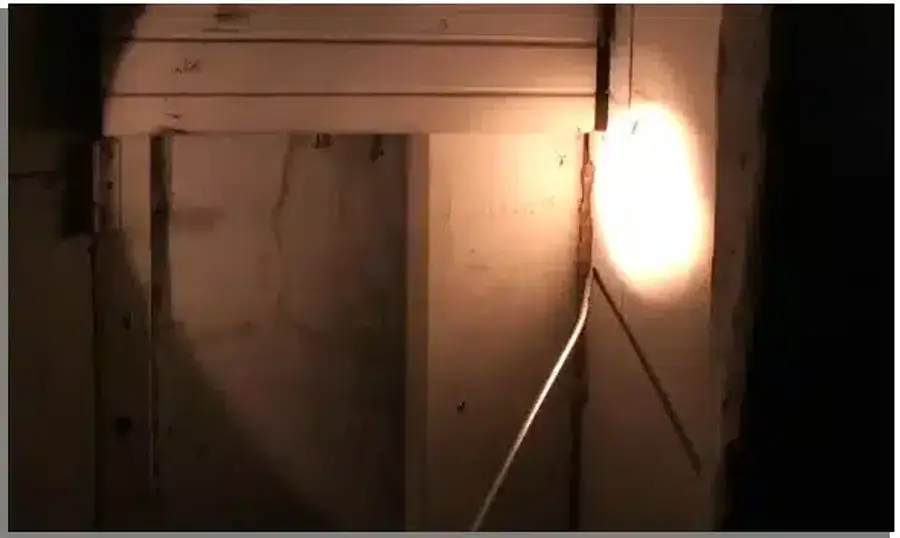
Inside: Look behind baseboards, inside hollow concrete blocks, around plumbing, and in unfinished basement areas. These hidden tubes can go unnoticed for years.
Above ground: Watch for “drop” tubes that hang down from wood like stalactites. These form when termites reach wood above ground, often because of moisture from roof leaks or poor airflow.
Types of Mud Tubes
Working (Utility) Tubes
The main highways between soil and food. These are the widest and most active, often with clear traffic lanes inside.
Exploratory Tubes
Thinner and more fragile. Termites build these while searching for food. They often dead-end without reaching wood. They can stretch 15 feet up a foundation wall.
Drop Tubes
Hang down from wood back toward the soil. These mean termites already have a feeding site above and are keeping their connection to the underground colony.
Swarm-Castle Tubes
Short-lived structures that appear during swarming season (late March through June in our area). They help winged reproductive termites leave the colony to start new ones.
How to Tell If Tubes Are Active
Break a one-inch section and look right away for live termites. You might see cream-colored workers or darker-headed soldiers.
Check back in 1 to 3 days. If termites have patched the break, the tube is active. Fresh, moist walls and new material confirm it.
But empty tubes don’t mean the problem is over. Termites often leave and come back to the same tunnels based on season and food supply. Even empty tubes mean termites found your home and may return.
A professional can check for active termite presence throughout your property, not just at obvious tube spots.
Why Termites Build Mud Tubes
Termites are built for life in moist soil. Without their tunnels, workers would dry out and die within hours in normal air.
Research from the University of California confirms that mud tubes create a controlled environment with the high humidity termites need. The walls also insulate against temperature swings.
Beyond moisture, the tubes block ants (major termite predators) and harmful UV light. Understanding what termites eat explains why they invest so much energy building these tunnels to reach wood.
Tracing Tubes to Find the Colony
Follow tubes downward to find where they enter the soil. This is likely near the main colony or major tunneling routes.
On slab foundations, trace tubes up and along the foundation to spot hidden entry points through cracks or expansion joints. Take photos and mark locations on a simple floor plan.
Use a screwdriver to probe soil where tubes meet the ground. You may find more tunnels or live termites in the soil. This helps professionals understand the scope.
Why Removing Tubes Alone Won’t Work
Scraping off mud tubes is like treating symptoms instead of the cause. Over 90% of the colony stays underground. They’ll quickly build new routes to the same wood.
Tubes also help professionals understand colony behavior and plan treatments. Removing them too early can mask ongoing activity and make it harder to tell if treatment is working.
Professional treatment targets the whole colony system. Learn about methods to eliminate termites that address both the underground colony and above-ground feeding sites.
Professional vs DIY
While you can spot and monitor mud tubes yourself, treatment usually needs a professional. Most termite soil treatments are restricted to licensed applicators who know the right chemical volumes and application methods.
Treating termites involves drilling concrete when needed, accessing hidden areas, and dealing with complex foundations. Licensed technicians know where to look, understand local termite patterns, and provide ongoing monitoring and warranty coverage.
Expert termite treatment uses strategies that DIY methods can’t match.
DMV Area Context
Our area ranks second-highest in the US for termite activity. The main species, Eastern subterranean termites (Reticulitermes flavipes and R. virginicus), are well suited to our climate and soil.
Swarming peaks from late March through May in Virginia and early April through June in Maryland. During these months, you’re most likely to find new tubes as colonies expand.
Our clay-heavy soils hold moisture well, which termites love. Combined with humid summers and the many crawl-space homes built from the 1950s through 1980s, conditions are ideal for subterranean termites.
According to the University of Kentucky Extension, winter soil temps in our region rarely get cold enough to kill termite colonies. That means they stay active year-round.
Treatment Options
Modern termite treatment addresses both immediate removal and long-term prevention.
Liquid barrier treatments create protective zones around your foundation. Baiting systems like Sentricon target entire colonies at their source. Borate wood treatments make wood toxic to termites and work well for new construction or renovations.
Moisture control and structural fixes remove the conditions that draw termites in. This might mean improving drainage, adding ventilation, or getting rid of wood-to-soil contact around your property.
Prevention
Yearly termite inspections are essential in our high-risk area. Professional technicians can catch early signs before mud tubes become obvious.
Key prevention steps:
- Keep mulch at least 6 inches from your foundation
- Get rid of wood-to-soil contact
- Store firewood away from your house
- Fix moisture problems right away
- Keep crawl spaces and basements clear for inspection access
Understanding annual termite inspections and prevention strategies helps you stay ahead of problems.
Mud Tubes vs Other Structures
Not every earthen tube means termites. Mud dauber wasps build similar tubes, but theirs are smoother and don’t connect soil to wood. Root masses near plumbing leaks can also look like tubes.
Real termite tubes contain a mix of soil and organic matter, show traffic patterns inside, and always link soil to a wood food source. When in doubt, a professional can quickly tell the difference.
If you’ve found mud tubes or want to prevent termite problems, call us at 703-683-2000 or email info@bettertermite.com. Our registered technicians have been protecting DMV homes for over 50 years.