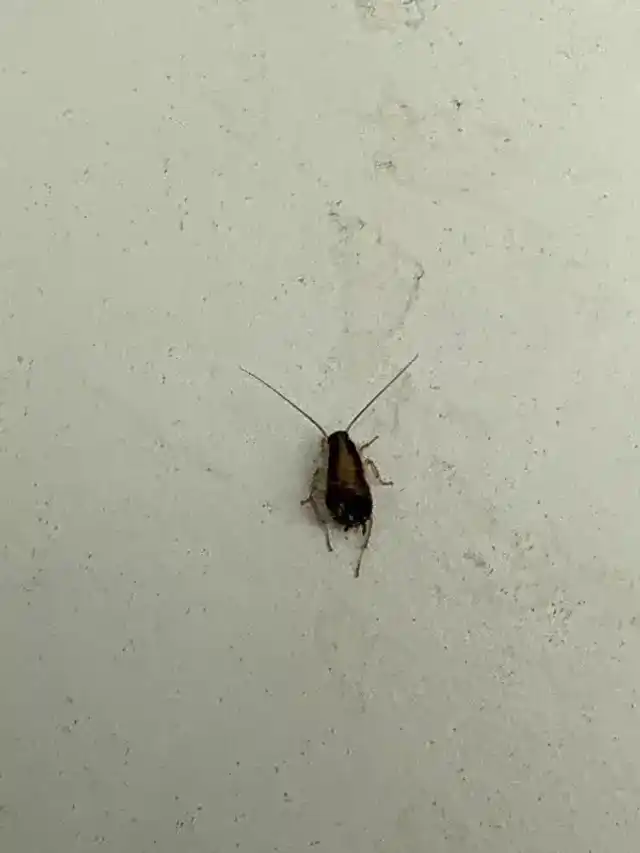

A dark bug runs across the kitchen floor and you only get a second to look. Was it a cockroach or a beetle? The answer changes what you do next, and homeowners mix the two up all the time.
Short answer first: a cockroach is not a beetle. Cockroaches belong to an insect group called Blattodea, the same group as termites. Beetles belong to a separate group called Coleoptera. The fastest way to tell them apart is to look at the back. A beetle’s hard wing covers meet in a straight line down the middle. A cockroach’s softer, leathery wings overlap, and a baby roach has no wings at all.
The difference matters because cockroaches can spread germs and set off asthma, while most beetles you find indoors are a nuisance. This guide covers every beetle people confuse with roaches. If yours is a shiny black bug that came in under the door at night, jump to our ground beetle vs cockroach guide, which is all about that one look-alike.
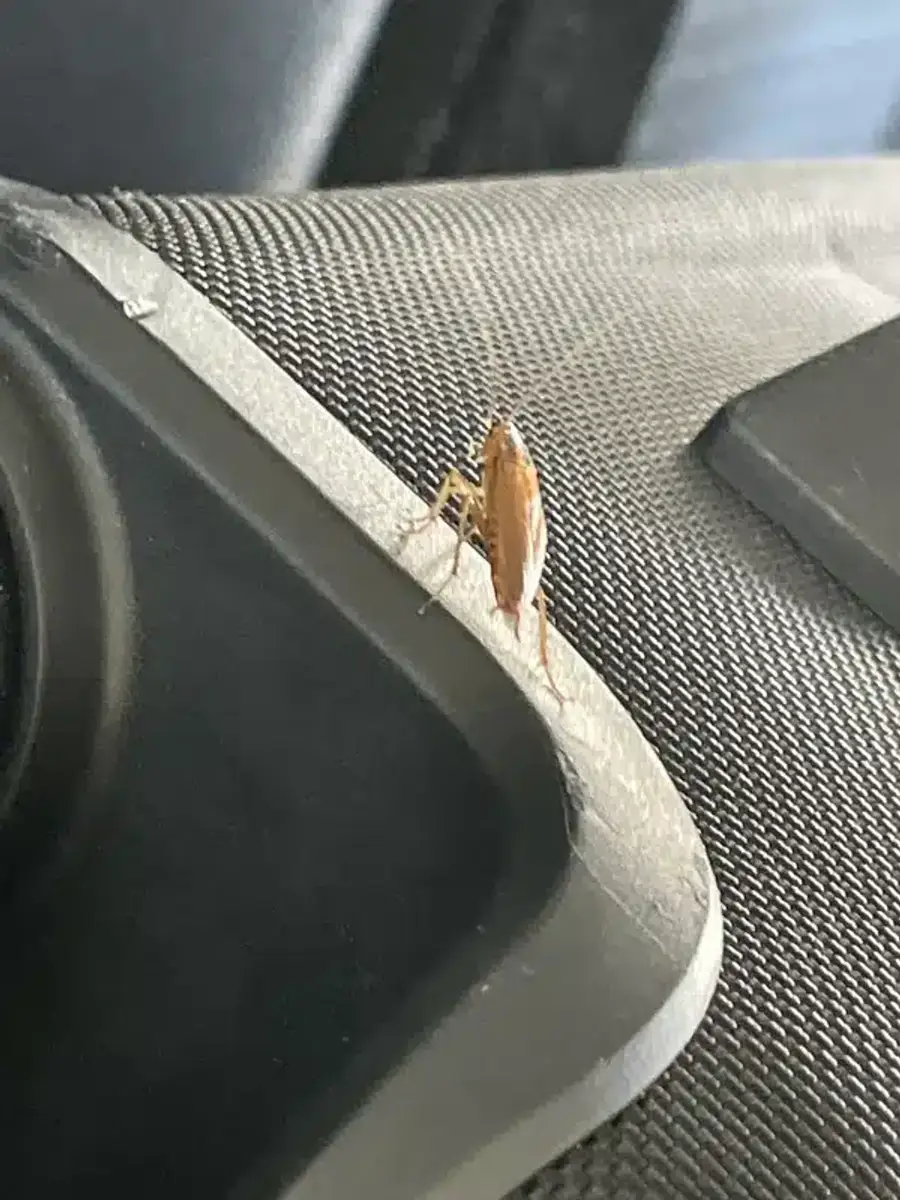
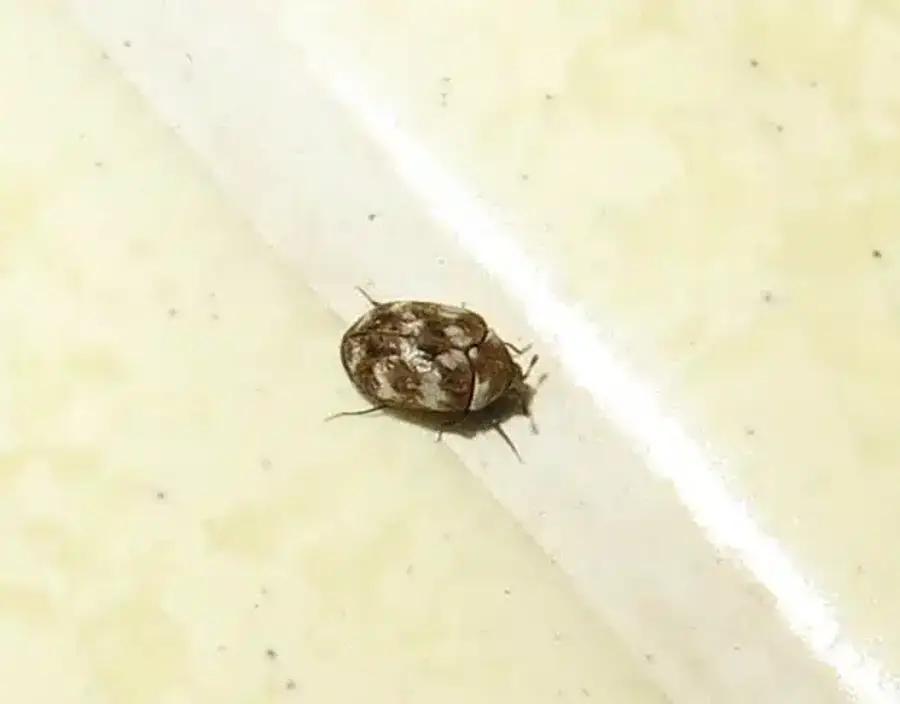
Here’s a side-by-side look at a cockroach and a beetle so you can see how they compare.
How to Tell Cockroaches and Beetles Apart
If you can get a look at the bug (or a photo of it), run these five checks in order. The first two settle most cases.
- Look at the back. A beetle’s front wings are hard shells that meet in a straight line down the middle. A cockroach’s wings are thinner, leathery, and overlap. Baby roaches have no wings, so there’s no line at all.
- Look for the head. From above, a cockroach’s head is mostly hidden under a flat shield. On most beetles you can see the head sticking out in front.
- Check the antennae. Cockroach antennae are thin, often longer than the body, and always moving. Beetle antennae are shorter and may look beaded, clubbed, or saw-toothed.
- Check the tail end. Cockroaches have two short, jointed feelers (called cerci) at the tip of the body. Adult beetles don’t.
- Note where you found it. Roaches hide near food and water in kitchens, bathrooms, and basements, and they leave pepper-like droppings and egg cases. Beetles turn up near lights, on window sills, in stored food, or by tiny holes in wood.
The head, wing, antenna, and tail traits above come from the NC State University insect ID guides for cockroaches and beetles. Here is the same comparison side by side.
| Cockroach | Beetle | |
|---|---|---|
| Insect group (order) | Blattodea (with termites) | Coleoptera |
| Body Shape | Oval, flat | Rounded or tube-shaped |
| Head from above | Mostly hidden under a shield | Usually visible |
| Antennae | Long, thin, flexible | Short, clubbed or beaded |
| Wings | Leathery, overlapping | Hard, meet in a straight line |
| Tail end | Two short feelers (cerci) | No feelers |
| Young | Nymphs: small, wingless copies of the adult | Larvae: grubs or fuzzy “worms” |
| Signs left behind | Pepper-like droppings, egg cases, musty odor | Shed larval skins, fabric holes, or holes in wood with fine powder |
| Health Risk | High (spreads germs, triggers asthma) | Low (mostly nuisance) |
Body Shape and Size
Cockroaches have an oval, flat body that lets them squeeze into tight cracks. German cockroaches are about half the size of your thumb. American cockroaches can grow as big as your whole thumb. Oriental cockroaches fall in between.
Beetles tend to be rounder or more tube-shaped. Carpet beetles are much smaller than cockroaches at only 2-3 mm. But ground beetles can be the same size as cockroaches, which is why people mix them up.
Wing Structure
Cockroaches have leathery wing covers called tegmina that overlap each other. The thin hind wings do the flying, and many species rarely fly indoors.
Beetles have hard wing covers called elytra that meet in a straight line down the middle of the back. Beetles fly using only their hind wings, while the front wings stay rigid.
Antenna Length
This is one of the easiest ways to tell them apart. Cockroaches have long antennae that often reach past their body length. They’re thin and always moving.
Beetles have shorter antennae compared to their body. Depending on the species, they may look clubbed, saw-toothed, or beaded.
Are Cockroaches Beetles?
No. Cockroaches and beetles are both insects, but they sit in different orders, the way cats and dogs are both mammals. A cockroach’s closest relatives are termites and praying mantises. Beetles are their own huge group.
NC State University’s entomology guide notes that cockroaches and praying mantises are the only insects that lay eggs in a hard egg case (an ootheca), a sign the two groups are closely related. Beetles are a different branch entirely. NC State counts more than 400,000 beetle species worldwide, about 40% of all known insects.
Part of the mix-up is the names. The Oriental cockroach has long been called a “water bug” or “water beetle,” according to Purdue University Extension. So if someone tells you they found a “black beetle” in a damp basement, there’s a fair chance it was really an Oriental roach.
Baby Roach vs Beetle
Small bugs are the hardest to call, because a baby roach and a small beetle are both dark, quick, and only a few millimeters long. The back is still the best clue.
Baby roaches (nymphs) hatch as tiny, wingless copies of the adult. With no wings, there’s no line down the back. They still have the long, waving antennae and the two little feelers at the tail end. German cockroach nymphs are dark and often show up in groups around the sink, stove, or dishwasher. For close-up photos of each stage, see our guide on baby roach identification.
Small beetles have a hard, shell-like back split by a straight line, even when they are tiny. The ones people most often find indoors are adult carpet beetles (round and speckled, about the size of a pinhead) and pantry beetles in flour, cereal, or pet food. They move more slowly than a roach nymph and tend to stay near the food or fabric they’re feeding on, or on a sunny window sill.
If you’re finding several small bugs with long antennae near food or water, treat it as a possible German cockroach problem until you know otherwise.
Common Cockroaches in DMV Homes
Several cockroach species show up in homes across the DMV area. Each one looks and acts a bit different.
German Cockroach
The German cockroach is the worst indoor pest in our region. Adults are about 1/2 to 5/8 inch long (13-16 mm) with two dark stripes on the shield behind the head, per Purdue University Extension. They stick to warm, humid spots like kitchens and bathrooms where food and water are close by.
German cockroaches breed fast and almost never go outside. If you see one during the day, you probably have a big problem that needs pro treatment right away.
American and Oriental Cockroaches
American cockroaches and oriental cockroaches are bigger species that homeowners often call “water bugs.” American roaches can reach 38 mm and are reddish-brown with a pale border on the shield. Oriental roaches are a bit smaller at 25-31 mm and look dark brown to shiny black. Those dark, slow-moving Oriental roaches are the ones most often called “black beetles.”
Both prefer cool, damp areas like basements and crawl spaces. They often get in through sewer lines or foundation cracks when the weather is hot or wet.
Daren, one of our registered technicians, says these big outdoor roaches are also the most misidentified roach he sees. “As soon as a customer sees a roach they think German roach,” he told us. In his experience, a big brown-red or black roach is almost always an outdoor roach, while tiny roaches all through the cabinets and bathrooms are German roaches, “and that’s a real issue.” When the big ones are heavy inside, he looks for moisture first. He’ll have a customer who swears the house is dry set up a hygrometer, and plenty of times it reads around 72% humidity when you want about 45-50%. In one house he serviced for years, the American and Oriental roaches went from a heavy problem to almost none once the owners finally replaced a water pipe.
Beetles People Mistake for Cockroaches
Several beetle types get confused with cockroaches, especially when you only get a quick look in dim light.
Ground Beetles
Ground beetles are the most common beetle mistaken for cockroaches. They’re usually black or brown with long legs that help them run fast. But they’re actually predators that eat other pest insects.
Unlike cockroaches, ground beetles are drawn to outdoor lights and don’t breed indoors. A single beetle near your porch light on a summer night is most likely a ground beetle. Look for a head that sticks out in front and a straight seam down a hard back. Our ground beetle vs cockroach guide has close-up photos of both.
Click Beetles
Click beetles are long, narrow, and brown or black, so a quick glance can make them look like a slim roach. Flip one on its back and it snaps its body with a loud click to flip upright. No roach does that. See our click beetle vs cockroach comparison for more.
Carpet Beetles
Adult carpet beetles are much smaller than cockroaches but can cause worry when found inside. They often show up on window sills as adults try to leave after hatching indoors.
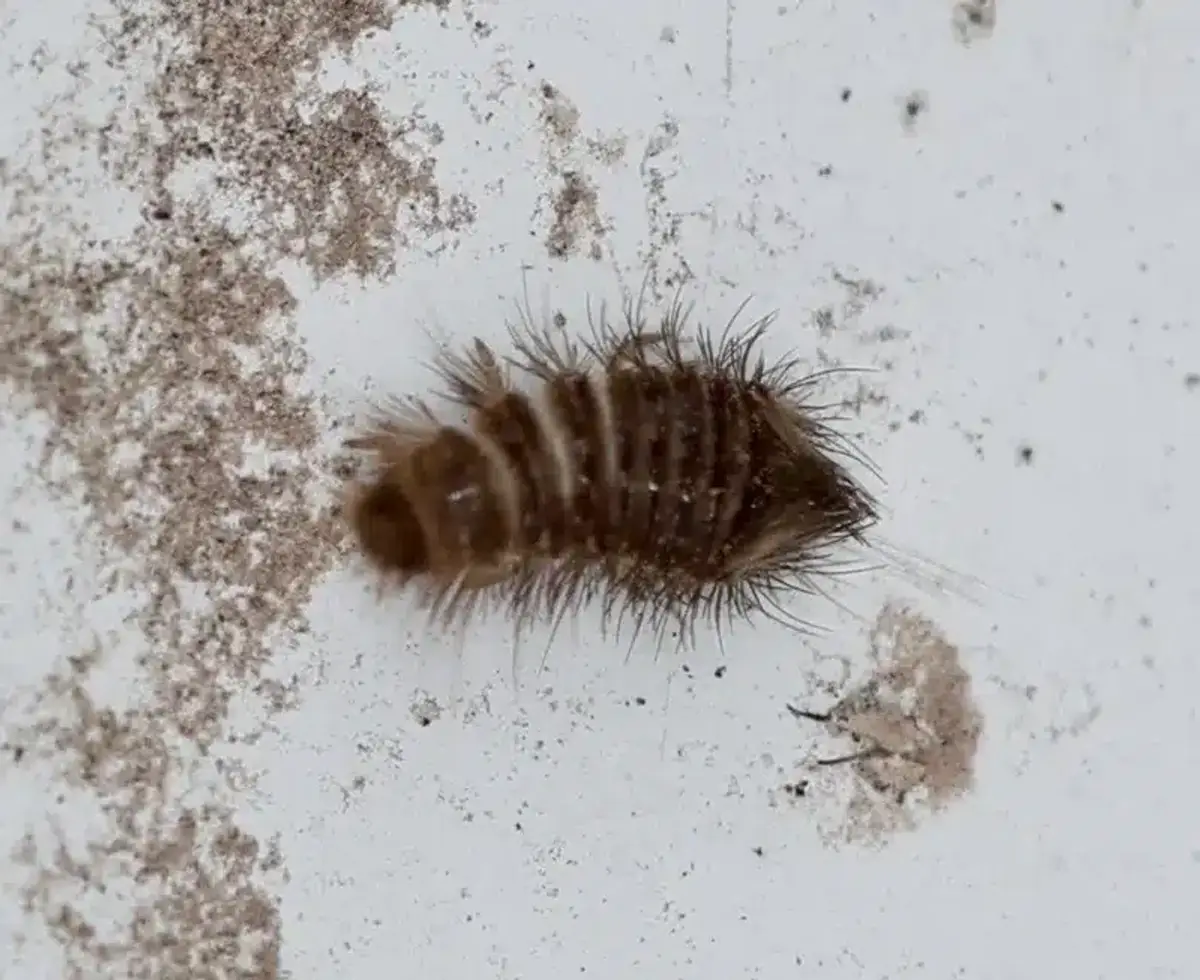
Daren ranks carpet beetles as the second most common pantry pest he runs into, right behind Indian meal moths. The real concern isn’t the adults but the larvae, which eat natural fibers like wool and fur. Beetle larvae look like small, fuzzy caterpillars and cause the actual damage to fabrics.
Wood-Boring Beetles
A wood-boring beetle problem looks very different from a cockroach issue. These beetles come out of tiny round holes in hardwood floors, furniture, or beams. You’ll see fine powder (called frass) around the exit holes instead of live bugs.
Powderpost beetles can cause real structural damage over time. Cockroaches don’t damage structures, but they do spread germs.
Why Getting the ID Right Matters
The gap between a cockroach and a beetle goes way beyond looks. The National Pest Management Association says cockroaches spread nearly 33 kinds of bacteria, including E. coli and Salmonella. They dirty food surfaces, and their droppings and shed skins can trigger asthma attacks, especially in kids.
A national survey of U.S. homes published in Environmental Health Perspectives found cockroach allergen in about 63% of homes. The same paper cites the National Cooperative Inner-City Asthma Study: children who were allergic to cockroaches and had high allergen levels in their bedrooms were hospitalized for asthma 3.7 times as often as allergic children with lower exposure.
Beetles don’t pose the same health risks. Most indoor beetles are either predators that eat other bugs or fabric pests that chew on wool. A carpet beetle in your home is annoying but won’t make you sick the way a cockroach infestation will.
Where Each Pest Hides
Where you find the bug is often the strongest clue for telling cockroaches and beetles apart.
Cockroaches are active at night and stick to dark, warm spots near food and water. In kitchens, check behind the fridge, inside cabinets, and around the dishwasher. Bathrooms are ideal around toilet bases and sink plumbing.
German cockroaches often hide in electrical outlets. Bigger species like American cockroaches prefer basement areas near water heaters and laundry. If you see a roach during the day, the population has probably grown large enough to push some into the open.
Different beetle species prefer different spots. Carpet beetles turn up on window sills where adults try to escape. The signs of carpet beetles include shed larval skins under furniture and in closets.
Ground beetles usually appear near outside doors and windows on warm summer nights when lights attract them. A beetle in your home is often just one that wandered in by accident.
Wood-boring beetles leave signs wherever untreated wood is present. Look for tiny holes and powder piles under hardwood stairs, old furniture, or exposed beams in older DMV homes.
Life Cycle Differences
How these insects grow explains a lot about how they show up in your home.
Cockroaches hatch from egg cases as tiny versions of adults called nymphs. German cockroach females carry their egg case until just before hatching. This is called incomplete metamorphosis.
Beetles go through complete metamorphosis: egg, larva, pupa, adult. The larva stage is when most damage happens, whether it’s carpet beetles eating fabrics or wood-borers tunneling through lumber.
This is why you might find cockroach egg cases in kitchen cabinets but beetle larvae under baseboards or in stored clothes. Each insect needs a different control approach based on how it develops.
How to Control Each Pest
The treatment plan for cockroaches vs beetles is very different. Getting the ID right first makes sure you pick the right approach.
Cockroach Control
Cockroach control takes a full approach: cut off food, reduce moisture, and apply targeted treatments. Pros typically use gel baits and growth regulators that roaches carry back to their hiding spots.
With German cockroaches, the programs that work combine better sanitation with crack-and-crevice treatments. Homeowners need to empty cabinets and clean well before we treat.
For bigger roaches like American or Oriental species, moisture control is key. Dehumidifiers, sealed foundation cracks, and good drainage around the house stop future invasions.
- Cut Off Food: Store all food in sealed containers, clean up crumbs fast, and don’t leave pet food out at night
- Remove Water: Fix leaky pipes, get rid of standing water, and dehumidify basements
- Seal Gaps: Caulk around pipes, seal under doors, and fix torn screens
- Call a Pro: If you spot German cockroaches, call experts right away. DIY sprays often make it worse
Beetle Control
Beetle treatment depends on the species. Ground beetles mainly need exclusion: seal gaps around doors and switch to yellow outdoor bulbs that attract fewer bugs.
Carpet beetle treatment focuses on thorough vacuuming, washing fabrics in water over 120°F, and treating wall voids where larvae hide. Pros may use targeted dust in hard-to-reach spots.
Wood-boring beetle problems often need moisture reduction in crawl spaces and basements plus surface treatments with borate products. Bad structural damage may need lumber replacement.
When to Call a Pro
Some situations need professional help no matter what bug you’re dealing with.
Any cockroach sighting indoors is worth a call, especially if it’s a German cockroach. They multiply fast and are very hard to get rid of without pro-grade baits and growth regulators.
For beetles, get help if you’re finding many each day, seeing major fabric damage, or spotting signs of wood damage. Little black beetles in large numbers often mean a population that needs targeted treatment.
A pro can also check for clues like shed skins, egg cases, or damage patterns that homeowners often miss. Catching a problem early is almost always cheaper and faster than waiting. If you’re in Montgomery County, our Chevy Chase pest control page covers our service in that area.
DMV Regional Factors
The Mid-Atlantic climate creates conditions that favor both cockroaches and beetles. Our warm, humid summers and older housing stock are ideal for these insects.
Many older homes in places like Old Town Alexandria and Arlington have damp basements and aging sewer lines, which give American and Oriental cockroaches a way in. Row houses with shared walls let German cockroach populations spread between units.
The region’s hardwood trees and older buildings also support beetle populations. Homes built 75-120 years ago often have untreated lumber that powderpost beetles can infest when moisture levels rise.
These regional factors explain why pest control in the DMV often needs ongoing visits, not just a single application. The conditions that support these bugs are always present.
If you’re dealing with a bug you can’t name in your Northern Virginia or suburban Maryland home, correct ID is the first step. A cockroach needs fast action. A beetle usually needs a fix aimed at its food source, whether that’s wool, flour, or damp wood.
Call Better Termite & Pest Control at 703-683-2000 or email info@bettertermite.com, and we’ll help you figure out which one you’ve got.
Frequently Asked Questions
Below are the most common questions we hear about telling cockroaches and beetles apart.