
TLDR: Subterranean termites live underground, build mud tubes, and need soil moisture. Drywood termites live inside wood and leave pellet piles. Subterranean termites are far more common in Northern Virginia and cause damage faster due to larger colonies. Subterranean termites are treated with liquid soil barriers or bait systems. Drywood termites need fumigation or spot treatments. Get a professional inspection if you see mud tubes, pellets, or swarming termites.
When you’re dealing with termites in Northern Virginia, knowing which type you have can save you thousands of dollars. Subterranean termites and drywood termites behave differently, cause different damage patterns, and need different treatments.
Here in Northern Virginia, subterranean termites are far more common. Our clay soil and humid climate give them everything they need. But knowing how to spot both types protects your home no matter what shows up.
The Key Difference: Moisture
The biggest difference between these two types comes down to water.
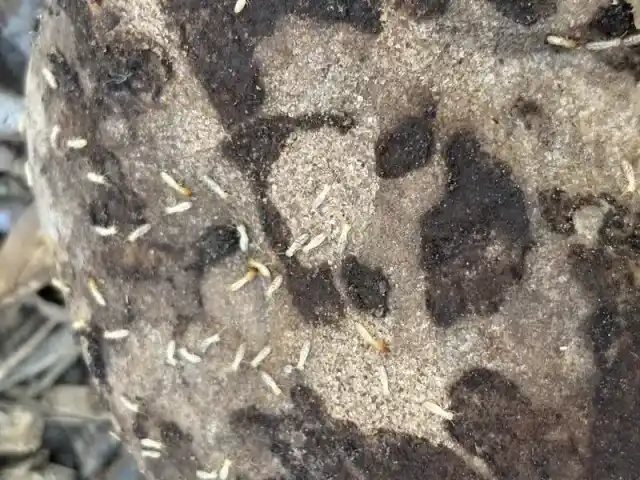
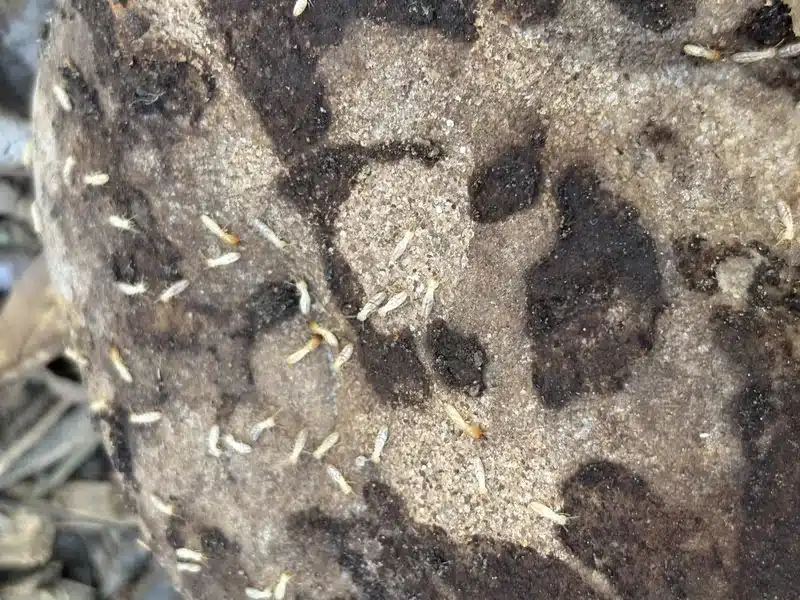
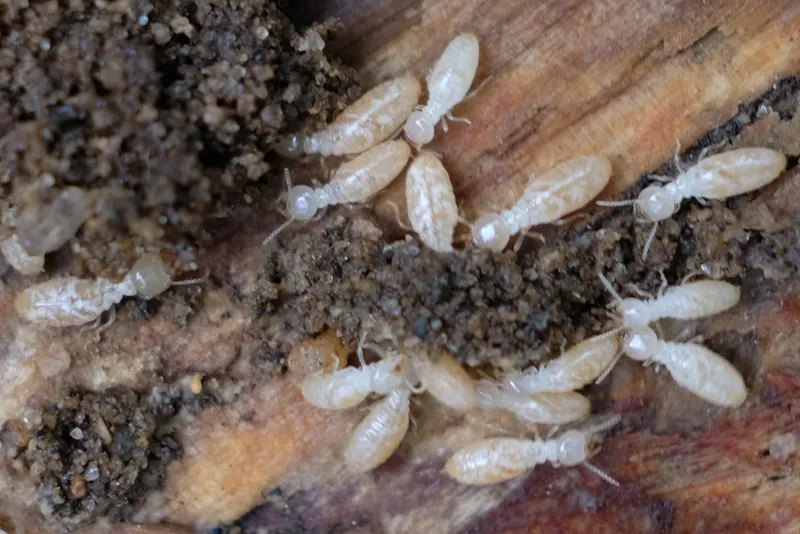
Subterranean termites must stay connected to soil moisture to survive. They build mud tubes to travel between their underground colony and the wood they eat. Without moisture, they die within hours.
Drywood termites live entirely inside dry wood. They get moisture from the wood itself and don’t need soil contact at all. They have special organs that help them hold onto every bit of water.
USFS research shows that subterranean termites die quickly when humidity drops below 97%. This is why they must stay connected to soil and why they build protective mud tubes when foraging above ground.
This moisture difference explains why subterranean termites are so much more common in our area. Northern Virginia’s clay-heavy soil and humid summers create the perfect conditions for underground colonies.
Where Each Type Lives
Subterranean Termite Colonies
Subterranean termites build their nests underground, usually 2-20 feet deep. Colonies can hold anywhere from 100,000 to over 1 million termites. Workers travel through underground tunnels that can reach up to 150 feet from the main nest.
Because they forage so widely, one colony can affect several homes on the same street. I’ve worked with many customers who found out their neighbors had termites around the same time.
Drywood Termite Colonies
Drywood termites keep their entire colony inside a single piece of wood. This might be a beam, door frame, or piece of furniture. Their colonies are much smaller, usually just a few thousand termites.
Since they don’t need soil contact, drywood termites can infest any wood in your home. Common species include the western drywood termite and the southeastern drywood termite. Both are much less common in Northern Virginia because our climate doesn’t suit them well.
Quick Comparison
| Feature | Subterranean Termites | Drywood Termites |
|---|---|---|
| Colony Location | Underground, 2-20 feet deep | Inside wood |
| Colony Size | 100,000 to 1+ million | A few thousand |
| Moisture Needs | Must have soil contact | Gets moisture from wood |
| Key Signs | Mud tubes, muddy galleries | Kick-out holes, pellets |
| Best Treatment | Liquid barriers, bait systems | Fumigation, spot treatments |
How to Tell Which Type You Have
Subterranean Termite Signs
The clearest sign of subterranean termites is mud tubes. These pencil-thin tunnels made of soil and saliva run up foundation walls, along joists, and around plumbing. Termite mud tubes protect workers as they travel between their underground colony and your wood.
Other signs include:
- Hollow-sounding wood when tapped
- Muddy or soil-stained galleries inside damaged wood
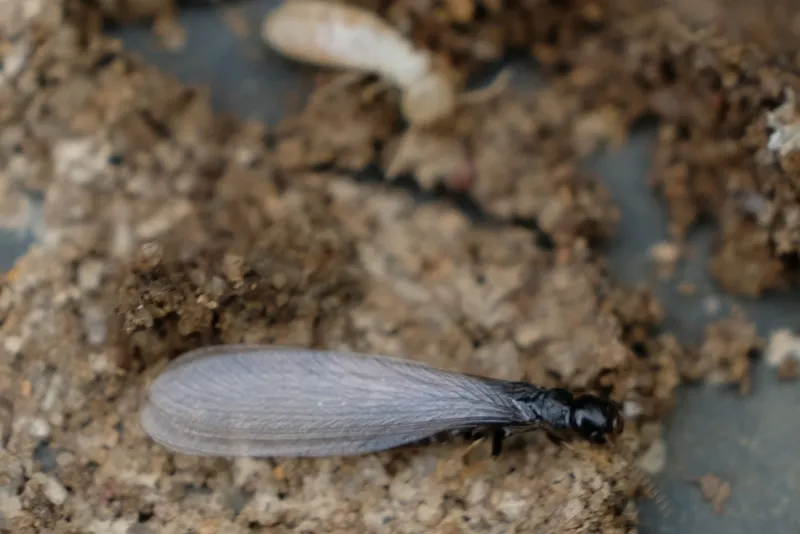
- Discarded wings near windows and doors during swarm season
- Soft spots or bulges in painted surfaces
Drywood Termite Signs
Drywood termites leave completely different clues. Instead of mud tubes, you’ll find kick-out holes, tiny pin-sized openings where termites push out their waste. These pellets are six-sided granules that look like coffee grounds.
Other signs include:
- Small piles of pellets below kick-out holes
- Clean, smooth tunnels that cut across wood grain
- Blistered or peeling paint over infested wood
- Small holes plugged with pellet material
Swarming Seasons
Timing helps tell these termites apart. Subterranean termites swarm in late winter and spring, from February through May. According to Penn State Extension, swarms happen on warm days above 70 degrees after rain.
Drywood termites swarm in late summer through fall, usually at dusk or dawn. Since drywood termites are less common here, spring swarms in Northern Virginia are almost always subterranean.
Damage Patterns
Subterranean Termite Damage
Subterranean termites eat soft spring wood and work along the grain. They leave behind uneven galleries lined with muddy paste. The wood often looks dirty because of the soil particles they bring with them.
These termites work fast because of their huge colony size. In bad cases, they can hollow out major structural wood in 3-5 years. The damage often goes unnoticed because they leave a thin layer of wood on the surface.
Drywood Termite Damage
Drywood termites create smooth, clean tunnels that cut across the wood grain. They don’t bring soil into their tunnels. Instead, they push their waste pellets out through kick-out holes.
The damage develops more slowly because colonies are smaller. But several colonies can infest different parts of the same house at once, creating damage in multiple spots.
How Each Type Is Treated
Subterranean Termite Treatments
The most effective treatment for subterranean termites is a liquid soil barrier. We apply non-repellent products like Premise or Termidor around the foundation. These create a treated zone that kills termites when they try to reach your home through the soil.
Another strong option is Sentricon baiting systems. Bait stations placed around your property contain material that workers carry back to the colony, which wipes out the whole population over time.
Subterranean treatments cause little disruption. The work happens around the outside of your home, and you can stay inside the whole time. These treatments typically last 10-15 years when done right.
Drywood Termite Treatments
Drywood termites need different methods because they live entirely inside the wood.
- Whole-structure fumigation seals and fills the house with gas that reaches all wood. This requires leaving your home for 2-3 days.
- Spot treatments drill and inject product directly into galleries. These cost less but require finding every colony.
- Heat treatments raise wood temperature to levels that kill the termites. These take 6-12 hours.
- Borate treatments inject dust or liquid into infested areas for localized control.
The key with drywood treatment is mapping all infested areas. Missing even one colony means the problem continues.
Prevention for Northern Virginia Homes
Fix leaky gutters and plumbing right away. Maintain proper drainage around your foundation. Ventilate crawl spaces to keep humidity below 60%. Subterranean termites thrive where moisture meets wood.
Keep at least 18 inches between soil and any wood on your home. Remove wood debris, stumps, and cellulose mulch near the foundation. Store firewood at least 20 feet from the house. For drywood prevention, seal cracks in exterior wood and paint or stain exposed surfaces.
Schedule annual termite inspections. A trained technician checks both interior and exterior areas, probes soil near the foundation, and examines crawl spaces for mud tubes, pellets, or other signs. Early detection makes a huge difference in treatment cost.
If you have a liquid barrier in place, don’t disturb the treated soil within one foot of your foundation. Call your pest control company before installing drainage systems, adding topsoil, or making landscaping changes near the house.

When to Call a Professional
Don’t wait if you see any sign of termite activity. Termite protection programs work best when started before major damage happens. Call a licensed technician if:
- You find mud tubes on your foundation or in your crawl space
- You see piles of small pellets near wood surfaces
- Winged termites swarm inside or near your home
- Wood sounds hollow when you tap it
- You notice soft spots or bulges in painted surfaces
- Your home cost over $200K and doesn’t have termite protection
During my training in Alexandria, we responded to what seemed like a small problem. The homeowners noticed a tiny bulge in their window sill. What we found underneath was years of subterranean termite damage, with mud tubes running throughout the crawl space. A small sign led to a major discovery. This is why annual inspections matter so much. Catching termites early turns a big repair into a routine treatment.
At Better Termite & Pest Control, we’ve handled termite problems across Alexandria, Fairfax, Bethesda, and the DC metro area for over 58 years. Termite control is in our name for a reason.
Get Help with Termites Today
If you suspect termite activity or want to set up protection for your home, call us at 703-683-2000 or email info@bettertermite.com. With over 1800+ reviews and 58 years of experience, we know how to find termites and stop them for good.