
TLDR: Many kitchen bugs look like cockroaches but aren’t. Ground beetles, camel crickets, giant water bugs, June beetles, and earwigs all get mistaken for roaches. The key difference is that true cockroaches have long antennae, flat bodies, and run fast. Real roach problems also leave pepper-like droppings, egg cases, and a musty smell that look-alikes never produce. German cockroaches are the most serious kitchen pest and breed rapidly indoors. Proper ID matters because each pest needs a different treatment plan.
If you’ve spotted a small, dark bug on your kitchen counter, you might think it’s a cockroach. But many kitchen bugs look like roaches and aren’t. Plenty of the “roach” calls we get turn out to be beetles, crickets, or other look-alikes once we take a closer look.
Getting the ID right matters. Different pests need different fixes. A German cockroach problem needs fast professional action. A few wood roaches from your firewood pile might just need some gaps sealed.
What Bug Looks Like a Cockroach?
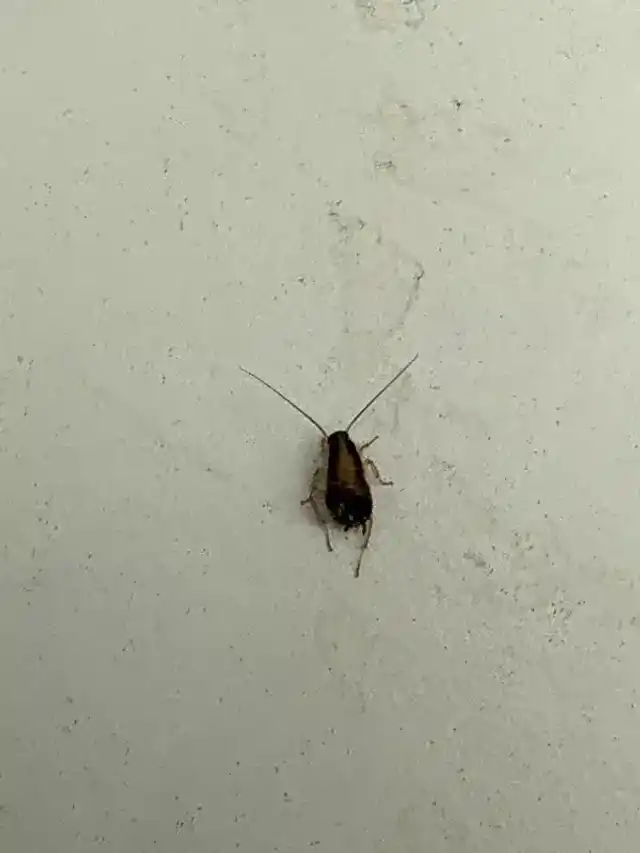
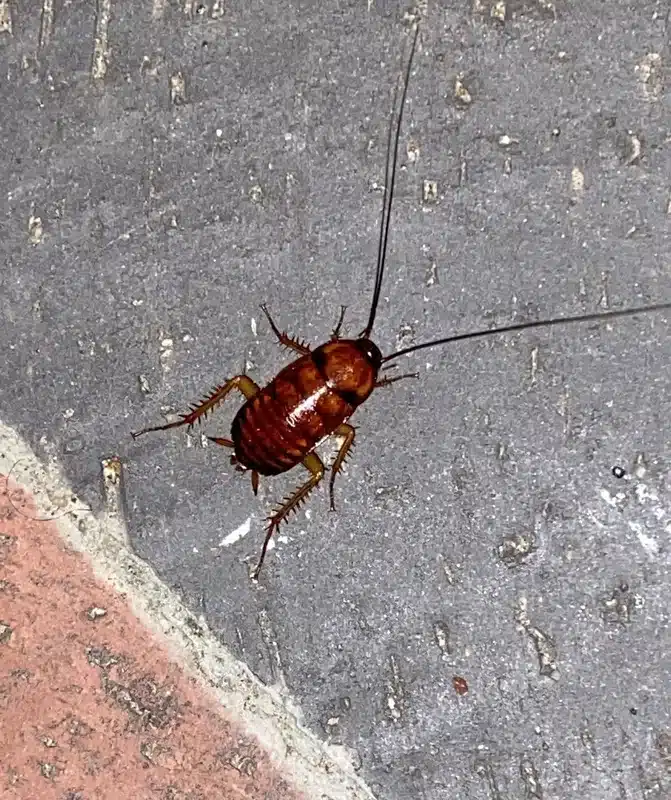
The bugs most often mistaken for cockroaches are ground beetles, camel crickets, giant water bugs, June beetles, and earwigs. To rule them out, you first need to know what a real cockroach looks like. True cockroaches share these features:
- Flat, oval-shaped bodies that look pressed down from the top
- Long, thread-like antennae roughly as long as their body
- A shield-like cover behind the head that hides it from above
- Spiny legs built for fast running
- Small tail-like appendages (cerci) at the rear
If the bug you found is missing two or more of these, it’s probably a look-alike.
Common Cockroach Species Found in Kitchens
Here are the real cockroaches you might find in your kitchen. In the DC metro area, I deal with several species that love kitchen spaces.
German Cockroaches
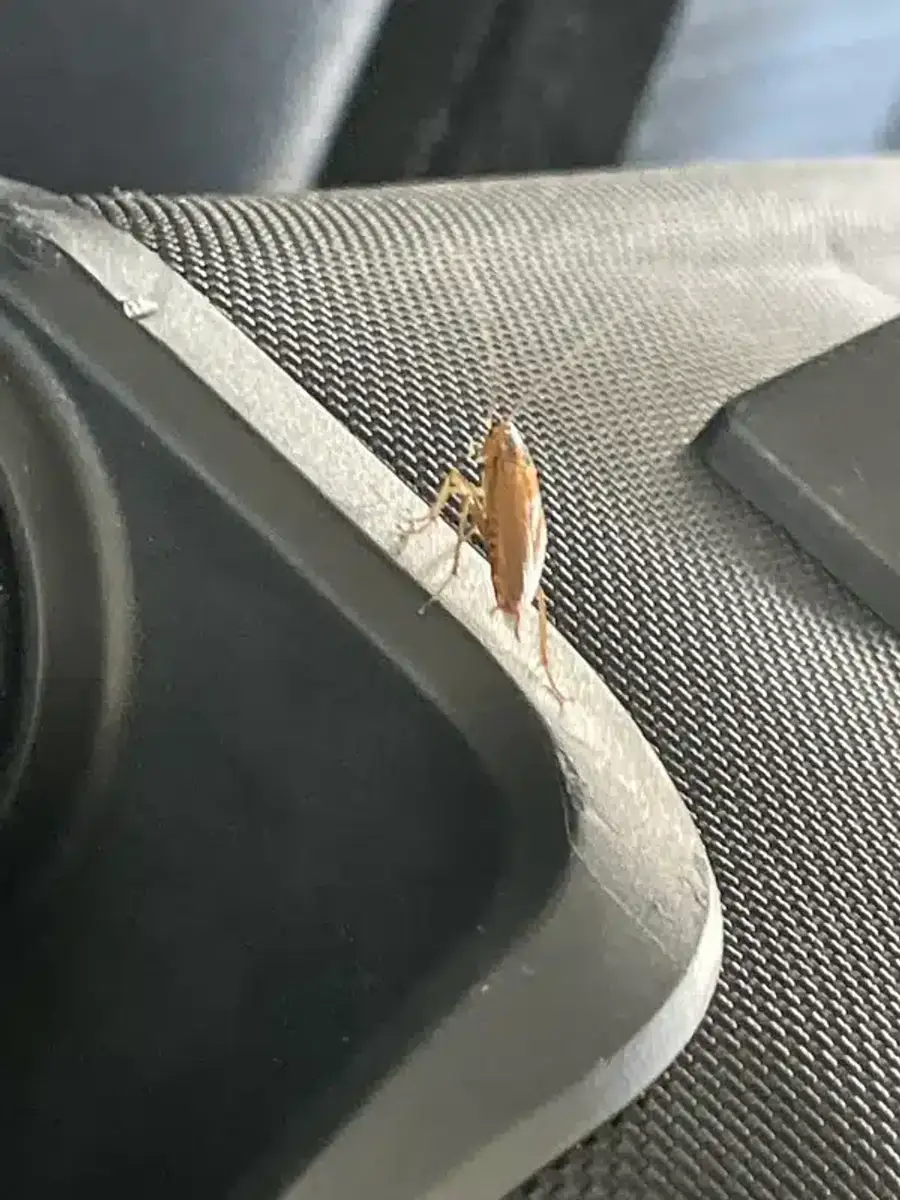
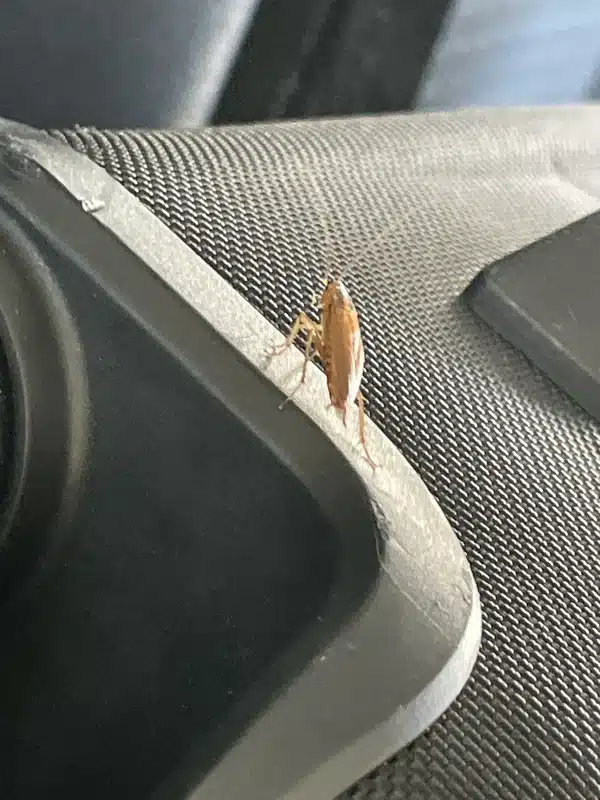
German cockroaches are the most troublesome kitchen pests I see. These small roaches are about half the size of your thumb and have two clear brown stripes on their backs. According to the University of Florida IFAS, a single female can produce over 300 offspring in her lifetime.
German roaches only live indoors. They never come in from outside. Instead, they spread through items like grocery bags and used appliances. I’ve found problems that started from one egg case on a used microwave.
American Cockroaches
American cockroaches are much larger. They’re about thumb-sized, reddish-brown, and have pale edges behind their heads. These “waterbugs” come up through floor drains, basement pipes, and sewer lines. They show up often in commercial kitchens and older homes.
Oriental Cockroaches
Oriental cockroaches are dark, almost black insects that prefer cool, damp areas. I often find them in basements and crawl spaces, but they’ll move into kitchens during dry spells when they need water.
| German | American | Oriental | |
|---|---|---|---|
| Size | ½ inch | 1-2 inches | 1-1.25 inches |
| Color | Light brown with stripes | Reddish-brown | Dark brown/black |
| Location | Kitchen/bathroom | Basements/drains | Cool, damp areas |
| Threat Level | HIGH | Medium | Medium |
Kitchen Insects That Look Like Cockroaches
In my experience, several insects get mistaken for cockroaches in kitchens. Here are the most common look-alikes and how to tell each one apart.
Ground Beetles
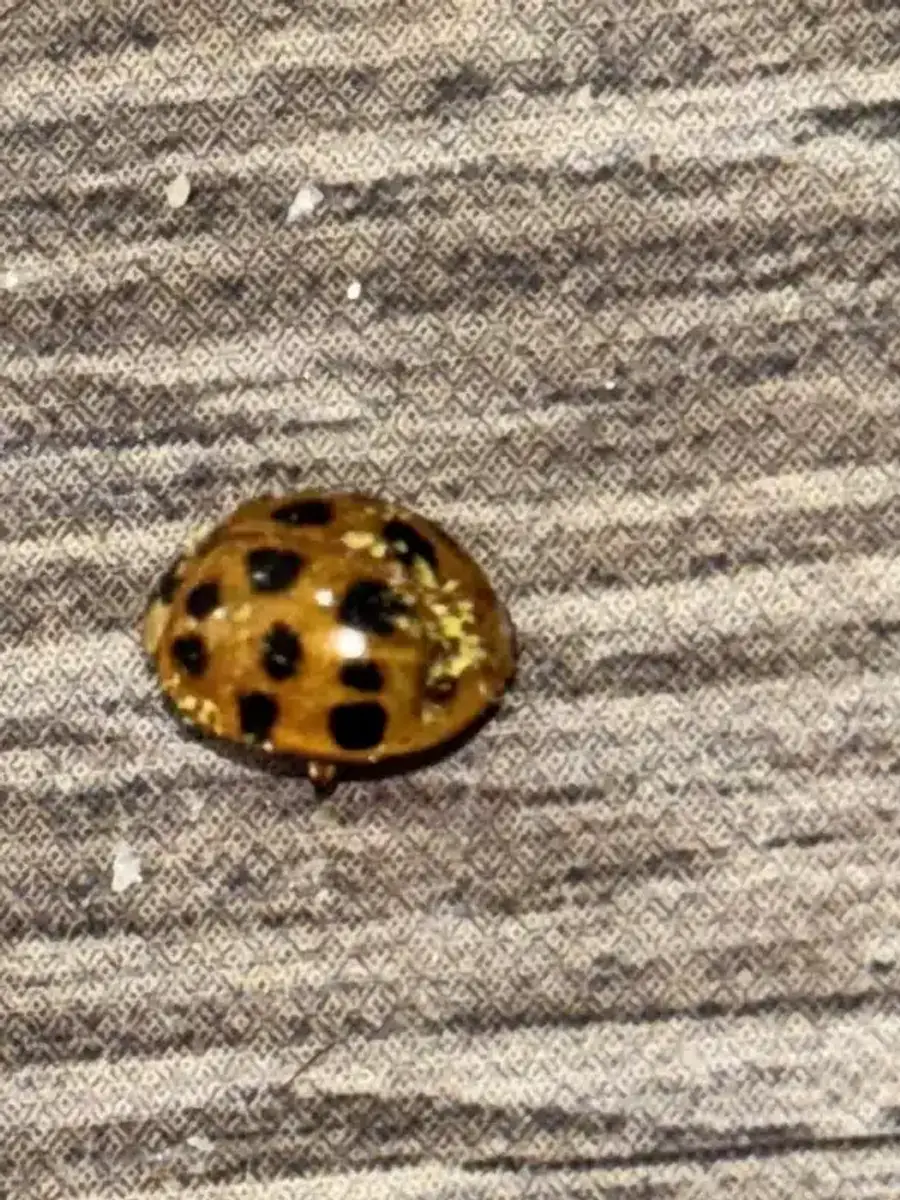
Ground beetles cause more mix-ups than any other bug. These helpful predators wander indoors through door gaps during weather changes, especially when drawn to porch lights, and look roach-like at a glance. To tell them apart, look for:
- Hard, shiny wing covers that meet in a straight line down the back
- A narrower head compared to the body
- Short antennae, not long and thread-like
- A more domed body shape rather than flat
Finding one or two doesn’t point to a bigger problem; they can’t survive indoors. If you keep seeing them, sealing entry points will help. Read more in our ground beetle vs cockroach guide.
Camel Crickets
Camel crickets are the most frequent cockroach look-alikes I come across in basements. These wingless, hump-backed insects don’t chirp, and they jump when disturbed, which sets them apart from roaches right away. Their hind legs are hugely enlarged and their antennae are often longer than their body. They love moisture and usually hang out in basements, but they’ll wander into kitchens during dry spells. House crickets (tan with dark head bands) and field crickets (black and robust) get mixed up with roaches too.
Unlike cockroaches, camel crickets don’t breed indoors in large numbers. They’re more of a seasonal nuisance than a true infestation.
Giant Water Bugs
Real water bugs are aquatic insects that crash-land on porches after flying toward lights. Their dark color and oval shape trigger roach fears, but they’re much bigger, usually 2-3 inches long, with powerful grasping front legs, short antennae tucked under the head, and a boat-like body built for swimming. They can deliver a painful bite if handled. They’re much less common indoors than people think and can’t start indoor colonies. See our water bug vs cockroach comparison for more.
June Beetles
June beetles are chunky, brown insects that make clumsy flights toward lights in late spring and early summer. Their round shape is quite different from the flat profile of cockroaches, but in dim lighting, homeowners sometimes mix them up.
Earwigs
Earwigs sometimes get confused with cockroaches when spotted quickly in dim light, but the pincers at their rear end are unique. No cockroach has anything like them. Earwigs are about 15mm long, brown, and have short leathery wings. According to University of Minnesota Extension, they wander inside during hot, dry weather but can’t live indoors long-term.
Here’s a quick reference table to compare these bugs side by side.
| Bug | Body Shape | Antennae | Movement | Key Feature |
|---|---|---|---|---|
| Cockroach | Flat oval | Long, thread-like | Fast scurrying | Shield hiding head |
| Ground Beetle | Domed, hard shell | Short | Fast running | Hard wing covers |
| Cricket | Rounded, humped | Very long | Hopping | Enlarged hind legs |
| Water Bug | Large, boat-like | Short, hidden | Slow crawling | Grabbing front legs |
| Earwig | Narrow, elongated | Medium | Steady walking | Pincers at rear |
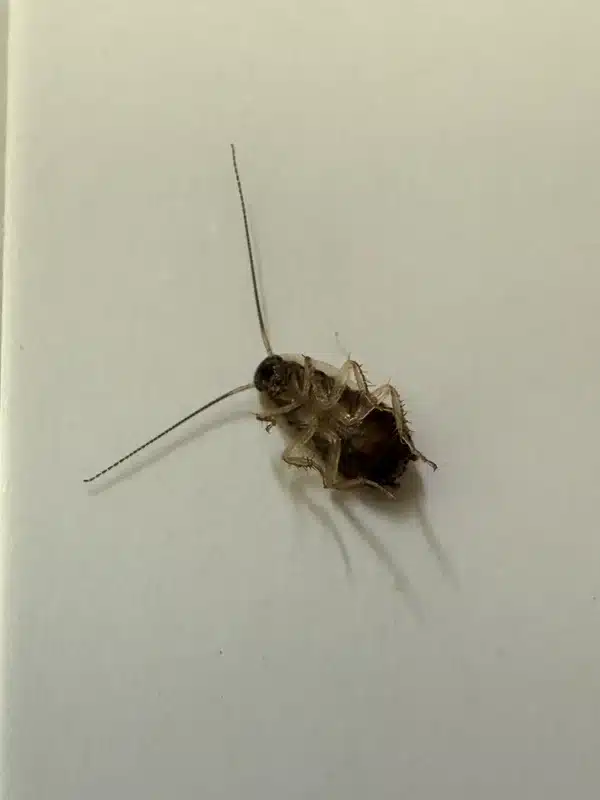
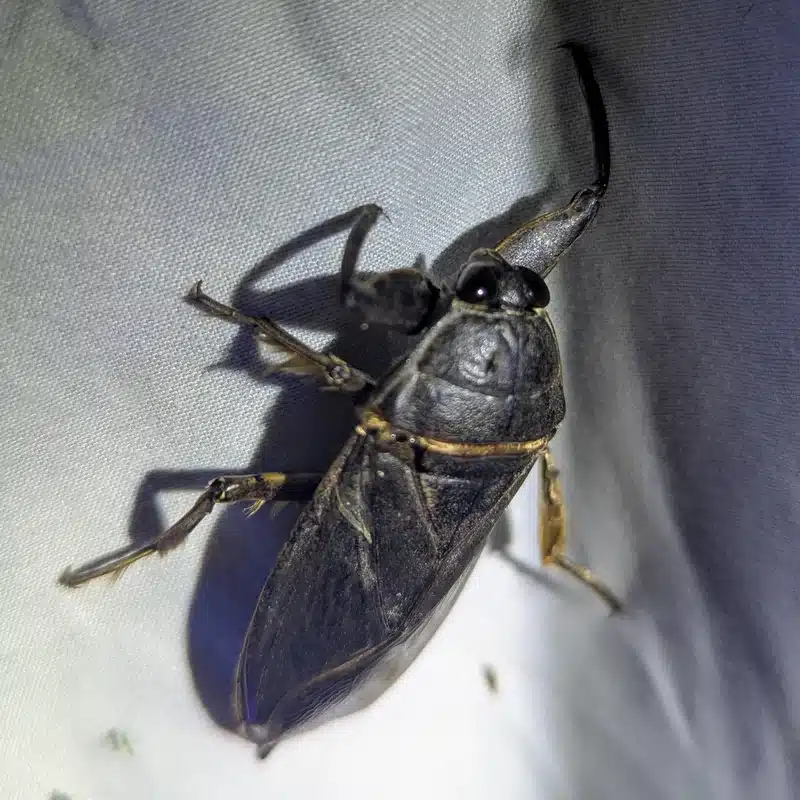
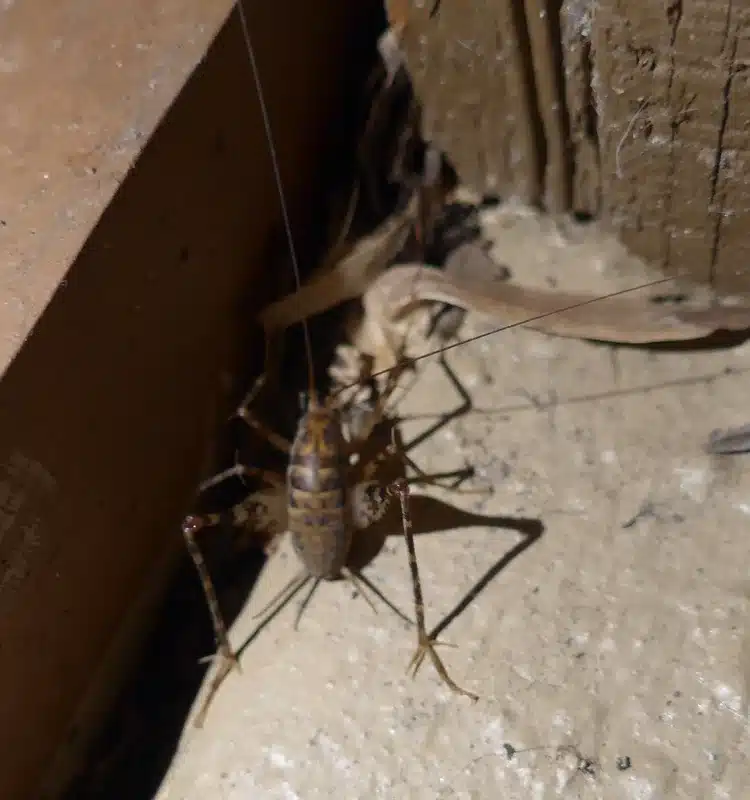

Notice the flat body shape and long antennae on the cockroach. Those are the two features that set true cockroaches apart from every look-alike on this list. If the bug you found is small and wingless, our guide to what baby roaches look like covers cockroach nymphs.
The “Water Bug” Name Problem
Many people call Oriental and American cockroaches “water bugs” because they prefer damp spots like basements. This creates real confusion.
Oriental cockroaches are true cockroaches, not water bugs. They’re large, glossy, and very dark brown or black. They love moisture and often come in through floor drains or basement windows. True water bugs are the giant aquatic insects described above that only end up indoors by accident. That difference matters: one is a random visitor, while the other can build a serious colony in your home.
According to Virginia Tech Extension, cockroaches go through incomplete metamorphosis: egg to nymph to adult with no pupal stage. That means young cockroaches look like smaller versions of the adults. Beetles go through complete metamorphosis with a larval and pupal stage, so their young look nothing like the adults you might confuse with roaches.
How to ID a Bug Step by Step
When you spot something suspicious, follow these steps for a quick ID.
Step 1: Check the Antennae
This is the fastest clue. Cockroaches and crickets have very long antennae (as long as their body or longer). Beetles have short antennae. Water bugs have short antennae tucked under their head.
Step 2: Look at Body Shape
Cockroaches are noticeably flat, like they’ve been pressed from the top. Beetles are domed with hard shells. Crickets are rounded with a humped back. Water bugs are large and boat-shaped.
Step 3: Watch How It Moves
Cockroaches scurry fast in straight lines then stop suddenly. Crickets hop. Beetles run steadily. Earwigs walk at a moderate pace. Movement style is a reliable clue even in dim light.
Step 4: Look for Special Features
Check for earwig pincers at the rear, water bug grabbing legs at the front, beetle wing covers meeting in a straight line, or cricket jumping legs that are much bigger than the front ones.
Step 5: Note Where You Found It
Cockroaches prefer warm, moist areas like kitchens and bathrooms. Ground beetles usually show up near doors and windows. Crickets and camel crickets gather in damp basements. Water bugs are random visitors drawn to lights.
Signs of a Real Cockroach Problem
Sometimes you need more than a visual ID. Real cockroach problems leave signs that look-alikes never produce.
- Droppings: Pepper-like specks along cabinet edges and baseboards
- Smear marks: Dark streaks on walls near hiding spots
- Musty odor: A distinctive smell, especially with American and Oriental roaches
- Egg cases: Brown, purse-shaped capsules (oothecae) in hidden areas
- Daytime sightings: Seeing multiple roaches during the day means a large population
Homeowners who see one beetle or cricket rarely find these extra signs. With true cockroaches, the evidence piles up fast.
How Cockroaches Breed in Kitchen Spaces
Knowing how fast roaches breed helps explain why kitchen problems can get out of hand so quickly.
German cockroaches breed the fastest. The female carries her egg case until just before the eggs hatch, then drops it in a warm, damp spot. Each case holds 30-40 eggs. According to Virginia Tech, the eggs hatch in about a month and the nymphs reach adulthood in 40 to 125 days, which adds up to three or four generations a year.
Kitchen conditions make this worse. Temps of 85-90 degrees behind fridges and dishwashers, plus easy access to crumbs and water leaks, let them breed fast. I’ve seen groups go from a handful to hundreds in just two months.
Why Kitchens Are Perfect for Roach Breeding
Kitchens offer everything cockroaches need to multiply:
- Steady warmth from appliances speeds up growth
- High humidity from cooking and cleaning helps eggs survive
- Food sources like grease films and crumbs
- Water access from sink traps and fridge drip pans
- Hiding spots in cabinet gaps and behind appliances
Prevention Tips for Kitchen Pests
Stopping problems before they start is always easier than dealing with a full infestation.
Get Rid of Food Sources
The most important step is removing what draws pests to your kitchen. Cockroaches can live on very little. Even the grease film behind your stove can feed a small group.
Clean up food spills right away, especially near appliances. Wipe down counters with degreasing cleaners, and don’t forget areas like toaster crumb trays and the space under your fridge.
Control Moisture
Water matters more than food for most kitchen pests. Cockroaches can survive much longer without food than without water.
University of Florida IFAS research found that German cockroaches die within 12 days without water but can survive 42 days with only water present. This shows why fixing leaks matters more than just cleaning up crumbs.
Fix any plumbing leaks, especially under sinks and around dishwashers. Wipe down wet surfaces after cooking, and consider using a dehumidifier in basements that connect to your kitchen.
Seal Entry Points
Keeping outdoor species and look-alikes from getting inside is a big part of prevention. Gaps as small as 1/16 inch are enough for a German cockroach nymph to squeeze through.
Use silicone caulk around pipe holes, install door sweeps, and fix damaged window screens. Pay special attention to spots where wires and pipes enter your home.
- Deep Clean Often: Wipe surfaces with degreasing cleaners, clean crumb trays weekly, and vacuum under appliances monthly
- Fix Water Issues: Repair leaky faucets right away, keep dishwasher drainage clear, and keep basement humidity below 60%
- Seal Entry Points: Caulk gaps around pipes, install door sweeps, and fix window screens
- Monitor Activity: Place sticky traps under sinks and behind fridges, check monthly for pest signs
- Professional Inspection: Schedule yearly inspections to catch problems early
These simple steps go a long way toward keeping kitchen pests out for good.
Professional Treatment Methods
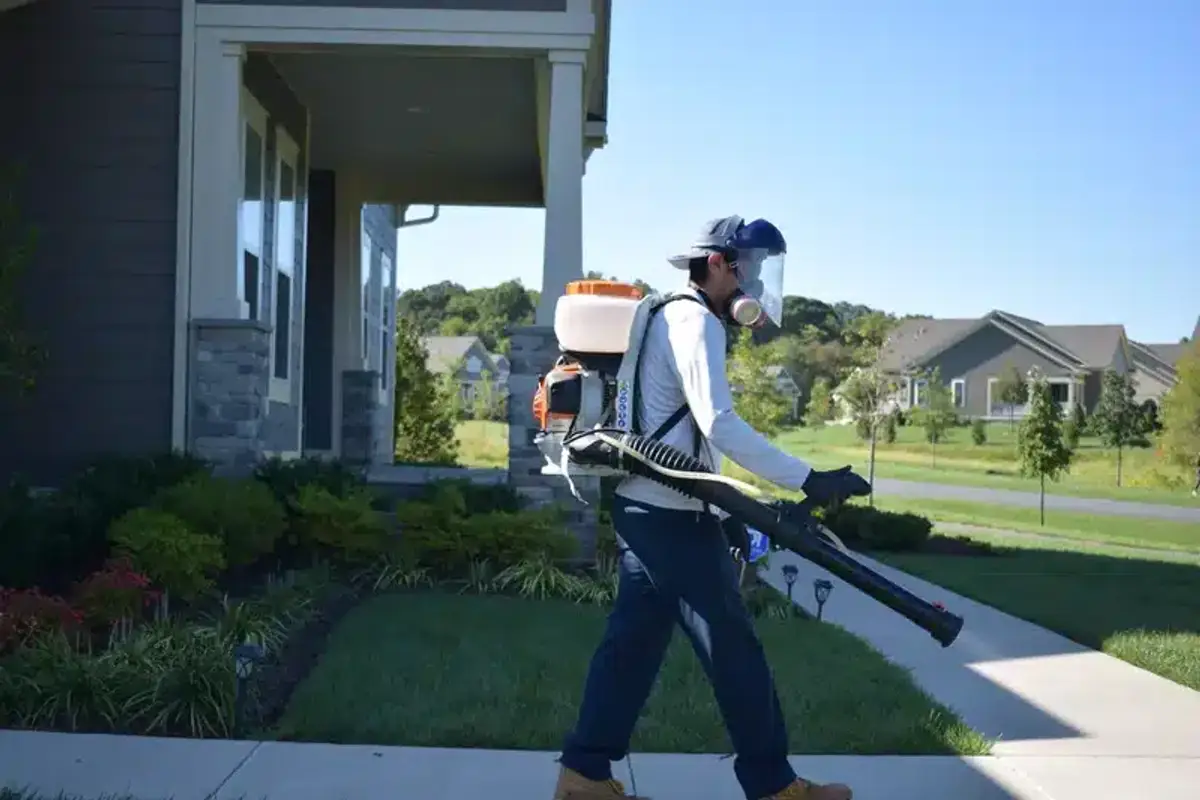
When prevention isn’t enough, professional treatment is the next step. Our approach changes based on whether we’re dealing with true cockroaches or look-alike insects.
German Cockroach Treatment
For German roaches, we use a multi-step approach that targets how they breed. The customer needs to clear out cabinets and pull items away from walls so we can reach cracks and gaps where roaches hide.
We apply products in tight spaces like behind outlet covers, along cabinet hinges, and around appliance motors. Bait stations go in busy areas. We also place traps to track how the population changes.
This process usually takes several months because we’re dealing with multiple generations. Early detection of nymphs is key to knowing if treatment is working.
Large Cockroach Control
For American and Oriental cockroaches, treatment focuses more on sealing entry points and perimeter work. We inspect basements, crawl spaces, and other damp areas where these species breed.
Treatment means applying long-lasting products around entry points and fixing moisture issues. These species don’t breed as fast indoors, so results come faster than with German roaches.
When to Call a Professional
Some problems need professional help. Here are clear signs that DIY won’t work.
Call a pro if you see several bugs, find shed skins or egg cases, or notice a musty odor in your kitchen. These signs usually mean a larger group that needs real treatment.
Correct ID matters too. I’ve had customers spend months treating for the wrong pest. A quick pro inspection, like the ones our Silver Spring pest control team runs, can save you time and money by pointing you in the right direction.
Health Risks
Cockroaches pose real health concerns that make professional treatment worthwhile. The EPA lists cockroach allergens as major asthma triggers, especially for children.
Our team uses treatment methods that address both live pests and the allergens they produce. We’ve removed 9 of the harshest chemicals commonly used in our industry, choosing products that work well while being more suited for indoor spaces.
Seasonal Patterns in the DC Metro Area
Living and working in the DC metro area, I’ve noticed clear seasonal patterns with kitchen pests and their look-alikes. Knowing these patterns helps homeowners stay ahead of problems.
During humid summer months, American and Oriental cockroaches are most active outdoors. American cockroach complaints spike from July through September, when heavy rains push them through sewer overflows and basement drains into homes. This is when I get the most calls about large “waterbugs” in kitchens.
Spring brings a different challenge with wood roaches. Males fly toward porch lights in May and June in wooded parts of Fairfax, Montgomery, and Loudoun counties, and they often get inside on firewood. Unlike true pest species, wood roaches don’t breed indoors and usually just need entry points sealed.
Camel crickets explode in older DC row houses where damp foundations pull moisture into basements. I’ve seen homeowners panic over dozens of these harmless bugs, thinking they had a massive roach problem.
Winter actually makes German cockroach problems worse because heating creates ideal conditions for breeding. German roaches dominate apartments and heated row houses, which stay at perfect temperatures year-round and allow nonstop breeding.

Long-Term Management
Lasting control of kitchen pests takes ongoing effort, not just a single application.
Regular monitoring is important. I suggest placing sticky traps in key spots like under sinks, behind fridges, and along cabinet bases. Check these monthly and note what you find. This helps you catch new problems early and track how well your prevention is working.
Most treatment products lose their strength within a few months, especially in humid kitchen spaces. Regular follow-up visits keep protective barriers in place around entry points.
Seasonal changes also help. Switch to yellow “bug lights” during spring to reduce wood roach and ground beetle attraction. Increase airflow during summer to lower humidity levels that help roaches breed.
Whether you’re dealing with true cockroaches or look-alike kitchen bugs, getting the right ID and treatment matters for protecting your family’s health. Our team has the experience to figure out exactly what you have and put an effective plan in place.
Don’t let pest problems get worse. Early action is always more effective and less costly. Call us at 703-683-2000 or email info@bettertermite.com for a professional assessment.