
Knowing the difference between carpenter ants and termites can save you thousands in repair costs. Both pests damage wood, but they act very differently and need completely different treatment.
Over the years, I’ve helped more than 100 customers with termite issues and many others with carpenter ants. Most people first spot carpenter ants in the kitchen or bathroom during spring. Termite damage often goes unnoticed until it’s severe.
During my training in Alexandria, I saw a case that showed how much proper identification matters. A small cosmetic issue turned out to be hiding major damage.
- First sign: A small bulge in a window sill
- What we found: Termites had eaten right up to the paint layer
- Deeper look: Mud tunnels running up interior walls in the crawl space
- How bad it was: Years of hidden structural damage, not visible from outside
This is why knowing the difference between carpenter ants and termites is so important.
Correct identification saves time, money, and stress. The wrong treatment can waste weeks while damage keeps growing.
Key Physical Differences
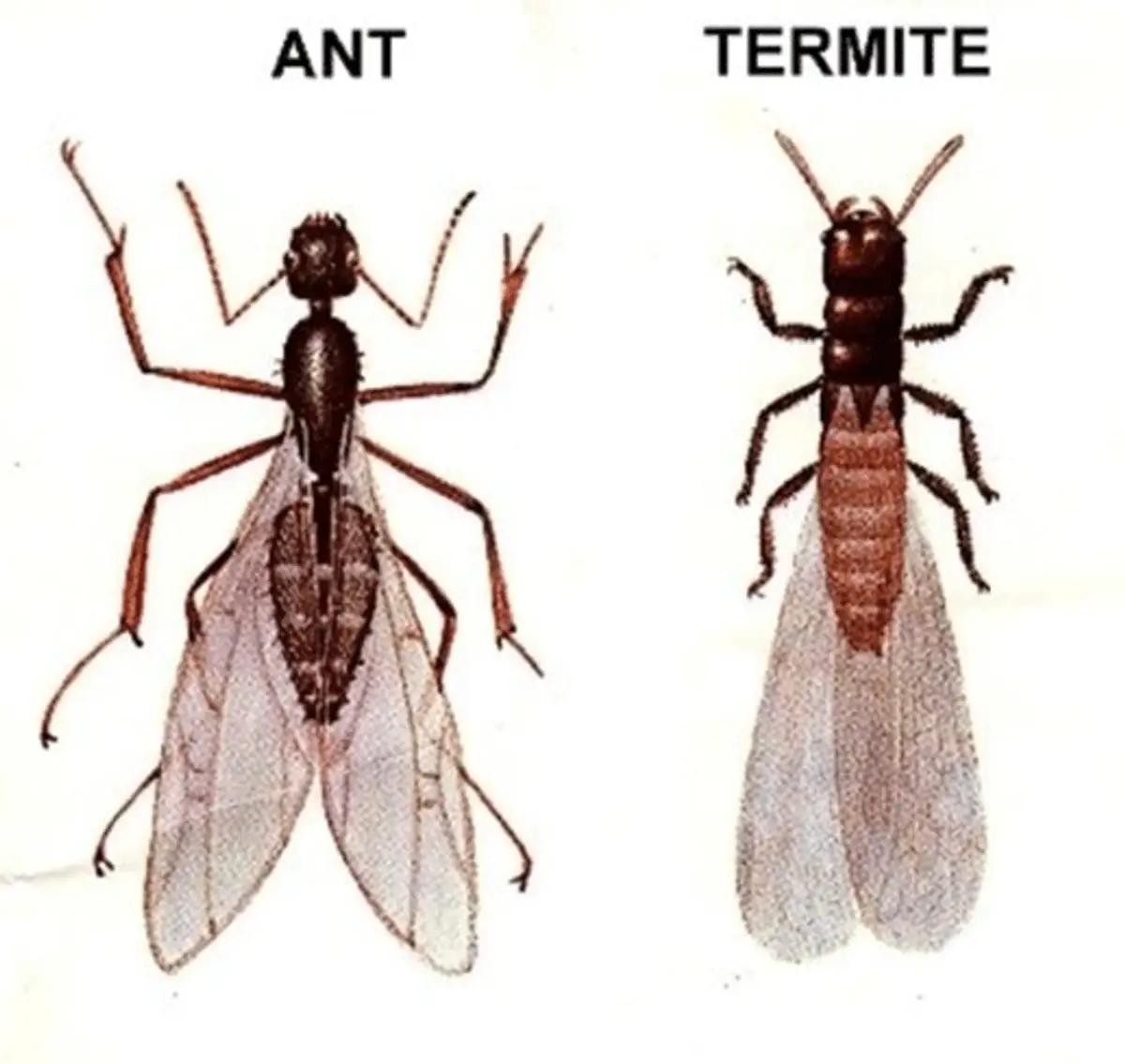
The easiest way to tell carpenter ants from termites is by looking at three body features you can spot with your own eyes.
Body Shape and Waist
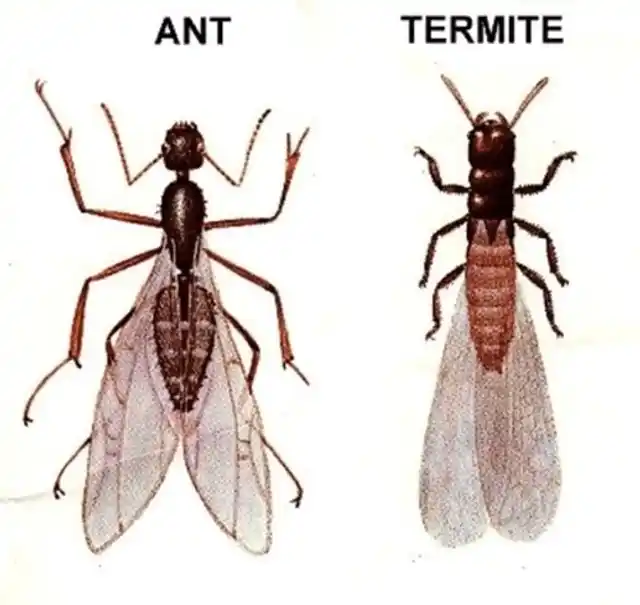
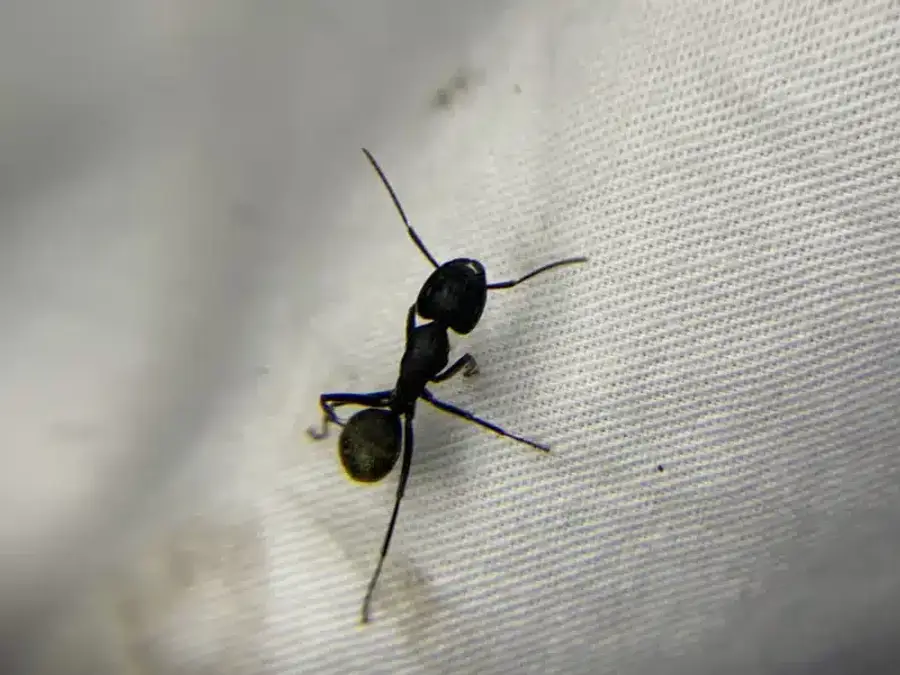
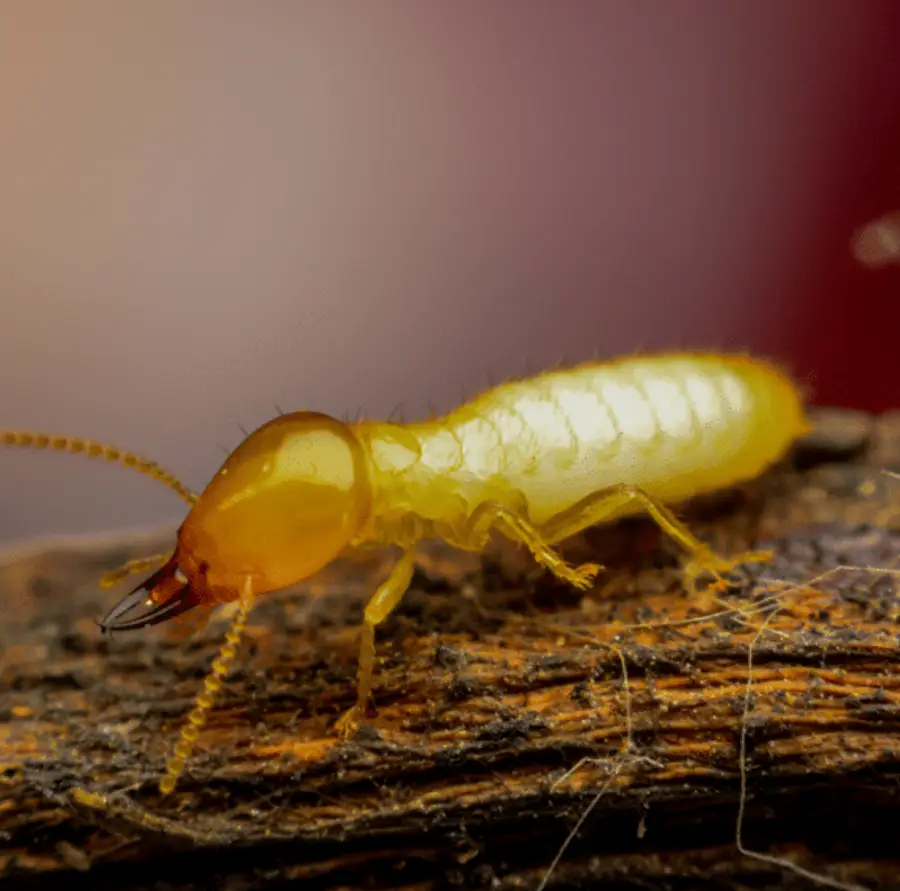
Carpenter ants have a clear pinched waist that creates an hourglass shape. Termites have a straight, tube-shaped body with no waist. This difference is easy to see.
Antennae
Carpenter ants have bent antennae that angle like a hockey stick. Termites have straight antennae that look like tiny beads on a string.
Wing Differences in Swarmers
When comparing flying carpenter ants vs termite swarmers, wings are the best clue. Carpenter ant swarmers have different-sized wings, with the front pair longer than the back.
Termite swarmers have four equal-length wings that all extend well past their body. According to the University of Maryland Extension, wing size is the most reliable way to tell these two apart during swarm season.
- Body Shape: Carpenter ants have a pinched waist; termites have straight bodies
- Antennae: Carpenter ants have bent antennae; termites have straight antennae
- Wings (swarmers): Carpenter ants have different-sized wings; termites have four equal wings
- Evidence: Carpenter ants leave sawdust; termites create mud tubes
Use this checklist when you spot insects or damage around your home. If you’re still not sure, a professional can tell you in minutes.
Wood Damage Patterns
How carpenter ants and termites interact with wood is very different. This changes both the damage you’ll see and the treatment you’ll need.
Carpenter Ant Damage
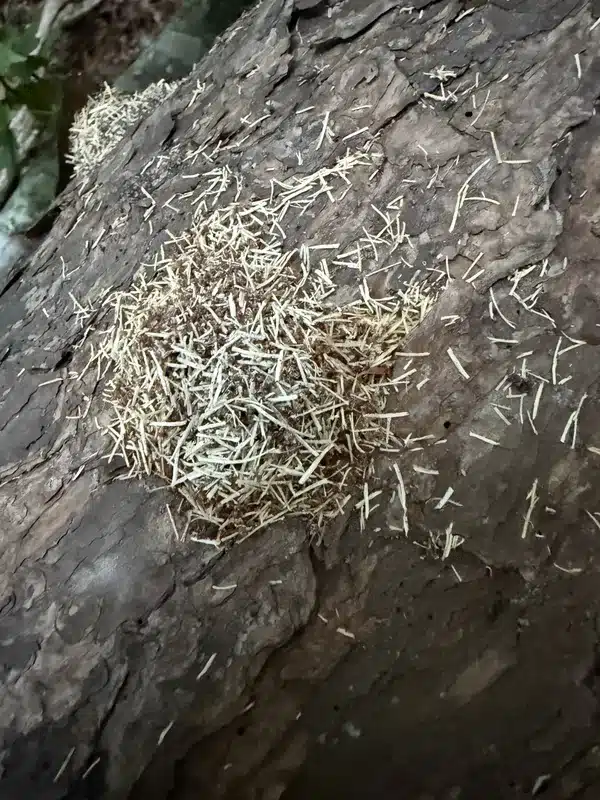
Carpenter ants don’t eat wood. They dig tunnels to create nesting space. Their galleries have smooth, sanded-looking walls that run both across and with the wood grain. The tunnels stay clean and free of soil.
The main sign of carpenter ant activity is coarse sawdust called frass that piles up near small holes in the wood. This frass often has bits of insect parts and looks like pencil shavings.

Termite Damage
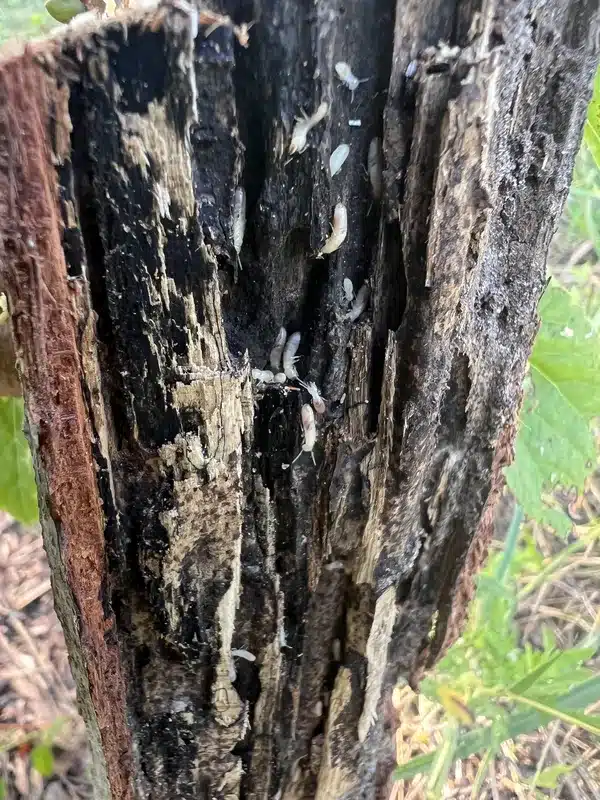
Termites actually eat the cellulose in wood, following the grain as they feed. Their tunnels look rough and are lined with soil and waste material to keep humidity high.
According to University of Florida research, mature subterranean termite colonies can hold 20,000 to over 5 million workers. This huge colony size explains why termites can cause such heavy damage in a short time. Termites eat cellulose 24 hours a day, 365 days a year.
Warning Signs to Watch For
Catching these pests early makes a big difference. Here’s what to look for.
Signs of Carpenter Ants
Carpenter ants are active at night and follow set trails. You might see them on utility lines or tree branches touching your house, especially in spring. In bad cases, you can hear rustling or chewing sounds inside walls.
Most people first notice carpenter ants in kitchens and bathrooms where there’s more moisture. These areas give carpenter ants the damp conditions they need for nesting.
Signs of Termites
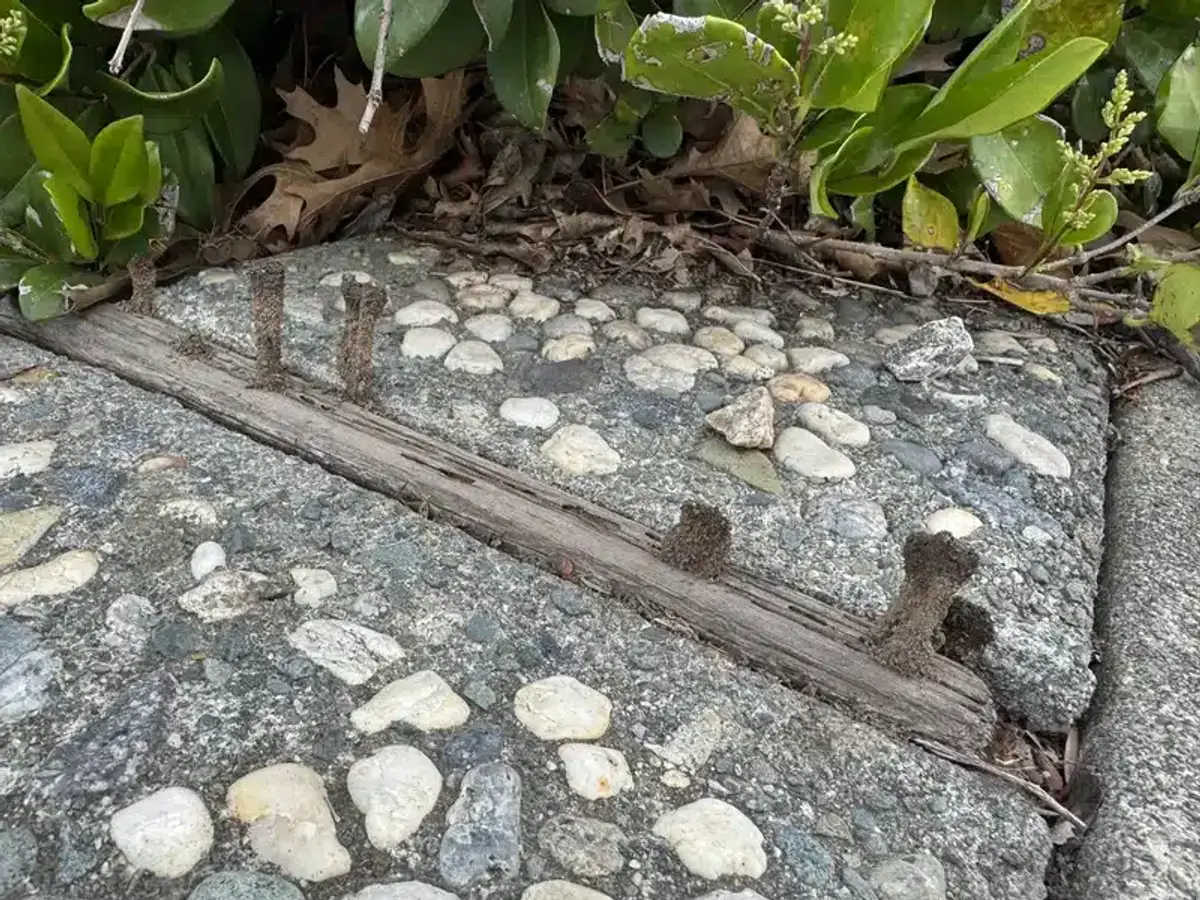
Mud tubes are the clearest sign of termites. These pencil-width tunnels appear on foundation walls, floor joists, or anywhere termites need to cross open space to reach wood.
Other signs include peeling paint, wood that sounds hollow when tapped, and piles of equal-length wings found indoors after swarm season.
Swarming Patterns
Both pests produce winged swarmers, but the timing differs in our Mid-Atlantic region.
Carpenter Ant Swarms
Carpenter ant swarmers come out during late spring through early summer on warm, humid evenings. According to Missouri Extension research, these swarmers often overwinter and emerge the next spring.
Termite Swarms
In Virginia and Maryland, termite swarms usually happen February through May, often around cherry blossom season in DC. Warm days followed by rain typically trigger swarming. The newer subdivisions out in western Prince William County are a good example of the timing, which is why we walk through swarm season on our page about termite treatment in Gainesville.
After termite swarms, you’ll find piles of equal-length wings near windowsills and door frames. Carpenter ant swarmers keep their wings longer and don’t leave such obvious wing piles.
Treatment Approaches
Treatment for carpenter ants and termites is completely different because of how each pest behaves.
Carpenter Ant Control
Getting rid of carpenter ants means finding and treating both the main nest and any satellite colonies. The focus is on targeted treatments, not broad spraying.
Key steps include:
- Fix moisture problems that created the conditions
- Treat the nest directly with dust or gel baits
- Remove damaged wood when needed
- Trim branches that give ants a path to your home
Our technicians use products that ants unknowingly spread through their colony. Broadcast spraying actually hurts carpenter ant control because it stops ants from taking bait back to the nest.
Termite Treatment Options
Termite control almost always needs a professional. The tools, products, and methods go beyond what most homeowners can handle. The Purdue Extension outlines two main approaches:
Liquid soil treatments create a chemical barrier around your foundation. This gives fast results and long-term protection but needs trenching and sometimes drilling through concrete.
Bait systems like Sentricon use less pesticide but target the whole colony. They need regular check-ups and usually cost more per year than liquid treatments.
Treatment Comparison
| Liquid Treatments | Bait Systems | |
|---|---|---|
| How It Works | Trenching and drilling | Station placement |
| Speed | Fast results | Slower, gradual |
| Monitoring | Yearly inspections | Regular check-ups |
| Best For | Fast protection | Long-term colony removal |
Prevention
Both pests are drawn to moisture. Controlling moisture is the base of any prevention plan.
Carpenter Ant Prevention
Focus on removing moisture and access points:
- Fix roof, plumbing, and gutter leaks right away
- Replace water-damaged wood with treated lumber
- Keep firewood at least 20 feet from your home
- Trim tree branches that touch the house
- Seal gaps around pipes and wires
Termite Prevention
The EPA recommends keeping a 6-inch gap between soil and wood siding. Other steps include:
- Grade soil so it slopes away from the foundation
- Point AC drains and downspouts away from the house
- Avoid wood-to-soil contact with deck posts and fencing
- Schedule yearly professional inspections
Cost Differences
Carpenter Ant Costs
Carpenter ant treatments are usually smaller in scope. The nests are local, and no structural warranty is needed. This keeps costs well below termite treatment. Most services include an initial treatment plus follow-up visits. The NC State Extension notes that carpenter ants cause “lesser” structural damage compared to termites.
Termite Treatment Costs
Termite work takes more labor: trenching, drilling, and long-term monitoring. Liquid treatments often include multi-year warranties. Bait programs need 1 to 4 visits per year with renewal fees.
Termites cause over $5 billion in damage yearly in the US. The average repair cost runs $1,000 to $2,000, plus $3,300 in structural damage. Professional treatment is a smart investment compared to those repair bills.
DMV Area Challenges
Our Mid-Atlantic region brings unique issues for both pests. Areas like McLean have moisture-holding soil and older homes that raise termite risk, which is why our termite treatment in McLean usually starts by tracing where water sits against the foundation. Frequent rain and shaded yards also fuel carpenter ant problems.
Newer areas like Brambleton see pests driven indoors during construction and temperature changes. Older communities in Fairfax and Reston deal with year-round pressure from mature landscaping.
When to Call a Professional
Some carpenter ant issues can be handled with DIY baits if you find the nest. But professional help is needed when:
- Multiple satellite colonies are suspected
- Structural damage is visible
- DIY treatments haven’t worked after 30 days
- You can’t find the main nest
For termites, call a professional right away. Early detection saves money and protects your home’s structure. Our 78-point inspection — available for termite control in Accokeek and throughout our service area — can catch problems before they become expensive.
Whether you’re seeing sawdust piles from carpenter ants or mud tubes from termites, correct identification leads to effective treatment. Call us at 703-683-2000 or email info@bettertermite.com for expert help.