Rodents
Rodentia (Order)
Mice and rats are common household pests. They ruin food, spread germs, chew through wires, and breed fast. If you spot signs of rodents, getting help quickly is key.
Rodent Identification Guide
Physical Characteristics
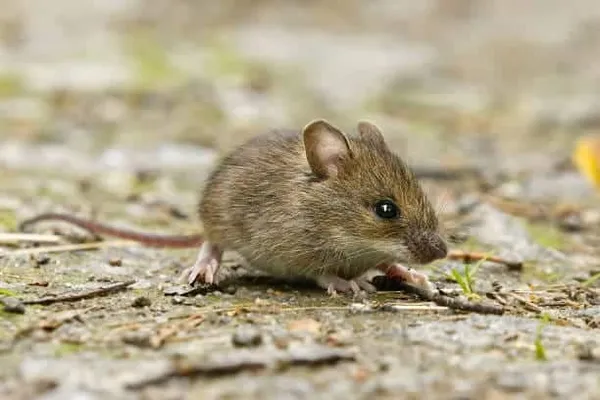
Rodents are mammals with large front teeth that never stop growing. This is why they gnaw on things all the time. Mice are small. They are about 2 to 4 inches long with big ears and thin tails. Rats are much larger. They can reach 7 to 10 inches in body length. Rats have thicker tails and smaller ears for their size.
Common Species
-
House Mice: Small, grayish brown rodents with large ears and pointed snouts. They are the most common indoor rodent pest.
-
Norway Rats: Large, brown rats that dig burrows near foundations. They often enter through basements. Some people call them sewer rats.
-
Roof Rats: Slender, dark colored rats that are great climbers. They often enter through upper floors and rooflines.
-
Eastern Gray Squirrels: Common tree squirrels that can nest in attics and chew on wiring.
-
Meadow Voles: Small, stocky rodents that damage lawns and gardens with surface runway systems.
Rodent Behavior and Biology
Rodents are active at night. They prefer to travel along walls and edges. They fear new things, which can make trapping harder. Mice are curious and quick to check out new objects. Rats are more careful. They take longer to approach traps. Both can breed all year indoors, which is why our Annandale rodent control team treats fall infestations as urgent rather than seasonal. They will gnaw through almost anything. This includes wood, plastic, and even concrete. For a detailed comparison of these two common pests, see our guide on mice vs rats differences.
How We Treat for Rodents
We use a simple approach that combines removal with prevention.
Initial Treatment: We start with a full inspection. We find entry points, nesting areas, and travel routes. Then we set up traps in key spots and track activity. For heavy outdoor problems, we may use bait stations.
Exclusion: We seal entry points with materials that rodents cannot chew through. This includes steel wool, hardware cloth, and sealants. This step is the most important. Without it, new rodents will just take the place of those we remove.
Ongoing Monitoring: We return for follow up visits to check traps and look at activity levels. We make sure exclusion work holds up. Our maintenance plans give you protection all year.
Health Risks
Rodents can spread diseases. They pass germs through their droppings, urine, and saliva. Their gnawing on wires can also cause fire hazards. Other species like deer mice and white-footed mice carry hantavirus and Lyme disease bacteria. Pack rats can damage vehicles and structures, while pocket gophers destroy lawns and gardens from underground. For practical steps to keep rodents out, read our ultimate guide to mice and rat prevention. If you think you have been exposed to illness from rodents, please talk to a doctor for medical advice.
References
Types of Rodents
Click on any species below to learn more about identification, behavior, and control methods.
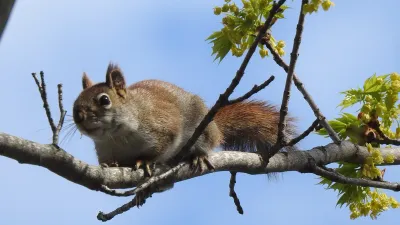
American Red Squirrel
Tamiasciurus hudsonicus
The American red squirrel is a small, territorial tree squirrel known for its reddish fur and vocal nature. While they primarily inhabit coniferous forests, they can become nuisance animals when they enter attics, damage siding, or raid bird feeders.
View identification guide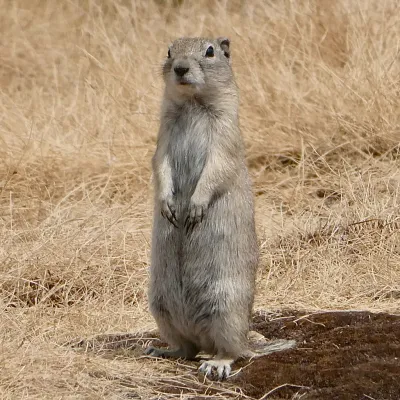
Belding's Ground Squirrel
Urocitellus beldingi
Belding's ground squirrels are medium-sized burrowing rodents native to the mountain meadows of the western United States. Known locally as pot guts or sage rats, they can damage agricultural land and landscapes through extensive burrowing and crop feeding.
View identification guide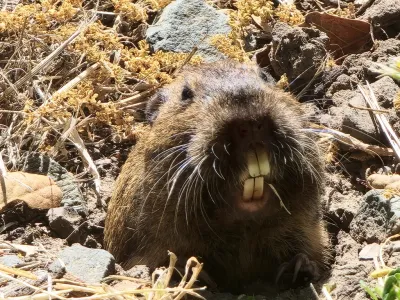
Botta's Pocket Gopher
Thomomys bottae
Botta's pocket gopher is the most widespread pocket gopher species in North America. Also known as the valley pocket gopher, this medium-sized burrowing rodent creates extensive tunnel systems that can damage lawns, gardens, and agricultural land throughout western North America.
View identification guide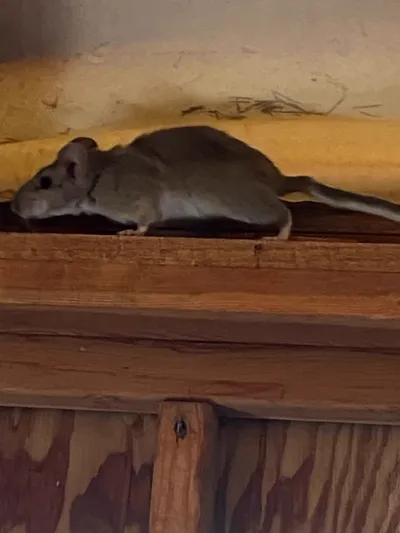
Bushy-Tailed Woodrat
Neotoma cinerea
The bushy-tailed woodrat, also known as the packrat, is a large rodent native to western North America. Known for their distinctive squirrel-like tails and habit of collecting objects, these rodents can become problematic when they invade cabins, sheds, and vehicles.
View identification guide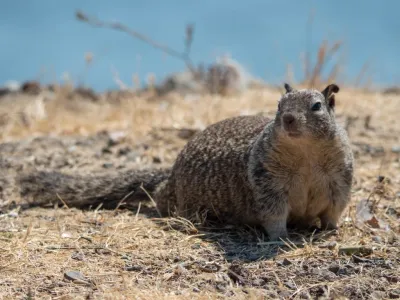
California Ground Squirrel
Otospermophilus beecheyi
California ground squirrels are medium-sized burrowing rodents found throughout the western United States. Their extensive digging can damage landscapes, foundations, and agricultural areas, and they are known carriers of diseases including plague.
View identification guide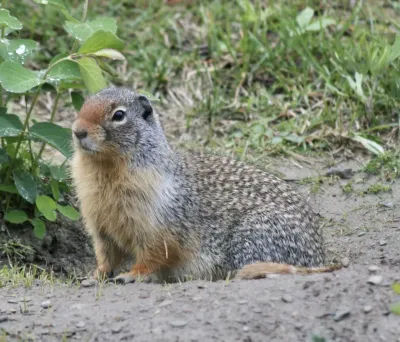
Columbian Ground Squirrel
Urocitellus columbianus
Columbian ground squirrels are large, burrowing rodents found in the mountainous regions of the Pacific Northwest and northern Rocky Mountains. Their extensive burrow systems can damage pastures, agricultural land, and landscaped areas.
View identification guide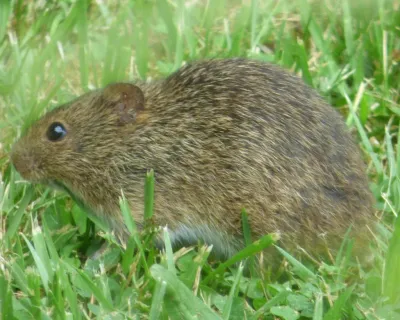
Cotton Rat
Sigmodon hispidus
Cotton rats are medium-sized rodents with coarse, grizzled fur found throughout the southern United States and into Central America. They are known for damaging crops and can carry diseases including hantavirus.
View identification guide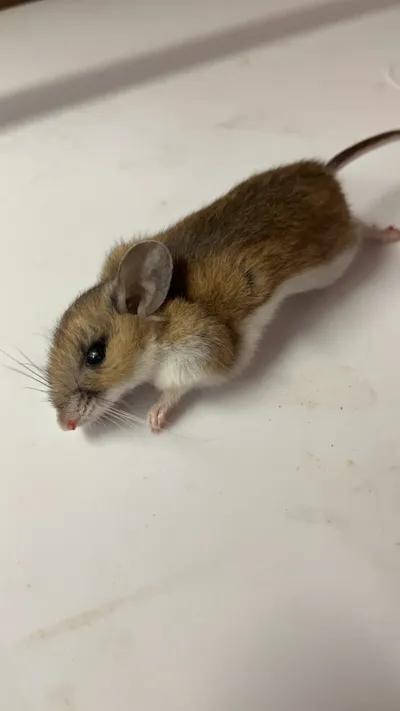
Deer Mouse
Peromyscus maniculatus
Deer mice are small, native North American rodents known for their bicolored fur and white underbellies. While they typically live outdoors in fields and forests, they frequently enter homes seeking warmth during fall and winter, posing health concerns as carriers of hantavirus.
View identification guide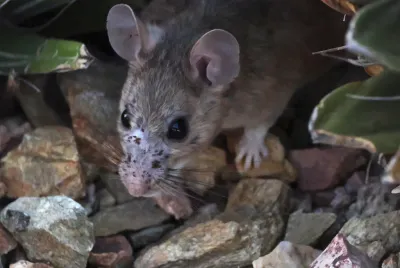
Desert Woodrats
Neotoma lepida
Desert woodrats are small to medium-sized rodents native to the arid regions of western North America. Known for building elaborate stick nests called middens, they can become problematic when they move into homes, sheds, or vehicles.
View identification guide
Dusky-Footed Woodrat
Neotoma fuscipes
The dusky-footed woodrat is a medium-sized rodent native to the Pacific coast of North America. Known for building elaborate stick houses and placing California bay leaves in their nests to control parasites, these woodrats can cause property damage when they invade structures or vehicles.
View identification guide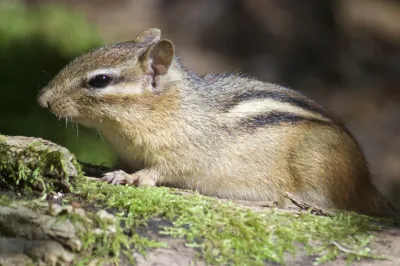
Eastern Chipmunk
Tamias striatus
The Eastern Chipmunk is a small, striped rodent commonly found throughout eastern North America. While often considered charming backyard visitors, chipmunks can become nuisances when they burrow near foundations or raid gardens and bird feeders.
View identification guide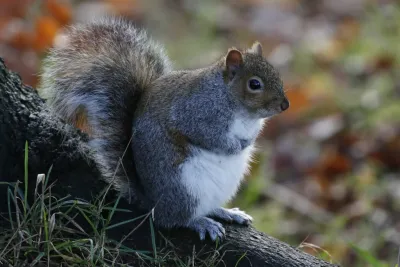
Eastern Gray Squirrel
Sciurus carolinensis
The Eastern Gray Squirrel is one of North America's most common and recognizable wildlife species. While they play important roles in forest ecosystems, they can become nuisance animals when they enter attics, chew on wiring, or raid bird feeders.
View identification guide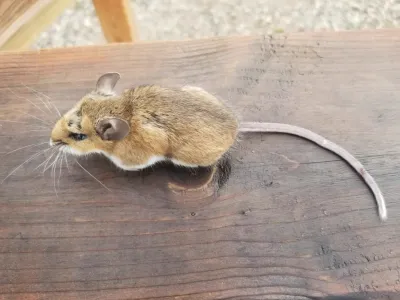
Field Mouse
Peromyscus maniculatus
Field mice, also known as deer mice, are small rodents found throughout North America. Distinguished by their two-toned coloring and large eyes, they are primarily outdoor pests but may enter homes seeking shelter, particularly during colder months.
View identification guide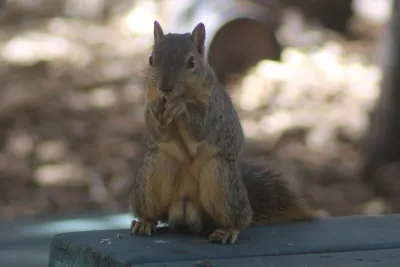
Fox Squirrel
Sciurus niger
The fox squirrel is North America's largest tree squirrel. Its fur color ranges from gray and rust to solid black. These rodents do well in open woods and suburban yards. They can become pests when they nest in buildings or damage property.
View identification guide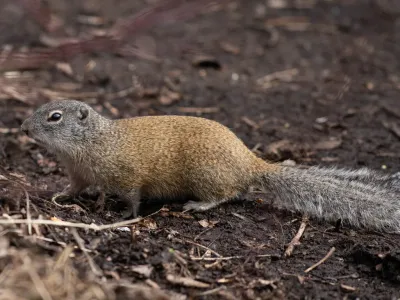
Franklin's Ground Squirrel
Poliocitellus franklinii
Franklin's ground squirrel is a medium-sized burrowing rodent native to the tallgrass prairies of central North America. Named after Arctic explorer Sir John Franklin, this secretive squirrel spends much of its time underground and hibernates for up to eight months each year.
View identification guide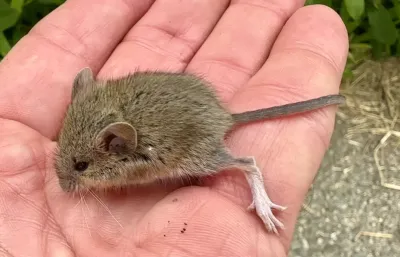
Harvest Mouse
Reithrodontomys spp.
Harvest mice are small, native North American rodents found in grasslands, prairies, and fields across the continent. While rarely home invaders, these tiny mice occasionally enter buildings seeking food or shelter during harsh weather.
View identification guide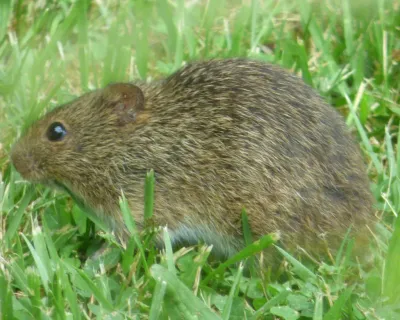
Hispid Cotton Rat
Sigmodon hispidus
The hispid cotton rat is the most widespread cotton rat species in North America. Known for its coarse, bristly fur, it inhabits grassy fields and agricultural areas from the southeastern United States through Mexico and Central America.
View identification guide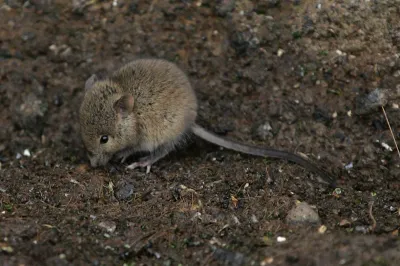
House Mouse
Mus musculus
The house mouse is the most common rodent pest in North America, thriving in close association with humans. These small, adaptable mice can squeeze through gaps as small as a dime and reproduce rapidly, making early detection and professional control essential.
View identification guide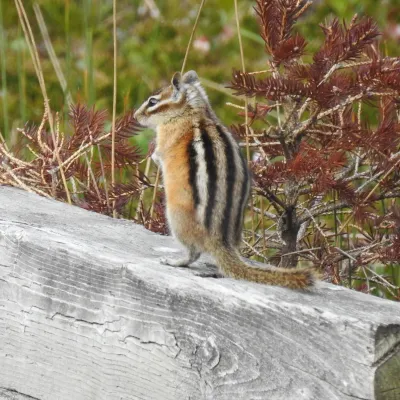
Least Chipmunk
Neotamias minimus
The least chipmunk is the smallest and most widespread chipmunk species in North America. These agile rodents are recognized by their distinctive striped pattern and are commonly found in western states and Canada.
View identification guide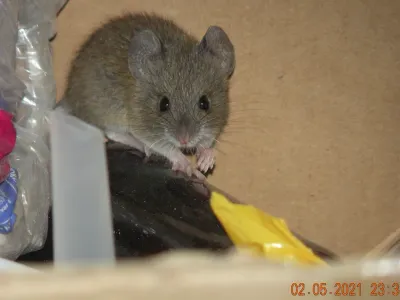
Marsh Rice Rats
Oryzomys palustris
Marsh rice rats are semi-aquatic rodents found in wetlands, salt marshes, and swamps across the southeastern United States. These nocturnal swimmers are a primary host for Bayou virus, a hantavirus that can cause serious illness in humans.
View identification guide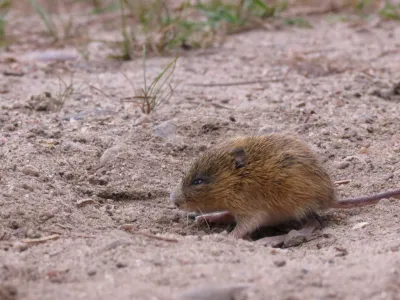
Meadow Jumping Mouse
Zapus hudsonius
The meadow jumping mouse is a distinctive North American rodent known for its exceptionally long hind legs and tail. These small, nocturnal mammals can leap up to three feet when startled and hibernate for six to eight months each year, making them one of the longest-sleeping mammals on the continent.
View identification guide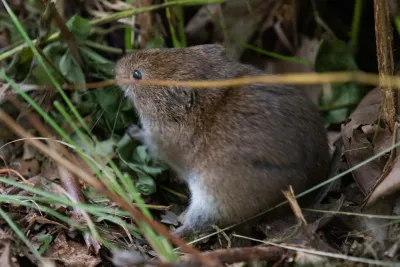
Meadow Vole
Microtus pennsylvanicus
The meadow vole is a small, stocky rodent found throughout North America. Known for their prolific breeding and appetite for grass and garden plants, meadow voles create distinctive runway systems through lawns and can cause significant damage to turf, ornamental plantings, and orchards.
View identification guide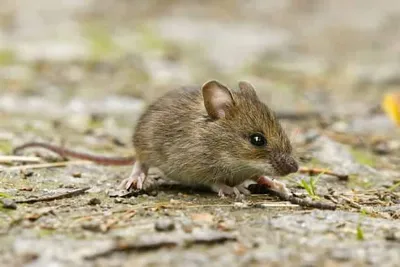
Mice
Mus musculus
House mice are small rodents that commonly invade homes seeking food, water, and shelter. Known for their rapid reproduction and ability to squeeze through tiny gaps, mice can quickly become a serious infestation.
View identification guide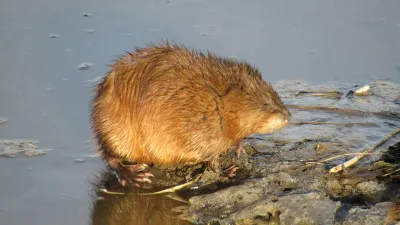
Muskrat
Ondatra zibethicus
Muskrats are semi-aquatic rodents found throughout North America near marshes, ponds, lakes, and streams. While they play important roles in wetland ecosystems, their burrowing can damage dams, levees, and pond banks, making them a concern for property owners near water.
View identification guide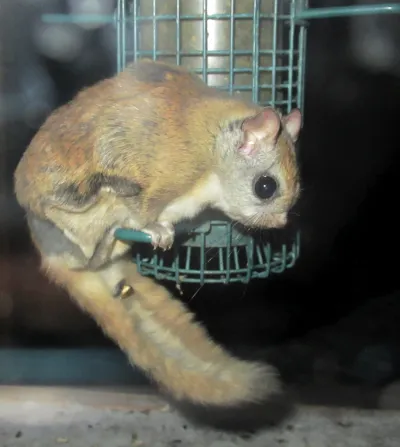
Northern Flying Squirrel
Glaucomys sabrinus
The Northern Flying Squirrel is a nocturnal, gliding mammal native to North American forests. While they rarely enter homes, these small squirrels can occasionally take up residence in attics, causing noise disturbances and potential property damage.
View identification guide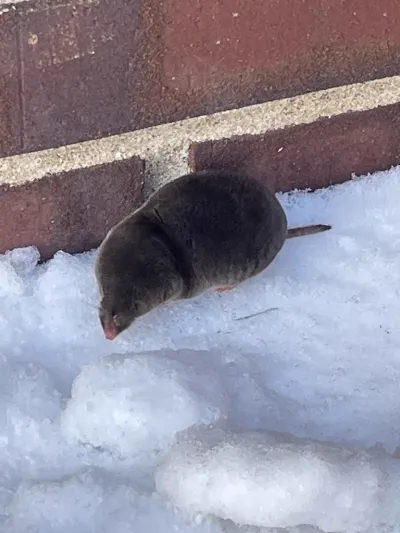
Northern Short-Tailed Shrew
Blarina brevicauda
The Northern Short-Tailed Shrew is one of the few venomous mammals in North America. Often mistaken for mice, these small insectivores are highly active predators that may occasionally enter homes, particularly basements and garages, seeking food or shelter.
View identification guide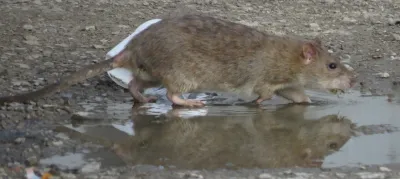
Norway Rat
Rattus norvegicus
The Norway rat is the most common rat species in North America. Also called brown rats or sewer rats, they are excellent swimmers that prefer to burrow near foundations, in basements, and along waterways.
View identification guide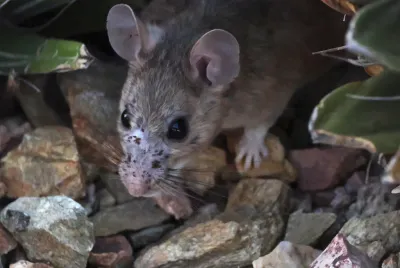
Pack Rats
Neotoma spp.
Pack rats, also called woodrats, are medium-sized rodents known for their habit of collecting objects and building large stick nests called middens. They can cause significant damage when they invade homes, garages, and vehicles.
View identification guide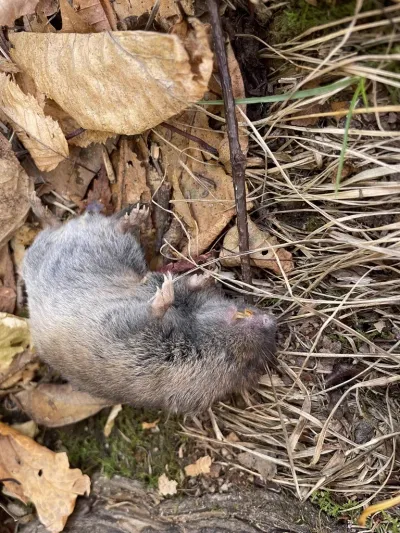
Pine Vole
Microtus pinetorum
The pine vole, also known as the woodland vole, is a small, fossorial rodent found throughout eastern North America. Adapted for underground living, pine voles primarily damage plants from below the soil surface, making them a significant concern for orchards, gardens, and landscaping.
View identification guide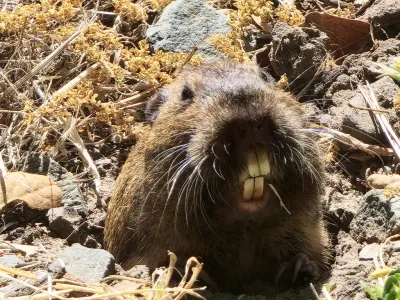
Plains Pocket Gopher
Geomys bursarius
Plains pocket gophers are burrowing rodents that create extensive tunnel systems underground. Known for their distinctive fan-shaped soil mounds, these solitary animals can cause significant damage to lawns, gardens, and agricultural areas across the central United States.
View identification guide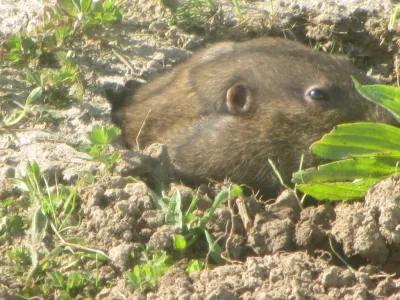
Pocket Gophers
Geomyidae
Pocket gophers are burrowing rodents known for their extensive underground tunnel systems and distinctive fur-lined cheek pouches. These solitary mammals can cause significant damage to lawns, gardens, and agricultural land through their digging activities.
View identification guide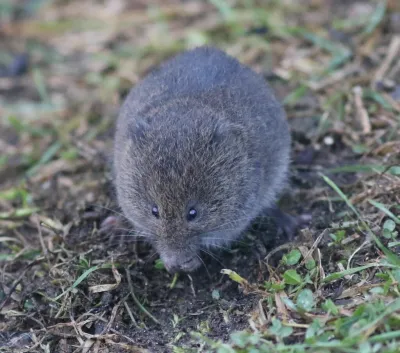
Prairie Vole
Microtus ochrogaster
Prairie voles are small, stocky rodents found throughout the central grasslands of North America. Known for their distinctive yellowish belly and elaborate tunnel systems, these voles can cause significant damage to lawns, gardens, and agricultural fields.
View identification guide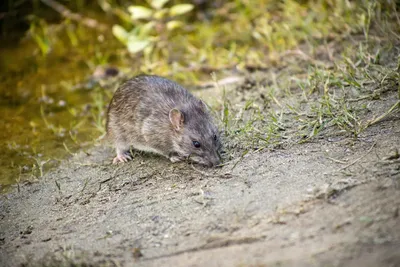
Rats
Rattus norvegicus
Rats are common household pests that can cause significant structural damage and spread disease. The Norway rat is the most prevalent species in the United States, known for burrowing near foundations and invading basements.
View identification guide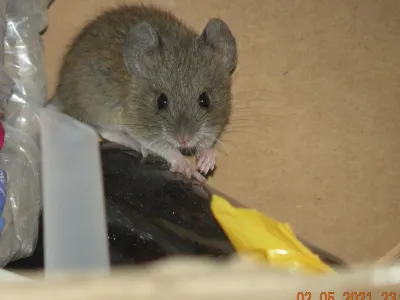
Rice Rats
Oryzomys palustris
Rice rats are semi-aquatic rodents found in wetlands and marshes across the eastern and southern United States. These nocturnal rodents are excellent swimmers and can carry diseases including hantavirus.
View identification guide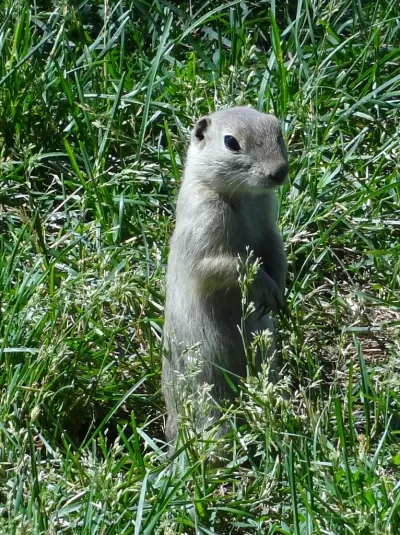
Richardson's Ground Squirrel
Urocitellus richardsonii
Richardson's ground squirrel, also known as the flickertail or dakrat, is a burrowing rodent native to the northern Great Plains. These prairie-dwelling animals can damage lawns, gardens, and agricultural fields with their extensive tunnel systems.
View identification guide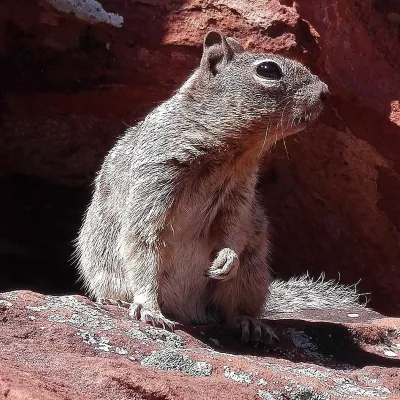
Rock Squirrel
Otospermophilus variegatus
Rock squirrels are large, burrowing ground squirrels found across the southwestern United States and Mexico. They live among rocky outcrops and can damage gardens, orchards, and irrigation systems through their digging and foraging.
View identification guide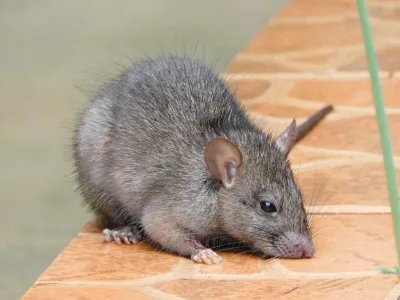
Roof Rat
Rattus rattus
Roof rats are agile climbers that prefer elevated spaces like attics, ceilings, and upper levels of buildings. Also known as black rats or ship rats, they are smaller and sleeker than Norway rats and pose significant health and property risks.
View identification guide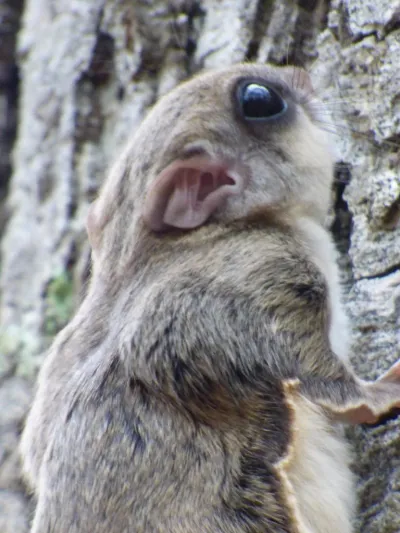
Southern Flying Squirrel
Glaucomys volans
Southern flying squirrels are small rodents that come out at night. They can glide through the air using a skin flap between their legs. While cute in the wild, they can become pests when they get into homes looking for warmth.
View identification guide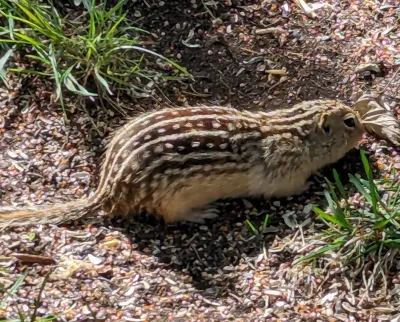
Thirteen-Lined Ground Squirrel
Ictidomys tridecemlineatus
The thirteen-lined ground squirrel is a small striped rodent native to North American grasslands and prairies. Also known as the striped gopher or leopard ground squirrel, these burrowing animals can damage lawns, gardens, and golf courses with their extensive tunnel systems.
View identification guide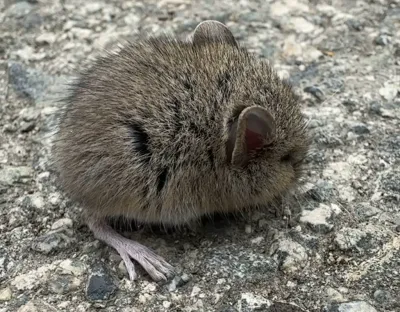
Western Harvest Mouse
Reithrodontomys megalotis
The western harvest mouse is a tiny native rodent found across western and central North America. Rarely a household pest, this grassland specialist occasionally enters buildings during harsh weather and can be distinguished from house mice by its grooved upper incisors and bicolored tail.
View identification guide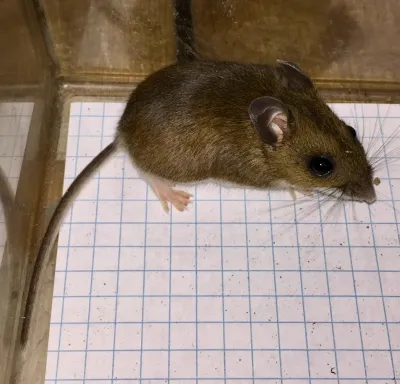
White-Footed Mouse
Peromyscus leucopus
White-footed mice are small, native North American rodents closely related to deer mice. Common in wooded areas and suburban landscapes, they frequently invade homes during fall and winter and are significant carriers of Lyme disease bacteria.
View identification guide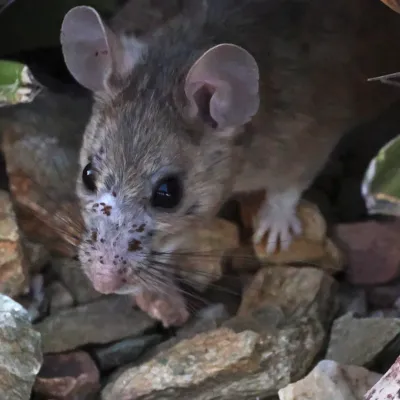
Wood Rats
Neotoma spp.
Wood rats, also known as pack rats or trade rats, are native North American rodents known for building large stick nests and hoarding objects. They differ from common rats by their furry tails, large ears, and gentler temperament.
View identification guide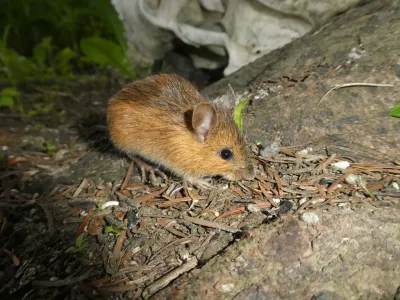
Woodland Jumping Mouse
Napaeozapus insignis
The woodland jumping mouse is a distinctive North American rodent known for its white-tipped tail and remarkable jumping ability. These forest-dwelling mice can leap up to 10 feet when startled and spend up to eight months hibernating each year, making them one of the longest-sleeping mammals in North America.
View identification guide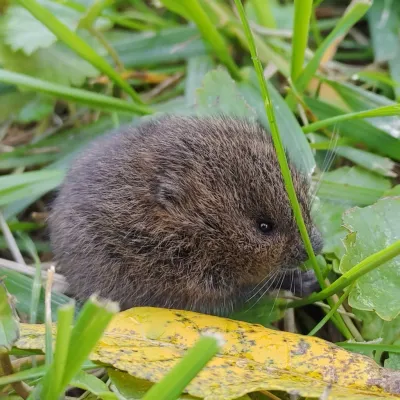
Woodland Vole
Microtus pinetorum
The woodland vole is a small, burrowing rodent found across eastern North America. Also known as the pine vole, this secretive species lives almost entirely underground, feeding on roots and bark that can damage gardens, orchards, and landscape plantings.
View identification guideCommon Questions about Rodents
How do I know if I have mice or rats?
+
Look for droppings, gnaw marks on food or structures, scratching sounds in walls at night, grease marks along baseboards, and nesting materials like shredded paper. Mouse droppings look like grains of rice while rat droppings are larger.
Are rodents dangerous?
+
Yes, rodents pose real health risks. They can spread diseases through their droppings, urine, and saliva. They also gnaw on electrical wiring, which can create fire hazards. They can cause damage to your home's structure too.
How do mice get in my house?
+
Mice can squeeze through gaps as small as a dime. Common entry points include gaps around pipes, utility lines, doors, windows, and foundation cracks. They also enter through garage doors, vents, and roof lines.
Will one mouse turn into an infestation?
+
Most likely, yes. Mice rarely travel alone and can breed fast. Females can have 5 to 10 litters per year with 5 to 6 pups each. By the time you see one mouse, there are usually more hiding nearby.
Do ultrasonic repellers work on rodents?
+
Studies show ultrasonic devices do not work well. Rodents may avoid the sound at first but get used to it quickly. Professional exclusion and trapping are much more reliable.
How long does rodent control take?
+
Trapping usually cuts activity within 1 to 2 weeks. Full removal and exclusion may take 2 to 4 weeks based on how bad the problem is. Ongoing checks help make sure they do not return.
Explore Other Pest Categories
Browse our comprehensive pest library for identification guides and control information.



With five years of hands-on experience in the pest control industry, George Schulz is a registered technician with the Virginia Pest Management Association and a proud third-generation professional in a family business that's been protecting homes for over 58 years.
Find Local Rodent Control Services
We provide professional rodents control throughout Virginia, Maryland, and the DC Metro area.
Local Rodents Help
Dealing with rodents at home? Our licensed technicians provide rodent control across Northern Virginia and Maryland.
 Our serviceRodent ControlMice, rats & exclusion
See Rodent ControlPlans from $49/mo
Our serviceRodent ControlMice, rats & exclusion
See Rodent ControlPlans from $49/moRodent Control near you
- Alexandria Rodent Control
- Annandale Rodent Control
- Arlington Rodent Control
- Ashburn Rodent Control
- Bethesda Rodent Control
- Burke Rodent Control
- Centreville Rodent Control
- Chantilly Rodent Control
- Chevy Chase Rodent Control
- Columbia Rodent Control
- Crofton Rodent Control
- Fairfax Rodent Control
- Fairfax Station Rodent Control
- Falls Church Rodent Control
- Frederick Rodent Control
- Fredericksburg Rodent Control
- Gainesville Rodent Control
- Gaithersburg Rodent Control
- Germantown Rodent Control
- Glen Burnie Rodent Control
- Great Falls Rodent Control
- Herndon Rodent Control
- Hyattsville Rodent Control
- Kensington Rodent Control
- Laurel Rodent Control
- Leesburg Rodent Control
- Lorton Rodent Control
- Manassas Rodent Control
- McLean Rodent Control
- Oakton Rodent Control
- Olney Rodent Control
- Oxon Hill Rodent Control
- Reston Rodent Control
- Rockville Rodent Control
- Silver Spring Rodent Control
- South Riding Rodent Control
- Springfield Rodent Control
- Stafford Rodent Control
- Sterling Rodent Control
- Takoma Park Rodent Control
- Vienna Rodent Control
- Waldorf Rodent Control
- Warrenton Rodent Control
- Woodbridge Rodent Control
- All service areas →