Ants
Formicidae
Ants are social insects that live in highly organized colonies. With over 12,000 known species worldwide, they are among the most common household pests, invading homes in search of food, water, and shelter.
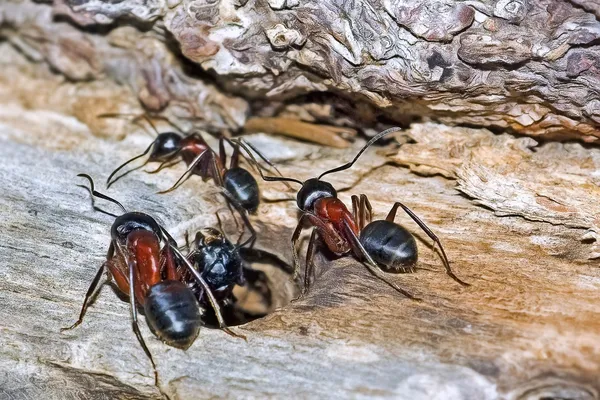
Ants Identification Guide
Physical Characteristics
Ants are small insects with three body parts: head, thorax, and abdomen. They have six legs, bent antennae, and strong jaws for carrying food and defense. Most ants are between 1/16 and 1/2 inch long, depending on the species. Many are black or brown, but some can be red, yellow, or metallic in color.
Common Species
-
Odorous House Ants: Small, dark brown to black ants. They give off a rotten coconut smell when crushed. A related species, Allegheny Mound Ants, shares similar characteristics.
-
Pavement Ants: Brown to black ants that nest in sidewalk and foundation cracks. A related species, Field Ants, shares similar characteristics.
-
Carpenter Ants: Large black ants that hollow out wood for their nests. They can cause structural damage over time. A related species, Velvety Tree Ants, shares similar characteristics.
-
Acrobat Ants: Small, reddish-brown ants with heart-shaped abdomens. They raise their abdomen when disturbed. A related species, Fire Ants, shares similar characteristics.
Ants Behavior and Biology A related species, Cornfield Ants, shares similar characteristics.
Ants are social insects that live in colonies. Each colony has workers, soldiers, and one or more queens. Colonies can range from a few dozen ants to millions. Ants talk to each other using scent signals called pheromones. They leave scent trails to lead other ants to food sources. Different species nest in different places: underground, in wood, or inside walls. Carpenter ants can be very destructive. They tunnel through wood and weaken structures over time.
How We Treat for Ants
We take a two-step approach to eliminate ants and keep them from coming back:
Initial Treatment: A licensed technician inspects your home inside and out, checking hotspots like kitchens, bathrooms, and basements. We apply a non-repellent insecticide in cracks and crevices. Ants then spread the material throughout their colony, killing it at the source. We also treat the outside perimeter to create a barrier around your home.
Ongoing Maintenance: We return three times per year for maintenance treatments. These visits reinforce the barrier and stop new colonies from moving in. If you notice ants between visits, we come back at no extra cost.
Types of Ants
Click on any species below to learn more about identification, behavior, and control methods.
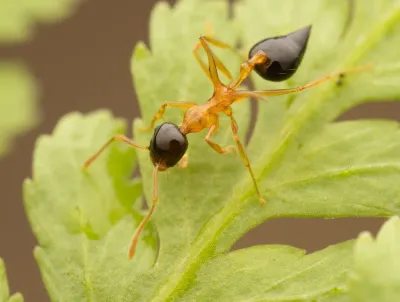
Acrobat Ants
Crematogaster spp.
Acrobat ants are small ants that raise their heart-shaped abdomens when disturbed. They nest in moist or decayed wood and often point to moisture problems in homes.
View identification guide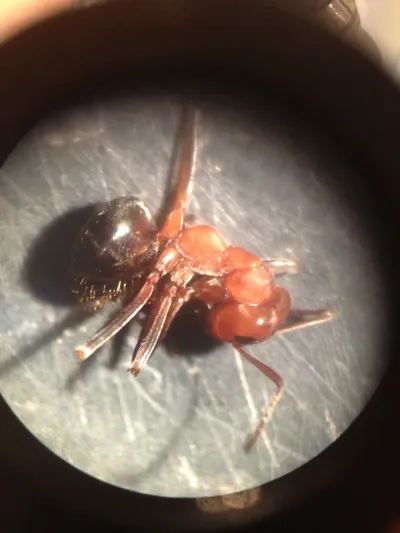
Allegheny Mound Ants
Formica exsectoides
Allegheny mound ants are one of North America's largest mound-building ants. They construct massive dirt mounds up to 3 feet tall and 6 feet wide. These ants kill surrounding vegetation by injecting formic acid, creating bare zones around their nests.
View identification guide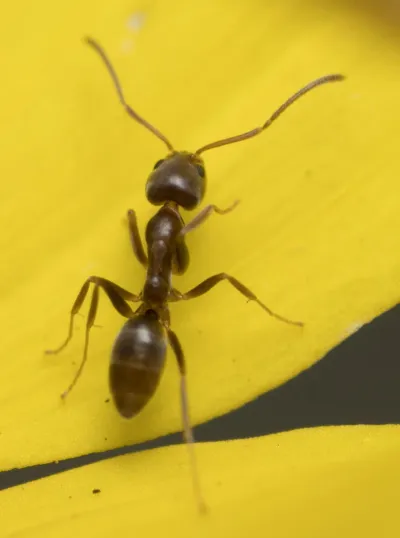
Argentine Ants
Linepithema humile
Argentine ants are small light to dark brown ants originally from South America that have become one of the world's most invasive species. They form massive supercolonies with multiple queens and are notorious for displacing native ant species across North America.
View identification guide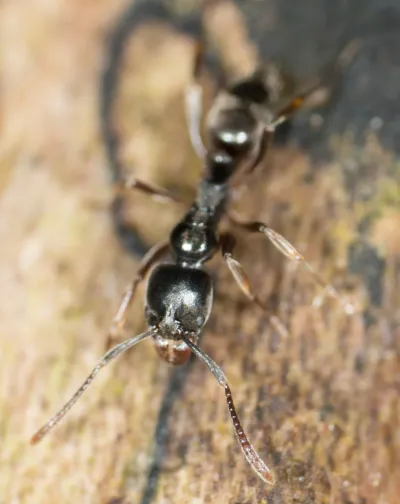
Asian Needle Ants
Brachyponera chinensis
The Asian needle ant is an invasive species from East Asia that has established populations across the eastern United States. Unlike most pest ants, it thrives in both disturbed and natural forest environments. Its painful sting can cause severe allergic reactions in some people, making it a medical concern as well as an ecological threat.
View identification guide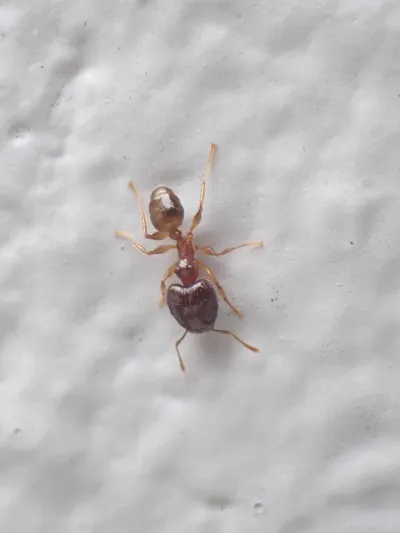
Big-Headed Ants
Pheidole megacephala
Big-headed ants are invasive ants with two worker sizes. Soldiers have very large heads compared to regular workers. These ants rank among the 100 worst invasive species in the world. They form huge supercolonies that push out native insects and can become serious pests in warm parts of North America.
View identification guide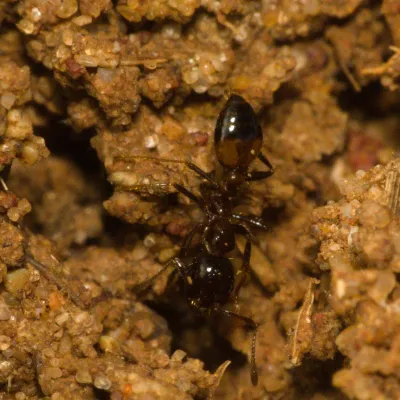
Black Imported Fire Ants
Solenopsis richteri
Black imported fire ants are aggressive, stinging ants native to South America that have established a limited foothold in the southeastern United States. Darker in color than their more widespread relative the red imported fire ant, they build large earthen mounds and deliver painful stings that can cause allergic reactions.
View identification guide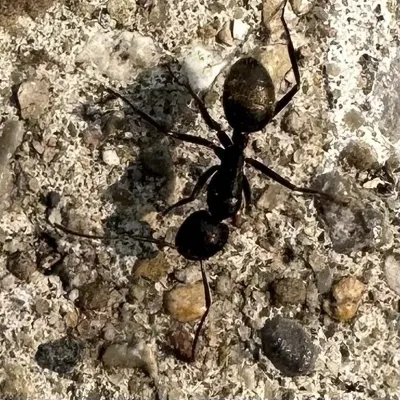
Carpenter Ants
Camponotus pennsylvanicus
Carpenter ants are large black ants that excavate wood to build their nests, causing structural damage to homes. Unlike termites, they don't eat wood but hollow it out to create galleries for their colonies. The eastern black carpenter ant is the most common species in eastern North America.
View identification guide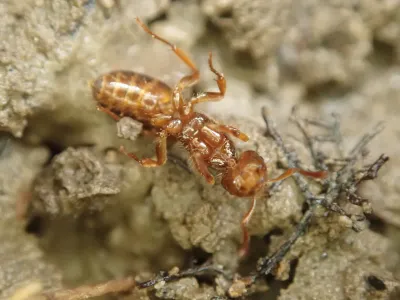
Citronella Ants
Lasius (Acanthomyops) spp.
Citronella ants are yellow to reddish-brown subterranean ants named for the lemon-like odor they release when crushed. They typically nest underground and are often mistaken for termites when their winged reproductives swarm indoors during late summer and fall.
View identification guide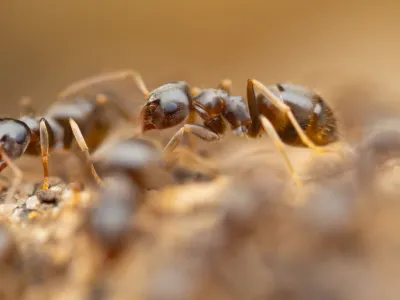
Cornfield Ants
Lasius neoniger
Cornfield ants are small, light-brown to dark-brown ants commonly found nesting in open lawns, fields, and sandy soils across eastern and midwestern North America. Also called 'Labor Day ants' due to their late-summer mating flights, they create shallow soil craters in lawns and are known for their relationship with aphids.
View identification guide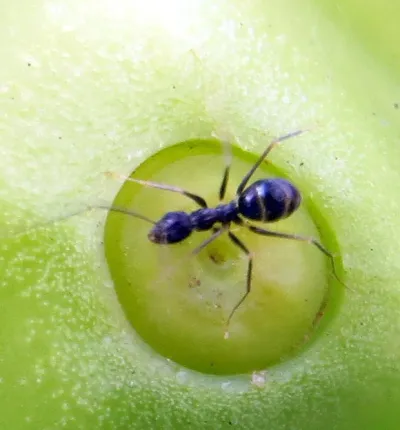
Crazy Ants
Paratrechina longicornis
Fast-moving ants named for their erratic, unpredictable running patterns. Crazy ants do not follow organized trails and are known to invade structures in large numbers, nesting in wall voids, electronics, and anywhere with moisture.
View identification guide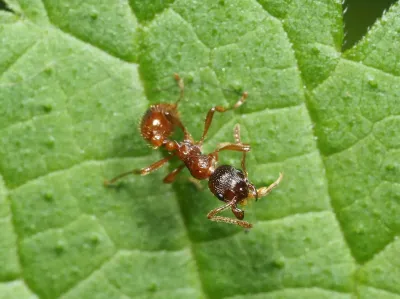
European Fire Ants
Myrmica rubra
European fire ants are small, reddish-brown ants native to Europe that have become invasive in northeastern North America. Known for their aggressive stinging behavior and ability to form extremely dense colonies, they pose significant risks to humans, pets, wildlife, and outdoor recreation areas.
View identification guide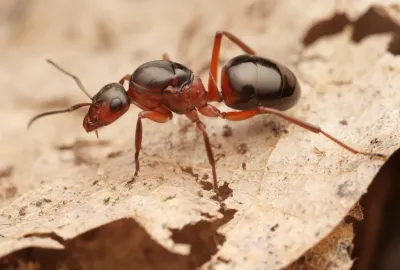
Field Ants
Formica spp.
Field ants are medium to large ants that build dirt mounds in lawns and yards. Also called mound ants or thatching ants, they're common across North America. Their mounds can damage your lawn and make mowing difficult.
View identification guide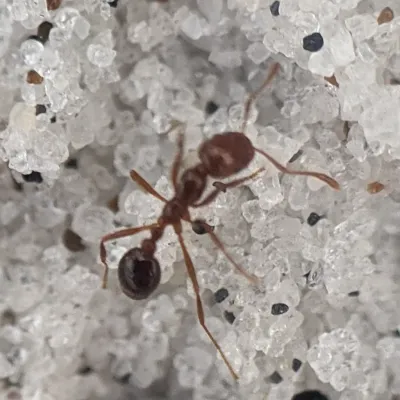
Fire Ants
Solenopsis invicta
Red imported fire ants are aggressive, stinging ants native to South America that have become one of the most problematic invasive species in the southern United States. Known for their painful stings and large mound nests, these ants pose significant risks to humans, pets, and agriculture.
View identification guide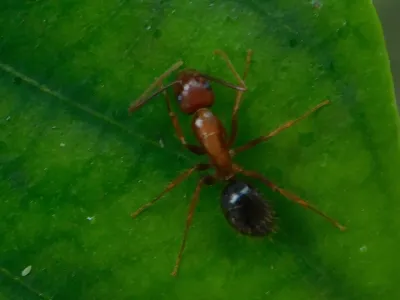
Florida Carpenter Ants
Camponotus floridanus
Florida carpenter ants are large, bicolored ants with an orange-red head and thorax and a black abdomen. They are the most common carpenter ant species in Florida and the southeastern United States, nesting in decayed wood, tree cavities, and occasionally building structures.
View identification guide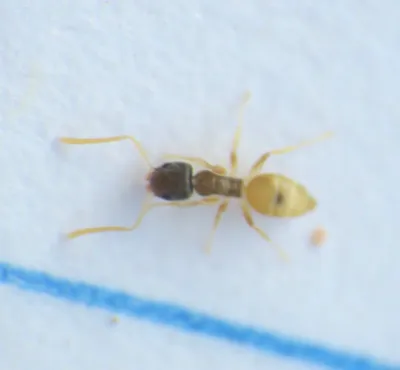
Ghost Ants
Tapinoma melanocephalum
Ghost ants are tiny, pale-colored ants with dark heads that seem to appear and disappear like phantoms. These tropical ants have become significant indoor pests throughout warmer regions of North America, infesting kitchens and bathrooms where they seek moisture and sweet foods.
View identification guide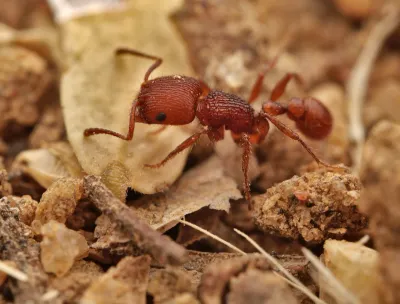
Harvester Ants
Pogonomyrmex spp.
Harvester ants are large, seed-collecting ants found primarily in arid regions of North America. Known for their powerful stings and impressive underground colonies, these ants create distinctive cleared areas around their nest entrances and play important ecological roles in desert and grassland ecosystems.
View identification guide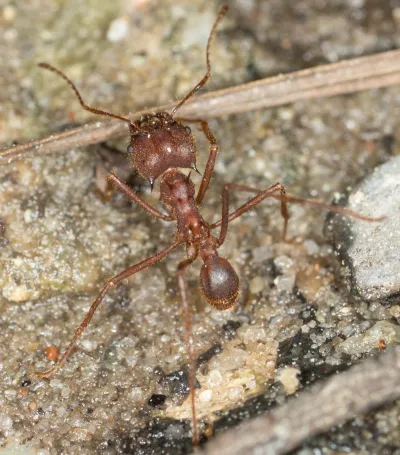
Leafcutter Ants
Atta texana
Leafcutter ants are large, reddish-brown ants that cut and carry leaf fragments back to their underground nests. They don't eat the leaves but use them to cultivate a special fungus that serves as their primary food source. The Texas leafcutter ant is the only species found in the United States.
View identification guide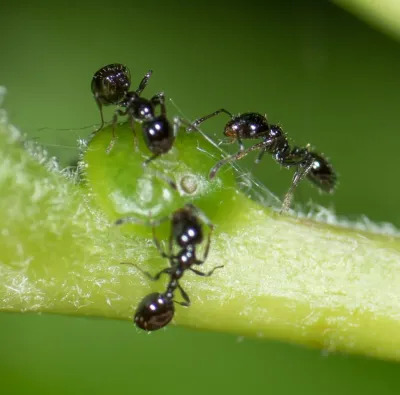
Little Black Ants
Monomorium minimum
Little black ants are tiny, shiny black ants that commonly invade homes in search of sweet and greasy foods. They form visible foraging trails and can nest both outdoors under stones and indoors in wall voids, making them a persistent nuisance pest across North America.
View identification guide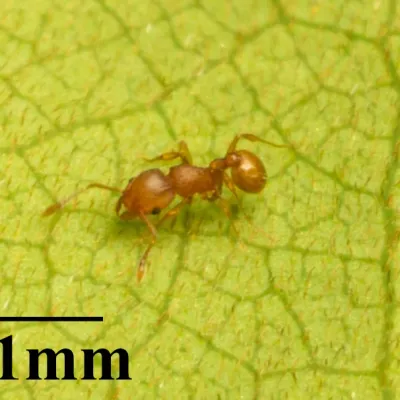
Little Fire Ants
Wasmannia auropunctata
Little fire ants are tiny, aggressive invasive ants from Central and South America known for painful stings. At only 1-1.5mm, these ants hurt far more than their size suggests and cause serious damage wherever they spread.
View identification guide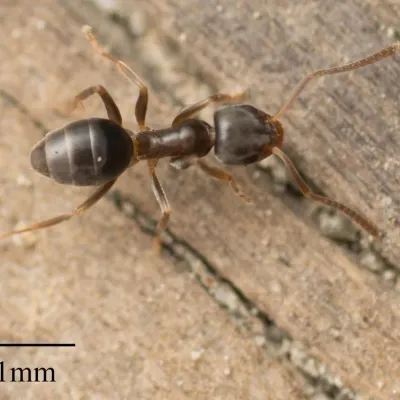
Odorous House Ants
Tapinoma sessile
Odorous house ants are small brown to black ants named for the distinctive rotten coconut smell they produce when crushed. These common household invaders form large colonies with multiple queens and are among the most frequently encountered ant pests across North America.
View identification guide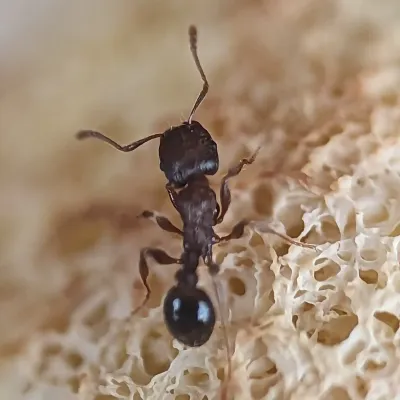
Pavement Ants
Tetramorium immigrans
Pavement ants are small dark brown to black ants commonly found nesting under sidewalks, driveways, and foundations. They create distinctive crater-like mounds of excavated soil and are known for their territorial battles in late spring. One of the most common ant pests in urban and suburban areas across North America.
View identification guide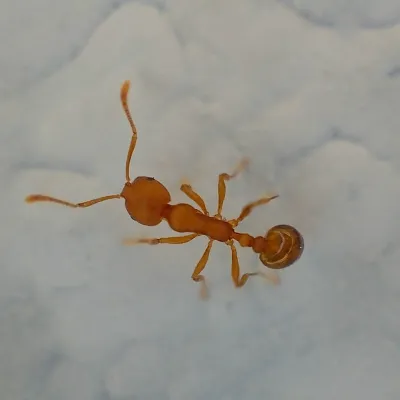
Pharaoh Ants
Monomorium pharaonis
Pharaoh ants are tiny, yellowish-brown ants that rank among the most difficult indoor pest ants to control in North America. Known for their ability to establish colonies in warm buildings year-round, these tropical ants are particularly problematic in hospitals, food facilities, and homes where they can contaminate food and spread bacteria.
View identification guide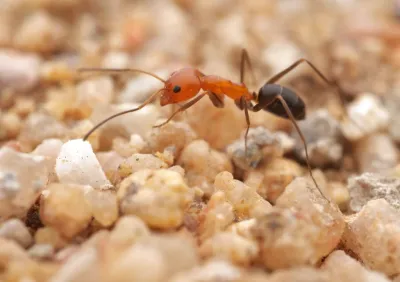
Pyramid Ants
Dorymyrmex spp.
Pyramid ants are small, fast-moving ants named for the distinctive pyramid-shaped projection on their thorax. These outdoor ants prefer dry, sandy soil and are known for their aggressive behavior toward other ant species, including fire ants. They emit a rotten coconut smell when crushed.
View identification guide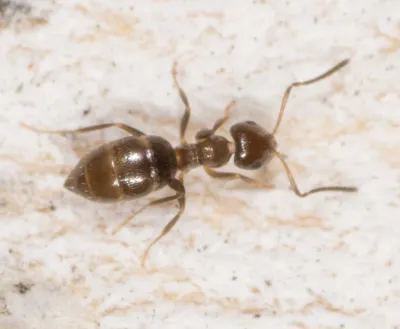
Rover Ants
Brachymyrmex patagonicus
Rover ants are tiny, dark brown ants that have rapidly expanded across the southern and eastern United States. Originally from South America, these invasive ants are nuisance pests that frequently invade homes in large numbers seeking sugary foods and moisture, often nesting in mulch, potted plants, and wall voids.
View identification guide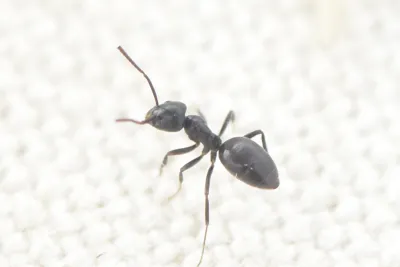
Sugar Ants
Tapinoma sessile
Sugar ants, also known as odorous house ants, are small dark brown to black ants that invade homes seeking sweet foods. They release a distinctive rotten coconut odor when crushed and are one of the most common ant pests in Northern Virginia.
View identification guide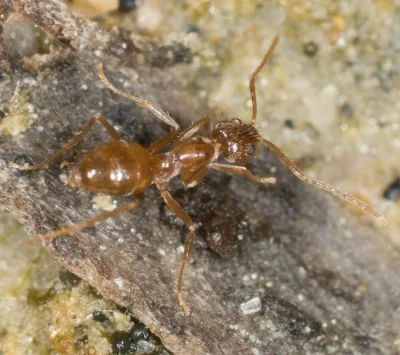
Tawny Crazy Ants
Nylanderia fulva
Tawny crazy ants are an invasive ant species from South America that have rapidly spread across the Gulf Coast states. Named for their erratic running patterns and golden-brown coloring, these ants form enormous supercolonies, infest electrical equipment, and have displaced native ant species including fire ants.
View identification guide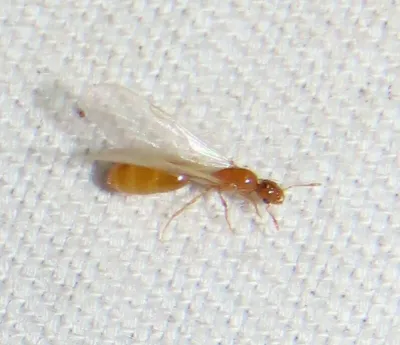
Thief Ants
Solenopsis molesta
Thief ants are among the smallest household ant pests in North America, earning their name from their habit of stealing food and brood from neighboring ant colonies. These tiny yellow to light brown ants are often mistaken for pharaoh ants and can be difficult to control due to their preference for greasy, protein-rich foods.
View identification guide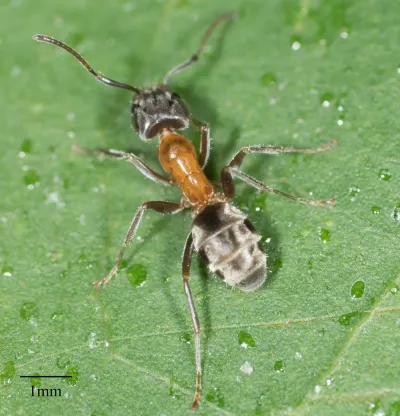
Velvety Tree Ants
Liometopum occidentale
Velvety tree ants are wood-destroying ants native to the western United States. Named for their velvety black abdomen and tree-dwelling habits, they excavate galleries in wood similar to carpenter ants. These aggressive ants form massive colonies and can cause significant structural damage to homes.
View identification guide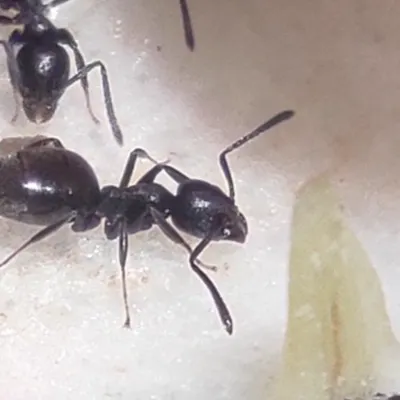
White-Footed Ants
Technomyrmex difficilis
White-footed ants are small, black ants with distinctive pale yellowish-white feet. Originally from Southeast Asia, these invasive ants have become significant pests in the southeastern United States, where their massive colonies can number in the millions and create persistent infestations in homes and landscapes.
View identification guideCommon Questions about Ants
How do I know if I have an ant problem?
+
Look for visible ant trails, piles of sawdust-like material from carpenter ants, or food in the kitchen with ants on it. If you see ants often inside your home, there is likely a colony nearby.
What attracts ants to my home?
+
Food, moisture, and shelter. Ants are drawn to crumbs, sugary spills, pet food, and even water sources like leaky pipes. Keeping food sealed and fixing moisture issues can help reduce the risk of infestation.
Are carpenter ants dangerous?
+
Carpenter ants don't eat wood like termites, but they tunnel through it, causing structural damage over time. If left untreated, they can weaken beams and supports in your home.
Can all ants sting or bite?
+
Not all ants can sting, but all ants can bite. Only female ants in certain species have stingers. Fire ants and bullet ants are well-known for their stings. Many ants that cannot sting use their strong jaws for defense instead. Some spray formic acid when they bite. Carpenter ants, for example, bite and spray acid into the wound.
What's the difference between regular spray treatments and non-repellent treatments?
+
Traditional sprays only kill the ants they touch, often causing the colony to relocate. We use non-repellent insecticides, which ants carry back to the nest, wiping out the entire colony at the source.
How much does ant control cost?
+
Our ant treatment plans start around $39/month, plus a one-time setup fee. The exact price depends on the severity of the infestation and the size of your home.
Can I get rid of ants myself?
+
DIY ant treatments often give short-term relief, but they do not kill the colony. Store-bought sprays can make the problem worse. They scatter the ants and cause them to split into multiple nests.
What if I see ants after treatment?
+
It's normal to see some activity in the first 7-10 days after treatment as the ants carry the insecticide back to the colony. If the problem persists, we'll come back at no extra cost to ensure the issue is resolved.
More Resources About Ants
Explore our guides and articles for more information about ants.
- ›Ghost Ants vs Sugar Ants: Identify These Tiny Home Invaders
- ›Small Red Ants: How to Identify and Eliminate Them Fast
- ›What Do Carpenter Ants Eat? Food Sources & Control Tips
- ›Fire Ant vs Carpenter Ant: Identification & Treatment Guide
- ›Stop Sugar Ants in Kitchen: Complete Elimination Guide
- ›Black Ants With Wings: Home Damage and Treatment Options
- ›Ant Hill Issues? Learn Why They Form and How to Treat Them
- ›Ants in Walls: Why They Invade and How to Remove Them
- ›Worker Ants 101: What They Are and How to Identify Them
- ›Ant Lifespan: Development Stages and Treatment Tips
- ›Signs of Carpenter Ant Damage: Spot a Carpenter Ant Infestation
- ›Signs of Carpenter Ants: Detect Them Before Damage Occurs
- ›Tiny Sugar Ants: Expert Guide to Identification & Control
- ›Why Do Ants Carry Dead Ants: Fascinating Colony Behavior
- ›Termites vs Ants: Spot the Difference & Protect Your Home
- ›Using Borax for Ants: Effective DIY Methods to Kill Ants
- ›Carpenter Ant With Wings: How They Damage Your Home
- ›Flying Ants in House: Types in VA & MD + Removal Tips
- ›Ant Identification Chart: Types of Household Pests & Control
- ›Kinds of Ants: Identifying Different Types in DC Metro
- ›Short Guide To Carpenter Ants
- ›Carpenter Ant vs Black Ant: Which Is Damaging Your Home?
- ›Fire Ants vs Red Ants: How to Identify and Control These Pests
- ›Ants in the Kitchen? Learn Why They're There and What to Do
- ›Winged Ant vs Termite: How to Spot the Key Differences
- ›Will Baking Soda Kill Ants? What the Research Says
- ›Do Ants Hibernate? Discover Where Ants Go During Winter
- ›How to Get Rid of Ants in Bathroom: Easy 5-Step Solution
- ›Carpenter Ants vs Termites: Complete Comparison Guide
- ›Ants in Car? Expert Solutions to Remove Them Completely
- ›Tiny Ants in Kitchen? Expert Tips to Eliminate Them Fast
- ›DMV Ant Season: Patterns, Predictions and Prevention Tips
- ›Carpenter Ant Eggs: What They Look Like & Where to Find Them
- ›When Do Ants Come Out During the Year? Expert Pest Tips
- ›How To Keep Ants Away: Pro Techniques vs DIY Ant Control
- ›Why Carpenter Ants in Bathroom Appear & How to Get Rid of Them
- ›How Long Do Ants Live? Complete Guide to Ant Lifespans
- ›How to Prevent Ants in Virginia
- ›Common Ants in Alexandria, Virginia
- ›Carpenter Ant Frass: Tell-Tale Signs of an Infestation
- ›Ants in Dishwasher? Complete Removal & Prevention Guide
- ›Why Are There Ants in My Bathroom & How to Remove Them
- ›Winged Ants vs Termites: How to Tell Them Apart Fast
- ›Termites vs Flying Ants: How to Tell the Difference
- ›Flying Ants vs Termites: Complete ID Guide with Photos
- ›The Complete Guide to Carpenter Ant Swarmers in Your Home
- ›How to Kill Sugar Ants: Proven Elimination Techniques
- ›Ants in Bathroom: Why They Appear and How to Remove Them
- ›Does Baking Soda Kill Ants? Facts & Application Methods
- ›Carpenter Ant Queen: Complete Guide to Identification & Control
- ›What Do Pantry Moth Eggs Look Like? Clear Pictures & Tips
- ›How to Get Rid of Pantry Moths: Identifying & Eliminating Them
- ›Do Ants Sleep? Revealing Ant Rest Patterns & Facts
- ›Are Centipedes Dangerous? What Homeowners Need to Know
- ›How to Get Rid of House Centipedes: A Complete Guide
- ›Honeybee vs Bumblebee: How to Tell Them Apart
- ›House Spider vs Wolf Spider: Which One Is in Your Home?
- ›Is Pest Control Worth It? DIY vs Professional Service
- ›What Do Termites Sound Like? Hear the Warning Signs
- ›Bathroom Bugs Identification: Common Pests in Your Bathroom
- ›Carpenter Bee Damage: Signs, Effects, and Prevention Methods
- ›Bugs That Look Like Flying Termites: When To Worry
- ›Carpenter Bee Holes: What They Look Like & How to Fix Them
- ›How Long After Pest Control Do Bugs Die: What to Expect
- ›How Often Should You Spray for Bugs? Find Your Schedule
- ›Hackberry Psyllids: What They Are & How to Remove Them
- ›Silverfish vs Centipede: 5 Key Differences to Know About
- ›Why Are Stink Bugs Called Stink Bugs? Mystery Solved!
- ›Termite Tunnels 101: What These Mud Tubes Mean for Your Home
- ›Are Arachnids Insects? The Key Differences Explained
- ›Why Do Flying Termites Suddenly Appear? Signs & Treatment
- ›How Much Does Pest Control Cost? 2025 Service Price Guide
- ›How to Get Rid of Spiders: Easy Steps for Homeowners
- ›What Are The Differences Between Rats And Mice
- ›Termite Prevention & Control
- ›Termite Queen: The Hidden Force Behind Every Colony
- ›What Do Centipedes Eat? A Complete Guide to Their Diet
- ›Pantry Moths vs Clothes Moths: A DC Homeowner's Guide
- ›Sawtoothed Grain Beetle: Identifying and Eliminating Them
- ›Flea vs Tick: What Mid-Atlantic Homeowners Need to Know
- ›Complete Guide: How Long Does Termite Treatment Last?
- ›How To Get Rid Of Springtails: Complete Removal Guide
- ›Little Black Beetles in House? Identify & Treat Them Today
- ›Concrete Mites: Identification Tips and Treatment Options
Explore Other Pest Categories
Browse our comprehensive pest library for identification guides and control information.



With five years of hands-on experience in the pest control industry, George Schulz is a registered technician with the Virginia Pest Management Association and a proud third-generation professional in a family business that's been protecting homes for over 57 years.
Find Local Ant Control Services
We provide professional ants control throughout Virginia, Maryland, and the DC Metro area.