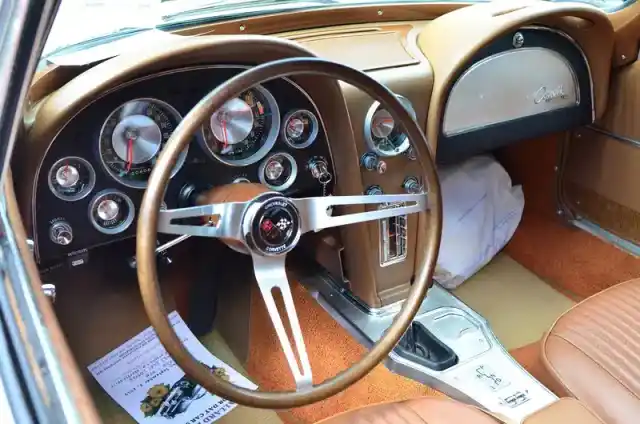

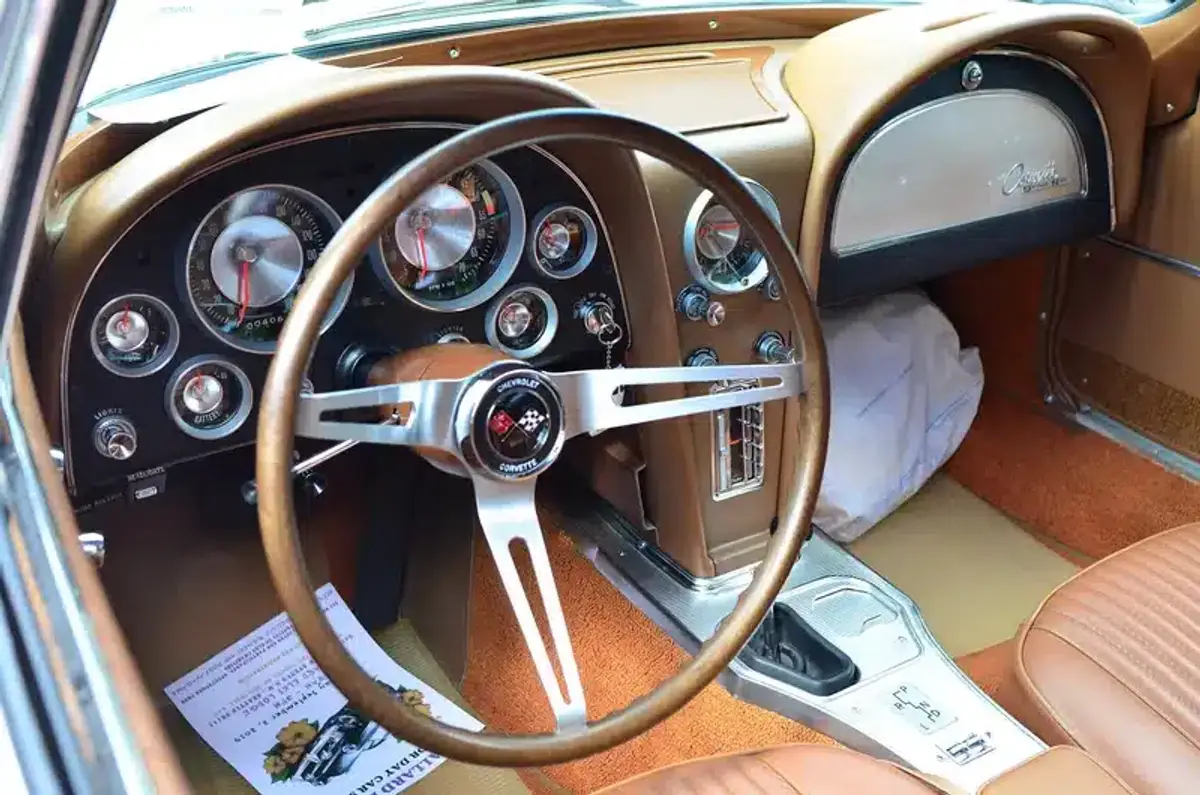
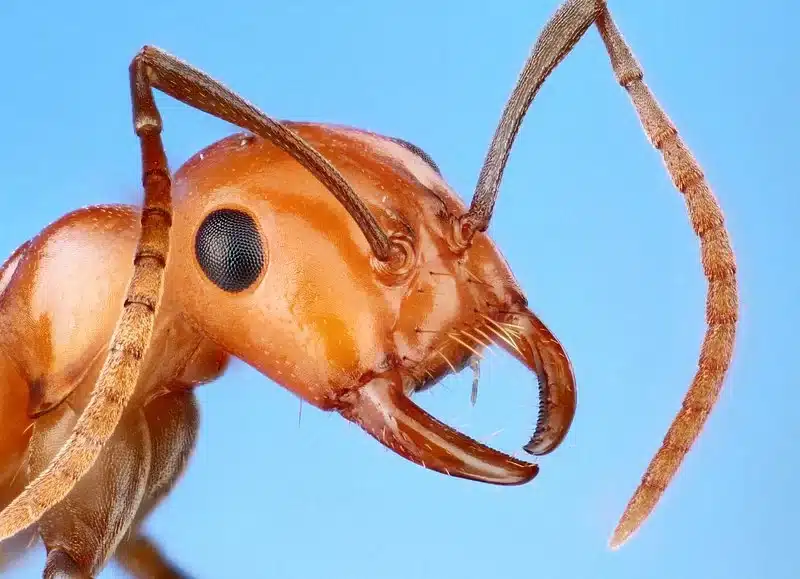
Finding ants crawling around your car interior can be really frustrating, especially when you’re running late for work or picking up the kids. I’ve worked in pest control since 2015, and ants are one of the most common complaints we get here in the spring. Our family business has handled ant problems around Northern Virginia and Maryland for over 50 years. The ants that end up in a car are usually the same ones working the yard, driveway, or foundation it’s parked next to.
The good news is that getting rid of ants in your car is very doable with the right approach. Most of the same ideas we use for indoor ant problems work for cars too: remove what draws them in, find how they’re getting in, and use the right control methods.
Here’s how to get your car ant-free and keep it that way.
Why Ants Invade Your Car
Food crumbs and sugary spills cause most car ant invasions. Even tiny crumbs from a granola bar or drops from a spilled soda can start foraging trails that bring dozens of workers to your vehicle. One scout finds the food and lays a scent trail, and the rest follow it.
Moisture and condensation create conditions that many ant species like. Damp carpet from leaking door seals or humid trunk wells mimic the habitats where different ant types naturally live. This gets worse during our humid DMV summers.
Warmth and shelter in engine bays and HVAC ducts attract ants looking for nesting sites. Insulating materials and sound-deadening foam give them perfect hiding spots. Fire ants especially like to nest in electrical housings, which can lead to short circuits and chewed insulation.
Parking near colonies is a big factor. Parking on soil, near trees, or close to building foundations puts your car within normal foraging range. Ants will move into a parked car on purpose, too. A 2024 citizen-science study in Ecological Entomology logged 52 cases of ants hitchhiking on vehicles across nine species, and some of those cars carried queens and brood, not just stray workers.
Why Are There Ants in My Car With No Food?
If the car is clean and you still have ants, they’re usually after water or shelter, or the car is simply parked on their trail. Common causes:
- Moisture: a wet floor mat, a clogged sunroof or door drain, a leaky trunk seal, or AC condensation
- Weather: Daren, one of our registered technicians, always asks customers whether the ants showed up after rain, because rain pushes ants to move. He’s also seen dry spells push them in looking for water. A car parked on the lawn edge is an easy target either way.
- Shelter: door panels, trunk wells, and engine bays stay protected from rain and predators
- Leftover residue: a sticky cup holder or old spill you can’t see still smells like food to an ant
How Do Ants Get in Your Car?
Ants usually climb up the tires from the ground, especially if you park on the same patch every day. From there they get in through door and trunk gaps, worn weather stripping, and the cabin air intake under the windshield (which is how some end up coming out of the air vents). They also ride in on things you carry: grocery bags, potted plants, sports gear, or a picnic blanket set down near a mound.
First Steps: Immediate Removal
Move your car off colony-rich surfaces right away to break the chemical trails. Get away from grass-concrete edges, overhanging trees, or spots near visible ant mounds.
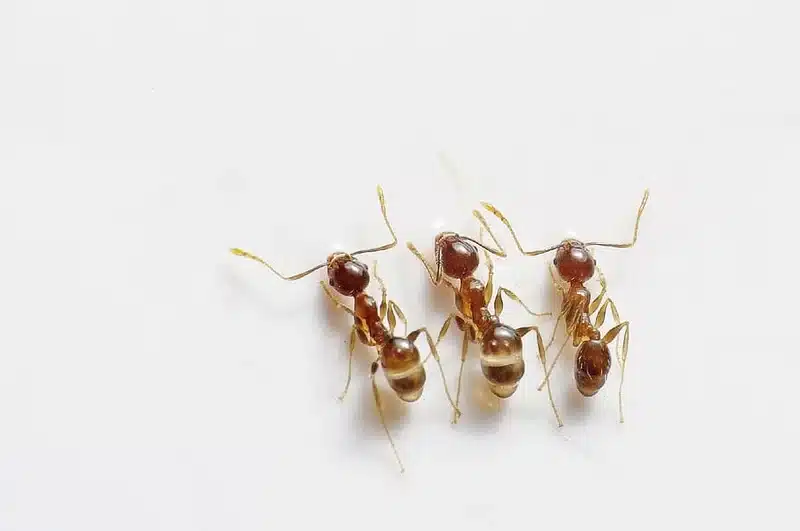

Remove all loose trash and food from every spot in the car. Double-bag everything and throw it away far from your parking area. Check glove compartments, door pockets, and under seats where food debris piles up.
Vacuum well to remove both ants and food particles. Use crevice attachments to get into seat tracks, dashboard vents, and pedal areas. Empty the vacuum outside right away since vacuuming rarely kills the ants.
Wipe all hard surfaces with warm, soapy water to erase chemical trails. The soap breaks down the signals that guide other ants to food. Focus on cup holders, door handles, and dashboard surfaces where sticky residue builds up.
Deep-Cleaning Your Car Interior
Take everything out including floor mats, trunk liners, and any removable seat covers. This gives you access to areas where ants hide and lets you treat all surfaces.
Vacuum from top to bottom using both crevice and soft-brush tools. Start with the headliner and work down to avoid dropping debris onto already-cleaned areas.
Steam-clean fabric surfaces when possible. Temps above 212 degrees kill ants and eggs while loosening sugar residue. For hard surfaces, use pH-neutral interior cleaner and detail seams with a toothbrush.
Sun-dry with windows cracked to drive humidity below 60%. Parking a closed car in direct summer sun can reach temps that kill most ant species, giving you a chemical-free option.
Will Ants Die in a Hot Car?
Many of them will, but heat alone rarely clears a car. Here’s the math:
A Stanford study of parked cars found the inside of a closed car in sun warms by an average of 40°F within an hour, even on 72°F days, with 80% of that rise in the first 30 minutes. A study of 14 common North American ant species in the Journal of Thermal Biology put their average heat limit (the point where they lose control of their bodies) at 47.8°C, about 118°F, with a range of roughly 104°F to 124°F.
So on an 85°F sunny day, the open cabin of a closed car can get hot enough to kill ants out in the open. Ants tucked under seats, inside door panels, in the spare tire well, or in the engine bay stay cooler and often live. And the colony they came from, out in your yard, isn’t touched at all.
Once your car is clean and dry, the next step is making sure ants from nearby colonies can’t get back in.
Checking Under the Hood and Trunk
Look for signs of ant activity: soil pellets, shredded insulation, or visible trails around battery trays, fuse boxes, and firewall openings. Fire ants and pavement ants may build soil mounds that speed up corrosion and cause electrical problems.
Clear debris with compressed air and wipe rubber weather seals well. Pay attention to where wiring runs into the passenger area since these are common ant highways.
Apply targeted treatments if you find active nests in wiring areas. After disconnecting the battery, use car-appropriate contact spray per label directions, or apply diatomaceous earth barriers. Keep DE away from alternators or airflow sensors.
Seal entry points around wiring and apply dust barriers where ants commonly travel. This creates lasting protection without risking damage to sensitive parts.
Keeping Ants Out Long-Term
No loose food in your vehicle. Use sealed containers for snacks and clean up spills right away. Even crumbs too small to see can feed ant colonies for weeks.
Fix water leaks by checking door seals, trunk seals, and sunroof drains. Moisture problems attract ants and can lead to mold that gives them even more food.
Keep your HVAC system clean by changing the cabin filter and making sure the evaporator doesn’t grow moldy buildup. This buildup becomes a sugar-rich food source for ants.
- Clean regularly: Vacuum and wipe down your car at least every two weeks
- No food rule: Use sealed containers only, and clean up spills right away
- Fix leaks: Check door seals, trunk seals, and sunroof drains for moisture
- Park smart: Choose paved areas away from plants, mulch beds, and ant mounds
- Rotate spots: Change your parking location from time to time to disrupt ant trails
Where You Park Matters
Pick paved parking areas when possible and avoid spots with plants overhead. Lawn-concrete edges carry the heaviest ant traffic in many suburban areas.
Change your parking spot from time to time to break up established scent trails. Ants rely on chemical highways, and moving spots forces them to start over.
Treat ant activity within 25 feet of your usual parking spot. Apply granular baits or treat visible mounds to shrink the local ant population before it becomes a car problem.
How to Get Rid of Ants in Your Car Naturally
Soapy water is the most useful natural tool you have. Wiping cup holders, door handles, and floor edges removes both the sugar and the scent trail ants follow.
Essential oil sprays made with 1-2% peppermint or spearmint oil in water plus a drop of dish soap can keep ants off treated spots for a while. They repel ants; they don’t kill the colony, and the smell fades fast in a warm car, so you’ll be reapplying often. Test on a hidden spot first, since oils can mark some plastics and leather.
Diatomaceous earth dusted under floor mats and in trunk wells gives longer-lasting protection. Use a light film, not piles, and vacuum and reapply after wet weather.
Direct sunlight can kill ants out in the open, as covered above. It won’t reach the ones hiding in panels or the nest outside.
Skip broad-spectrum aerosol sprays inside car cabins. According to the National Pesticide Information Center, these add breathing risks without actually killing colonies.
Using Bait Stations in Your Car
Pick the right bait type in tamper-resistant stations that won’t spill during driving. Solid or gel baits work better than liquids in moving vehicles.
Place stations wisely by sliding them under seats, in door pockets, and trunk corners where ants naturally travel. Keep baits out of direct sunlight so they stay effective.
Check every 3-7 days and replace stations when empty or dried out. Steady monitoring helps you see whether treatment is working.
How to Get Rid of Sugar Ants in Your Car
“Sugar ant” is a nickname, not a species. In Northern Virginia and Maryland, the small dark ants trailing to a soda spill are most often odorous house ants. Daren names them, along with carpenter ants, as the ants he runs into most around here. You can confirm by crushing one: odorous house ants smell like rotten coconut. Our sugar ant guide covers the other species that get the same name.
They take more patience than other ants because of how their colonies work. According to Utah State University Extension, odorous house ants have many egg-laying queens and can split off new sub-colonies by carrying brood to a new nest. Spraying a repellent on a partial nest can cause it to split into several.
What that means in a car:
- Skip the bug spray. Spraying the trail kills the ants you see and can scatter the rest.
- Use a sweet bait in a closed, spill-proof station. Put it under a seat or in a trunk corner on the trail, out of direct sun.
- Let them feed. It’s normal to see more ants on the bait for a day or two. They’re carrying it back to the queens.
- Bait the outside, too. Follow the trail from the tires to the lawn edge, mulch bed, or driveway crack and put a station there. If your car is the only thing you treat, the colony outside keeps sending ants.
Give the bait time to work before you switch methods. If you also have them in the house, our guide on how to kill sugar ants walks through the indoor side.
Knowing which ant species you have helps you pick the right bait type and treatment plan.
Common Car Ant Species
Multi-queen colonies that dominate many mid-Atlantic ant problems. Odorous house ants smell like rotten coconut when crushed and prefer sweet foods. They respond well to sugar-based baits.
Slow, steady foragers that nest under driveways and slabs. Pavement ants invade cars parked on concrete and eat both greasy and sweet foods, making them extra problematic after fast-food meals in cars.
Large black ants that may hollow out damp wood inside trunks or spare tire wells. Finding carpenter ants usually means you have a moisture problem that needs fixing beyond just ant control.
Found in southern Virginia areas. Fire ants nest in engine bays and can cause painful stings plus serious wiring damage. Professional treatment is often needed when fire ants get into electrical parts. Learn more about fire ants vs red ants.
When Car Ants Signal a Bigger Problem
Ants keep coming back after thorough cleaning? That usually means there’s a large colony within 30 feet of your parking area. Even perfect car hygiene won’t stop invasions from nearby nests.
Follow ant trails from your tires to the surrounding soil and landscaping to find the source. Look for soil mounds, disturbed mulch, or heavy ant traffic that shows nesting sites.
Treat the source with granular baits around the problem area. Fixing the source works much better than just treating your car over and over.
When to Call a Pro
Call for professional help when:
- Ants are nesting in wiring harnesses or engine components
- You’re dealing with stinging species like fire ants
- The problem lasts more than 3 weeks despite steady DIY efforts
- You find multiple large colonies near your parking area
We don’t treat the inside of vehicles. What we can do is find and treat the colonies around your home, driveway, and foundation that keep sending ants into the car. Our registered technicians use non-repellent treatments and baits outside, and our tri-annual plan (three visits a year) keeps ant pressure down through the seasons. That outside-in approach is the same one we use for ant control in Falls Church and other older neighborhoods, where cars often sit on cracked driveways right next to mulch beds and mature trees.
Finding ants in your car doesn’t have to ruin your day. With proper cleaning, smart bait placement, and consistent prevention, you can get rid of them and keep them out. Call us at 703-683-2000 or email info@bettertermite.com if you need professional help with persistent car ant problems.