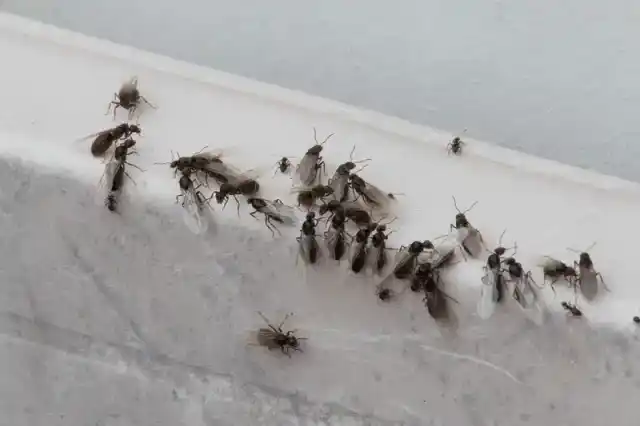

Flying ants in the house are a swarm that’s happening now, and the question is what to do about it. A burst of winged ants at a window or light fixture means a colony nearby has matured and is sending out its reproductives. If the swarm is indoors, the nest is often inside the walls or under the slab, not just in the yard.
This guide is about that situation: why the ants are inside, where they’re getting in, and how to get rid of the swarm and the colony behind it. If you’re still trying to work out which winged ant you have, start with our black ants with wings identification guide, which sorts tiny, small, and large winged ants by size and species.
What Are Flying Ants? Identifying Winged Ants in Your Home
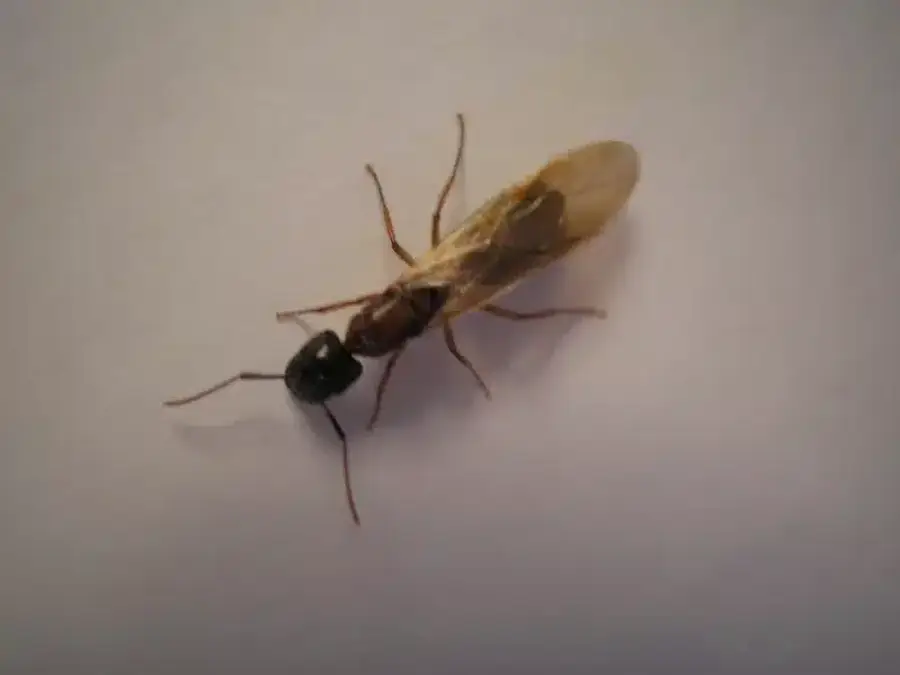
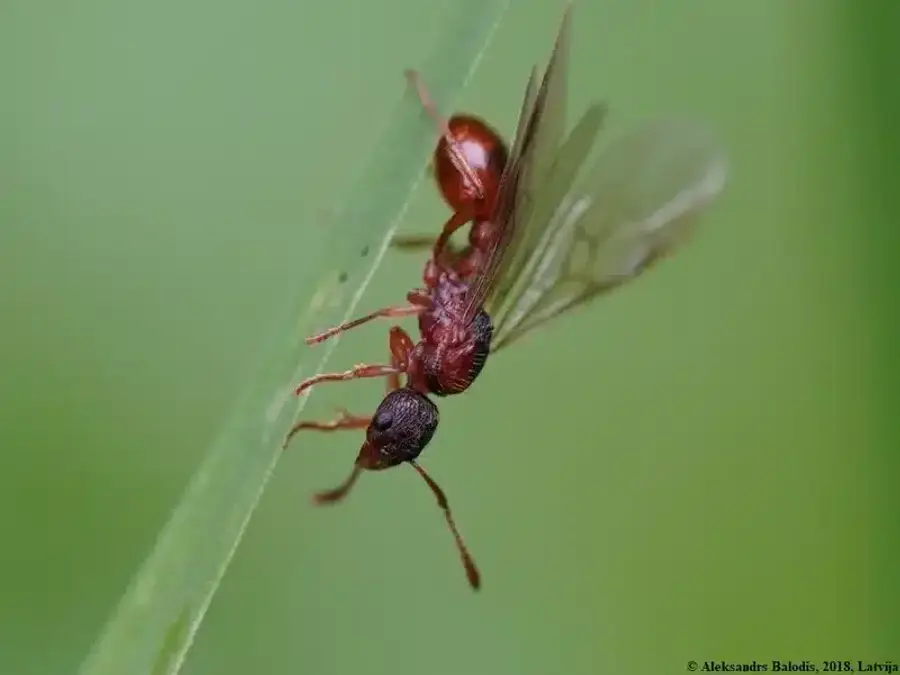
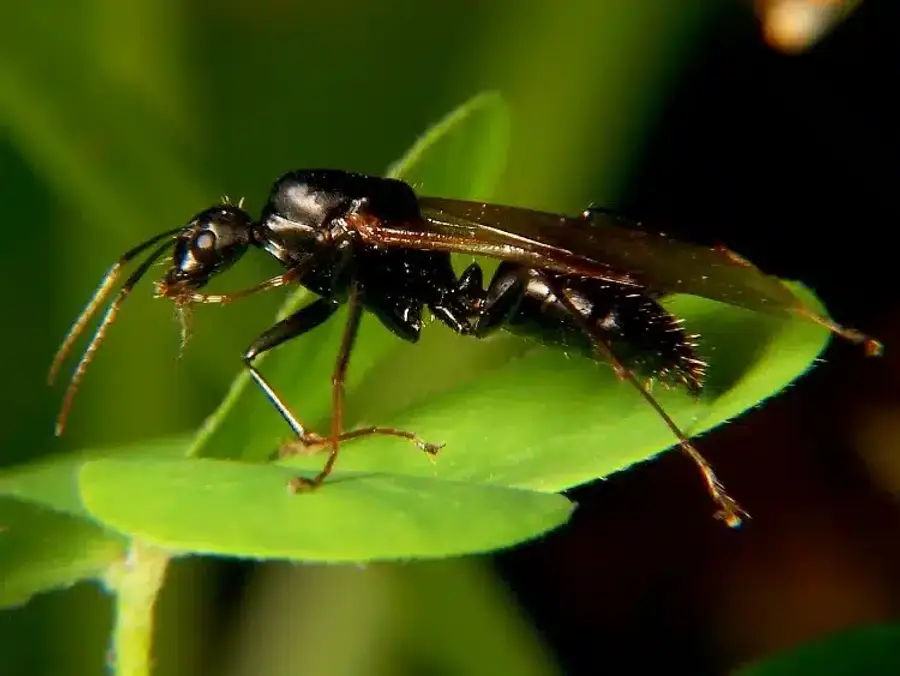
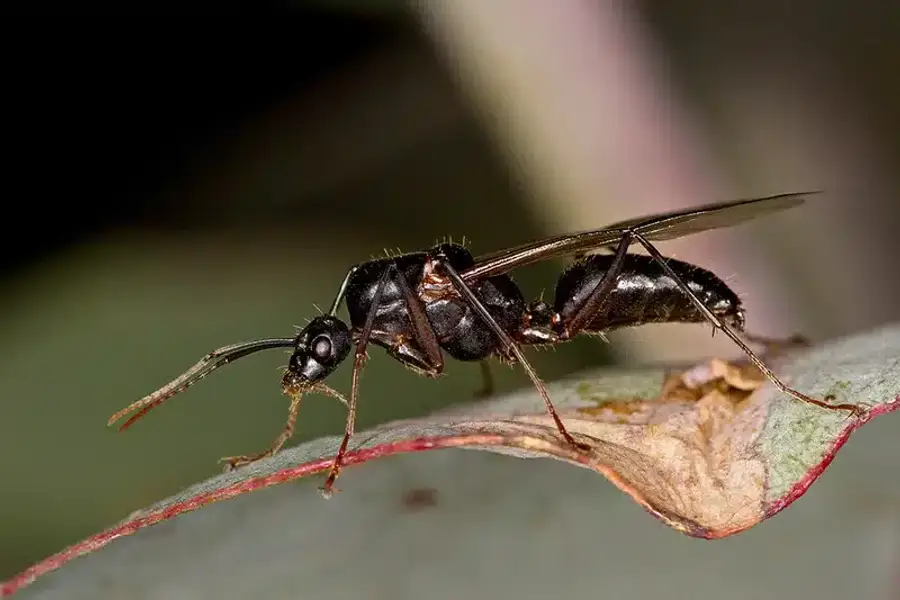
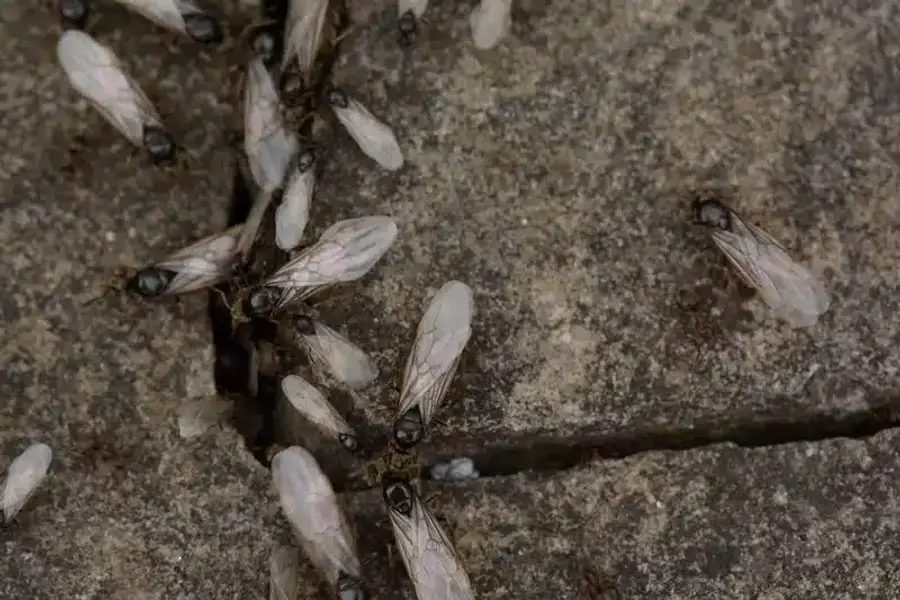
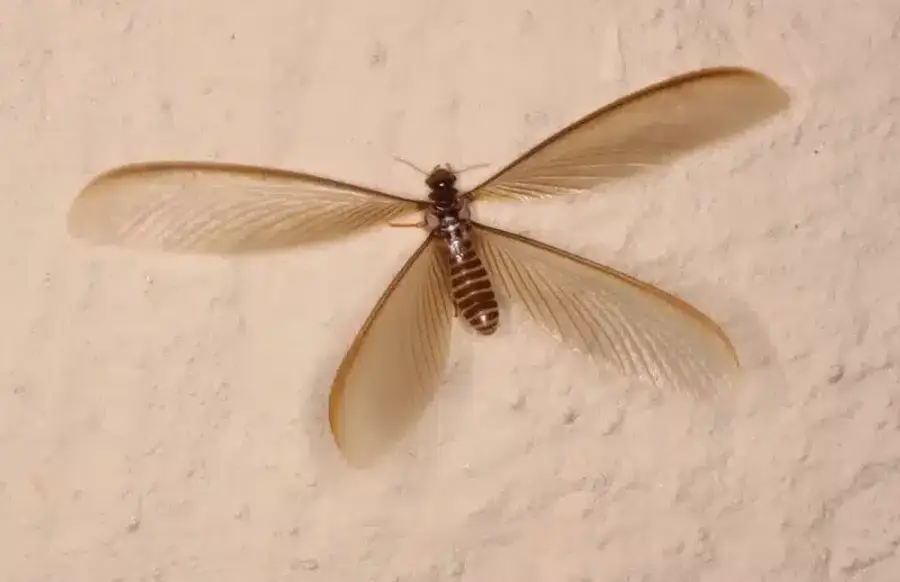
Winged ants, or alates, are the male and female ants sent out to mate. They have two pairs of wings, with front wings larger than the hind wings. After mating, queens shed their wings and start a new ant nest.
You’ll often see these ants flying around light fixtures, especially on warm nights. Like other flying insects, flying ants are attracted to heat and humidity. Spotting them indoors usually means an ant colony is nearby.
Which Ant Is Swarming? Why It Changes the Plan
The species decides how urgent this is. Large black swarmers (1/2 inch or more) are usually carpenter ants, and an indoor carpenter ant swarm often means a mature nest in damp wood inside your walls, per Virginia Tech Extension. Tiny swarmers are usually odorous house ants, pavement ants, or little black ants, which are nuisances rather than wood-damaging pests. Yellowish swarmers coming up through basement slab cracks in April or September are citronella ants, which don’t damage wood.
For photos, sizes, and the full species rundown, see Black Ants With Wings: Identify Tiny, Small, and Large Winged Ants. The rest of this page assumes you know roughly what you have and want it gone.
Flying Ants in the House vs Termites: How to Tell the Difference
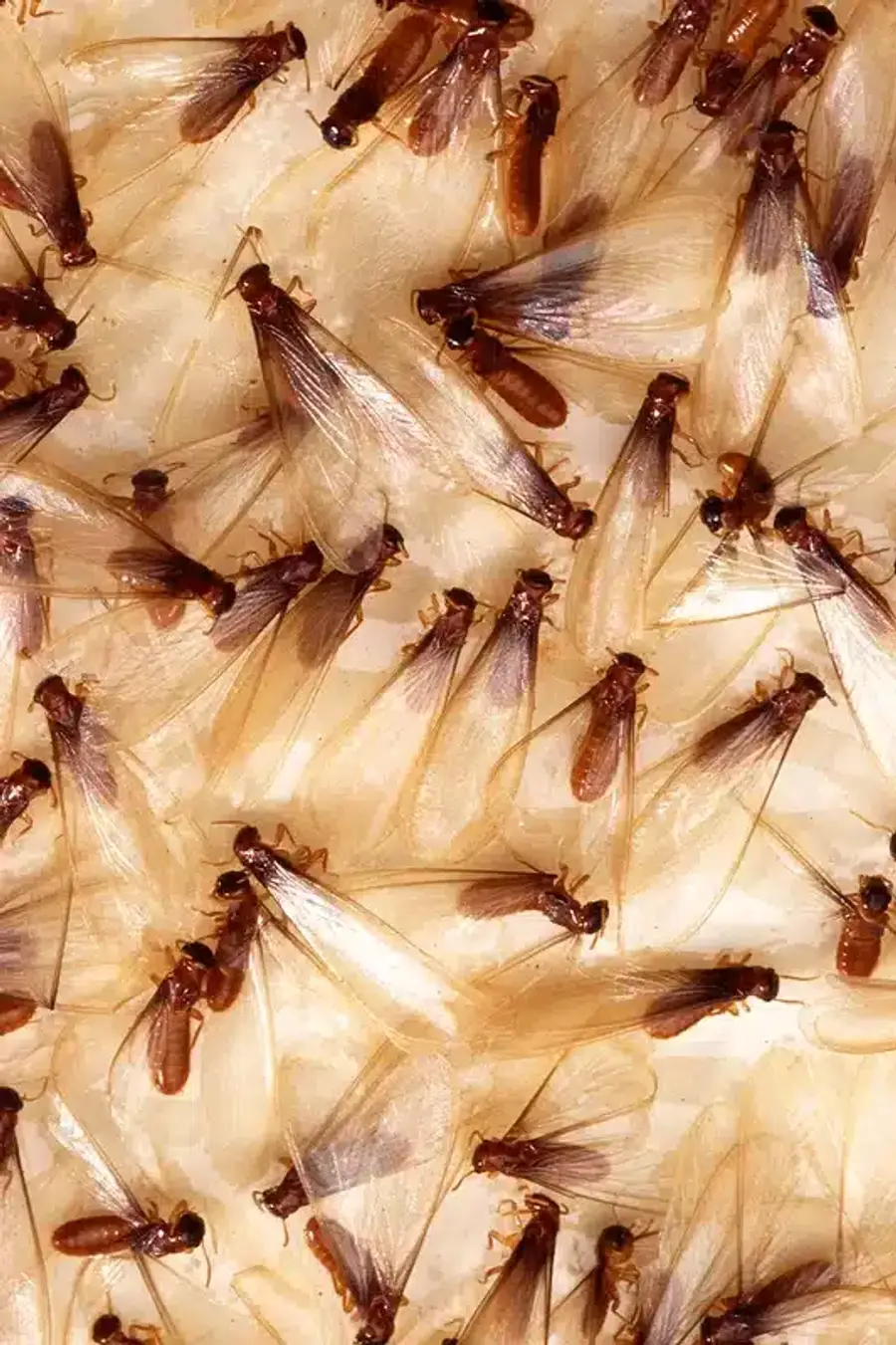
Confusing flying ants and termites can hide a serious termite colony. Learn more at Termites vs Flying Ants: How to Tell the Difference.
Flying Ants:
- Narrow, pinched waist
- Elbowed (bent) antennae
- Front wings larger than rear wings
- Swarm late spring/summer (May-July)
Termites:
- Broad, uniform waist
- Straight, beaded antennae
- Both wings equal in size
- Swarm early spring (March-April)
Pinched Waist, Bent Antennae, and Wing Proportions
Flying ants have a narrow, pinched waist and elbowed antennae. Their front wings are larger than their rear wings. These features distinguish them from winged termite swarmers.
Termite Traits: Equal Wings and Uniform Waist
Termites have a broad waist and straight, beaded antennae. Both wings are equal in size. After swarming, termites shed wings, often leaving silvery piles on windowsills.
Swarm Timing: Ants Fly Late Spring/Summer, Termites Swarm Early Spring
Most ant flights occur May through July, while termite swarms pop up in March and April. Noting the time of year can help you avoid confusing flying ants and termites.
Why Are Flying Ants Suddenly in My House?
Colony Maturity and Nuptial Flights in VA & MD
A mature ant colony produces male and female ants to mate, called a nuptial flight. When ants fly, they mate mid-air. Mated queens shed wings and search for a spot to establish new colonies.
Moisture Issues and Wood Damage That Attract Carpenter Ants
Carpenter ants are attracted to damp or rotted wood. Leaky plumbing, clogged gutters, or wet insulation can invite them. Inspect your home for moisture and fix leaks to avoid a carpenter ant infestation.
Environmental Triggers: Heat, Humidity, Light, and Swarm Behavior
Flying ants are attracted to light and humidity. Warm, calm days after rain often trigger swarms. They fly toward windows and porch lights, where you might see them fluttering.
How Flying Ants Enter Your Home: Entry Points and Nest Locations
Cracks, Crevices, and Foundation Gaps
Ants slip through tiny cracks in foundations and slab floors. Pavement ants and citronella ants often exploit expansion gaps. Seal these cracks to block entry points.
Doors, Windows, Vents, and Utility Penetrations
Open doors, torn screens, attic vents, and gaps around pipes and wires let ants inside. Seal gaps with silicone caulk and install weatherstripping on doors.
Landscaping: Tree Branches and Shrubs as Ant Highways
Branches touching your roof or siding act like bridges. Trim limbs at least a foot from walls. This cuts off routes for ants flying around or crawling inside.
Recognizing Flying Ants in the House: Frass, Wings, and Trails
Finding Dropped Wings and Dead Swarmers
After mating, queens lose their wings. Piles of wings or dead swarmers near light fixtures mark their exit or mating spot.
Carpenter Ant Frass: Sawdust-Like Debris
Carpenter ants push out wood shavings called frass. Look for small piles of sawdust under windows, floor joists, or in basements.
Ant Trails and Forager Patterns Inside Your Home
Worker ants leave a pheromone trail to food sources. Spotting lines of ants helps you backtrack to entry points or nest sites.
DIY Methods to Get Rid of Flying Ants in Your Home
Sanitation and Removing Food Sources
Clean spills, crumbs, and pet bowls. Store sweets in airtight containers.
According to Penn State IPM, good sanitation is the first step in ant control (source).
Exclusion Techniques: Seal Entry Points and Cracks
Physical Removal: Vacuuming and Soapy Water Sprays
Using Ant Baits to Eliminate Entire Colonies
Place ant baits near trails and nest entrances. Different ants will eat sugar or protein baits. Ants will carry the bait back to the nest and kill the queen.
Spot Treatments with Sprays and Insecticide Dusts
Apply non-repellent sprays or boric acid dust in wall voids and cracks. These products kill ants slowly, reducing the risk of them relocating nests.
Outdoor Perimeter Sprays and Barrier Treatments
Treat a 2-3 foot band around your foundation with a residual insecticide. This barrier stops many ants from entering but needs reapplication after heavy rain.
When to Call an Exterminator: Professional Ant Control Solutions
Signs You Need Professional Help: Persistent Ant Infestation
If ants keep returning after DIY steps or if you see flying carpenter ants inside, it’s time to call an exterminator. Don’t let a small ant problem grow.
Licensed Technician Inspection: The 78-Point Home Audit
Our licensed technicians perform a detailed 78-point home inspection. They check entry points, moisture issues, and ant trails before crafting a treatment plan.
Direct Nest Treatments: Dusts, Foams, and Non-Repellent Sprays
A pro can inject dust or foam into hidden nests. They also use non-repellent sprays that ants don’t detect, ensuring they carry poison back to the colony.
The Better Termite & Pest Control Approach: The Better Promise
At Better Termite & Pest Control, we cut nine harsh chemicals from our program. You get unlimited callbacks, no binding contract, and ongoing ant control support. Learn more on our Northern Virginia Pest Control or College Park Pest Control pages.
Prevent Flying Ants in Your House: Long-Term Prevention Tips
Seasonal Maintenance and Moisture Management
Regularly inspect for leaks and high humidity. Use a dehumidifier in damp basements. Moisture management makes your home less attractive to ants.
Landscape and Structural Modifications
Keep mulch and soil at least 6 inches from foundations. Store firewood away from your home. Trim tree limbs to block ant highways.
Seasonal Protection Plans and Follow-Up Callbacks
Our seasonal plans include tri-annual visits (three times per year) timed for peak ant activity. If you see ants between visits, call our ant control experts at no extra cost.

Dealing with flying ants in the house gets easier when you know what to look for. Start with identification, seal entry points, and try DIY baits. If ants persist, our licensed technicians can help.
For questions or a free estimate, call us at 703-683-2000 or email info@bettertermite.com. Visit our Ants page for more tips.