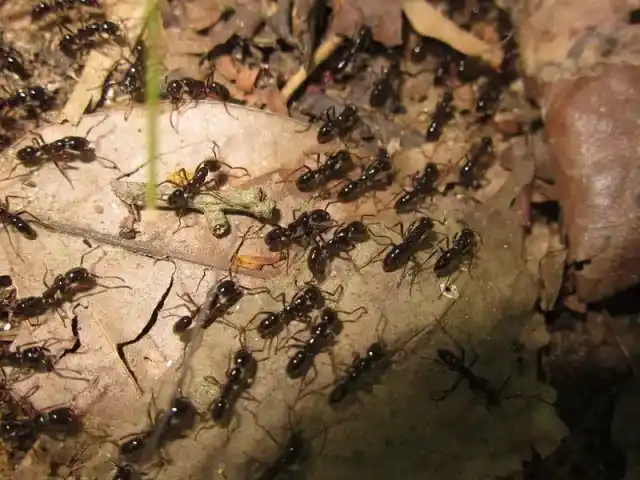

Ants don’t wander in by accident. When ants come out tells you which species you’re facing and how to treat them. In DC, we see kitchen and bathroom trails right after temps jump in late March. I’ve tracked these patterns for over a decade, helping homeowners stop problems before they grow.
The short answer: in Northern Virginia, ants come out in late March, peak from June through September, and go away outdoors in October and November. Ant season runs about seven months. Trails that keep going in December or January usually mean a nest inside the house.
Why Timing Matters
The time of year you see ants tells you what species you have and what treatment to use. Spring sightings usually mean odorous house ants. Summer swarms point to pavement ants. Getting ahead of these windows cuts down on follow-up visits and saves money.
What Triggers Ant Activity
In the Mid-Atlantic, ants wake up when soil temps hit about 50°F, usually in late March. According to Virginia Tech research, daytime highs above 55°F boost foraging fast. Local conditions matter too:
- Chantilly’s red clay holds heat, drawing ants to foundations
- Brambleton’s moisture shifts push nests indoors
- Great Falls’ large homes give off moisture that ants seek
Leesburg sits at the wet end of that range, since Tuscarora Creek and Goose Creek keep the soil damp well into spring, so trails there tend to show up a week or two before drier parts of the county and ant treatment in Leesburg works best when it lands ahead of them.
Yearly Ant Activity Cycle
Ant colonies follow the same pattern each year:
- November through February: Dormancy (most species)
- March through May: Spring wake-up, brood building, kitchen and bathroom trails
- May through July: Mating flights (swarms)
- June through September: Peak foraging
- September through October: Fat storage, indoor pushes before winter
Learn more in our ant lifespan guide and do ants sleep?.
When Do Ants Go Away?
Outdoors, ants go away in October and November around here. Once nights stay under about 50°F, foraging slows and colonies pull deeper into the soil for winter. Our guide to whether ants hibernate covers where they go. By Thanksgiving, most yards and patios are quiet until the next March.
Ants in your house are a different story. They don’t leave on a calendar. If they’re nesting in a wall void, under a slab, or in damp wood, the heat in your home keeps them going all winter. Odorous house ants are the usual case.
According to Washington State University Extension, odorous house ants forage at temperatures from 42°F to 93°F and start as early as March. A heated kitchen sits right in that range in January, which is why an indoor colony doesn’t take the winter off.
Daren, one of our registered technicians, worked a slab house (no basement, just a concrete slab) where the owners had ants on and off for about 10 years. The trails around the outside were three or four ants wide. There was wood rot all around the house and mulch piled against the foundation, topped up every year. “They never put A and B together as to what was causing it,” he said. Once she had the wood rot fixed, the problem was over. A slab house will always let a few ants up through the cracks, but the colonies stopped coming back.
So if you’re asking when ants will go away in your house, the honest answer is: when whatever is feeding or watering them goes away. Fix the leak, the rotted trim, or the crumb trail, and a seasonal problem stays seasonal.
What Time of Day Do Ants Come Out?
Ants come out both day and night. Which one you see depends on the species:
- Carpenter ants mostly forage at night. NC State Extension notes their foraging “is usually greater at night,” so a flashlight check after dark is the best way to follow a trail back to the nest. See our carpenter ant guide for what to look for.
- Odorous house ants forage day and night with no clear peak. Utah State University Extension adds that they avoid hot conditions and hot times of day.
- Most other ants slow down on hot summer afternoons and pick back up in the morning and evening when the ground cools.
If you see big black ants on the kitchen counter late at night but never during the day, think carpenter ants first.
When Each Species Swarms
Ant mating flights mark the start of new colonies. Here’s when to watch for them in our area:
- Winter ants: Late February through early April on the first warm rain day
- Carpenter ants: March through July, peak April-May (UMD Extension)
- Pavement ants: Mid-March through late September, huge June peaks
- Odorous house ants: June through July
- Fire ants: May through September in warm, humid soil. The state fire ant quarantine covered 18 counties and 15 cities after its May 2025 expansion, all in southern and southeastern Virginia. None are in Northern Virginia yet (more on fire ants in Virginia).
Key Species in the DMV
Odorous House Ants
Form one nest in winter, then bud out in spring. They forage at 43-95°F and love sweet baits year-round. Early-spring liquid baits or non-repellent sprays stop them before they spread. See our ant ID chart.
Carpenter Ants
Indoor satellite nests can buzz in February-March. Outside, activity climbs in late spring. Late-summer eggs mean damage risk. Treatment combines non-repellent dusts in wall voids with protein baits outside. See what do carpenter ants eat?.
Pavement Ants
Colonies can top 10,000 workers. June “volcanoes” mark nest openings. They eat grease and sweets. Best control is slow-acting granular or gel baits placed in April-May.
Winter Ants
Active at 30-60°F when other ants are dormant. Rarely cause damage. Seal cracks and gaps to keep them out.
Argentine and Tramp Species
In DC heat islands, these ants forage year-round. Use protein baits in spring and sugar baits in summer.
Red Imported Fire Ants
The Virginia quarantine covers 18 counties and 15 cities in the south and southeast of the state. Broadcast growth-regulator baits in August-September for best results.
Knowing which species is active helps you pick the right treatment at the right time.
Seasonal Food Preferences
Ants switch diets through the year, which affects which baits work.
- Spring: Protein and fats for larvae
- Summer: Carbs for energy
- Fall: Protein returns for fat reserves
Season-by-Season Treatment Guide
Here’s how to match your treatment approach to the time of year.
Early Spring (February through April)
Apply non-repellent perimeter sprays. Set slow-acting baits around foundations. This is the most cost-effective time to treat.
Late Spring through Summer
Treat near lights and windows to catch swarmers. Seal gaps, fix leaks, and avoid repellent sprays that can cause colonies to split. Inject wall voids for carpenter ants in late summer.
Fall and Winter
Seal entry points before cold weather. Watch for satellite nests indoors. Broadcast granular baits in September-October. January through February: inspect for carpenter ant sounds.
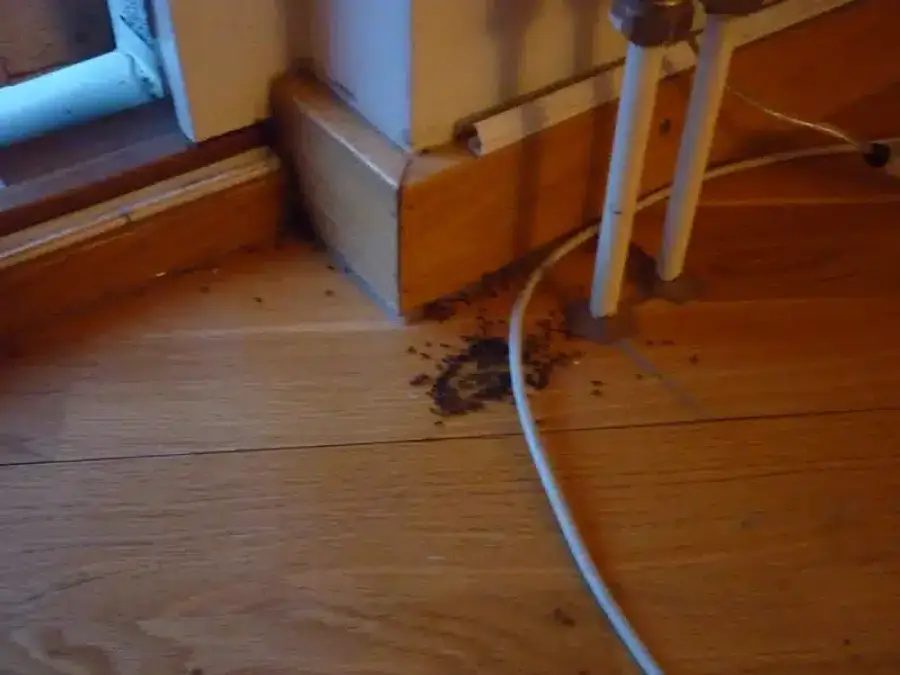
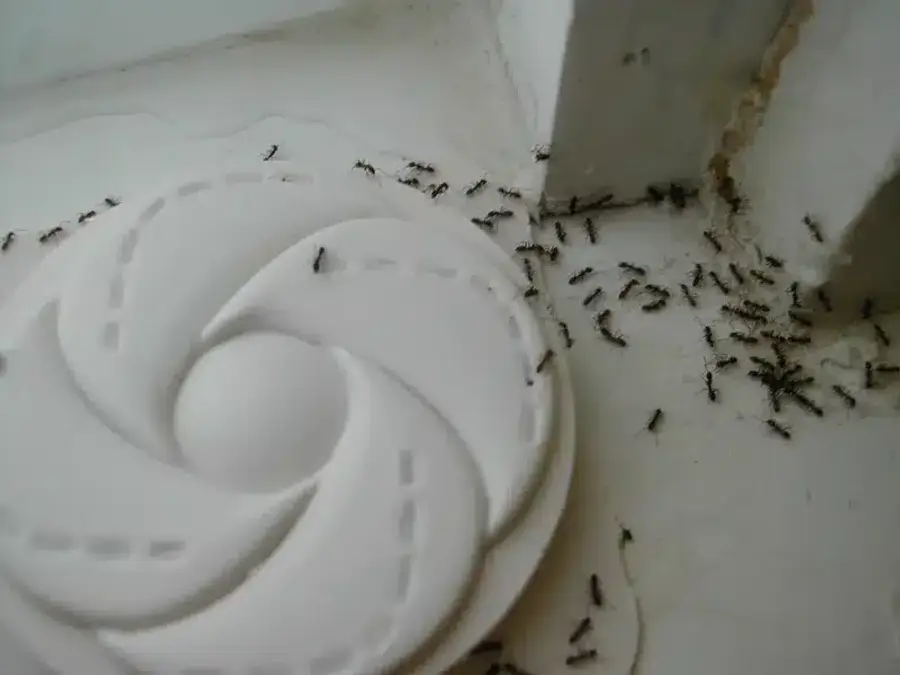
Here’s what indoor ant activity looks like during peak spring and summer months.
Why Early Treatment Wins
Catching ants before they split their colonies means fewer colonies to chase later. Preventive perimeter baits in March mean fewer visits in July. The same math shows up locally, where homes near the stormwater ponds in Stone Ridge start seeing trails ahead of the rest of the neighborhood and an early ant treatment in Aldie does more than chasing the same colony in midsummer.
Our seasonal program is built around these timing patterns.
- Expert phone consultation with a licensed technician
- 78-point home inspection checking moisture and entry points
- Initial interior/exterior non-repellent treatments and baits
- Tri-annual visits (three times per year) with free unlimited callbacks
Our team has been timing ant treatments to the seasons for over 58 years.
Related Guides
- How To Keep Ants Away
- Ant Season in the DMV
- Ant Identification Chart
- Worker Ants: What They Are
- Kinds of Ants in the DC Metro
- Common Ants in Alexandria
Ready to stop ants for good? Call us at 703-683-2000 or email info@bettertermite.com for a free estimate.