Ticks
Ixodes scapularis
Ticks are small blood-feeding parasites that spread diseases like Lyme disease, Rocky Mountain spotted fever, and ehrlichiosis. The black-legged tick (deer tick) is the main carrier of Lyme disease in Northern Virginia.
Ticks Identification Guide
Physical Characteristics
Ticks are small parasites related to spiders. They feed on blood from mammals, birds, and reptiles. They have flat, oval bodies that swell when full of blood. Their color ranges from brown to reddish-brown or black, depending on the species and life stage. Unlike insects, ticks have eight legs and no antennae. This makes them easy to tell apart from other pests. They move slowly and wait on plants for a host to walk by.
Common Species
-
Black-legged tick: Also called the deer tick. It is a main carrier of Lyme disease.
-
American dog tick: Larger than the deer tick. It can spread Rocky Mountain spotted fever.
-
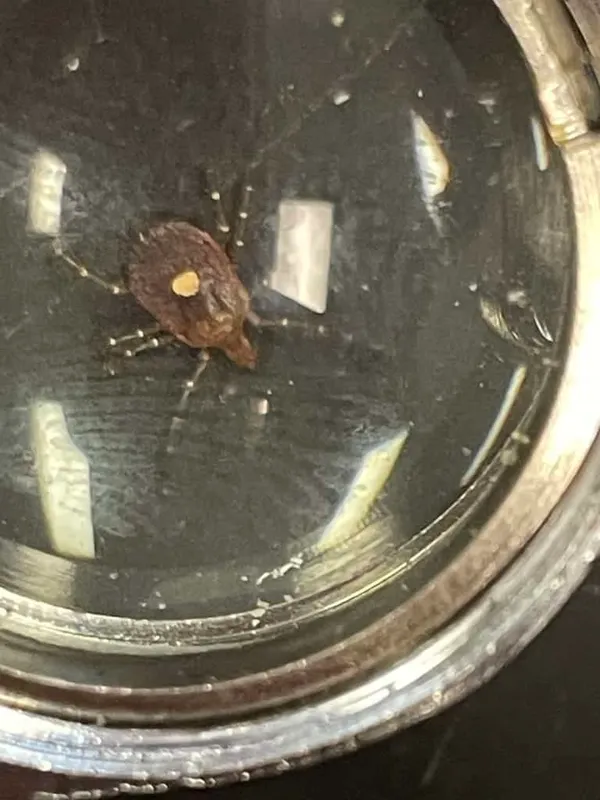
Lone star tick: Easy to spot by the white dot on females. It spreads ehrlichiosis and other illnesses.
-
Brown dog tick: Often found indoors. It mainly affects dogs but can bite people too.
Ticks Behavior and Biology
Ticks go through four life stages: egg, larva, nymph, and adult. Larvae have six legs, while nymphs and adults have eight. Each stage after the egg needs a blood meal to grow to the next phase. Ticks find hosts by sensing heat, movement, and carbon dioxide. Some species, like the black-legged tick, can take up to three years to complete their life cycle. They often survive winter in leaf litter or soil. Ticks can spread many diseases, including Lyme disease, anaplasmosis, babesiosis, and Rocky Mountain spotted fever. Learn more about the different species in our tick identification chart or see what a tick looks like up close.
How We Treat for Ticks
Tick numbers are highest in Spring and Fall. Our treatments focus on those seasons:
-
Granular applications in March and November: We target tick hiding spots to stop breeding before peak season.
-
April to October topical sprays: We treat the edges of your property where your lawn meets wooded areas. This is where ticks are most active.
-
Consultation and prevention: Our technicians will find problem areas and suggest ways to reduce tick habitats. This includes clearing brush, leaf litter, and overgrown plants.
Health Risks and Tick-Borne Diseases
Ticks carry several diseases that affect people and pets in Northern Virginia. Families around Fort Belvoir run into them anywhere yards border woods or tall grass. The most common ones are:
-
Lyme disease: Spread mainly by black-legged ticks. Early signs include a “bull’s-eye” rash, fever, and feeling tired.
-
Rocky Mountain spotted fever: Spread by American dog ticks. Signs include fever, headache, and a spotted rash.
-
Ehrlichiosis: Spread by lone star ticks. Causes flu-like symptoms such as fever, chills, and muscle aches.
-
Babesiosis: An infection that harms red blood cells. Spread by black-legged ticks.
Medical Disclaimer: This is for educational purposes only and is not medical advice. If you think a tick bit you or you have symptoms of a tick disease, see a doctor right away.
References and Further Reading
Types of Ticks
Click on any species below to learn more about identification, behavior, and control methods.
American Dog Tick
Dermacentor variabilis
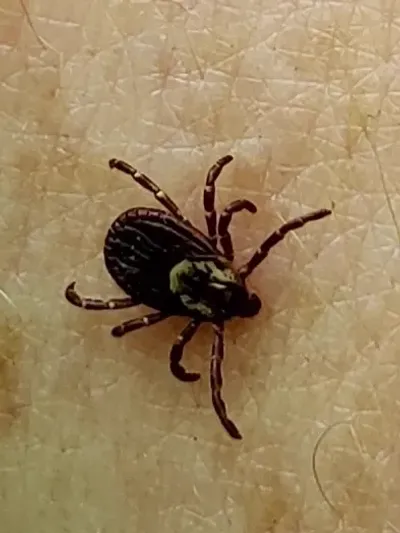
The American dog tick is one of the most common ticks in the eastern United States. It is the primary carrier of Rocky Mountain spotted fever and can also transmit tularemia. These ticks prefer dogs but will readily bite humans.
View identification guide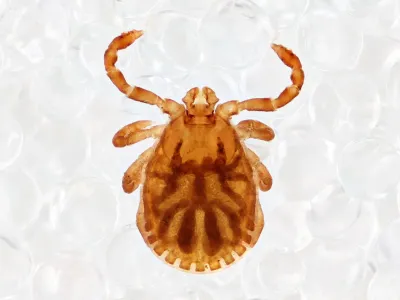
Asian Longhorned Ticks
Haemaphysalis longicornis
Asian longhorned ticks are invasive parasites from East Asia that can reproduce without mating and rapidly build large populations. They pose health risks to humans, pets, and livestock throughout the eastern United States.
View identification guide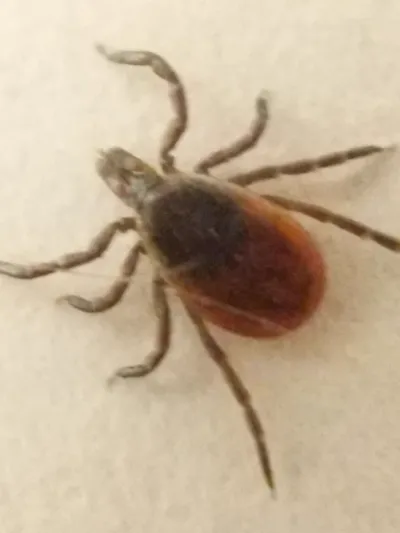
Black-legged Ticks
Ixodes scapularis
Black-legged ticks, commonly known as deer ticks, are small parasites that transmit Lyme disease, anaplasmosis, babesiosis, and other serious illnesses. They are most active in spring and fall throughout the eastern United States.
View identification guide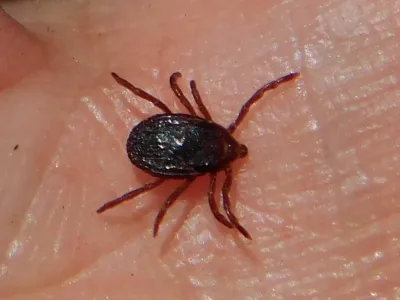
Brown Dog Tick
Rhipicephalus sanguineus
The brown dog tick is a reddish-brown parasite that primarily feeds on dogs and can complete its entire life cycle indoors. Unlike most ticks, it thrives in homes and kennels, making it a year-round concern for pet owners.
View identification guide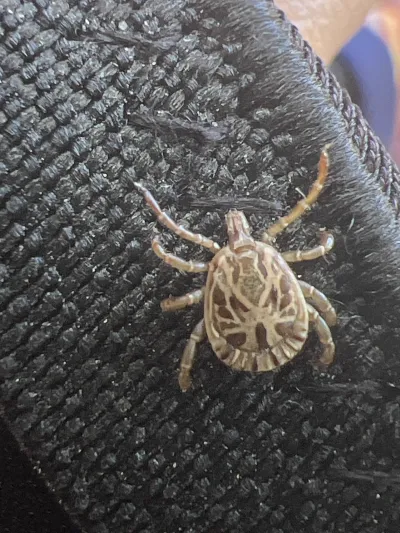
Cayenne Ticks
Amblyomma cajennense
Cayenne ticks are ornate hard ticks found from southern Texas through Central and South America. They have long mouthparts, feed on many host species, and can transmit Rocky Mountain spotted fever.
View identification guide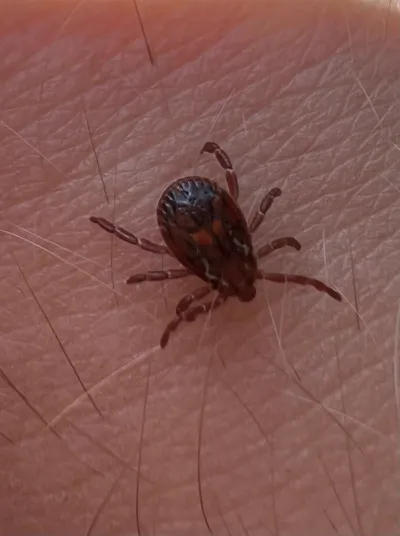
Dog Ticks
Dermacentor variabilis
American dog ticks are brown, flat parasites commonly found on dogs and humans. They spread Rocky Mountain spotted fever and tularemia but do not carry Lyme disease.
View identification guide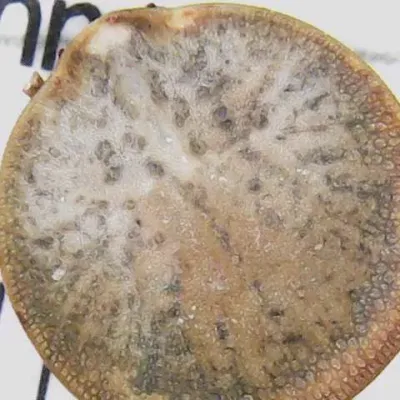
Fowl Ticks
Argas persicus
Fowl ticks, also called poultry ticks or blue bugs, are soft-bodied parasites that feed on chickens and other domestic birds. They hide in cracks during the day and emerge at night to feed, making them difficult to detect until infestations become severe.
View identification guide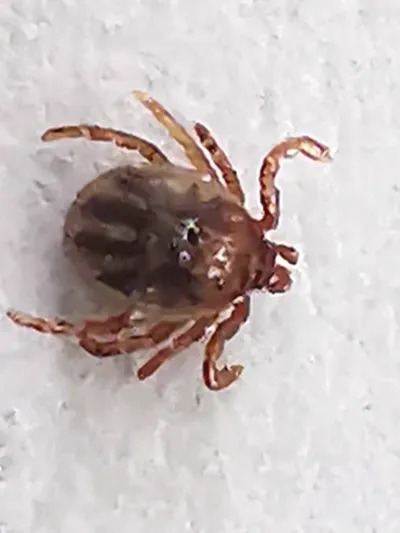
Groundhog Ticks
Ixodes cookei
Groundhog ticks, also called woodchuck ticks, are small parasitic arachnids that primarily feed on groundhogs and other burrowing mammals. They are the main vector of Powassan virus in North America.
View identification guide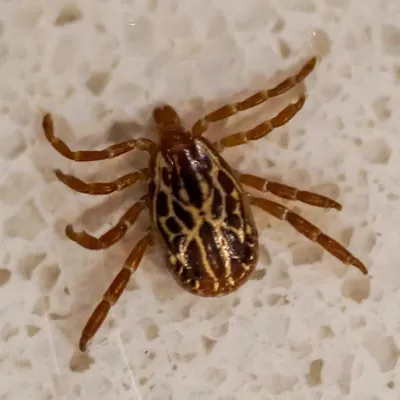
Gulf Coast Ticks
Amblyomma maculatum
Gulf Coast ticks are hard-bodied ticks with ornate markings that transmit Rickettsia parkeri, causing a milder form of spotted fever. Originally found along the Gulf Coast, they have expanded into the Mid-Atlantic and beyond.
View identification guide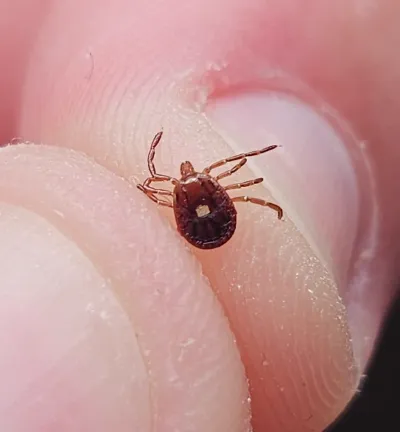
Lone Star Ticks
Amblyomma americanum
Lone star ticks are aggressive blood-feeding parasites named for the distinctive white spot on the female's back. They spread ehrlichiosis, tularemia, and can trigger alpha-gal syndrome, a red meat allergy.
View identification guide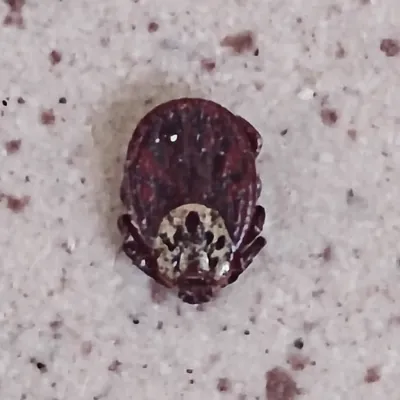
Moose Tick
Dermacentor albipictus
Moose ticks, also known as winter ticks, are one-host parasites that can infest moose with tens of thousands of individuals. These ticks cause the 'ghost moose' phenomenon and have contributed to moose population declines across North America.
View identification guide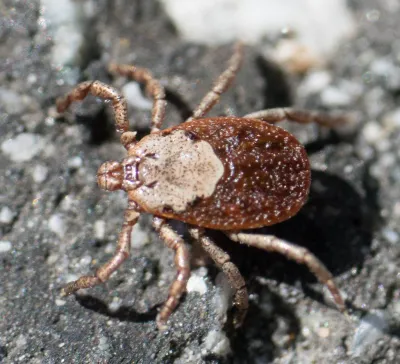
Pacific Coast Tick
Dermacentor occidentalis
The Pacific Coast tick is a hard-bodied tick found in California, Oregon, and northern Mexico. It transmits Rocky Mountain spotted fever, Pacific Coast tick fever, tularemia, and can cause tick paralysis in livestock.
View identification guide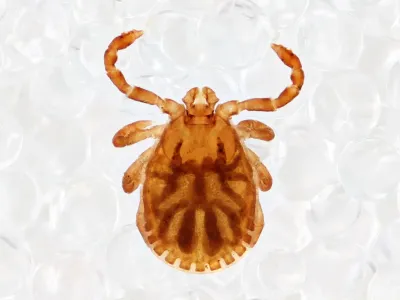
Rabbit Ticks
Haemaphysalis leporispalustris
Rabbit ticks are small, tan to reddish-brown ticks that primarily feed on rabbits and hares. They are found throughout North America from Alaska to Argentina and rarely bite humans, though they can transmit diseases to wildlife.
View identification guide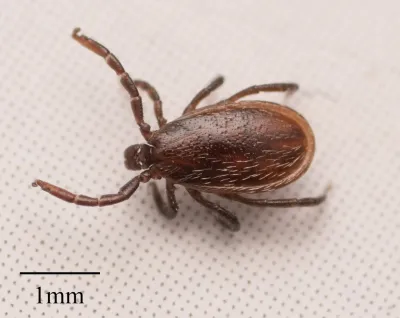
Raccoon Ticks
Ixodes texanus
Raccoon ticks are small parasitic arachnids that primarily feed on raccoons and other wildlife. They can transmit Rocky Mountain spotted fever, ehrlichiosis, and other diseases, though human encounters are rare.
View identification guide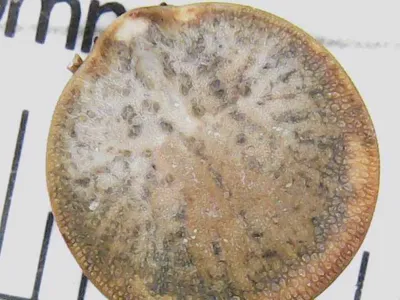
Relapsing Fever Ticks
Ornithodoros turicata
Relapsing fever ticks are soft-bodied ticks that transmit tick-borne relapsing fever to humans. Unlike hard ticks, they feed rapidly at night and live in burrows, caves, and rodent nests in the southwestern United States.
View identification guide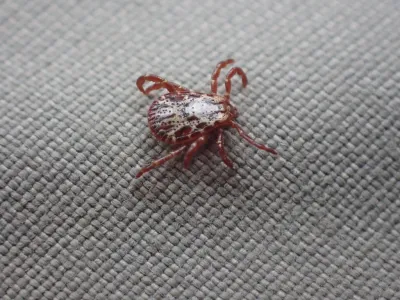
Rocky Mountain Wood Tick
Dermacentor andersoni
The Rocky Mountain wood tick is a hard tick found throughout the western United States and Canada. It is the primary vector for Colorado tick fever and Rocky Mountain spotted fever in western regions, and can cause tick paralysis in humans and pets.
View identification guide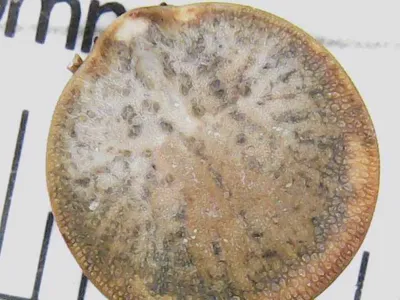
Soft Ticks
Argasidae
Soft ticks are leathery-bodied parasites that differ from common hard ticks. They feed quickly at night, live in sheltered habitats like burrows and caves, and can transmit tick-borne relapsing fever to humans.
View identification guide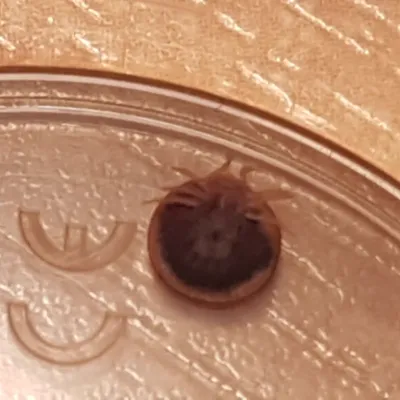
Spinose Ear Ticks
Otobius megnini
Spinose ear ticks are soft-bodied parasites that infest the ear canals of livestock, pets, and occasionally humans. Unlike hard ticks, they complete their feeding stages inside the host's ears and can cause severe irritation and secondary infections.
View identification guide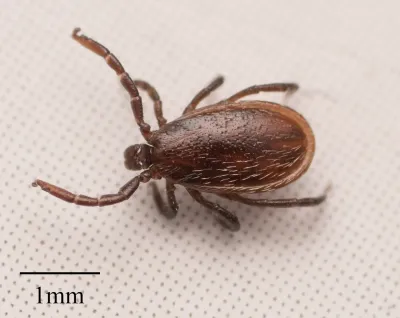
Western Black-legged Tick
Ixodes pacificus
The Western black-legged tick is the primary vector of Lyme disease on the Pacific Coast. This small, dark-colored tick feeds on a variety of hosts and poses significant health risks to humans and pets in western North America.
View identification guide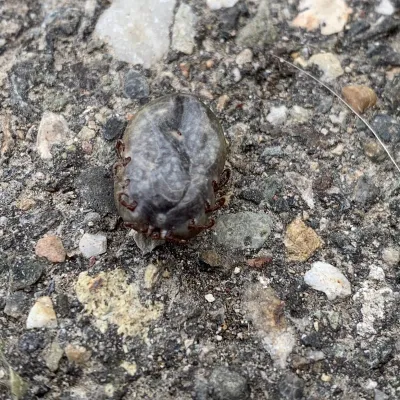
Winter Ticks
Dermacentor albipictus
Winter ticks are one-host parasites that primarily affect moose, deer, and elk in North America. Unlike most ticks, they are most active during colder months from fall through spring and can occasionally attach to dogs, cats, and humans.
View identification guide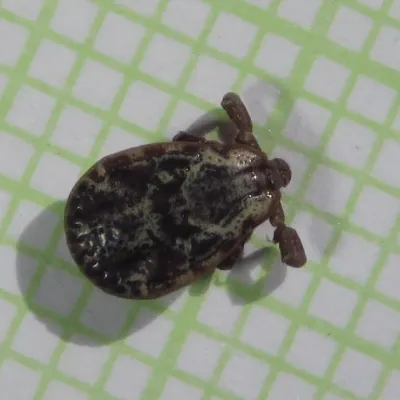
Wood Tick
Dermacentor andersoni
The Rocky Mountain wood tick is a common pest in the western and northwestern United States and Canada. It is a primary carrier of Rocky Mountain spotted fever and Colorado tick fever, and can also cause tick paralysis through a neurotoxin in its saliva.
View identification guideCommon Questions about Ticks
Where do ticks hide in my yard?
+
Ticks like shaded, damp areas such as leaf piles, tall grass, dense shrubs, and woodpiles. They often gather where your lawn meets wooded areas, waiting for a host to walk by.
What diseases do ticks spread in Northern Virginia?
+
The most common tick diseases in our region are Lyme disease, Rocky Mountain spotted fever, ehrlichiosis, and babesiosis. These can cause fever, fatigue, muscle aches, and other health problems if not treated.
How can I prevent ticks from getting on my property?
+
Keep grass short and remove leaf litter and brush. Create a barrier between wooded areas and your lawn. Keep deer and rodents away since they carry ticks. Use vet-approved tick prevention for your pets.
What should I do if I find a tick on me or my pet?
+
Use fine-tipped tweezers to grab the tick close to the skin. Pull straight out with steady pressure. Do not twist, crush, or use heat. Clean the area and watch for signs of tick diseases.
How does your tick treatment work?
+
We apply granular treatments in early spring and late fall to stop breeding. From April through October, we spray the edges of your property where ticks are most active.
Do I need ongoing tick treatments?
+
One treatment helps in the short term, but regular treatments throughout tick season work best. Our seasonal plan targets ticks at each life stage for lasting control.
What products do you use for tick control?
+
We use EPA-registered products that we feel comfortable using in our own homes. We always give you a service report listing the products used on your property.
More Resources About Ticks
Explore our guides and articles for more information about ticks.
- ›Ticks in Maryland: Your Essential Guide to Identification & Control
- ›Flea vs Tick: What Mid-Atlantic Homeowners Need to Know
- ›Picture of a Tick: Identify, Treat, and Prevent Infestations
- ›Tick Identification Chart: Recognize & Remove These Pests
- ›What Does a Tick Look Like? How to Spot Ticks & Tick Bites
- ›Grey Tick: What It Is and How to Treat It Around Your Home
- ›Is Pest Control Worth It? DIY vs Professional Service
- ›Termite Tunnels 101: What These Mud Tubes Mean for Your Home
- ›Wasp Nest Removal: Why Professionals Prevent Return Visits
- ›Are Arachnids Insects? The Key Differences Explained
- ›Is a Spider a Bug? Clearing Up a Common Confusion
- ›What Attracts Clover Mites to DC Homes: Causes Explained
- ›How Much Does Pest Control Cost? 2025 Service Price Guide
- ›How to Get Rid of Spiders: Easy Steps for Homeowners
- ›Termite Prevention & Control
Explore Other Pest Categories
Browse our comprehensive pest library for identification guides and control information.



With five years of hands-on experience in the pest control industry, George Schulz is a registered technician with the Virginia Pest Management Association and a proud third-generation professional in a family business that's been protecting homes for over 57 years.
Find Local Tick Control Services
We provide professional ticks control throughout Virginia, Maryland, and the DC Metro area.
Local Ticks Help
Dealing with ticks at home? Our licensed technicians provide mosquito control across Northern Virginia and Maryland:
- AlexandriaMosquito Control
- AnnandaleMosquito Control
- ArlingtonMosquito Control
- AshburnMosquito Control
- BethesdaMosquito Control
- BowieMosquito Control
- BurkeMosquito Control
- CentrevilleMosquito Control
- ChantillyMosquito Control
- Chevy ChaseMosquito Control
- ClintonMosquito Control
- College ParkMosquito Control
- ColumbiaMosquito Control
- CroftonMosquito Control
- Ellicott CityMosquito Control
- FairfaxMosquito Control
- Fairfax StationMosquito Control
- Falls ChurchMosquito Control
- Fort WashingtonMosquito Control
- FrederickMosquito Control
- FredericksburgMosquito Control
- GainesvilleMosquito Control
- GaithersburgMosquito Control
- GermantownMosquito Control
- Glen BurnieMosquito Control
- Great FallsMosquito Control
- GreenbeltMosquito Control
- HerndonMosquito Control
- HyattsvilleMosquito Control
- KensingtonMosquito Control
- LaurelMosquito Control
- LeesburgMosquito Control
- LortonMosquito Control
- ManassasMosquito Control
- McLeanMosquito Control
- OaktonMosquito Control
- Oxon HillMosquito Control
- PotomacMosquito Control
- RestonMosquito Control
- RockvilleMosquito Control
- Silver SpringMosquito Control
- South RidingMosquito Control
- SpringfieldMosquito Control
- StaffordMosquito Control
- SterlingMosquito Control
- Takoma ParkMosquito Control
- Upper MarlboroMosquito Control
- ViennaMosquito Control
- WaldorfMosquito Control
- WarrentonMosquito Control
- WinchesterMosquito Control
- WoodbridgeMosquito Control
- All service areas →