


When you hear scurrying in your walls or find droppings in your pantry, you might think all mice are the same. But knowing the difference between field mice vs house mice can change how you handle the problem. In my years as a licensed pest control technician, I’ve seen homeowners struggle with rodent issues because they didn’t know which type of mouse they had.
These two types have totally different habits, health risks, and control needs. House mice are year-round indoor pests that breed nonstop. Field mice are seasonal invaders that mainly live outdoors. Getting the ID wrong can mean treatments that don’t work and health risks you didn’t prepare for.

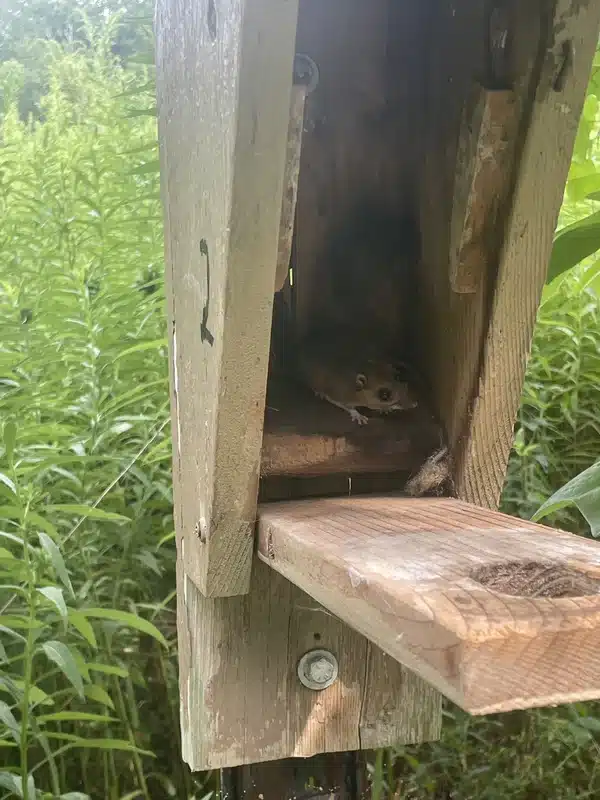

Correct ID drives the treatment plan, so getting this right matters.
How to Tell a Field Mouse From a House Mouse
The easiest way to tell field mice vs house mice apart is coloring. House mice have uniform light-brown to gray coats with slightly lighter bellies. Their tails are nearly the same color as their backs.
Field mice look very different. They have a sharp two-tone pattern: brown or gray backs with pure white bellies, feet, and inner legs. Their tails are also two-toned, dark on top and white underneath.

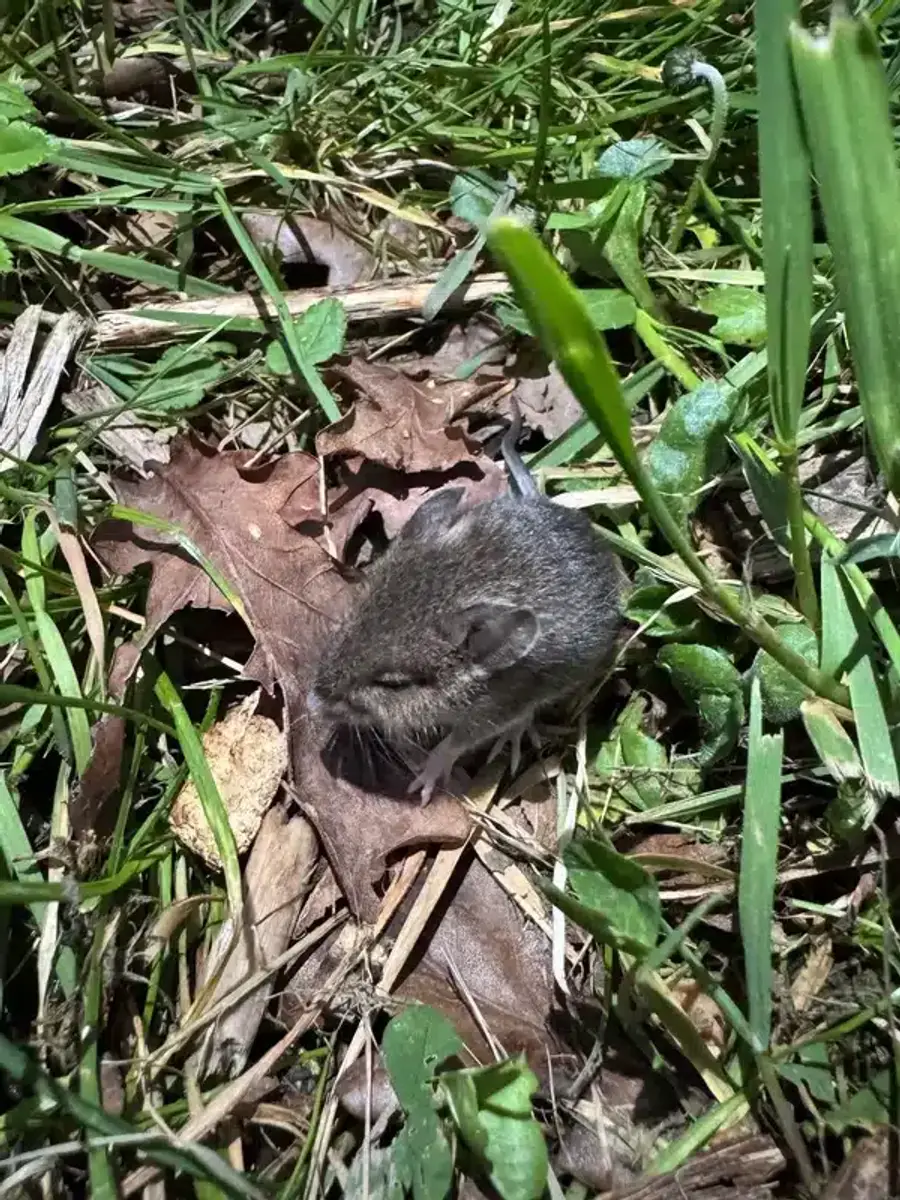
Size-wise, both are similar. House mice run 5-7 inches total (including tail) and weigh about 15 grams. Field mice are slightly bigger at 5.5-8 inches and 16-29 grams.
Field mice also have bigger eyes and ears compared to house mice. This helps them in their mainly outdoor, nighttime lifestyle.
The tail is the second tell if you get a close look. A field mouse tail is lightly furred, two-toned, and usually shorter than the body. A house mouse tail is nearly hairless and scaly, one color, and about as long as the body.
Coloring: Brown back with white belly and feet. Tail: Two-toned (dark on top, white underneath). Eyes and ears: Larger for their body size. Size: 5.5-8 inches, 16-29 grams. Where found: Outdoors in woods and fields, comes inside in fall/winter.
Coloring: Uniform gray-brown all over. Tail: Same color as body. Eyes and ears: Smaller, proportional to body. Size: 5-7 inches, about 15 grams. Where found: Indoors year-round, near kitchens and food storage.
Where Each Species Lives
House mice are drawn to buildings. They do well in homes, barns, and warehouses. They can survive outdoors but prefer the steady food and shelter our homes give them.
Field mice take a different path. These rodents like woodlands, brushy fields, and fencerows. They mainly live outdoors and only use buildings when outdoor conditions get tough.
The seasonal patterns are where field mice vs house mice really differ. Field mice move indoors when nights get cool in fall or food runs low outside. Once spring comes and conditions improve, they head back out.
House mice are year-round pests. They breed well under the cover and warmth that indoor spaces provide. They can grow their numbers every month of the year, making them much harder to get rid of.
If you’re hearing sounds in your walls or finding droppings, acting fast can prevent a small problem from turning into a big one.
Nesting and Diet Differences
House mice make fine-shredded nests from paper, fabric, and insulation. They nest within 30 feet of food, often in wall voids, near appliances, or in stored goods areas.
Field mice build bulky nests from grass and leaves in tree hollows, stumps, or unused building spaces. Here’s a key clue: field mice stash nuts and seeds near their nests. Finding a pile of acorns or cherry pits is a strong sign you have field mice.
Their diets match their lifestyles. House mice nibble on grains but will try almost any human food, pet feed, or even soap, grazing on dozens of tiny meals a night and rarely storing food. Field mice stick to wild foods, and the menu shifts with the season: insects in winter, seeds in spring and fall, fruit in summer. Research on deer mice found that food availability outweighs temperature in driving their movements, which explains why they head indoors when those wild foods dry up.
In winter, several field mice may share one nest and slow their body functions to save energy. House mice don’t slow down at all: indoors they can produce 5 to 10 litters a year.
- Food stashes: Piles of acorns, cherry pits, or seeds near nesting areas
- Nest material: Bulky nests made from grass, leaves, and natural stuff
- Where they nest: Tree hollows, stumps, or unused building spaces
- When active indoors: Mainly fall and winter months
Health Risks: Why Correct ID Matters
This is where telling field mice vs house mice apart becomes critical. Field mice are the main carriers of hantavirus in North America. Deer mice can carry Sin Nombre virus, and studies show that up to 12% of wild deer mice may carry the virus in some regions.
White-footed mice, common in eastern states like Virginia and Maryland, also carry hantavirus. These mice also host ticks that spread Lyme disease, which adds to the risk in Mid-Atlantic areas.
House mice cause different health issues. They’re linked to salmonella and leptospirosis and add to indoor allergens that can trigger asthma, especially in kids. Both species chew wiring, which is a fire risk. While these risks are serious, they’re generally less immediately dangerous than hantavirus.
According to CDC data, deer mice in some regions carry Sin Nombre hantavirus at rates up to 12%. The CDC has tracked over 850 cases of hantavirus pulmonary syndrome since 1993, with a fatality rate of about 35%. White-footed mice in the Mid-Atlantic region are also known carriers. This makes correct species ID critical for proper cleanup procedures.
Because of these differences, cleanup steps change a lot. Field mice problems need strict hantavirus precautions. The CDC’s guidance comes down to a few rules:
- Air the space out before you start, and wear gloves and a respirator in heavy infestations
- Don’t sweep, vacuum, or use compressed air on droppings or nests, since that puts virus particles in the air
- Soak droppings, urine, and nesting material with a bleach solution or disinfectant first, then wipe them up with paper towels
- Bag everything and wash your gloved hands before taking the gloves off
Spotting Mouse Droppings
Both species leave droppings that are 3-6 mm (about 1/8 to 1/4 inch) long, rod-shaped with pointed ends. Field mice droppings may be slightly longer, but this isn’t reliable enough for ID on its own.
House mice drop up to 75 pellets a day along their runways, per Northeast IPM. Better clues include food stashes (field mice) and the extra signs house mice leave that field mice rarely do: a strong musky smell, grease marks along walls from their oily fur, and tiny urine drops along their travel paths. Field mice also scatter their droppings more since they don’t set up the same focused activity zones as house mice.
How Each Species Gets In
Both can squeeze through gaps as small as 1/4 inch. But their entry patterns differ.


House mice usually enter at ground level through gaps around sill plates, pipes, and door thresholds. They want direct access to indoor food and living spaces.
Field mice are great climbers and often enter through roof areas, gaps around windows, and upper-level openings. Since they’re used to trees, they may get into your home from above rather than the ground.
If you’re finding mouse signs mainly in upper levels or near wooded areas, you’re more likely dealing with field mice.
Control Methods for Each Species
Good control depends on knowing which species you have. In my experience building our four-step rodent protocol, correct ID is key to getting results.
House Mice Control
Since house mice breed nonstop indoors, control takes ongoing effort. Snap traps spaced no more than 10 feet apart work well for established indoor colonies.
Long-term baiting with tamper-resistant stations is effective because house mice stay in the building. We focus on finding hot spots during inspection and keeping up tri-annual treatments (three times per year) to prevent population rebounds. That cadence is the backbone of our mouse control service: the first visit knocks the population down, and the return trips are what keep it down.

Field Mice Control
Field mice need a more focused approach tied to entry points and seasonal timing. Since they mainly live outdoors, controlling them often means fixing perimeter conditions and sealing access before peak invasion periods.
Habitat changes work especially well for field mice. Move woodpiles away from the house, trim tree limbs that touch the roof, and cut back vegetation near foundations. Field mice range over much more ground than house mice (up to about 4 acres), so perimeter bait stations do more than traps in the kitchen.
If you trap, snap traps work for both species. For field mice, set them near the seed stashes and bait with nutmeats or peanut butter to match what they’re already eating. House mice take the same baits but need more traps, spaced every 6 to 10 feet along walls, because they feed in so many spots.
One important note: avoid glue boards for field mice. Stressed mice in these traps can release virus-filled waste, increasing hantavirus exposure.
Sealing and Prevention
No matter which species you have, sealing is the best long-term fix. Both can enter through openings as small as 1/4 inch, so thorough work is a must.
Seal all gaps 1/4 inch or larger with metal, hardware cloth, or mortar. Door sweeps are key since both species commonly enter under doors. For mice in attic spaces, focus on roof openings and where pipes enter the building.
Despite what some companies push, full attic re-insulation is rarely needed for mouse control. In most cases I’ve worked, ground-level baiting and sealing gives the best results without the huge expense of insulation replacement.
During my training in Old Town Alexandria, we went to a home where the owners thought they had “just house mice” in their kitchen. What we found changed everything.
- First guess: Standard house mouse problem based on droppings
- Key find: Stashes of sunflower seeds and acorn pieces behind appliances
- Correct ID: Two-tone coloring confirmed field mice (white-footed mice)
- What changed: We immediately switched to hantavirus cleanup procedures
This showed me why correct species ID isn’t just about picking the right trap. It’s about keeping families from serious health risks.
Clean-up plays different roles for each species. For house mice, remove indoor food sources and store pet food and birdseed in metal or glass containers. For field mice, manage outdoor draws like fallen fruit and open bird feeders.
DC Metro Area Specifics
In Virginia, Maryland, and DC, both species create unique challenges. House mice show up year-round in buildings across the region.
White-footed mice live throughout Maryland’s forest edges, while deer mice are more common in western Virginia near the Blue Ridge Mountains. This spread affects both ID and risk assessment.
The region’s humid summers and mild winters create great conditions for house mouse breeding. Populations peak in late summer and fall as outdoor food runs low.
Why Professional ID Matters
After working on hundreds of rodent jobs across Northern Virginia and Maryland, I can’t stress enough how important correct ID is. White-footed mice come up constantly in our Great Falls rodent control work, where homes back up to wooded lots. Calling a field mouse infestation “just house mice” can mean cleanup without hantavirus precautions, a serious health risk.
The control plans also differ a lot. Year-round indoor monitoring is a must for house mice. Seasonal outdoor habitat changes may be enough for field mice. Getting this wrong wastes money and doesn’t fix the problem.
Professional inspection looks at multiple factors: body features, nesting materials, food stashing, entry patterns, and seasonal timing. This gives much better ID than trying to tell species apart by droppings alone.
Also, knowing the differences between rats and mice adds another layer that takes experience to sort out.
Long-Term Management
Good long-term control of either species needs ongoing checks. For house mice, this means tri-annual inspections (three times per year) and re-baiting since these indoor pests can quickly rebuild their numbers.
Field mouse management focuses on seasonal prep and habitat changes. Before fall weather pushes them inside, make sure all entry points are sealed and outdoor draws are managed. That pattern is behind a lot of our rodent work in Sterling, where yards back onto the Horsepen Run wetland and mice head for the nearest foundation once the nights get cold.
Whether you have field mice or house mice, fast action and correct ID are key. Call us at 703-683-2000 or email info@bettertermite.com for a detailed inspection and custom treatment plan.