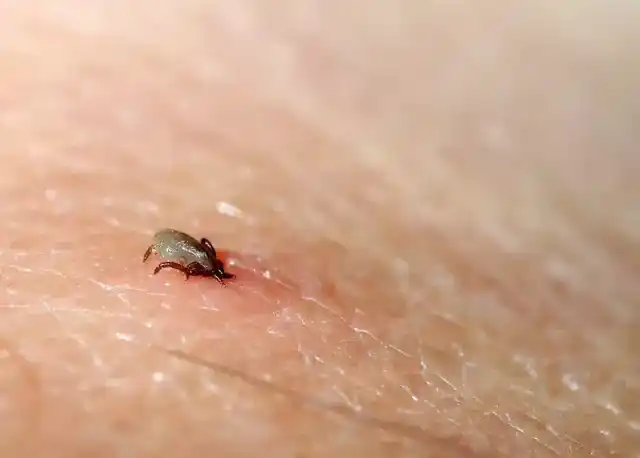

You should be concerned about a tick bite if you get a rash or a fever in the days or weeks after it. That’s the main warning sign the CDC gives. Chills, body aches, joint pain, and swollen lymph nodes are reasons to call a doctor too. So is a tick you couldn’t fully remove. Call 911 for trouble breathing, chest pain, paralysis, or a severe headache.
On the other hand, a small red bump that shows up right away and fades in a day or two is common. Ticks are a big part of our family business in Virginia and Maryland. This is the question I hear most after someone finds one. I’m not a doctor, though, and this isn’t medical advice. Everything health-related below comes from the CDC, MedlinePlus, and state and county health departments.
When to Be Concerned About a Tick Bite: The Warning Signs
Most tick bites don’t make anyone sick. However, the ones that do usually show it with a few clear signs. Here is the checklist, pulled from the CDC and MedlinePlus.
Call your doctor or healthcare provider if you notice:
- A rash anywhere on your body, especially a red patch that grows wider over several days
- A fever or chills
- Headache, fatigue, or muscle aches that feel like the flu
- Joint pain or swelling
- Swollen lymph nodes
- Part of the tick left in your skin that you can’t get out
- Hives, stomach trouble, or swelling a few hours after eating red meat or dairy, which can point to alpha-gal syndrome
The CDC’s after a tick bite page puts it simply: if you develop a rash or fever within several weeks of removing a tick, see your doctor. Additionally, tell the doctor about the bite. Say when it happened and where you likely picked up the tick. Those details help them know which illnesses to look for.
What a Normal Tick Bite Looks Like (Day 1 to Day 4)
A lot of people find a bump after a tick bite and panic. That’s understandable. Still, a small bump on its own is the expected result, and it helps to know what normal looks like.
According to the CDC’s Lyme disease symptoms page, a small red bump at the bite is common. It shows up right away and looks like a mosquito bite. It usually goes away in 1 to 2 days, and it is not a sign of Lyme disease. Basically, it’s your skin reacting to the bite itself.
Some people react more strongly, especially if they’ve been bitten before. The University of Rhode Island’s TickEncounter program says tick saliva can cause a skin reaction within 18 to 72 hours. It can look bad, but on its own it isn’t a sign of disease. However, the same source says a red area that grows larger than a silver dollar could be a sign of Lyme. In that case, show it to a doctor and mention the bite.
Tick Bite Day 4: What’s Normal and What Isn’t
Day 4 is a common time to start worrying, and for good reason. It sits between two very different things. The early bump should be fading or holding steady. Meanwhile, the CDC says the Lyme rash (erythema migrans) shows up 3 to 30 days after a bite, at about 7 days on average.
So on day 4, the question is whether the redness is shrinking or growing. A bump that stays small or fades is consistent with a normal reaction. A red patch that gets wider each day is different. That’s the kind of change to show a doctor. The Lyme rash can expand to 12 inches across or more, and it may feel warm but is rarely itchy or painful.
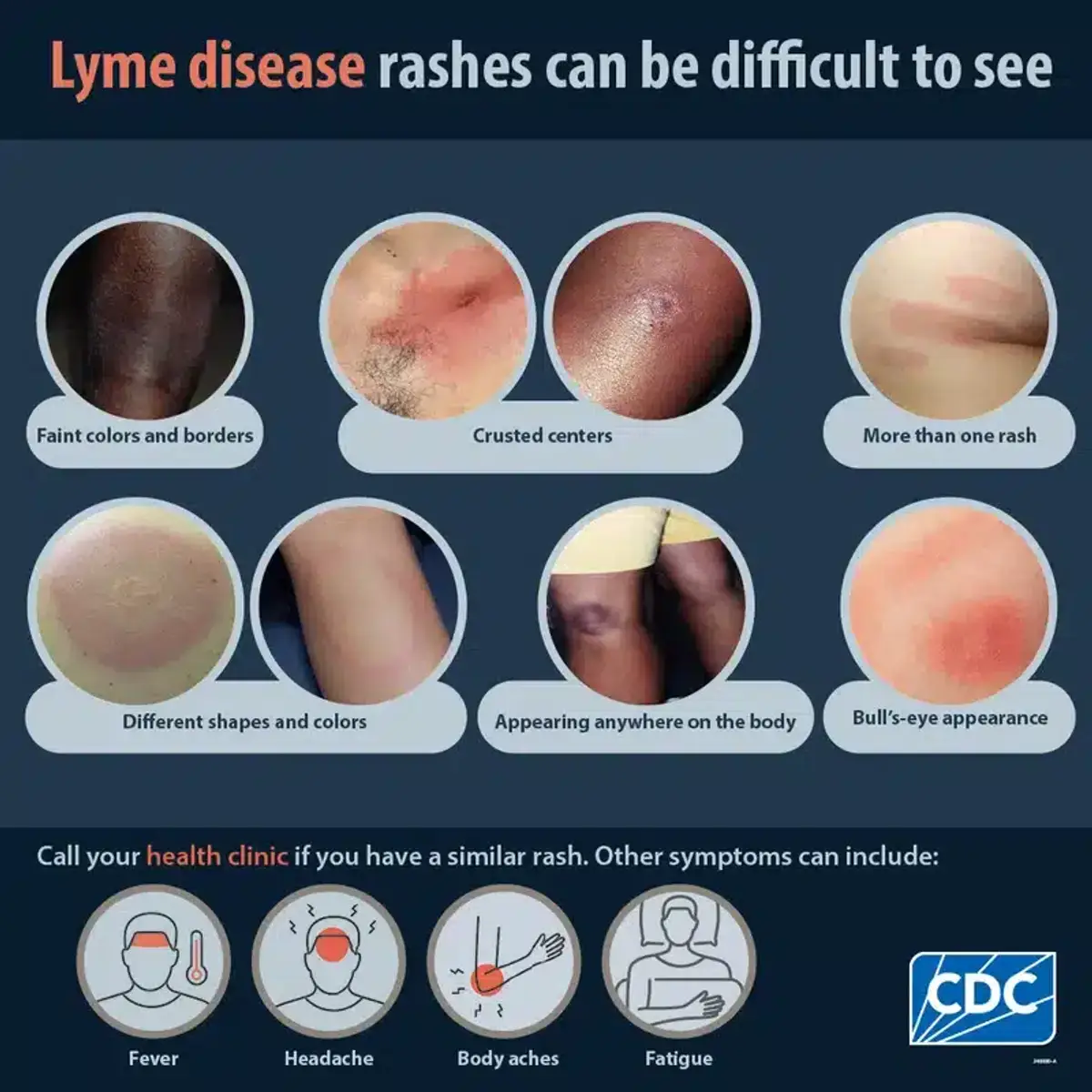
Here is how the first month after a bite usually breaks down, based on the CDC and URI TickEncounter.
Remove the tick as soon as you find it. A small red bump may show up right away. Write down the date and where you think you picked up the tick.
The CDC says the early bump usually clears in 1 to 2 days. It often looks like a mosquito bite.
People who’ve been bitten before can get a bigger skin reaction within 18 to 72 hours, per URI TickEncounter. Watch whether the redness is shrinking or spreading. Spreading redness, or redness bigger than a silver dollar, is a reason to call a doctor.
This is the window when the Lyme rash appears, according to the CDC. Also watch for fever, chills, headache, fatigue, aches, and swollen lymph nodes. These can happen with no rash at all.
How Long Was the Tick Attached?
Attachment time matters, especially for Lyme disease. According to the CDC’s page on how Lyme spreads, in most cases a tick must be attached for more than 24 hours before the Lyme bacterium can be transmitted. So finding and removing a tick quickly lowers the risk a lot.
However, a short attachment isn’t a free pass. Other tick-borne germs don’t all follow the same timeline. Additionally, the CDC notes that blacklegged tick nymphs are about the size of a poppy seed. That makes it easy to miss one for a day or two.
If you think it was on you for more than a day, mention that to your doctor.
The CDC’s clinician guidance describes a single dose of an antibiotic that a doctor may consider after some tick bites. It only applies when several conditions line up:
- The bite happened in a state where Lyme disease is common
- The tick was an adult or nymph blacklegged tick
- It was attached for about 36 hours or more
- The medicine can be started within 72 hours of removing the tick
That decision belongs to your healthcare provider. If your bite fits that description, call them and ask. Also note that the same CDC guidance says this approach is only for Lyme disease, not for other tick-borne illnesses.
Symptoms to Watch For, by Illness
Different tick-borne illnesses show up on different schedules. This table is built from CDC pages. Use it to know what to watch for, not to diagnose yourself.
| Illness | Main tick in our area | When symptoms usually start | What to watch for |
|---|---|---|---|
| Lyme disease | Blacklegged (deer) tick | Rash at 3 to 30 days, about 7 on average | Growing rash, fever, chills, headache, fatigue, aches, swollen lymph nodes |
| Rocky Mountain spotted fever | American dog tick | 3 to 12 days | Fever and headache first; rash often 2 to 4 days after the fever starts |
| Ehrlichiosis | Lone star tick | Within 1 to 2 weeks | Fever, severe headache, muscle aches, nausea, confusion |
| Anaplasmosis | Blacklegged tick | Within 1 to 2 weeks | Fever, chills, severe headache, muscle aches |
| Babesiosis | Blacklegged tick | Around a week or later | Flu-like symptoms; many people have none |
| Powassan virus | Blacklegged tick | 1 week to 1 month | Severe cases bring confusion, loss of coordination, trouble speaking, or seizures |
| Alpha-gal syndrome | Lone star tick | 2 to 6 hours after eating red meat or dairy | Hives, stomach pain, swelling, trouble breathing |
One illness on that list deserves extra attention. The CDC warns that Rocky Mountain spotted fever can be deadly if not treated early. It also tells doctors to start treatment before test results come back. That’s the reason I tell people never to sit on a fever after a tick bite, rash or no rash.
If the tick that bit you was a lone star tick, we have a separate guide on what happens after a lone star tick bite, including alpha-gal syndrome.
Ticks and Tick-Borne Illness in Virginia and Maryland
Our area is not a low-risk place for ticks. According to the Maryland Department of Health, Lyme is the most commonly reported tick-borne disease in Maryland, with over 3,000 cases reported in 2024. Fairfax County’s health department likewise calls Lyme the most commonly reported tick-borne disease in our area.
The Virginia Department of Health lists the main species people run into here:
- Blacklegged (deer) tick: Lyme disease, anaplasmosis, babesiosis, and Powassan virus. See our blacklegged tick guide.
- Lone star tick: found throughout Virginia. Linked to ehrlichiosis, Rocky Mountain spotted fever, STARI, and alpha-gal syndrome. See our lone star tick page and lone star tick map.
- American dog tick: found throughout Virginia. Linked to Rocky Mountain spotted fever and tick paralysis. See our American dog tick page.
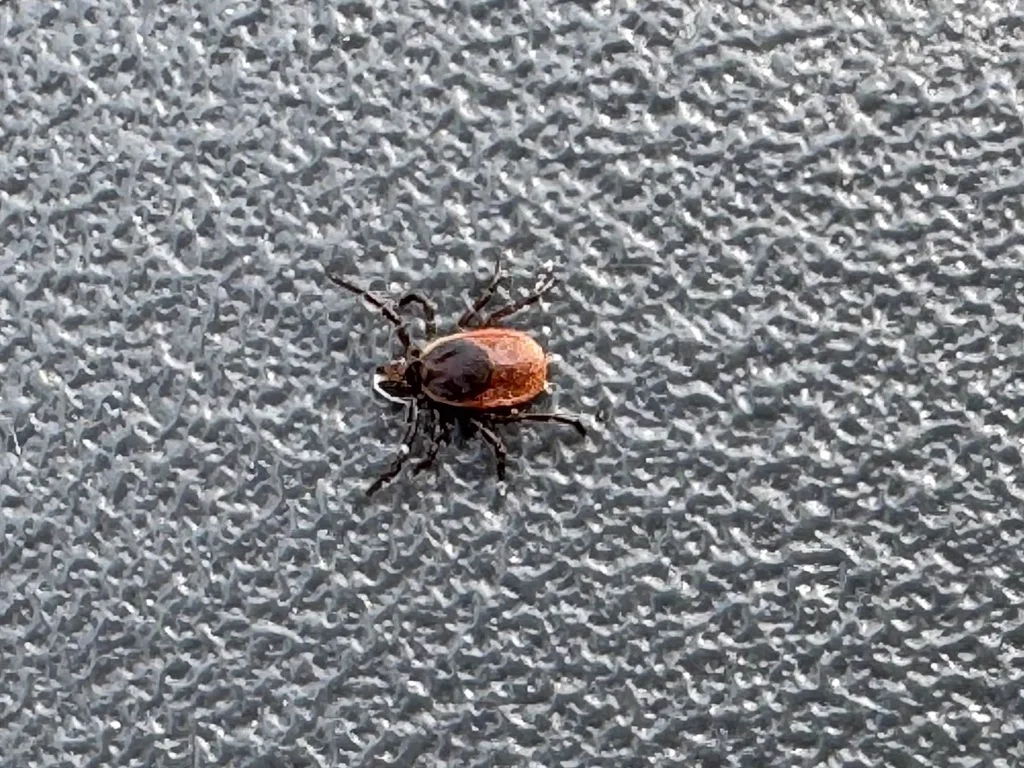
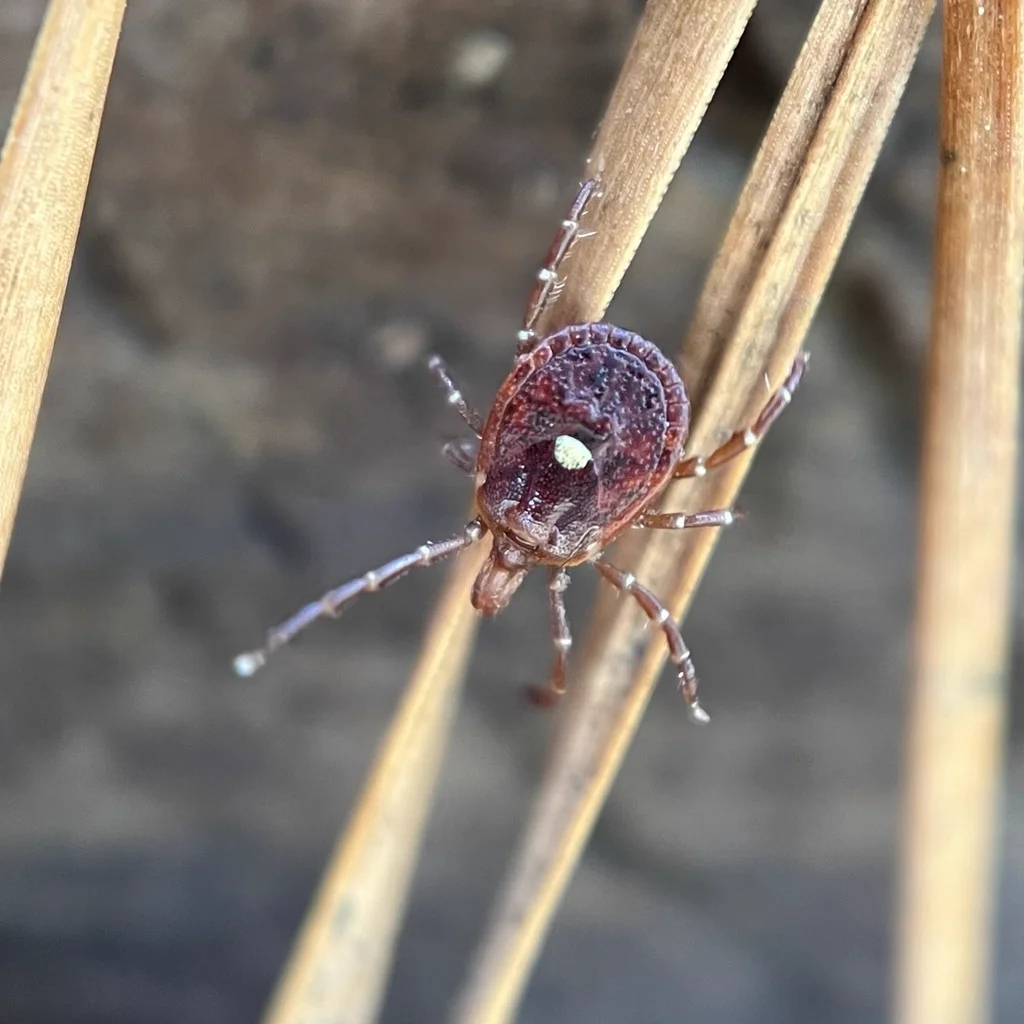
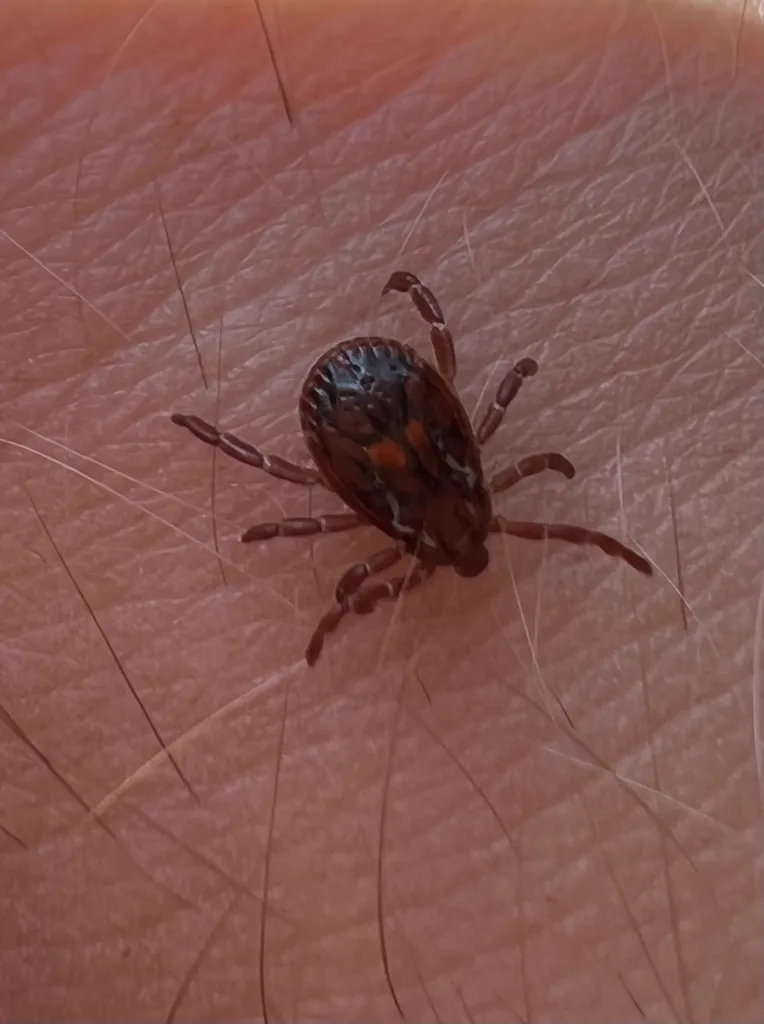

Want to know which one bit you? Our tick identification chart has photos and sizes. Additionally, the Fairfax County Health Department offers a free tick identification service by photo, drop-off, or mail. It doesn’t test ticks for disease, though, and it doesn’t replace a doctor.
For more on local species and seasons, see our guides to ticks in Virginia and ticks in Maryland.
Ticks are personal for a lot of us here. I have a family member and a former co-worker who were both affected by Lyme disease, and it had serious, lasting effects on them. I’ve also seen how fast ticks pile up. On a road trip, I once stepped into a field for just a minute. When I came out, I had four ticks on my leg.
Daren, one of our technicians, has a story that’s even worse. There’s a Fort Hunt property he services with a creek and thick woods behind the house. One year he walked off that job and found 15 or 16 ticks on himself by the time he got home. “To this day when I go to that house I lift up my pant legs and check, because I know they’re there like clockwork,” he says. That yard gets a lot of deer and fox traffic, and wildlife brings ticks with it.
The lesson from both of us is the same. Check yourself after time outside, pull ticks off fast, and take symptoms seriously.
What to Do Right After a Tick Bite
If you just found a tick, here are the steps that matter most. These come straight from CDC guidance. We also have a full, step-by-step guide to tick removal. If part of the tick broke off, see what happens if a tick head is left in your skin.
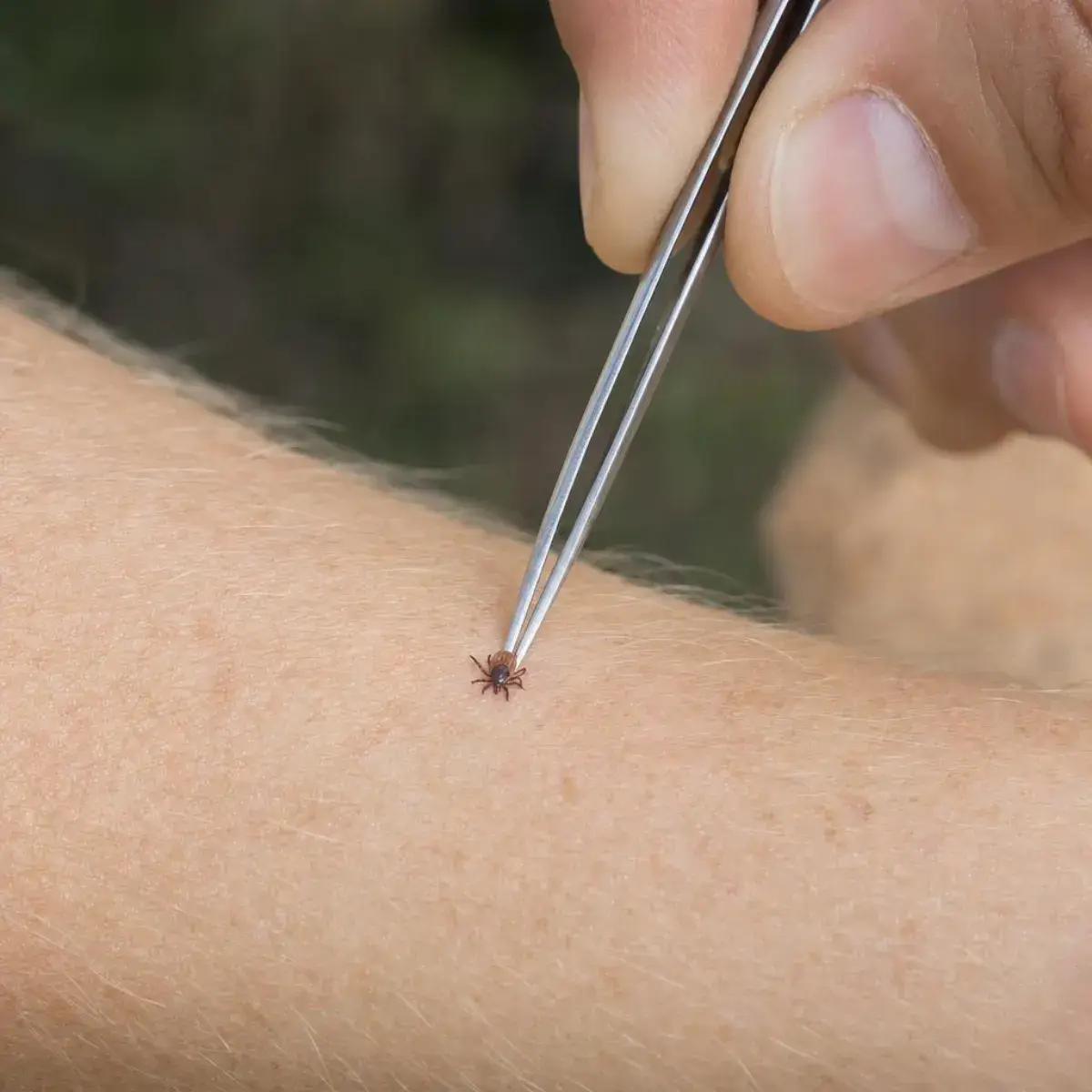
Use clean, fine-tipped tweezers. Grab the tick as close to the skin as you can and pull upward with steady, even pressure. Don’t twist or jerk it. The CDC says not to use petroleum jelly, heat, nail polish, or other substances.
Clean the bite and your hands with rubbing alcohol or soap and water. If part of the tick stays in your skin and you can’t get it out, that’s a reason to contact a provider, per MedlinePlus.
Note the date, where you were, and how long you think the tick was attached. A photo of the tick helps with identification later.
The CDC says tick test results should not be used to make treatment decisions. A negative result can give false comfort. If you feel sick, see a doctor instead of waiting on a test.
Watch the bite and how you feel for about 30 days. A growing rash, fever, chills, or aches all mean it’s time to call your healthcare provider.
Also keep an eye on the bite itself. MedlinePlus’s general bug-bite guidance says to watch for increasing redness, swelling, or pain, which can point to a skin infection. That’s another reason to have a provider take a look.
How to Lower Your Odds of the Next Tick Bite
The best way to avoid worrying about a tick bite is to get fewer of them. Ticks gather in shade, tall grass, leaf litter, and brushy edges where the lawn meets the woods. Keeping grass short and clearing leaf litter makes a real difference. Daren says it helps more than most homeowners realize.
For yards with heavy tick pressure, professional treatment can cut down the numbers. Our tick control service targets the shady edges and brush where ticks wait. We also offer mosquito and tick service for homes in places like Springfield, VA and Alexandria. All the products we use are EPA approved and have passed through our internal research team. Each one is something we’d feel comfortable using around our own homes.
The Bottom Line on When to Worry About a Tick Bite
Most tick bites end with a small bump that fades in a day or two. The time to be concerned is when something changes. That means a rash that keeps growing, a fever, chills, aches, or swollen lymph nodes in the weeks after the bite. Those are signs to call your doctor. Trouble breathing, chest pain, paralysis, or a severe headache mean calling 911.
Remove ticks fast, write down the date, and watch yourself for about a month. And if you keep finding ticks after time in your own yard, that’s something we can help with. Better Termite has served the DMV for 58 years, with more than 100,000 homes treated and 1,800+ reviews. Call us at 703-683-2000 or email info@bettertermite.com for a free estimate.