
If you get bit by a lone star tick, the most common result is a red, itchy bump that can hang around for a couple of weeks. However, this tick can also spread a few illnesses, and its bite is linked to alpha-gal syndrome, an allergy to red meat. So the right move is simple: get the tick off, write down the date, and watch yourself for the next several weeks.
I’m not a doctor, and nothing here is medical advice. I work in pest control, and ticks are a big part of what our family business deals with in Virginia and Maryland. Because this is a health topic, I’m sticking to what the CDC and state health departments say, and I’ll point you to them along the way.
What Happens Right After a Lone Star Tick Bite
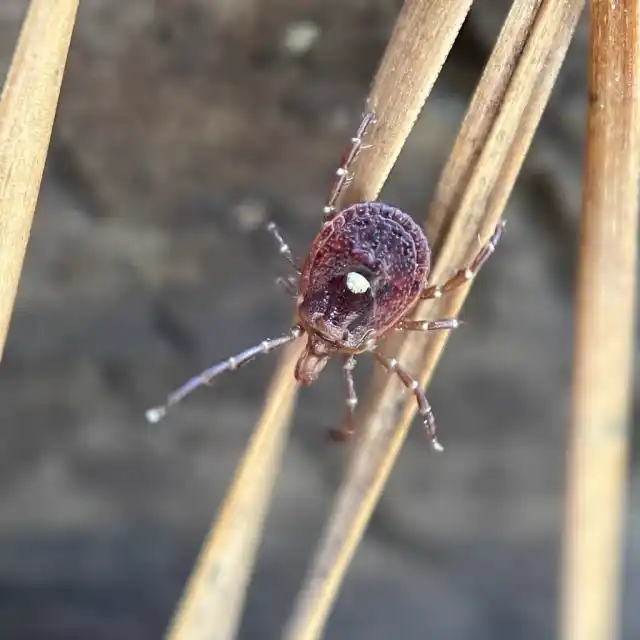
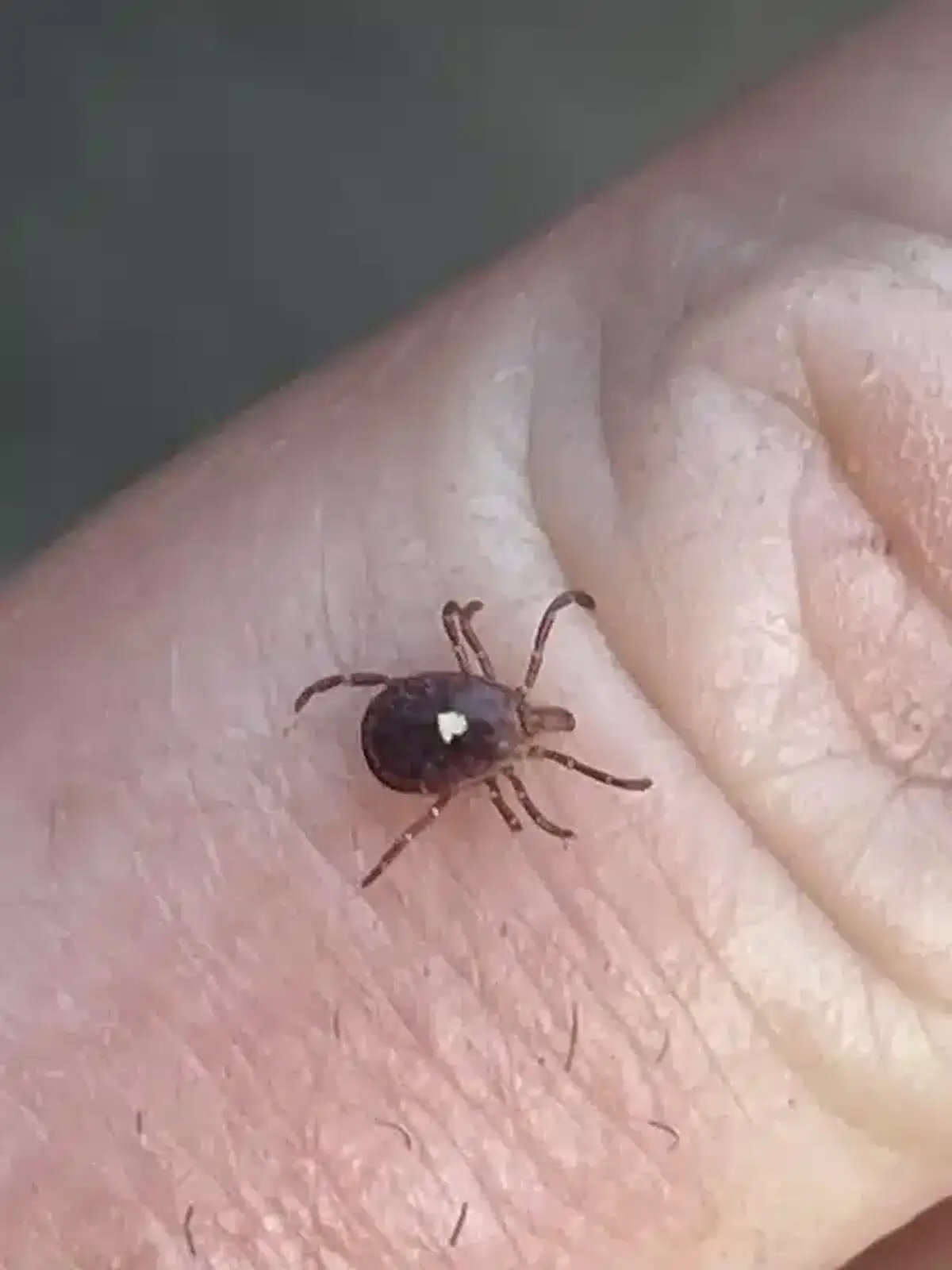
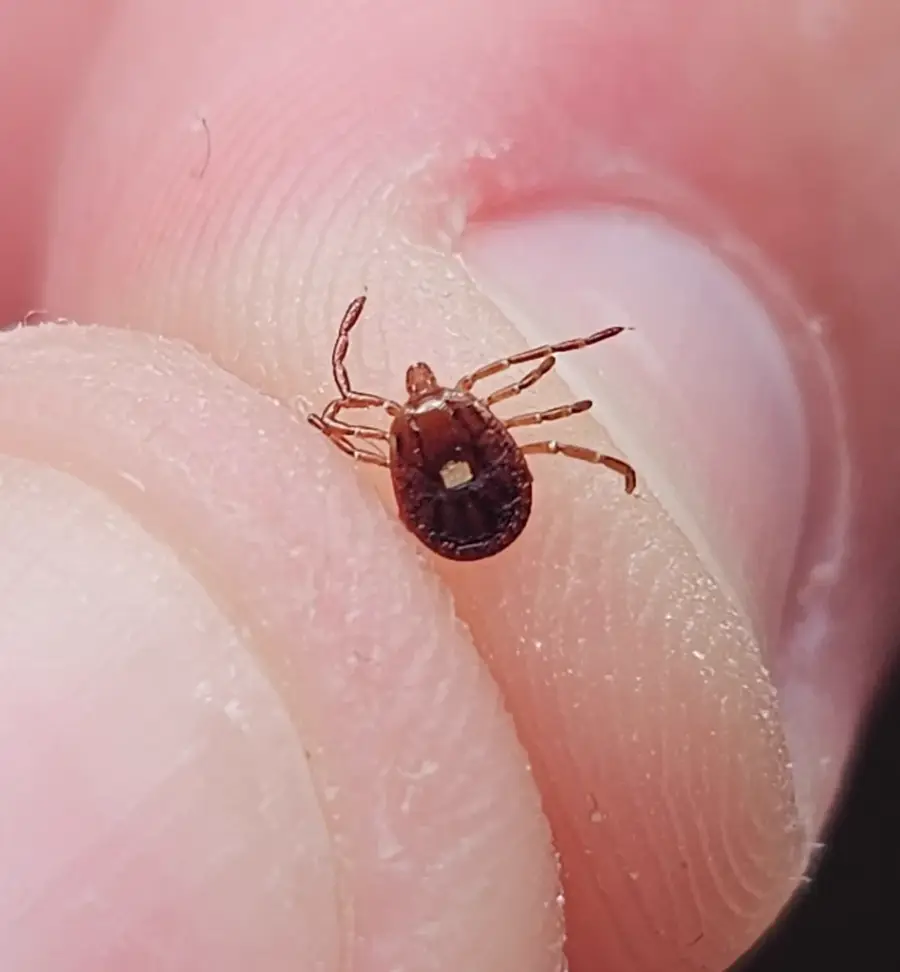
First, a quick bit of background. The CDC describes the lone star tick as “a very aggressive tick that bites humans.” The adult female has a single white dot on her back, which is where the name comes from. Nymphs and adult females are the ones that bite people most often.
You may not feel the bite at all. The CDC notes that tick bites can be painless, so many people don’t remember being bitten. Others only find the tick later, during a shower or a tick check. Once it’s off, most people are left with a small red bump that itches.
That itch is a reaction to the tick’s saliva. According to the University of Kentucky entomology department, it “can cause itching and redness around the bite that may last two weeks or longer.” Basically, an itchy bump on its own is the expected outcome. What matters is what happens next.
Lone Star Tick Bite Timeline: What to Watch For
Different problems show up on different schedules. Here is the timeline, built from CDC guidance. Use it to know what to watch for, not to diagnose yourself.
Remove the tick as soon as you find it. Clean the bite and your hands. Then write down the date and where you think you picked it up. A doctor will ask for both if you get sick later.
Expect a red, itchy bump. The University of Kentucky notes this redness and itching can last two weeks or longer. It’s a reaction to the tick’s saliva.
Watch the skin around the bite. A red patch that keeps spreading outward can be STARI. The CDC says that rash usually appears within 7 days of the bite.
Watch for fever, chills, a bad headache, and muscle aches. The CDC says ehrlichiosis symptoms typically begin 1 to 2 weeks after the bite of an infected tick.
Pay attention to how you feel after eating red meat or dairy. Alpha-gal reactions usually start 2 to 6 hours after the meal, so they’re easy to miss.
Illnesses Linked to Lone Star Tick Bites
A lone star tick bite doesn’t always lead to illness. Still, this tick is tied to several conditions. These are the ones health agencies talk about most.
STARI (Southern Tick-Associated Rash Illness)
STARI is a rash illness that follows some lone star tick bites. According to the CDC’s STARI page, the rash usually appears within 7 days and expands to 3 to 12 inches across. Some people also get fatigue, headache, fever, and muscle and joint pains.
The rash can look a lot like the Lyme disease rash. However, the CDC says the cause of STARI is not known. Additionally, it says it isn’t known whether antibiotics are needed or helpful. That’s a call for your doctor, not for me.
Ehrlichiosis
Ehrlichiosis is a bacterial illness that lone star ticks can spread. The CDC lists the early ehrlichiosis symptoms as fever, chills, severe headache, muscle aches, nausea, vomiting, diarrhea, and loss of appetite. Up to 1 in 3 people report a rash, and it’s more common in children.
This one is the reason I tell people not to brush off a fever after a tick bite. The CDC warns that ehrlichiosis can sometimes cause severe illness if antibiotic treatment is delayed. People under 5, people over 65, and people with weakened immune systems are at higher risk. Early treatment lowers that risk, so see a provider quickly.
Tularemia and Rarer Viruses
The CDC also lists tularemia, Heartland virus, and Bourbon virus among the germs lone star ticks can carry. These are much less common. The advice doesn’t change, though. A fever after a tick bite means a trip to a healthcare provider.
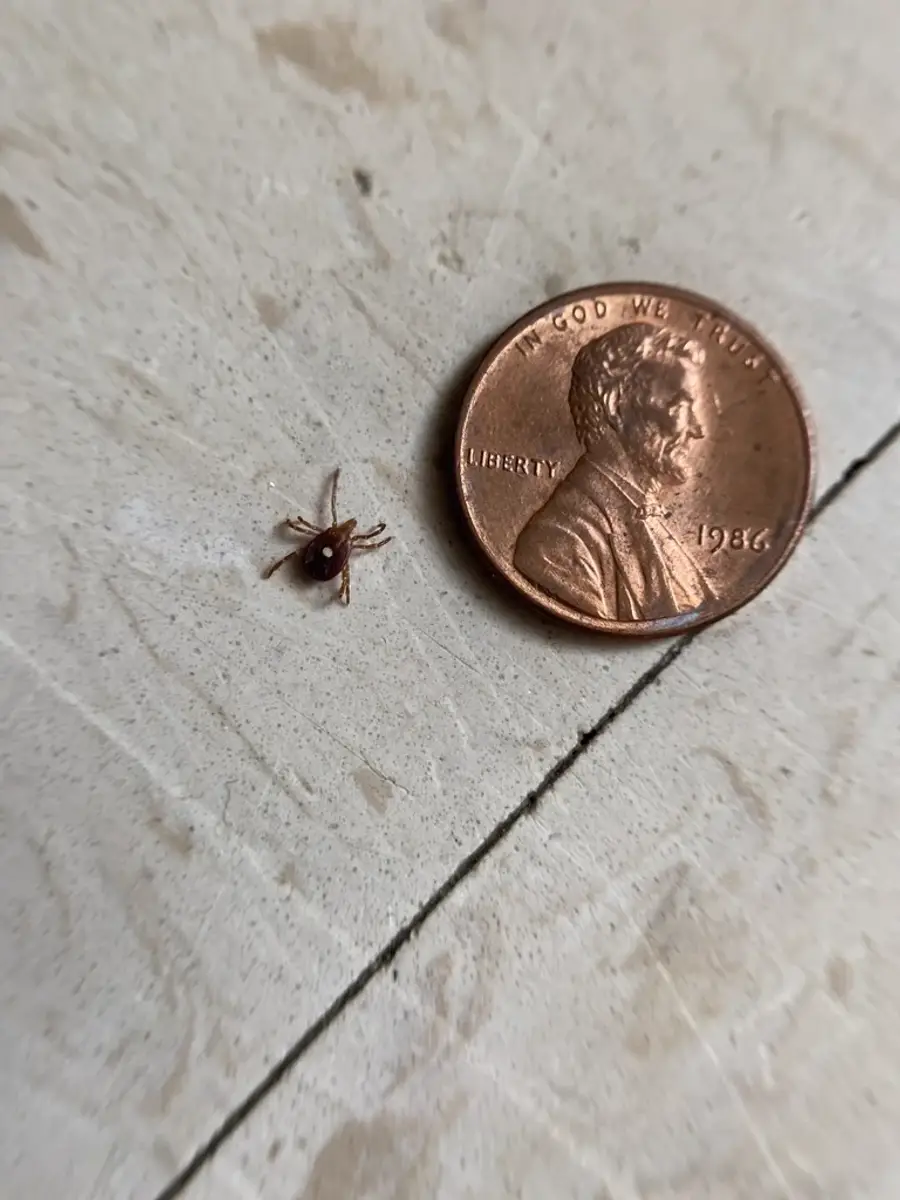
Lone Star Tick Bites and Alpha-Gal Syndrome
This is the one most people have heard about. Alpha-gal syndrome is an allergy to a sugar found in most mammals. After some tick bites, a person’s body starts reacting to red meat, and sometimes to dairy and other products made from mammals.
The CDC’s alpha-gal symptoms list includes:
- Hives or an itchy rash
- Nausea, vomiting, stomach cramps, heartburn, or diarrhea
- Coughing, wheezing, or trouble breathing
- A drop in blood pressure, with dizziness or fainting
- Swelling of the face, mouth, or eyes
What makes it tricky is the delay. The CDC says symptoms usually appear 2 to 6 hours after eating red meat or dairy. So a burger at dinner can mean hives in the middle of the night. Reactions also differ from person to person, and they can be life-threatening.
Nobody knows the exact number, because alpha-gal isn’t a nationally reported condition. A 2023 CDC report found more than 110,000 suspected cases from 2010 to 2022. It estimated that as many as 450,000 people in the United States may have been affected.
Parts of Virginia and Maryland show up in that report among the areas with the highest rates. Bedford County, Virginia had 1,511 suspected cases from 2017 to 2022. That was the second-highest count of any county in the country.
If you notice a pattern like this after a tick bite, talk to a healthcare provider. The CDC says alpha-gal should be managed under the care of an allergist or other provider. For any severe reaction, get emergency care immediately.
Do Lone Star Ticks Carry Lyme Disease?
No. According to Fairfax County’s health department, “the Lone Star tick does not transmit Lyme disease.” In our area, Lyme comes from the blacklegged tick, also called the deer tick.
Because the two ticks carry different things, it helps to know which one bit you. If you can, snap a clear photo of the tick before you get rid of it. Our tick identification chart shows the common species side by side.
What to Do If a Lone Star Tick Bites You
The steps below come from the CDC’s guide on what to do after a tick bite. Don’t wait for an appointment to take the tick off. The University of Kentucky notes that infected ticks must feed for several hours before passing along a germ, so faster is better.
Use clean, fine-tipped tweezers. Grasp the tick as close to the skin’s surface as you can. Try not to squeeze its body.
Pull straight out with steady, even pressure. Don’t twist or jerk it. Skip the petroleum jelly, heat, and nail polish tricks.
Clean the bite and your hands with soap and water, rubbing alcohol, or hand sanitizer. Then check the rest of your body for more ticks.
Put the tick in a sealed container, wrap it tightly in tape, drop it in alcohol, or flush it. Don’t crush it with your fingers.
Watch for a rash or fever over the next several weeks. If either shows up, see a healthcare provider and mention the bite.
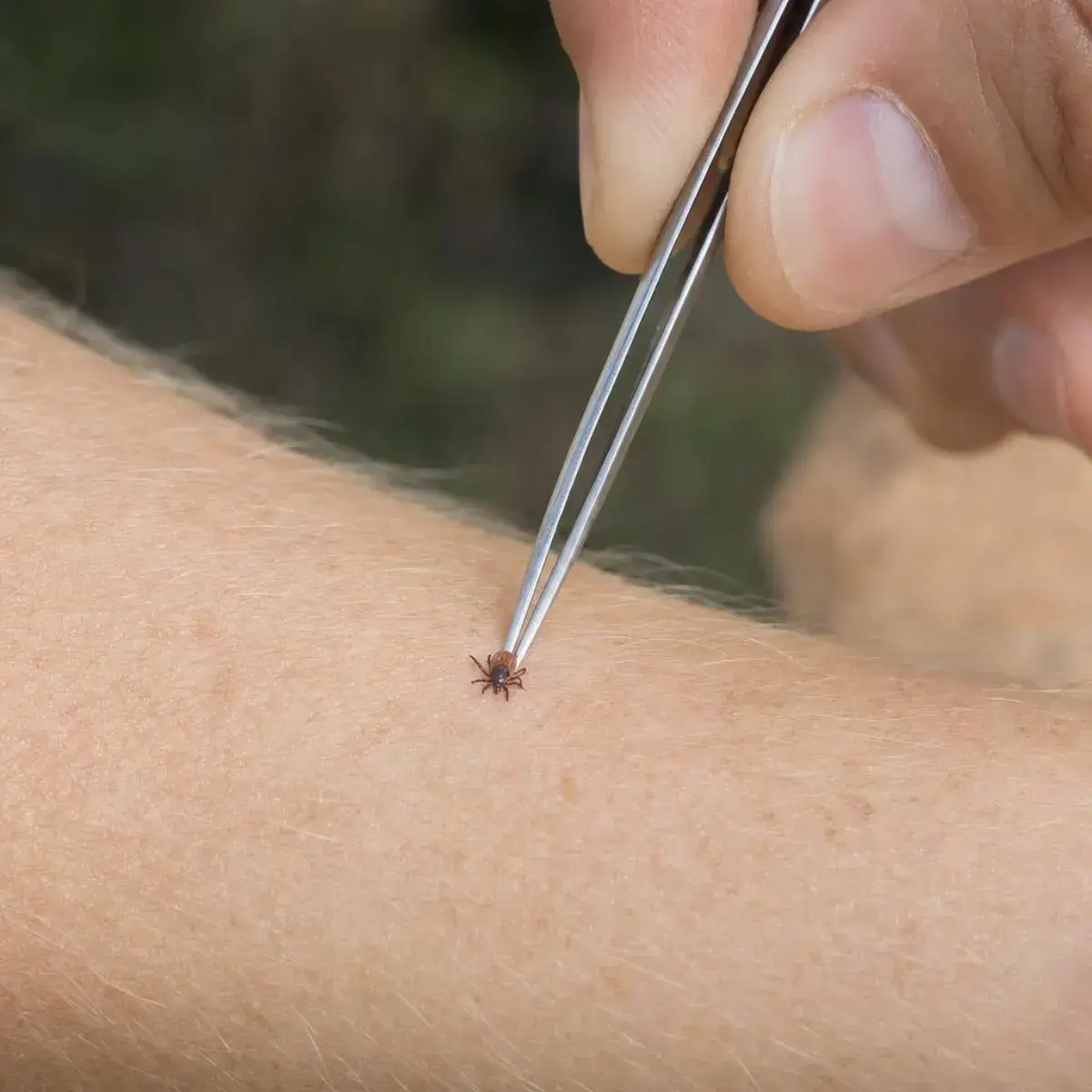
For photos and more detail on each step, see our full tick removal guide.
Where Lone Star Tick Bites Happen in Virginia and Maryland
Lone star ticks are a local problem, not a faraway one. Fairfax County calls it the most commonly found tick in the county. The Virginia Department of Health says it lives throughout the state, usually below 1,600 feet in elevation. VDH also says these ticks are often found in leaf litter on the forest floor or in partly shaded grass.
Timing matters too. VDH lists adults as most active from late winter to early summer. Nymphs are active from late spring through mid-summer. So spring and summer, when most of us are outside the most, are the months to be extra careful.
Most people think of ticks as a backyard pest. In my experience, they’re more often in forested areas and fields. On one road trip, I had to get out of my car and step into a field. When I walked back out, I had four ticks on my leg. It was only a short walk, and I never felt a thing.
That’s why I check my legs after any walk through tall grass now. A bite you catch early is a tick you can pull off early.
Daren, one of our registered technicians, has almost 10 years in the field. He says the single biggest thing a homeowner can do, beyond treatment, is keep the yard well maintained and the grass low. He finds that ticks gather in shaded areas, thick brush, tall grass, and leaf litter.
How to Lower Your Odds of Another Bite
You can’t control ticks on a hiking trail. However, you can make your own yard less friendly to them. Here’s what helps most around the home:
- Keep grass short and trim back overgrown bushes and low limbs.
- Clear leaf litter, especially along fence lines and wooded edges.
- Check yourself, kids, and pets after time outdoors. Our guide on what a tick looks like can help with the tiny ones.
- Know your local species. We cover them in ticks in Virginia and ticks in Maryland.
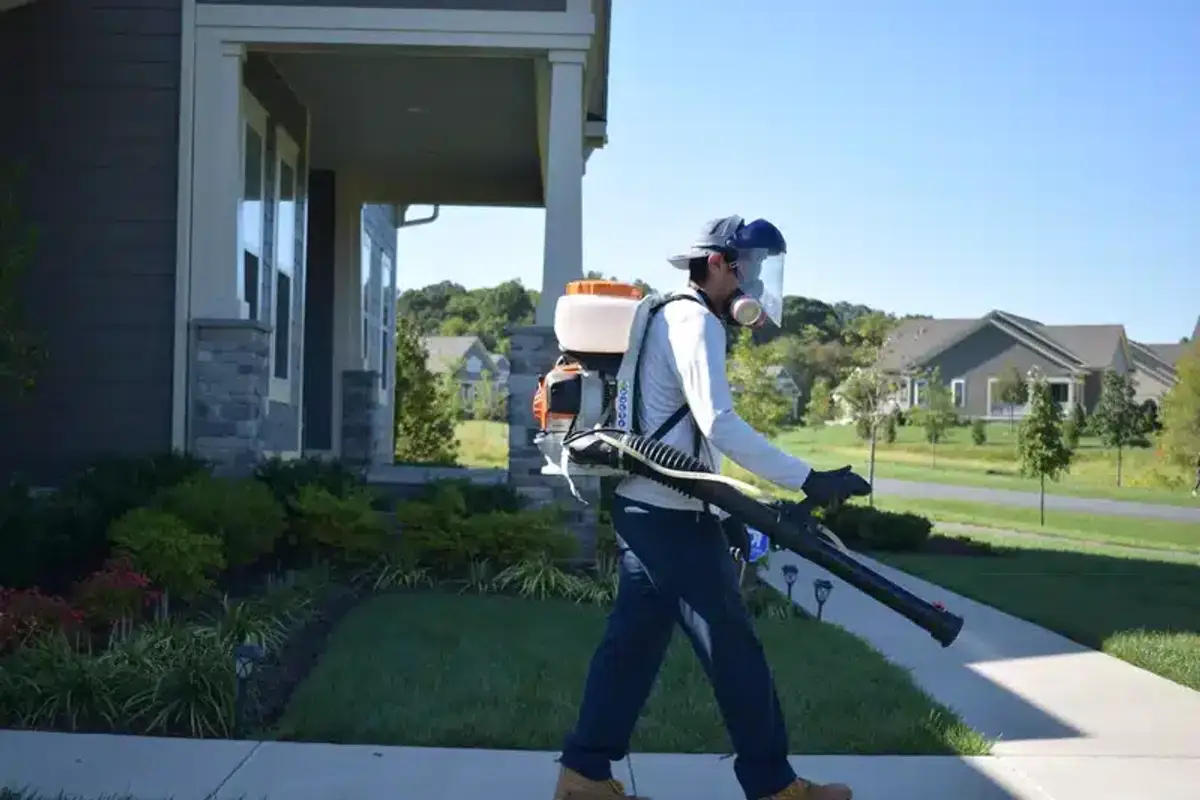
If ticks keep turning up in your yard, professional treatment can help. Our tick control plans focus on the shaded edges, brush, and tall grass where ticks wait. Pricing starts at $75 per service and goes up with yard size. All the products we use are EPA approved and have passed through our internal research team.
The Bottom Line on Lone Star Tick Bites
So, what happens if you get bit by a lone star tick? Usually, you get an itchy red bump and nothing more. But because this tick is linked to ehrlichiosis, STARI, and alpha-gal syndrome, the weeks after the bite matter. Remove the tick, note the date, and see a healthcare provider for any rash, fever, or reaction after eating red meat.
Our family business has been in this industry for 58 years, and we’ve earned 1,800+ reviews along the way. If you have questions about ticks around your home or want an estimate, call us at 703-683-2000 or email info@bettertermite.com.