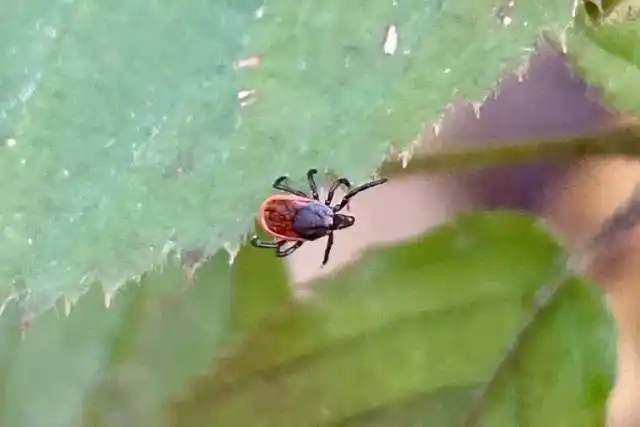

Tick season runs from about April through September. The CDC says ticks are most active in those warmer months, but you can run into one any time of year. The worst stretch is May through July, when tiny deer tick nymphs are out. Then a second wave hits in October and November, when adult deer ticks go looking for a host. In fact, adult deer ticks stay active all winter on any day above freezing.
I’ve spent five years as a licensed technician treating yards across Northern Virginia and suburban Maryland. The question I hear most is “when is tick season over?” The short answer: it never fully ends here. Below is the month-by-month calendar, broken down by species and life stage, so you know what’s biting and when.
Tick Season Calendar: Month by Month
Here’s when each common tick in the DC area is active. The windows come from University of Maryland Extension, and they match what we see in Northern Virginia, too.
| Tick | Adults | Nymphs | Larvae |
|---|---|---|---|
| Blacklegged (deer) tick | All year; peaks fall and early spring | May to August | July to September |
| Lone star tick | April to late August | May to early August | July to late September |
| American dog tick | April to early August | May to July | April to September |
| Brown dog tick | All year (mostly indoors, on dogs) | All year | All year |
Notice the pattern. Late spring and early summer is when almost every species overlaps. That’s why the first few warm months feel like the peak of tick season. However, the deer tick is the one that never takes a real break.
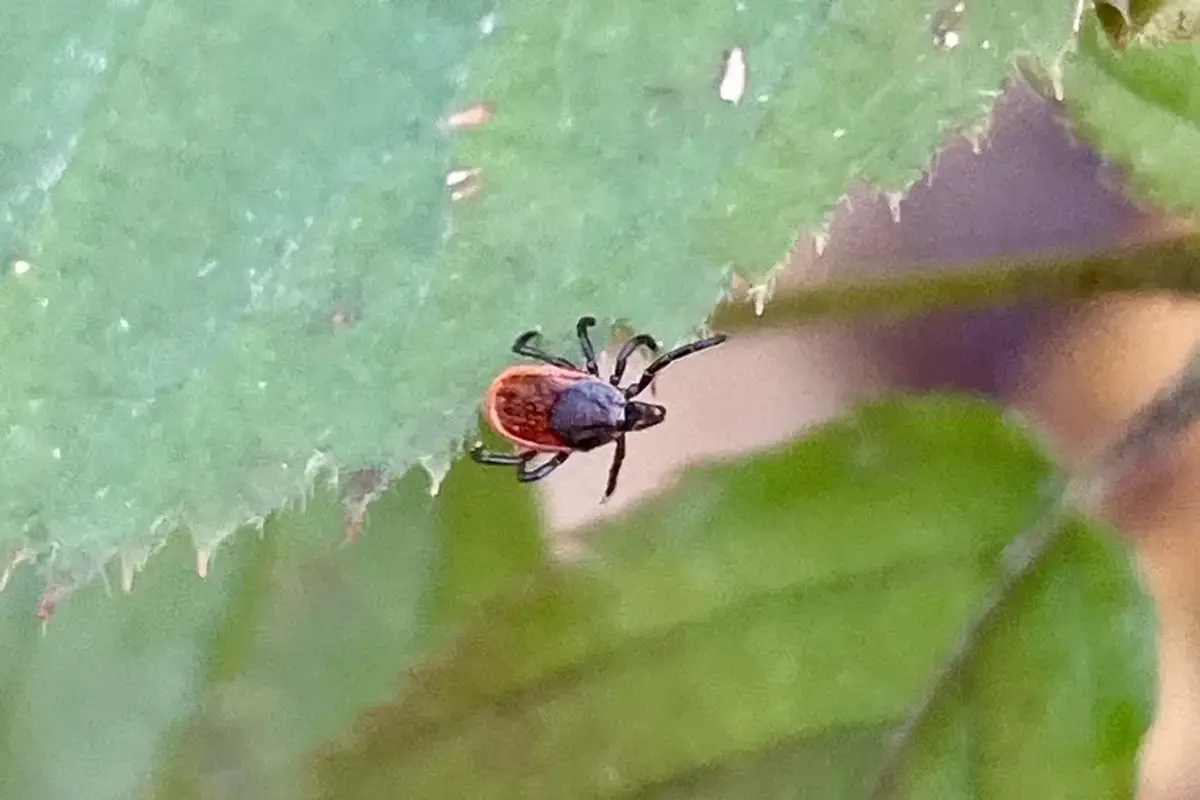
Tick Season by Time of Year
Here’s how a typical year plays out in Northern Virginia and suburban Maryland. Use it to plan your tick checks and yard work.
Adult deer ticks are still out on mild days. Ticks survive freezing temperatures, and they become active again whenever it climbs above freezing. Hunters, hikers, and anyone raking leaves can still pick one up. This is a good time to clear leaf litter before spring.
Adult deer ticks have a second burst of activity. Lone star and American dog tick adults start moving as the ground warms up. Therefore, this is when yard treatments should start, before nymphs hatch out.
This is the heart of tick season. Deer tick nymphs are out, and they’re the stage most likely to give you Lyme disease. Lone star and American dog ticks are at their peak too. Do a full tick check after every trip outside, even in your own yard.
Lone star larvae, often called “seed ticks,” hatch by the hundreds and swarm anyone who brushes past. Deer tick larvae are out too. Hot, dry spells can push nymph numbers down, but ticks stay low in shaded, damp spots.
Most lone star and dog ticks fade out. Meanwhile, adult deer ticks hit their fall peak. Many people relax once the leaves turn, but late October and November is prime time for deer tick bites during leaf cleanup.
When Are Ticks Most Active?
Ticks are most active from May through July. That’s when nymphs, adults, and early larvae of several species all overlap. According to the CDC’s Lyme disease page, deer tick nymphs actively look for hosts from April through July. They’re the highest-risk stage because they’re tiny and easy to miss.
The local disease numbers back this up. In a Virginia Department of Health report, 70% of the state’s Lyme disease cases started between April and September. The peak was in June, right when most deer tick nymphs are feeding. Cases still showed up in every season of the year, though.
Weather Matters as Much as the Calendar
Ticks dry out easily. That’s why they hang out in shaded leaf litter, tall grass, and brush instead of open, sunny lawn. A USGS-backed study found that long dry stretches in the leaf litter during June lowered the number of nymphs that season. In other words, a damp spring and early summer usually means a heavier tick year.
Temperature matters too. Once it’s above freezing, adult deer ticks can be out looking for a host. So a 50-degree day in January carries some real tick risk here.
How Ticks Find You
Ticks don’t fly, jump, or drop from trees. Instead, they “quest.” A tick climbs a blade of grass or the edge of a leaf, holds on with its back legs, and stretches its front legs out. When you brush past, it grabs on and crawls up. That’s why most bites start at the ankles and work their way up.
Tick Season by Species
Each tick in our area keeps its own schedule. Here’s what to watch for with the four you’re most likely to meet.
Blacklegged (Deer) Tick
The blacklegged tick is the main carrier of Lyme disease. Its season runs almost all year. Nymphs peak from May through July. Adults are most active in the fall and again in early spring. Additionally, they stay active through the winter on days above freezing. If you only check yourself in summer, you’ll miss the adults that hitch a ride during fall cleanup.
Lone Star Tick
The lone star tick is the tick most people around here run into. It’s an aggressive biter. According to URI’s TickEncounter, its larvae often latch on by the hundreds. A 2026 Virginia study found adults were most common in May and June, nymphs peaked in June and July, and larvae peaked in August. Lone star bites are also linked to alpha-gal syndrome, a red meat allergy.
American Dog Tick
The American dog tick is a big, mottled tick that loves leaf litter and grassy edges. Adults are out from April into early August, and they’re most common in late spring. You’ll usually find them on dogs and on people who walk along overgrown fields.
Asian Longhorned Tick
The Asian longhorned tick is the newcomer. It was first found in Maryland in 2018 and has since turned up across Virginia, too. There isn’t much local seasonal data yet. However, a New York study found nymphs most active from April to July, adults from June to September, and larvae from August to November.
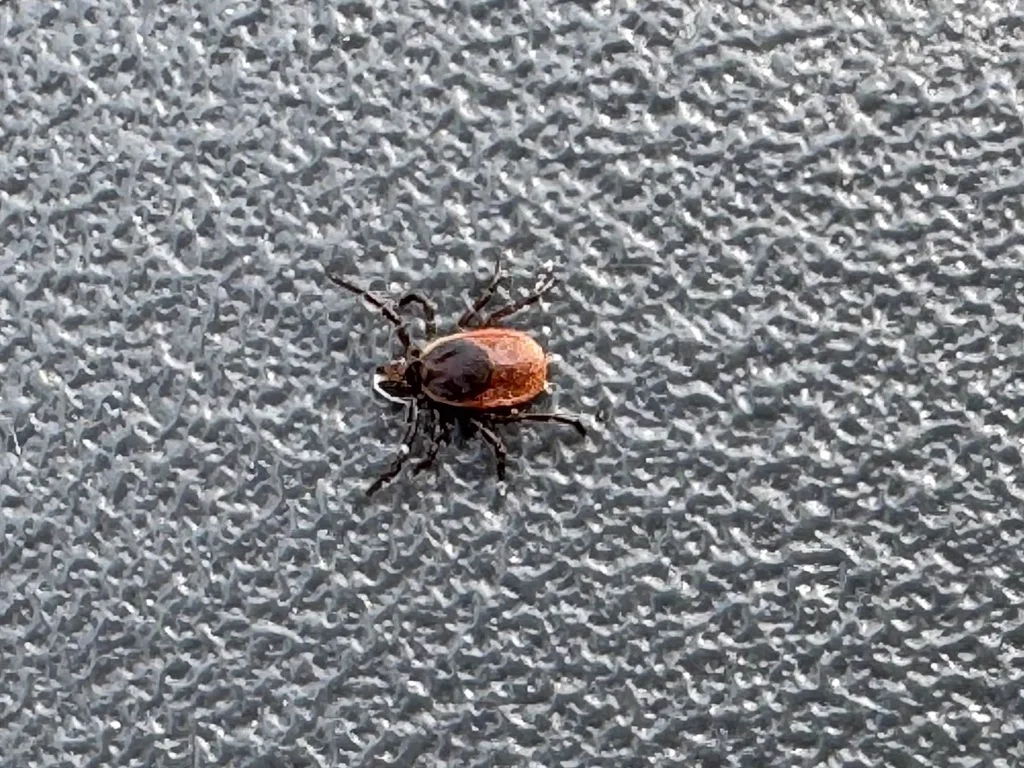
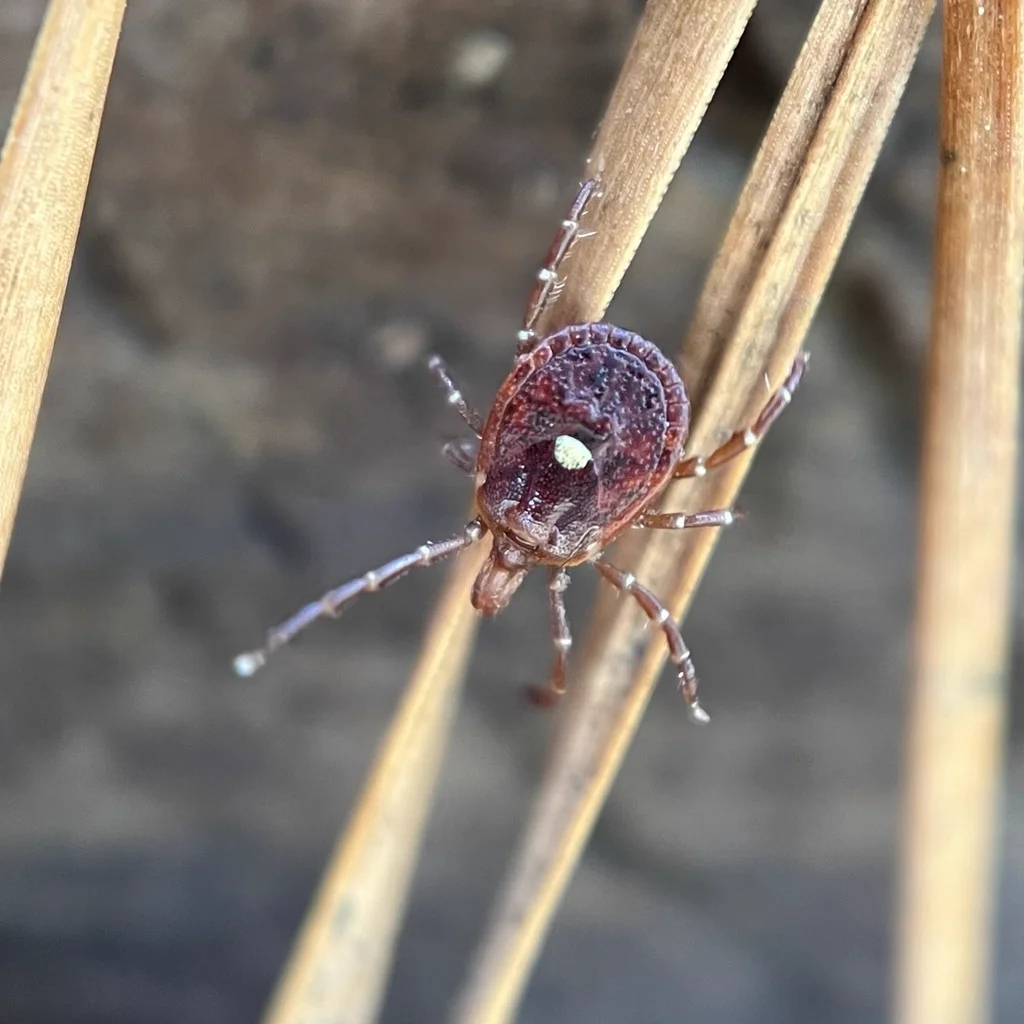
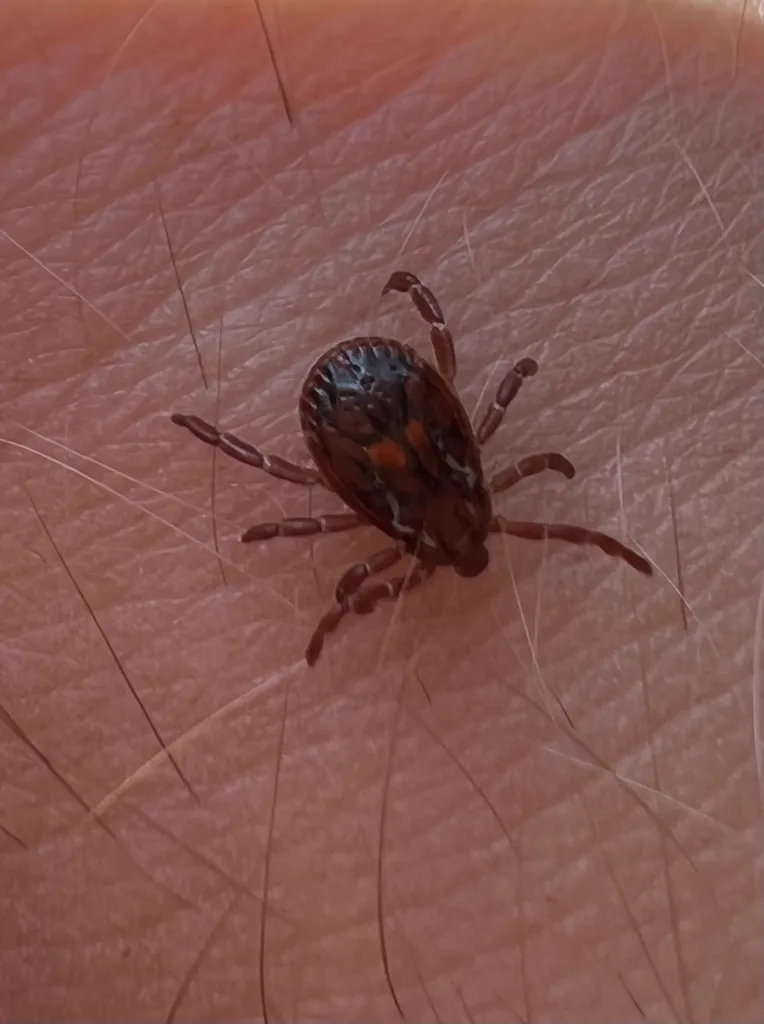


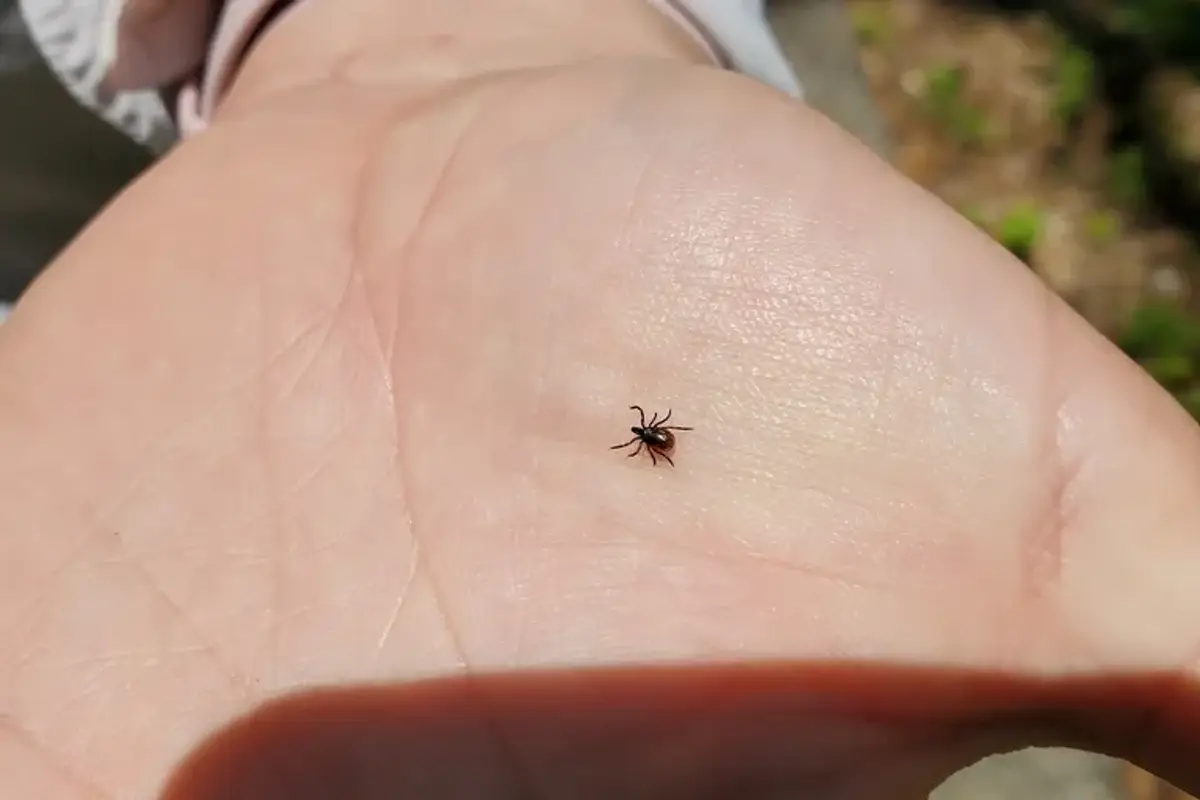
Need help telling them apart? Our tick identification chart and pictures of ticks by stage walk through each one. Also, an engorged tick can swell and turn a dull grey color, which throws a lot of people off.
Are Ticks Active in Winter?
Yes. Adult deer ticks are active on winter days whenever it’s above freezing. A hard frost slows them down, but they survive it. They ride out the cold in leaf litter and come back out on the next mild day.
This matters more every year. The EPA’s climate indicators note that shorter winters could stretch the period when ticks are active. U.S. Lyme disease rates also reached a high of 18.8 cases per 100,000 people in 2022. Climate is only one factor, but our mild Mid-Atlantic winters give ticks plenty of active days.
What to Do During Each Part of Tick Season
Timing your prevention to the calendar helps a lot. Here’s what I recommend.
Late Winter and Early Spring: Prep the Yard
- Rake out leaf litter along fences, beds, and the wood line. That’s where ticks spend the winter.
- Cut back brush and low limbs so more sun reaches the ground.
- Start yard treatments in March, before nymphs come out in May.
Peak Season: Protect Yourself
- Use an EPA-registered repellent on skin, and treat clothes and gear with permethrin.
- Do a full-body tick check after time outside, including your own backyard.
- Shower within two hours of coming in, and tumble dry clothes on high heat for 10 minutes. These steps come straight from the same CDC guidance linked above.
- Keep the grass short, especially near play sets and patios.
Fall: Don’t Let Your Guard Down
- Keep checking for ticks during leaf cleanup and on dogs after walks.
- Bag leaves instead of piling them near the house or play areas.
- Keep tick tubes out. Mice gather nesting material heavily in the fall, which is when tick tubes do their best work.
I learned how fast ticks pile on during a road trip. I had to get out of the car and step into a field for a minute. When I came back out, I had four ticks on my leg. Ticks usually live in fields and wooded edges, not in the middle of your lawn. So the edges of your property matter most.
Daren, one of our registered technicians, has a property in Fort Hunt that proves the point. It has a creek and thick woods out back, plus lots of deer and fox traffic. One summer he walked out of there with 15 or 16 ticks on him. He says June through August is the worst for deer tick nymphs at that house, and he still checks his pant legs every time he leaves. His number one tip for homeowners: keep the yard maintained and the grass low. It helps more than people realize.
Lyme disease is personal for me, too. I’ve seen it affect a family member and a former co-worker, and it had a lasting impact on their health and diet.
Every yard is different, though. A property that backs up to woods or a creek needs a different plan than a small lot with a fenced lawn. That’s why we walk the whole property before we treat.
How We Handle Tick Season
Our tick control program is built around the tick calendar above. We start with a walk of your property to find the hot spots. Then the program runs through the whole season:
- Granular treatments in March and November to hit the spring and fall peaks in leaf litter.
- Targeted sprays from April through October along the edge where your lawn meets woods, brush, or beds.
- Damminix tick tubes that hold permethrin-treated cotton. Mice carry the cotton back to their nests, which kills the young ticks feeding on them.
Tick tubes work best with steady use. A Penn State study found mice took the most cotton in late September and October. The researchers also found tubes needed regular replacement to keep working.
Tick service runs on the same schedule as our mosquito control program, so most families bundle them. Pricing starts at $75 per service, and it goes up with yard size. A seasonal plan brings the per-visit cost down. We cover homes across the region, from Arlington and McLean to Herndon and Chantilly.
All the products we use are EPA approved and have passed through our internal research team. Each one is something we’d feel comfortable using in our own homes.
- Deer ticks have a two-year life cycle. Larvae feed in late summer, nymphs feed the following late spring and summer, and adults feed in the fall and early spring.
- Nymphs cause most Lyme disease cases because they’re so small. Adults are bigger and easier to spot and pull off before they transmit disease.
- Ticks need high humidity. Long dry spells in the leaf litter cut down nymph survival, which is why tick numbers swing from year to year.
- Local data on the Asian longhorned tick is still limited, so its season here may differ a bit from northern studies.
The Bottom Line on Tick Season
Tick season peaks from April through September, and May through July is the riskiest stretch. But in Northern Virginia and Maryland, it never really ends. Adult deer ticks keep biting through fall and winter on mild days. So, plan your yard work and tick checks around the calendar, not just the summer.
Better Termite & Pest Control has protected homes in the DC area for 58 years, and we’ve earned 1800+ reviews along the way. If ticks are taking over your yard, call us at 703-683-2000 or email info@bettertermite.com. We’ll help you get ahead of next season.
Want to dig deeper? Our guides to ticks in Virginia and ticks in Maryland cover the local species and diseases in more detail.