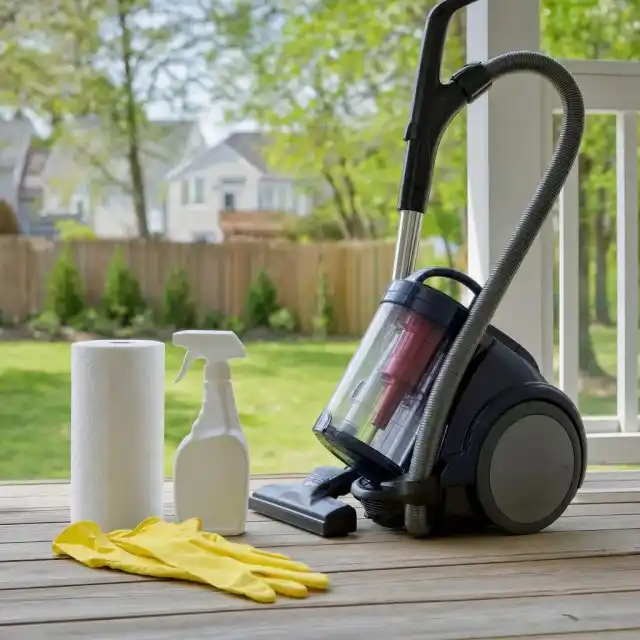

If you accidentally vacuumed mouse droppings, take a breath. For most people this is a low-risk mistake. Turn the vacuum off, open the windows, and take the vacuum outside. Then wet down what’s left with disinfectant, bag the vacuum contents, and clean the vacuum itself. After that, just watch for flu-like symptoms over the next 8 weeks. Call a doctor if any show up.
Here at Better Termite & Pest Control, “I already vacuumed them, now what?” is one of the most common questions I hear after a homeowner finds droppings. The good news is that the CDC has an answer for exactly this. It’s on their cleanup page, and it boils down to one thing: clean up the right way from here on out. Below are the steps I’d follow, how to deal with the vacuum, and which symptoms mean it’s time to call your doctor.
How Worried Should You Be?
Honestly, not very. Hantavirus is the illness everyone thinks of first, and it is serious. However, it’s also rare. The CDC’s case surveillance counted 890 hantavirus cases in the entire US from 1993 through 2023. That’s fewer than 30 a year for the whole country. Additionally, about 94% of them happened west of the Mississippi.
The mouse type matters too. The mouse inside most DMV kitchens and basements is the house mouse. The rodents tied to hantavirus here are wild mice, mainly the deer mouse and the white-footed mouse. They tend to show up in sheds, cabins, garages and homes that back up to woods. Our deer mice vs. house mice guide shows how to tell them apart.
That doesn’t mean house mouse droppings are harmless. House mice can carry LCMV, and their droppings and urine leave allergens in household dust. So the goal now is simple. Don’t keep stirring things up, clean what’s left the right way, and keep an eye on how you feel.
What to Do Right Now
The CDC’s rodent cleanup guidance says it plainly: if you already vacuumed, follow the cleanup steps on its page. Here’s that process, in the order I’d do it.
Turn the vacuum off and don’t run it again inside. Each pass blows fine dust out through the exhaust. Also, don’t open or empty the canister indoors.
Open every door and window in the room and leave for 30 minutes. This is the CDC’s first cleanup step. It lets fresh air clear out whatever dust the vacuum kicked up. Keep kids and pets out of the room, too.
Put on rubber or plastic gloves. Then carry the vacuum outside to a porch, patio or driveway. Sunlight and open air are your friends here.
Deal with the bag or canister outdoors. The full process is in the next section.
Go back to the spot where the droppings were. Spray any you missed until they’re soaking wet, wait 5 minutes, and wipe them up with paper towels. Then mop or wipe the area with disinfectant.
How to Clean the Vacuum After Mouse Droppings
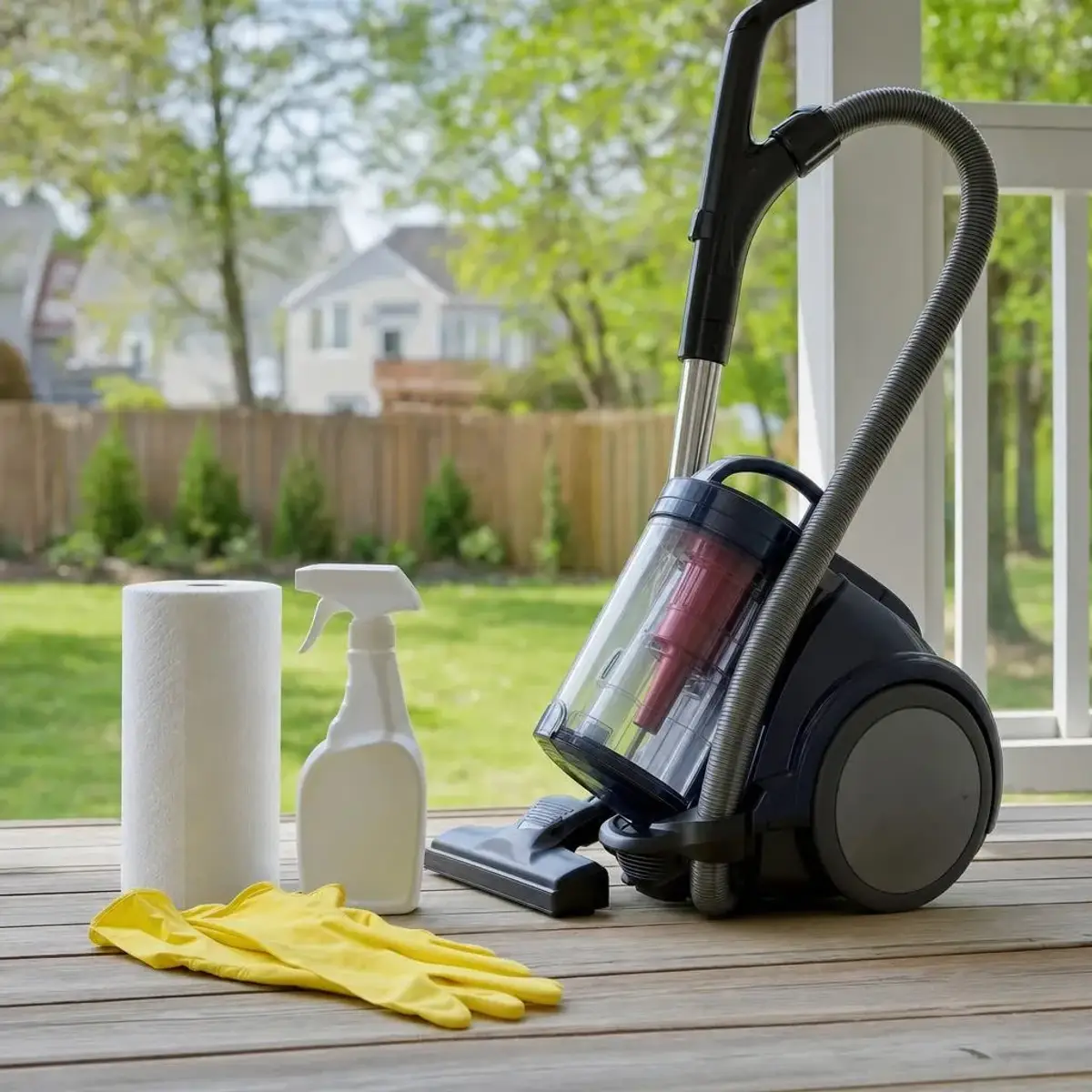
The CDC doesn’t publish steps for cleaning a vacuum after the fact. So the steps below apply its main rules to the vacuum: wet it before you touch it, bag what you throw out, and disinfect hard surfaces. Do all of this outdoors with gloves on.
If Your Vacuum Uses a Bag
- Mist the bag opening. Lightly spray disinfectant into the bag’s opening so the dust inside stays damp.
- Seal it up. Slide the bag off, drop it into a plastic trash bag, and tie it shut. Then put that inside a second bag. Washington State’s health department recommends double-bagging rodent cleanup waste.
- Toss it. Put it in an outdoor trash can with a lid.
If Your Vacuum Is Bagless
- Wet the contents first. Spray disinfectant into the canister until the dust and debris are damp. Don’t dump dry dust into the wind.
- Empty it into a plastic bag. Hold the canister down inside a trash bag while you empty it. That keeps any puff of dust inside the bag. Then double-bag it.
- Wash the canister. Wipe or rinse the empty canister with disinfectant or a bleach solution. Let it air dry in the sun.
Then Finish the Rest of the Vacuum
- Filter: if it’s a disposable filter, bag it and replace it. If it’s washable, check the manual before using bleach on it. Many washable filters only handle water and mild soap.
- Hose and brush roll: wipe the hose end, brush roll and any attachments you used with disinfectant.
- Outside of the vacuum: wipe down the body and handle, then let everything dry outdoors.
How to Clean the Rest of the Area
Once the vacuum is handled, the area itself needs the same wet treatment. This is where most people want to grab the vacuum again. Don’t. The CDC says not to vacuum or sweep droppings or contaminated surfaces until they’ve been disinfected.
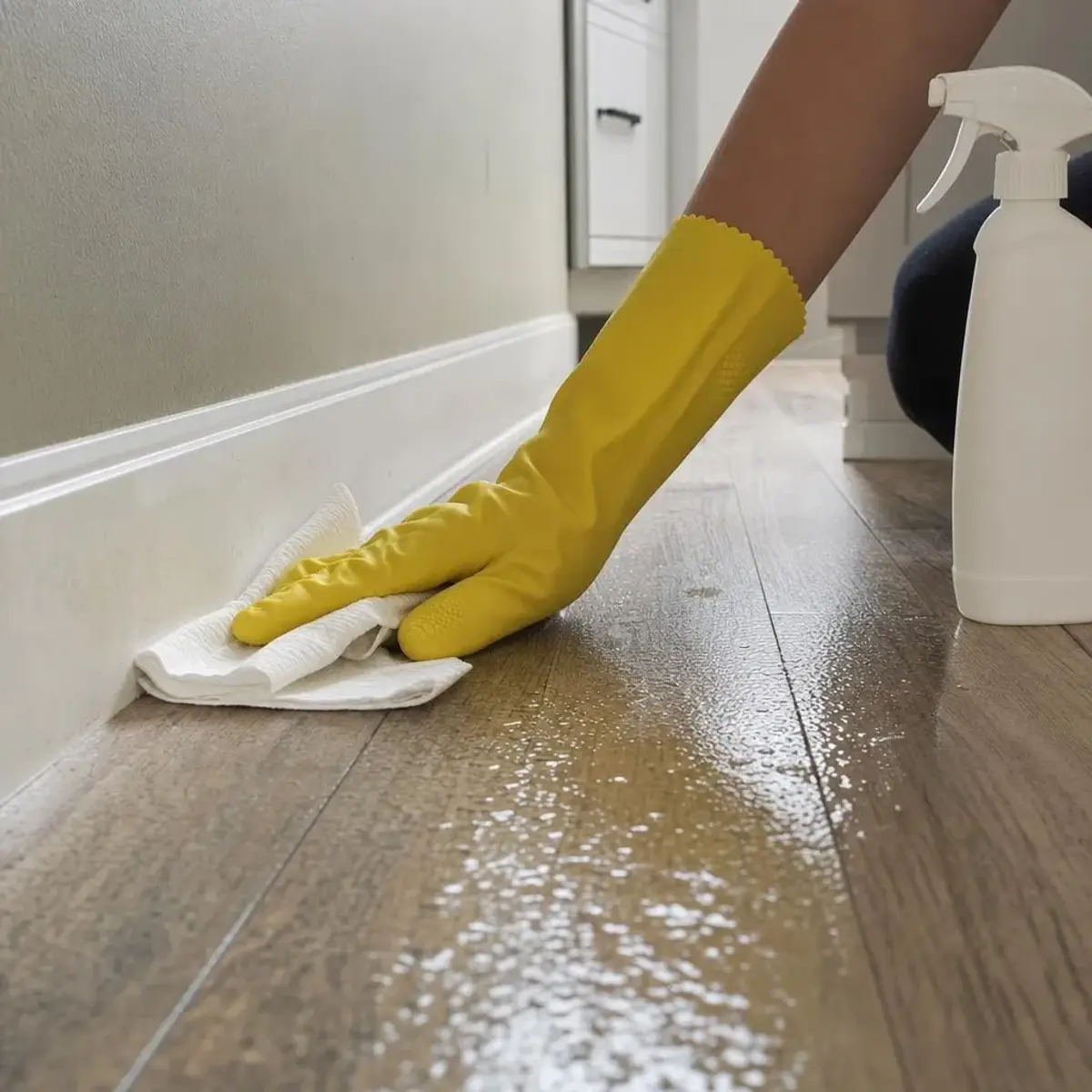
- Hard floors and counters: spray until wet, soak 5 minutes, wipe with paper towels, then mop with disinfectant.
- Carpets and rugs: shampoo them with a commercial disinfectant or use a commercial-grade steam cleaner.
- Couches and upholstery: treat them the same way as carpet.
- Bedding, clothes and stuffed animals: wash in hot water with detergent. Then dry on high heat or in the sun.
If you’re not sure what droppings look like, or there might be more you haven’t found, our mouse droppings guide covers identification and the usual hiding spots. It also explains how to tell fresh droppings from old ones.
Symptoms to Watch For Over the Next 8 Weeks
You don’t need to see a doctor just because you vacuumed droppings and feel fine. What you do want is a rough idea of the timeline, so a fever three weeks from now doesn’t get brushed off as a cold.
Finish the cleanup and make a mental note of the date. If you see a doctor later, the date helps.
LCMV is the virus most tied to house mice, according to the CDC. Symptoms usually start about 8 to 13 days after infection. They include fever, fatigue, poor appetite, muscle aches, headache, nausea and vomiting. Pregnant women and people with weakened immune systems are at higher risk.
Hantavirus symptoms usually start 1 to 8 weeks after contact with an infected rodent. Early signs are fatigue, fever and muscle aches, especially in the thighs, hips and back. Headache, dizziness, chills, nausea and stomach pain are also common. Four to 10 days later, coughing and shortness of breath can follow.
If you feel fine 8 weeks out, you’re past the usual hantavirus window. At this point, keep your attention on making sure the mice are gone.
Allergies are the other thing to know about. Mouse droppings and urine break down into dust, and vacuuming spreads that dust around. A study by NIH researchers found mouse allergen in 82% of the US homes they tested. In people with allergies, higher levels raised the odds of asthma symptoms. So if someone in your home has asthma and starts wheezing after the vacuuming, that’s worth a call to their doctor too.
The main way hantavirus reaches people is through the air. Dried droppings and urine break into tiny particles, and vacuuming or sweeping puts them into the air you breathe. A household vacuum can make it worse, because it blows fine dust back out through the exhaust.
The fix is the same reason the risk drops fast once you start cleaning correctly. The CDC’s 2002 hantavirus guidance says these viruses have fatty outer layers that dilute bleach, detergents and most household disinfectants break down. It adds that the virus probably survives less than a week indoors and only hours in outdoor sunlight. Wetting everything down with disinfectant keeps particles on the surface and breaks down the virus at the same time.
Also, the CDC notes that US hantaviruses are not known to spread from person to person. You can’t pass it to your family. The 2026 cruise ship outbreak in the news involved Andes virus, a South American strain, not the type found in US homes.
The Bigger Problem: Mice Are Still Active
Here’s what I tell every homeowner who calls about this. The droppings you vacuumed up are already handled. The real question is where they came from. Mice leave droppings constantly, so a few under the sink or behind the couch usually means there’s ongoing activity somewhere nearby.
One house I took over from another company had been dealing with mice for a long time. The previous company had been using snap traps and glue boards, with no bait stations at all. When I set bait, it was gone by the follow-up visit, with droppings everywhere. We spent a long time finding every entry point. I even got on a ladder and sealed around the soffit. We had four straight months with no activity, and then it came back. I finally spotted a twig sticking out above where I’d sealed. Squirrels had chewed a hole in the soffit, birds had moved in, and that’s how the mice were getting back in. Once we sealed it, the house went quiet.
The lesson is that cleanup only fixes today. Finding the entry points is what stops new droppings from showing up next week.
A mouse can squeeze through a gap about the size of a dime. If you can fit the tip of your pinky in a hole, a mouse can get through it. The usual spots are around utility lines, under garage door trim, weep holes and crawl space vents. Our guide on how to get rid of mice walks through what works. You can also check our list of tips to keep mice out for the prevention side.
When to Call a Professional
You can handle a small, one-time cleanup on your own with the steps above. However, I’d call a pro when:
- You keep finding new droppings after you’ve cleaned.
- There’s a nest, or droppings are in the attic, crawl space, walls or HVAC area. Our mice in the attic guide covers that situation.
- Someone in the home is pregnant, immunocompromised or has asthma, and you’d rather not handle the cleanup.
- You hear scratching in the walls or ceiling at night.
Our rodent control program focuses on finding and sealing entry points and setting bait stations, rather than just trapping the mice you can see. We serve homes across Northern Virginia, DC and Maryland, including rodent control in Alexandria and rodent control in Reston. Our licensed technicians have helped protect homes in this area for 58 years. We’re also proud to have earned 1,800+ reviews from local homeowners.
The Bottom Line
Accidentally vacuuming mouse droppings is a common mistake. For most people, it’s a low-risk one. Stop vacuuming, air out the room, and clean the vacuum and floor with the wet method. Then watch for flu-like symptoms for about 8 weeks, and see a doctor if they show up. After that, put your energy into finding out how the mice got in.
If you’re still finding droppings or want someone to track down the entry points, give us a call at 703-683-2000 or email info@bettertermite.com. We’re happy to answer questions or set up an estimate.