


TLDR: Peanut butter is the best mouse bait for most situations. Its sticky texture stops mice from stealing it, and its strong smell draws them in. Use only a pea-sized amount pressed firmly into the trap trigger. Place traps no more than about 10 feet apart along walls, with the trigger end touching the wall. In fall, mix peanut butter with bacon grease for extra appeal. Check traps twice a day for the first 72 hours.
Finding the right mouse bait can mean the difference between catching mice fast and dealing with a problem that drags on for weeks. After years in pest control, I’ve seen homeowners struggle simply because they used the wrong bait or put it in the wrong spot.
Most people don’t realize that mice are picky eaters with tastes that change through the year. What works in your kitchen during winter might fail in your garage during summer. Through hundreds of service calls in the DC metro area, I’ve learned that good mouse control depends on knowing what draws rodents in and how their eating habits shift with the seasons.
Best Mouse Bait, Ranked
Here is the order I’d reach for them in a Northern Virginia house, based on what gets eaten and what actually trips the trigger:
| Rank | Bait | Why it works | Best time to use it |
|---|---|---|---|
| 1 | Peanut butter | Strong smell, high fat, sticks to the trigger | Any time of year |
| 2 | Hazelnut spread | Same texture as peanut butter, no peanuts | Homes with a peanut allergy |
| 3 | Peanut butter + bacon grease | Extra fat and smell when mice are fattening up | Fall |
| 4 | Soft cheese or bacon bits | Fatty and smelly, but dries out fast | Short-term, checked daily |
| 5 | Sunflower seeds or oats in a dab of peanut butter | Matches a seed diet | Garages, sheds, field mice |
| 6 | Cotton ball or dental floss | Nesting material, not food | Fall and winter, when females build nests |
| 7 | Chocolate or a gumdrop | Sweet backup when nothing else is getting hit | Attics and garages with little other food |
If your house has an easy meal lying around, like a pet bowl or an open cereal box, no bait on this list will win. Clear that first.
How Mice Find and Choose Food
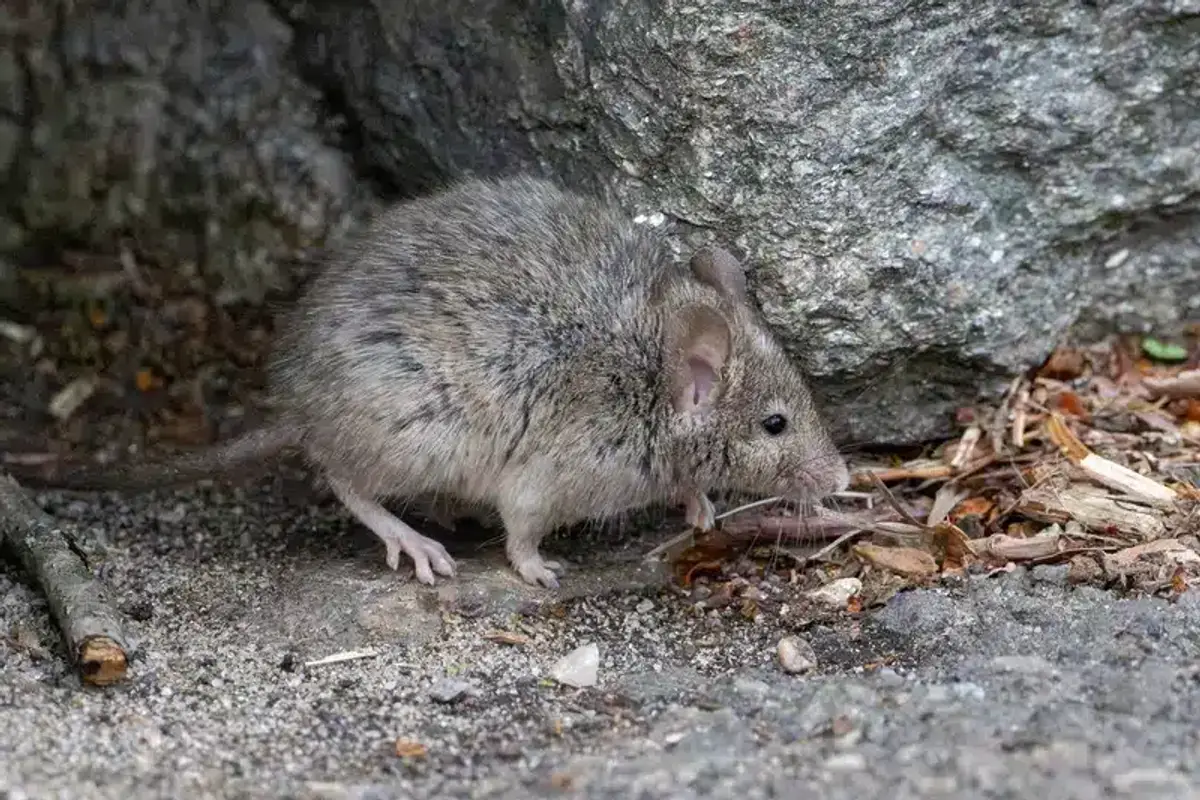
The house mouse is a nibbler. University of California Extension puts it at about 200 small meals a night and up to 20% of its body weight a day. Unlike rats that eat bigger portions, a mouse samples a little here and a little there. That’s why a pea-sized dab on a trigger works better than a big glob.
Mice find food by smell more than sight. So the best bait is something rich in fat or calories that also smells strong.
A 2017 study in Proceedings of the Royal Society B trained mice to find buried food by smell. Mice hunting for peanuts got faster at it even when the scent was hard to pick out. Mice hunting for barley only improved when the scent was easy. In plain terms: a rich food like peanut butter keeps mice searching harder than a bland one.
Mice also don’t travel far. UC Extension says house mice seldom go more than 30 feet from their nest, and University of Nebraska Extension puts the limit at about 50 feet. That short range means where you put bait matters just as much as what bait you use.
Best Bait for Mouse Traps
Peanut Butter and Nut-Based Baits
Peanut butter is the best bait for mouse traps in most homes. UC Extension calls it easy to use and very attractive to house mice. Its high fat content, sticky texture, and strong smell make it hard for mice to resist. The stickiness also keeps mice from grabbing the bait without setting off the trap.
Hazelnut spread works just as well and is a good option if peanut allergies are a concern. Both stay fresh longer than many other choices.
High-Fat Animal Products
Soft cheese and bacon grease score nearly as high as nut-based baits. These fatty foods match mice’s natural love for calorie-rich options. Studies show bacon grease and cheese draw almost as many mice as peanut butter.
Beef jerky works well where moisture might spoil other baits. Its protein and fat content appeals to mice, especially in colder months when they look for high-energy food.
Sweet Options
Chocolate is my backup when peanut butter stops getting hit, and it works best where food is scarce. A pinch of marshmallow can work too, since it sticks to the trigger.
Gumdrops and other sweets are worth a try in attics or garages where there isn’t much else to eat.
Non-Food Baits
Sometimes the best bait isn’t food at all. UC Extension notes that a ball of cotton or dental floss tied to the trigger can work well, especially on females that are building nests. I lean on it most in fall, when mice are nesting for winter.
Sunflower seeds and pet food appeal to mice with seed-based diets. These work well where mice already eat from available food sources.
Seasonal Bait Strategies
Fall: Best Season for Baiting
During fall, mice eat a wider range of foods and take in more protein as they get ready for winter. This makes fall the ideal time to use rich, smelly fats like a peanut butter and bacon grease mix. The timing is even sharper out in Loudoun County, where calls for rodent control in Ashburn pick up right after the first cold snap, as mice leave the fields and stream corridors behind neighborhoods like Broadlands and Brambleton and move toward the nearest foundation.
We get a lot of rat and mouse calls in Old Town, from historic row homes and newer builds alike. In fall, the calls pick up as nights turn cold and mice start looking for a warm place to nest.
- The trigger: The first run of cold nights in late October
- What we use for traps: Peanut butter with a few dried sunflower seeds pressed in, set in early October
- What matters more than the bait: Getting traps or stations along the walls before mice settle into winter nests
Key takeaway: Start fall baiting before mice settle in, not after you hear them in the walls.
Winter Bait Selection
Cold weather pushes mice indoors where it’s dry and they need more calories. Sticky nut pastes like peanut butter stay soft in heated buildings. Adding cotton fiber on top of the trigger creates a double lure: food and nesting material.
Spring and Summer
Warmer months bring new challenges. High humidity can cause food baits to mold fast. During summer, oil-based gels or waxed nut blocks hold their scent better than fresh foods.
In spring, mice shift toward fresh plant food. Fruit-flavored options or small apple slices can work better than grains in gardens and sheds.
How to Place Mouse Trap Bait
Good bait placement matters as much as bait choice. Use only a pea-sized amount to stop mice from eating without setting off the trap. Using too much bait is one of the most common mistakes I see.
Press bait firmly into the trigger so mice have to work to get it. This makes sure the trap springs when they take a bite instead of letting them nibble around the edges.

Where to Put Traps
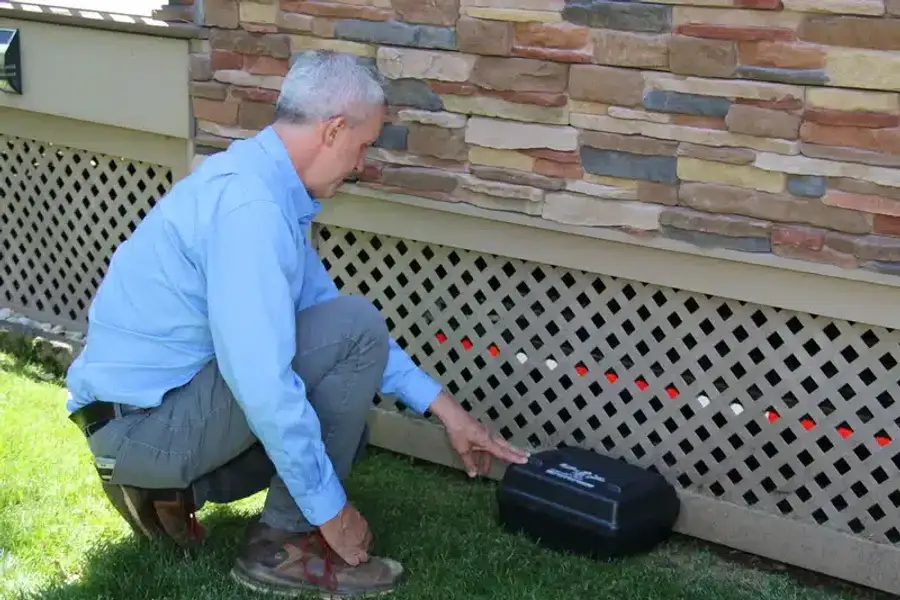
Place traps with the trigger end tight against walls. Mice prefer running along surfaces over crossing open spaces. UC Extension says to space traps no more than about 10 feet apart where mice are active, and that setting two traps 1 to 2 inches apart catches more.
Most people set two or three traps and stop there. Set more than you think you need. Catching mice fast keeps a few mice from turning into a few dozen.
Checking and Upkeep
Check traps twice a day for the first 72 hours. Frequent checks prevent dead mice from creating odor problems and let you switch bait types if the first choice isn’t working.
Always wear disposable nitrile gloves when handling traps or bait. This removes human scent that might scare mice away and protects you from disease.
- Check Often: Twice daily for the first 72 hours, then daily until activity stops
- Fresh Bait: Replace every 3-5 days or when it gets stale, moldy, or eaten
- Position: Keep trigger end against walls where mice naturally travel
- Gloves: Always wear nitrile gloves when handling traps and bait
Professional Bait Stations
Professional rodent control often uses tamper-resistant bait stations instead of traps. These stations use toxic baits that eliminate entire mouse populations. EPA rules require consumer baits to be sold in ready-to-use stations to protect children and pets.
What Makes the Best Mouse Bait Station
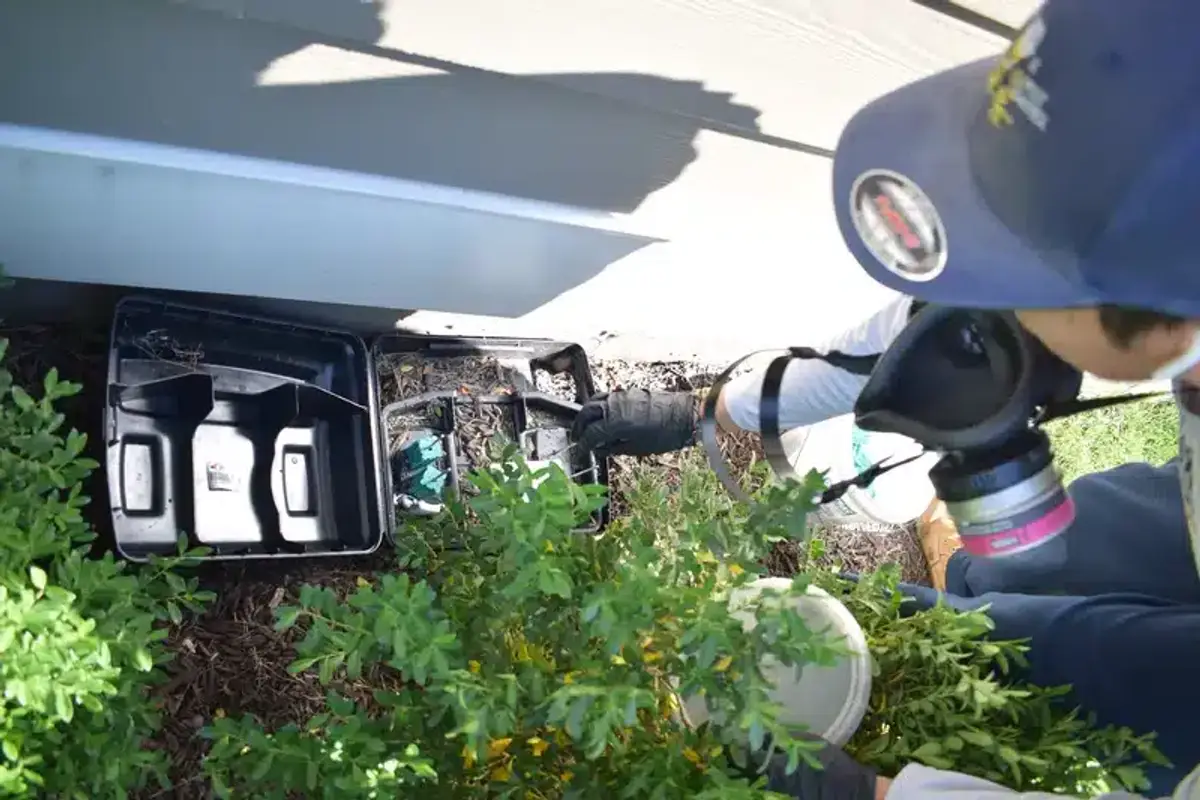
If you’re shopping for the best mouse bait station, the brand matters less than these features:
- Tamper-resistant and lockable. A child or dog shouldn’t be able to open it or shake bait out.
- Low and flat. It should sit flush against a wall, where mice already run.
- Bait held on a rod or in a slot. Mice can’t carry the block off and drop it somewhere else in the house.
- Built for where it goes. Outdoor stations need to be weather-resistant and anchored.
- Sold loaded. Under EPA rules, mouse poison sold to homeowners has to come as block or paste bait in a ready-to-use station. Loose pellets are no longer allowed on the consumer market.
Mouse Bait Ingredients and Brands
People ask me which brand of mouse and rat bait is best. The label matters more than the name on the box. Look for the active ingredient. EPA lists the ones allowed in homeowner products: bromethalin, chlorophacinone, cholecalciferol, diphacinone, warfarin, and zinc phosphide.
The stronger “second-generation” anticoagulants (blood thinners that kill after a single feeding), like brodifacoum and bromadiolone, are restricted to professional use. That’s one real difference between what a licensed tech puts down and what you can buy at the store. Whatever you buy, read the label. It’s the law for how and where that bait can go.
According to the EPA, homeowner rodenticides must come in ready-to-use bait stations, and the bait must stay secured inside the station it came in. Products with second-generation anticoagulants like brodifacoum, bromadiolone, difenacoum, or difethialone can’t be sold to consumers.
Station Placement
University of Nebraska Extension recommends placing bait stations no more than 12 feet apart where mice are active. For a light problem in a 1,000-square-foot home, it says five to seven stations should be enough. Outdoor perimeter stations need 50 feet or less between known activity areas and food sources.
Daren, one of our registered technicians, took over a house from another company that had been fighting mice for a long time. It was all snap traps and glue boards, not one bait station, and the homeowners said they hadn’t seen results. Daren set bait. On the follow-up, every bit of it was gone and there were droppings everywhere. From there it came down to entry points. He found and sealed them one by one, including going up a ladder to seal around the soffit. The house went four months with no activity, then mice came back. He kept looking and spotted a twig sticking out above where he’d sealed. Squirrels had chewed a big hole in the soffit, birds had moved in, and mice were using the same hole. Once that was sealed, it went quiet. The bait told him how bad it was. The sealing is what ended it.
In our four-step rodent protocol, we focus on ground-level baiting rather than the extensive attic work some companies push. Through our experience in Old Town and nearby areas, proper ground-level placement delivers faster, more reliable results.
Bait Types for Different Conditions
Wax blocks hold up well in humid Mid-Atlantic summers. Soft sachets work better in unheated crawl spaces where temps drop below 45 degrees. Outdoor stations should be raised or shaded to keep blocks below 100 degrees.
Trap Types Compared
| Trap Type | Best Bait | Speed | Best For |
|---|---|---|---|
| Snap Traps | Peanut butter | Instant | Quick results |
| Live Traps | Larger portions | Instant | Humane removal |
| Bait Stations | Wax blocks | 3-7 days | Large populations |
Snap traps with peanut butter give the fastest results for most home situations. Live traps need more frequent checking to prevent stress on trapped animals. Bait stations work best for larger populations or ongoing prevention.
Common Mistakes to Avoid
The biggest error I see is placing traps away from walls. Mice stay close to surfaces and rarely cross open floor areas. Traps in the middle of a room almost never work, no matter how good the bait is.
Using too much bait is another common problem. When mice can eat without tripping the trap, they learn to be more careful around it. This makes the problem worse by training mice to avoid traps.
If mice stop coming to traps that worked before, switch bait types. Going from peanut butter to cheese or adding nesting materials often renews their interest.
When to Call a Professional
If you still see mouse activity after two weeks of steady trapping with fresh bait, it’s time for professional help. This usually means either a bigger population than expected or behavioral factors that need expert attention, and it is the point where I tell people to bring in a mouse exterminator instead of buying another box of traps.
Properties with ongoing rodent activity may also have structural gaps that let new mice keep coming in. A professional can find these entry points and seal them. That is most of the mouse control in Annandale we handle, where the older ramblers and split-levels have settled enough to leave a finger-wide gap at the sill plate that no amount of fresh bait will fix.
For more on telling different mouse species apart, check our field mice vs house mice guide. For full prevention strategies, see our guide to keeping mice out.
Successful mouse control takes patience. The right bait works best as part of a complete approach that includes proper placement, regular monitoring, sealing entry points, and removing food sources.
Call us at 703-683-2000 or email info@bettertermite.com for professional help with your mouse problem.