
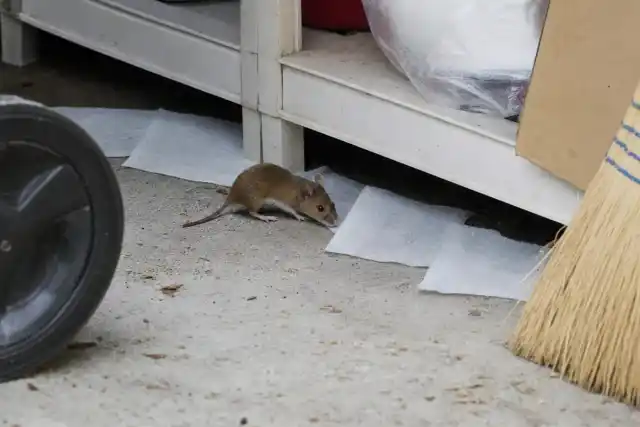

No, dryer sheets do not repel mice in any reliable way. There is no published research showing they keep mice out, and the scent fades within days. Worse, mice can shred the sheets and use them as nesting material. If you have food and shelter on the other side of a gap, a dryer sheet will not stop a mouse.
As a licensed technician in Northern Virginia, I see dryer sheets used for mice every fall. They show up stuffed in garage shelves, tucked under sinks and packed into car engine bays. Usually the homeowner calls us because they are still finding droppings. The dryer sheet is not the fix. The open gap the mice are using is what needs attention.
Why Dryer Sheets Don’t Repel Mice
The idea makes sense on the surface. Mice have a strong sense of smell, and dryer sheets smell strong. So people figure the scent will drive mice away. However, three things get in the way.
First, dryer sheets are not made to repel anything. They are fabric softeners. According to the Bounce ingredient label, a standard sheet is a thin polyester sheet. It is coated with a fabric softener, fatty acids, clay and fragrance. None of those ingredients are registered or tested as a rodent repellent.
Second, there is no mouse research behind it. We searched for a study on dryer sheets and mice or rats and could not find one. The repellent claims you see online trace back to home remedy lists, not to controlled tests.
Third, a mouse’s needs beat its nose. Basically, a mouse that has found food, water and a warm nest is not going to leave. A smell will not change that. That is especially true in the fall, when mice move indoors looking for warmth.
What the Research Says About Dryer Sheets and Pests
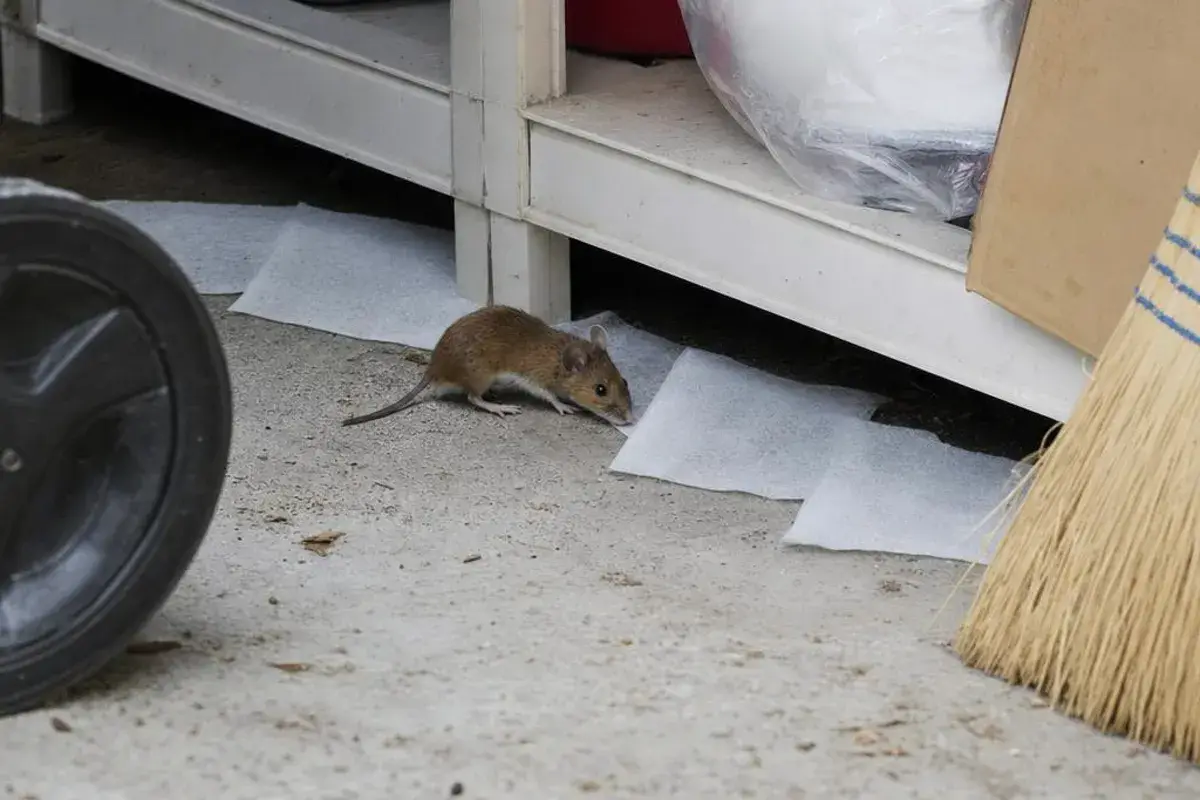
Nobody has tested dryer sheets on mice. So the closest evidence comes from insect research and from general advice on repellents. Neither one supports using them for mice.
The only dryer sheet study tested gnats
The research people usually point to came from Kansas State University. In lab tests reported in a 2010 HortScience study, Bounce sheets repelled fungus gnat adults. Additionally, the researchers said important questions remained before Bounce could be widely recommended, even for gnats. Fungus gnats are tiny flies. A result on gnats tells us nothing about a mouse looking for a warm nest.
Home remedy repellents have a poor track record
In a 2025 answer through UNH Extension’s Ask Extension, a specialist summed it up plainly. Repellents overall have not been shown to be very effective, whether it is mothballs, essential oils or another home remedy. Dryer sheets fall in that same group.
Any effect fades as animals adjust
University of Georgia Extension notes that all repellents lose strength over time. Animals get used to the smell, or the product breaks down. It also says area repellents generally must be renewed about weekly. A dryer sheet sitting in a garage loses its fragrance faster than most people think.
Mice are not easily scared off by new things in their space. According to University of Kentucky entomologist Michael Potter, mice are very curious. They will check out each new object placed where they look for food. That is the opposite of what you want from a repellent. A new, strong-smelling sheet is more likely to get a curious sniff than a retreat.
The same guide also explains why mice show up in fall. Homeowners are most likely to notice mice in winter, after they move indoors in search of warmth, food and shelter. Those needs are much stronger than any dislike of a fragrance.
Why Mice May Nest in Dryer Sheets
This is the part that surprises most homeowners. A dryer sheet is thin, soft and fibrous. That is close to perfect nesting material for a mouse.
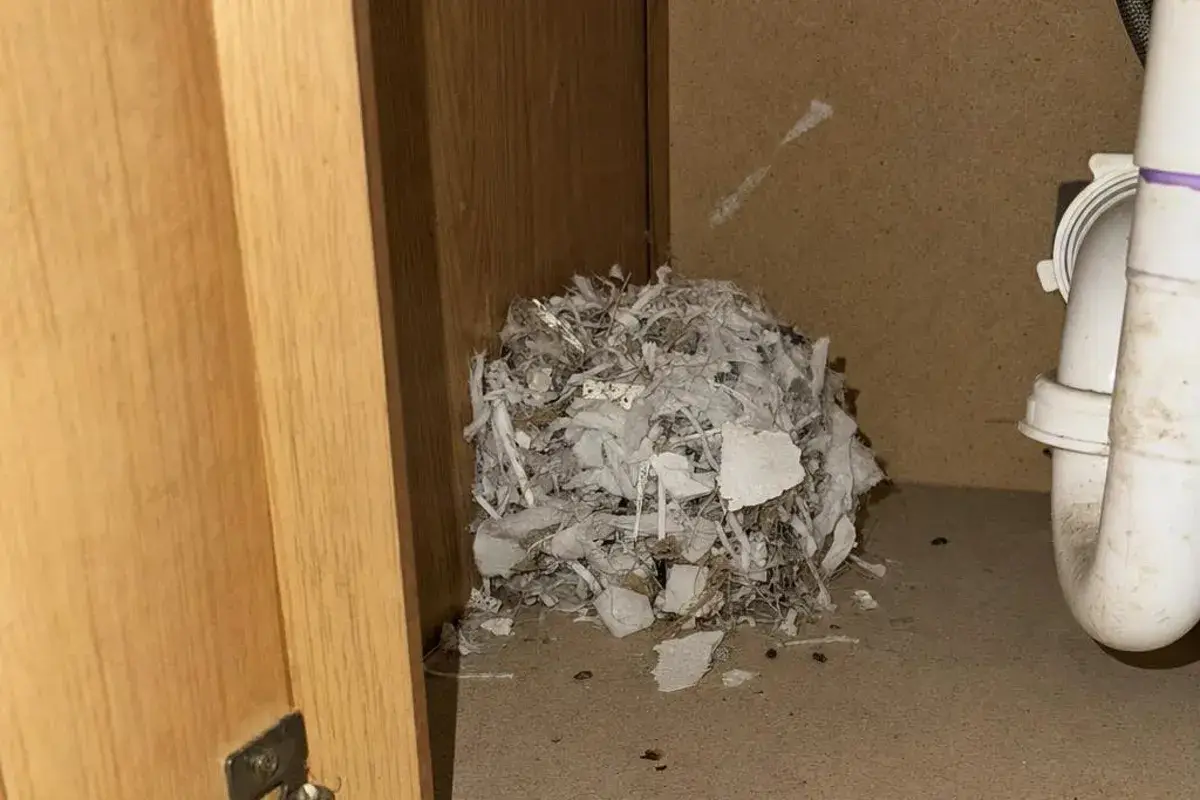
According to the University of Arizona, house mice shred fabric, paper, cardboard, stuffing and insulation. They use it to build loose, ball-shaped nests about 4 to 6 inches across. So when you stuff dryer sheets into a drawer, a cabinet or an engine bay, you may be handing the mice free bedding.
Here are a few other reasons people find mice right next to the sheets they set out:
- Mice live close to their food. If the food is in your pantry, they will stay near your pantry, dryer sheet or not.
- The scent fades before they give up. A sheet starts drying out and losing fragrance the day you open the box. Mice can wait it out.
- A few weeks of “maybe it’s working” adds up. Mice breed quickly. A small problem can grow while you are testing home remedies.
Do Dryer Sheets Work in Cars, RVs and Storage?
People often use dryer sheets in places they cannot easily seal. Garages, sheds, campers, boats and stored cars are the most common spots. It makes sense to want an easy fix there. Unfortunately, the same problems apply.
The National Pesticide Information Center recommends checking unused cars for mice, because they can damage wires and other parts. A stored vehicle is quiet, dark and sheltered. A dryer sheet in the engine bay does not change any of that, and it may even add nesting material.
In these spaces, you will get better results by:
- Moving or driving stored vehicles regularly so they are not a quiet nesting spot.
- Removing food, birdseed, pet food and nesting material like rags and cardboard.
- Storing items in sealed plastic bins instead of cardboard boxes.
- Covering vents and cabin air intakes with metal mesh.
- Setting traps and checking them often.
Basically, a dryer sheet is a hope, not a plan. If you are already seeing droppings or hearing scratching, it is time to go after the mice directly.
What Actually Keeps Mice Away
The good news is that the methods that work are not complicated. They just take more effort than tossing a sheet on a shelf. Here is how we approach it in a real home.
Mice can squeeze through a gap about the size of a dime, roughly 1/4 inch. Walk the outside of your home and check around utility lines, pipes, dryer vents, garage door seals, weep holes and foundation cracks. Pack small holes with steel wool or copper mesh, then seal over it with caulk. Use hardware cloth or metal flashing for bigger openings. Mice chew through foam, rubber and wood, so metal matters. Our guide on how small a hole a mouse can fit through covers this in more detail.
Store pantry food, pet food and birdseed in sealed plastic or metal containers. Clean up crumbs and spills, especially under appliances. Cut back clutter in garages and basements, and swap cardboard boxes for sealed bins. Additionally, pull mulch and stacked firewood away from the foundation, since mice love to nest under both.
Sealing alone can trap mice inside, so you need to remove the ones already there. Snap traps baited with a little peanut butter work well for homeowners. Set them along walls where you see droppings, with the bait end against the wall. Keep trapping until you stop catching mice. For more options, see our guide to the best mouse bait.
Do not sweep or vacuum droppings, because that can stir particles into the air. Air out the area first, wear gloves, and spray droppings with disinfectant or a bleach solution. Let it soak, then wipe it up with paper towels. Read more on the health risks of mouse droppings.
Of these four steps, sealing is the one that matters most. Traps and bait clear out the mice you have. Sealing is what stops the next ones from moving in.
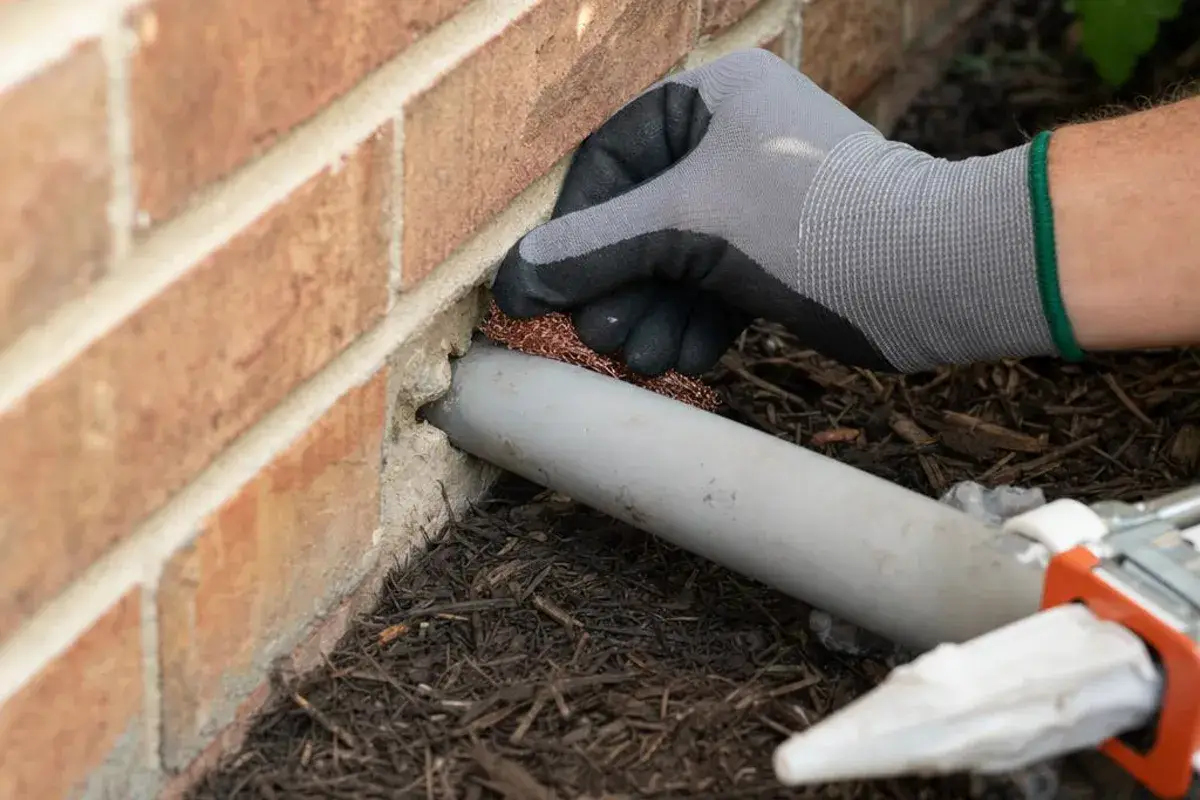
So where do mice usually get in? It is rarely where homeowners expect.
When our technicians walk a house for mice, the biggest entry points are almost always utility lines. Someone works on a line, and the sealant around it never gets put back. Garage door trim at the bottom is usually second. The small ones people never think about are weep holes, crawl space vents and old dead cable lines hanging out of the house.
The rule of thumb we give homeowners is simple. If you can fit the tip of your pinky finger into a gap, a mouse can get in. Most people are shocked by that. They expect a mouse hole to be something you would notice. That is why a careful inspection does more than any dryer sheet, spray or pouch. Thick mulch against the foundation is another one we flag often, because mice will nest right under it.
When to Call a Professional
A mouse or two in the garage in October can be a DIY job. However, it is time to call a pro if:
- You keep catching mice week after week.
- You hear scratching in walls or the ceiling at night.
- You find droppings in more than one room, or in the attic.
- You have sealed what you can find and they are still getting in.
Our mouse control service starts with a full inspection to find how mice are getting in. From there, we seal key entry points through our exclusion services, place tamper-resistant bait stations, and come back to check activity. Plans for ongoing rodent control start around $49 a month, plus a $200 setup fee on the first visit. All the products we use are EPA approved and have passed through our internal research team. Each one is something we would be comfortable using in our own homes.
Better Termite has been in the pest control business for 58 years, and we have earned 1,800+ reviews across our locations. We help homeowners with mice across the region, including Arlington and Springfield.
The Bottom Line on Dryer Sheets and Mice
Dryer sheets will not hurt to try in a garage, and they might make it smell nicer. But they are not a mouse repellent. There is no rodent research behind them. The scent fades fast, and mice get used to smells. The sheets can even end up in a nest. If you want mice gone, seal the gaps, remove the food, and trap or bait the mice already inside.
If you are dealing with mice now or just want someone to look for entry points, call us at 703-683-2000 or email info@bettertermite.com. We are happy to answer questions or set up an estimate.