Plaster Beetles Identification Guide
Latridiidae
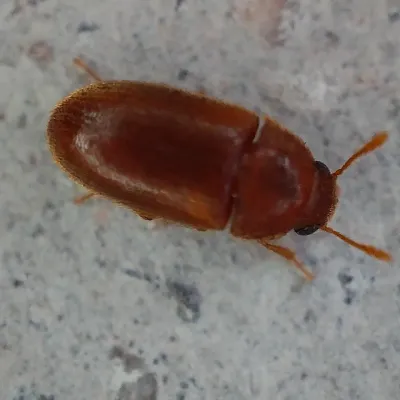
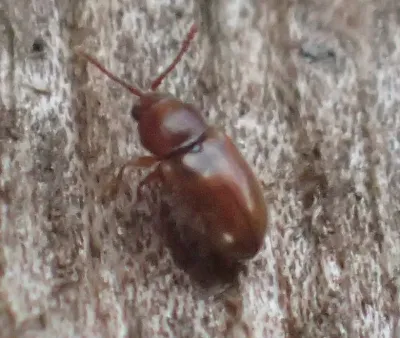
Plaster beetles, also called minute brown scavenger beetles or mold beetles, are tiny brown beetles that feed on mold. They show up in new or damp homes and are a sign of a moisture problem, not a structural pest.
Taxonomy
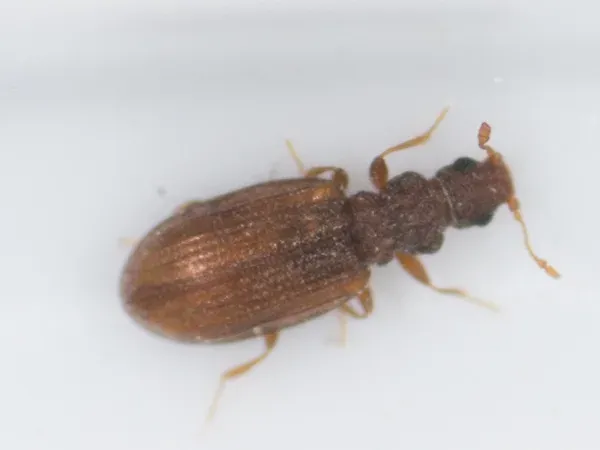
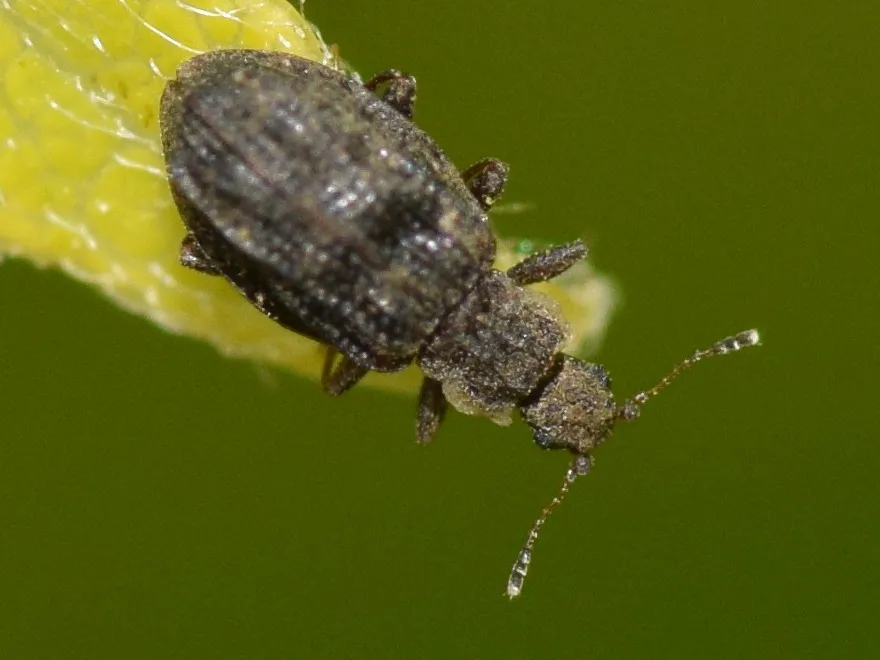
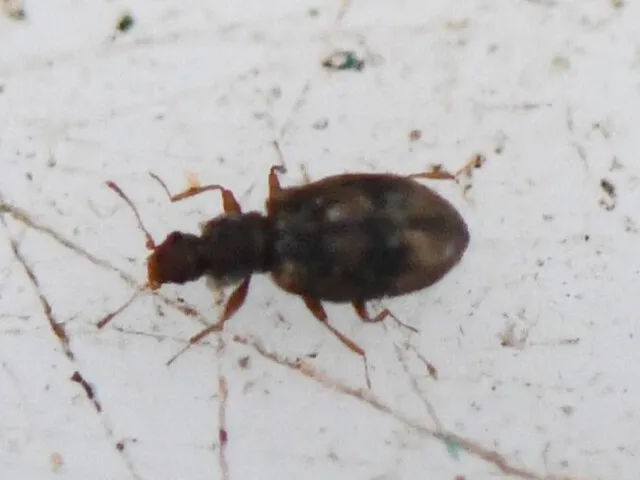
Plaster Beetles Coloration
Common color patterns to help identify plaster beetles
Plaster Beetles
Seasonal Activity
When plaster beetles are most active throughout the year

Where Plaster Beetles Are Found
Hover over states to see their names. Green regions indicate where plaster beetles have been reported.
Plaster Beetle Identification Guide
Plaster beetles go by several names. You may see them called minute brown scavenger beetles, fungus beetles, or mold beetles. They all refer to the same family, Latridiidae. The name “plaster beetle” comes from their habit of showing up in newly plastered buildings while the walls were still damp.
Physical Characteristics
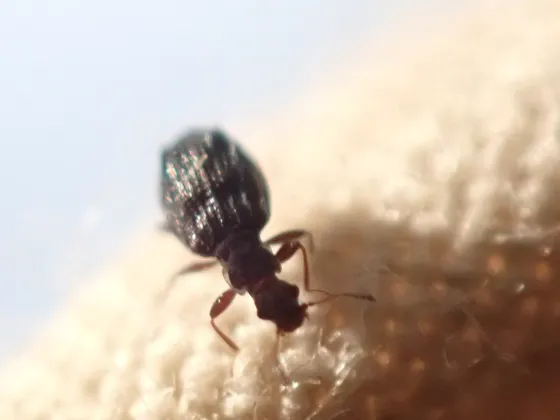
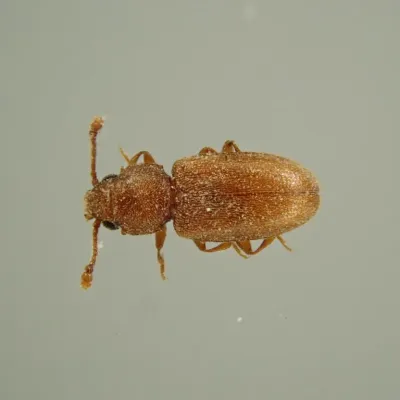
- Size: About 1 to 3mm long, or less than 1/12 inch. Many people mistake them for specks of dirt until they move.
- Color: Light yellowish brown to reddish brown, dark brown, or nearly black.
- Body shape: Oval to oblong. The wing covers are wider than the thorax and head, which gives many species a “pinched waist” look.
- Surface texture: The wing covers have neat rows of tiny pits. Under a hand lens, the body looks rough or sculpted rather than smooth and shiny.
- Antennae: Short to medium with a small club of two or three segments at the tip.
The two features that best separate plaster beetles from look-alikes are the rows of pits on the wing covers and the narrow thorax. You will need a 10x hand lens or a phone camera zoom to see them.
Common Species
The family is found across North America. These are the species most often reported indoors:
- Plaster beetle (Cartodere constricta): reddish brown with a narrow, ridged thorax and a strongly pitted back. This species carries the common name for the whole group.
- American minute brown scavenger beetle (Melanophthalma americana): Ohio State University Extension uses it as its example of the plaster beetle.
- Dienerella filum (formerly Microgramme filum): a small, slender, yellowish-brown species studied in damp buildings.
- Lathridius minutus: a widespread species found in houses, stored goods, and museum collections.
- Corticaria and Enicmus species: common outdoors under bark and in leaf litter, and sometimes indoors.
Plaster Beetle Behavior and Biology
Habitat
Plaster beetles live wherever mold grows. Outdoors, that means leaf litter, rotting plants, bird nests, and under loose bark. Indoors, they follow moisture:
- Wall voids in newly built homes, where framing lumber, drywall, and plaster are still drying
- Basements and crawl spaces with high humidity
- Areas near plumbing leaks, roof leaks, or window condensation
- Bathrooms with poor ventilation
- Stored food, pet food, or birdseed that has gotten damp and moldy
University of California research on urban insects notes these beetles may appear 3 or 4 months, or as long as a year, after walls are plastered. They disappear once the walls dry and can no longer support mold.
Diet
Plaster beetles eat the spores and threads of mold and mildew. They do not eat wood, drywall, fabric, or dry food that is in good shape. If you find them in a pantry item, that item has almost always gotten damp and moldy first.
Life Cycle
Plaster beetles go through egg, larva, pupa, and adult stages. Females lay eggs on or near mold. The larvae feed on the same mold as the adults.
Development speed depends on temperature. Ohio State University Extension reports a life cycle of about 25 to 36 days at 75°F and about 54 days at 65°F. In cool spaces it can stretch to five months or longer. Warm, humid summers can produce several generations in a row.
Seasonal Activity
Indoor sightings peak from midsummer into early fall. Adults are drawn to light, so they gather at windows, light fixtures, and sinks. Numbers usually drop as heating season dries the air.
Plaster Beetles vs. Similar Pests
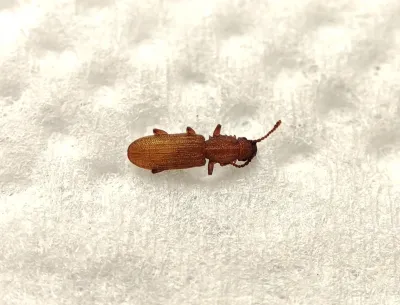
- Foreign grain beetles are the closest look-alike. They are also tiny, reddish brown, mold-eating beetles that show up in new homes in late summer. Under magnification, foreign grain beetles have a small knob on each front corner of the thorax and wing covers without the coarse, deep pits of most plaster beetles.
- Sawtoothed grain beetles are slender and flat with six saw-like teeth along each side of the thorax. They infest dry pantry goods rather than mold.
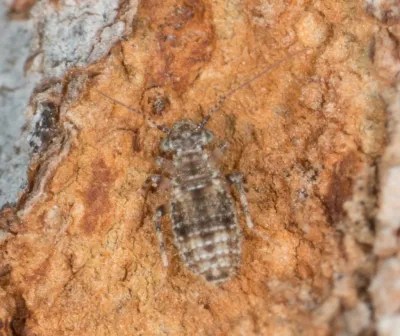
- Booklice are soft-bodied, pale, and wingless. They also feed on mold, so you may find both pests in the same damp room.
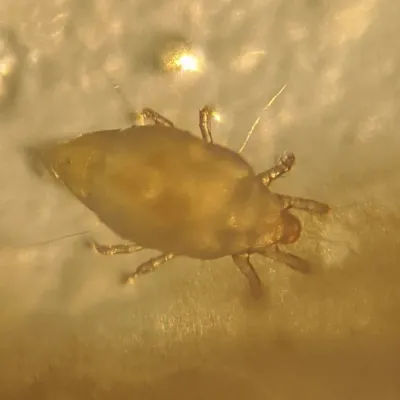
- Mold mites are even smaller, have eight legs, and look like moving dust.
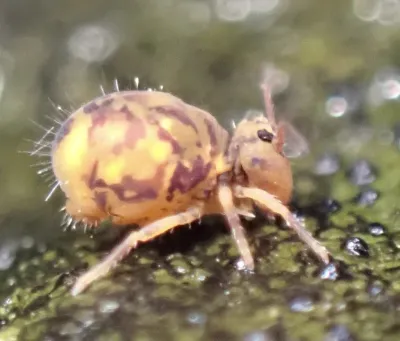
- Springtails are soft-bodied and jump when disturbed. Plaster beetles crawl or fly but never jump.
Treatment Methods for Plaster Beetles
Plaster beetles respond best to moisture control, not insecticides. Sprays may kill the beetles you can see, but new ones keep emerging from wall voids as long as mold is there to feed them.
Find and Fix the Moisture
- New construction: Most new homes dry out naturally. Speed it up with air conditioning, a dehumidifier, and good air circulation. Ohio State University Extension notes that humidity below 60 percent will reduce their numbers.
- Older homes: Look for the source near where the beetles are most common. Check for plumbing leaks, condensation on pipes or windows, damp crawl spaces, and poor attic or bathroom ventilation.
- Moldy materials: Remove and replace items that have visible mold growth, such as damp cardboard boxes, wet insulation, or water-stained drywall. Large mold problems may need a mold remediation contractor.
Remove the Beetles
- Vacuum beetles from windowsills, light fixtures, and baseboards. Empty the vacuum outside.
- Throw out any damp or moldy food, pet food, or birdseed.
- Store dry goods in sealed glass, metal, or heavy plastic containers.
Patience Pays Off
The University of Kentucky says the same about mold-feeding beetles in new houses. If you can put up with them during peak season, the problem usually goes away on its own as the house dries. A spray can bring quick relief. Drying the house is what ends the problem.
If tiny beetles keep showing up alongside other household pests, a year-round pest control plan can handle those other invaders while you work on the moisture source.
References
Other Other Pests
Explore other species in the other pests family
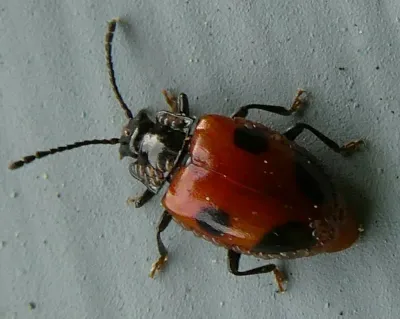
Commonly Confused With
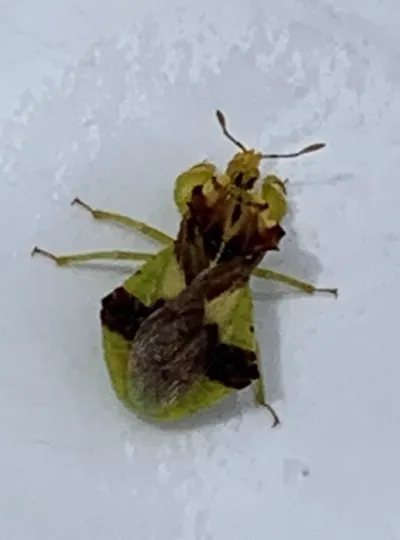
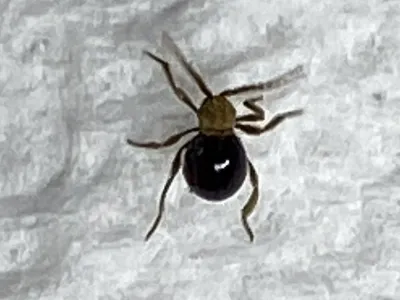
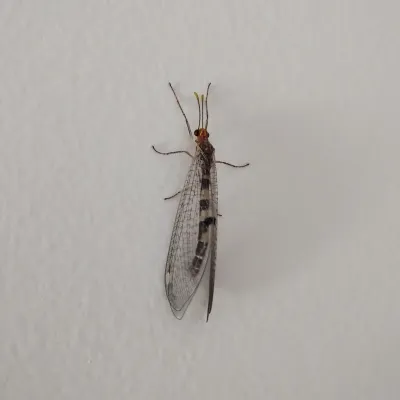
Plaster Beetles are often mistaken for these similar pests
Where Plaster Beetles Are Found
Hover over states to see their names. Green regions indicate where plaster beetles have been reported.
Common Questions about Plaster Beetles
What are plaster beetles?
+
Plaster beetles are tiny beetles in the family Latridiidae. They are also called minute brown scavenger beetles, fungus beetles, or mold beetles. All of these names describe the same group. Adults are about 1 to 3mm long and brown to nearly black. They eat mold, so they show up wherever building materials stay damp long enough for mold to grow.
Why do I have plaster beetles in my new house?
+
New homes often hold a lot of moisture in fresh lumber, drywall joint compound, and plaster. Mold can grow on these damp surfaces inside wall voids, and plaster beetles feed on that mold. Extension sources note they often appear a few months to a year after construction and fade away once the walls fully dry out, usually within the first year or two.
Are plaster beetles harmful?
+
No. Plaster beetles do not bite, sting, or spread disease. They do not eat wood, fabric, or sound, dry food. They are a nuisance. The real issue is the moisture and mold that feeds them, which is worth fixing for the health of your home.
Do plaster beetles mean I have a mold problem?
+
They mean mold is growing somewhere nearby, often on a small scale you cannot see. In a new home this is usually mild surface mold on drying materials. In an older home, a sudden crop of these beetles can point to a plumbing leak, condensation, or poor ventilation that should be found and fixed.
How do I get rid of plaster beetles?
+
Dry the area out. Run a dehumidifier, improve ventilation, use bathroom and kitchen exhaust fans, and fix leaks. Ohio State University Extension notes that humidity below 60 percent will reduce their numbers. Vacuum the beetles you see. Insecticide sprays give only short relief because new beetles keep emerging until the mold is gone.
Can plaster beetles fly?
+
Many species can fly, and adults are drawn to light. That is why homeowners often find them on windowsills, in light fixtures, and on sinks and countertops, especially from midsummer into early fall.
How long do plaster beetles live?
+
Their life cycle is fast when it is warm and humid. Ohio State University Extension reports egg-to-adult development of about 25 to 36 days at 75°F, about 54 days at 65°F, and five months or more in cooler conditions. Several generations can develop in a year if the mold source stays available.

With five years of hands-on experience in the pest control industry, George Schulz is a registered technician with the Virginia Pest Management Association and a proud third-generation professional in a family business that's been protecting homes for over 58 years. He manages and trains a team of service pros while also leading internal research efforts—recently spearheading a deep-dive review of thousands of documents on pest control materials to hand-pick the most kid and pet friendly, most effective solutions tailored specifically for homes in the DC metro area.
Local Other Pests Help
Dealing with other pests at home? Our licensed technicians provide pest control across Northern Virginia and Maryland.
