Arizona Hairy Scorpions Identification Guide
Hadrurus arizonensis
The Arizona hairy scorpion is the largest scorpion in North America, often growing past five inches long. This desert burrower is known for its thick body hairs and pale yellow pincers.
Taxonomy
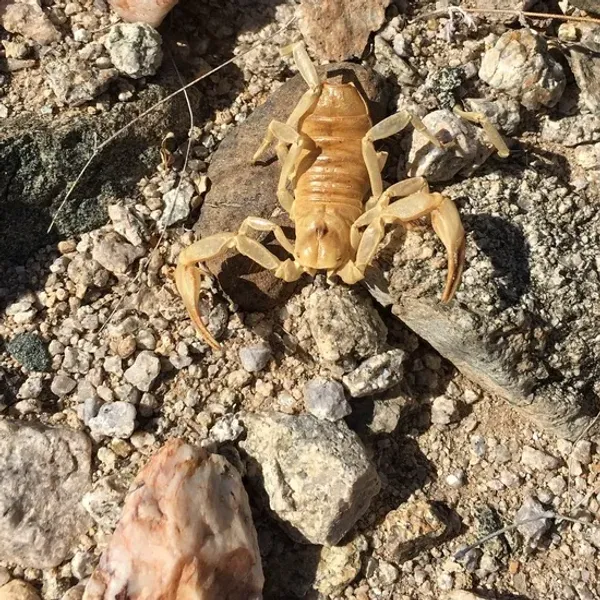
Arizona Hairy Scorpions Coloration
Common color patterns to help identify arizona hairy scorpions
Arizona Hairy Scorpions
Seasonal Activity
When arizona hairy scorpions are most active throughout the year

Where Arizona Hairy Scorpions Are Found
Hover over states to see their names. Green regions indicate where arizona hairy scorpions have been reported.
Arizona Hairy Scorpion Identification Guide
Physical Characteristics
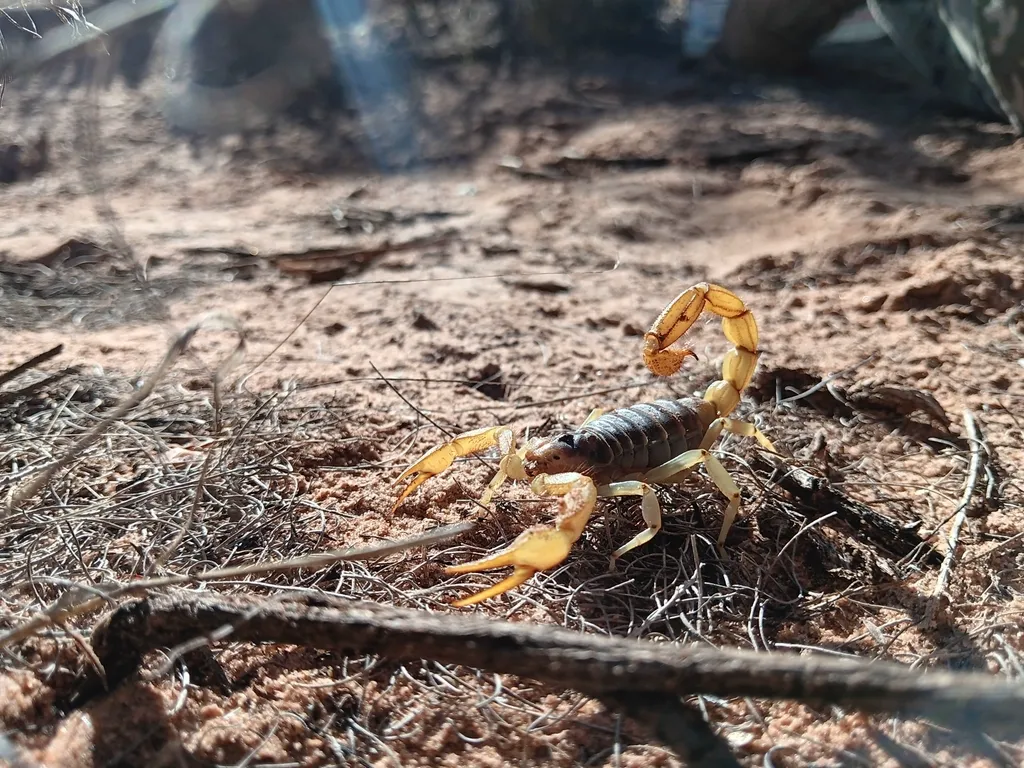
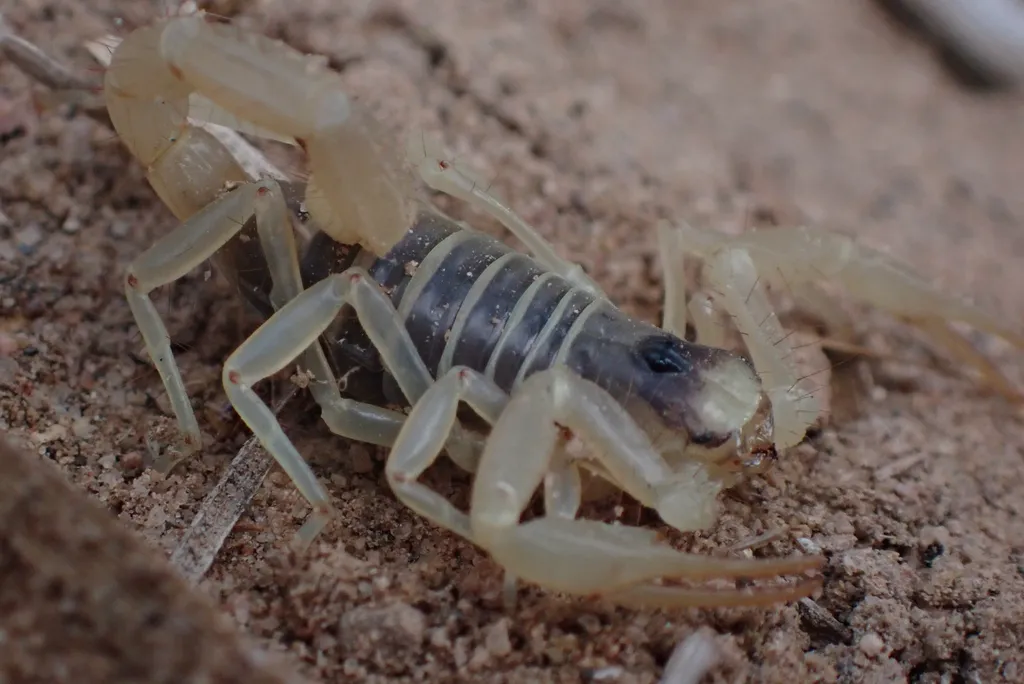
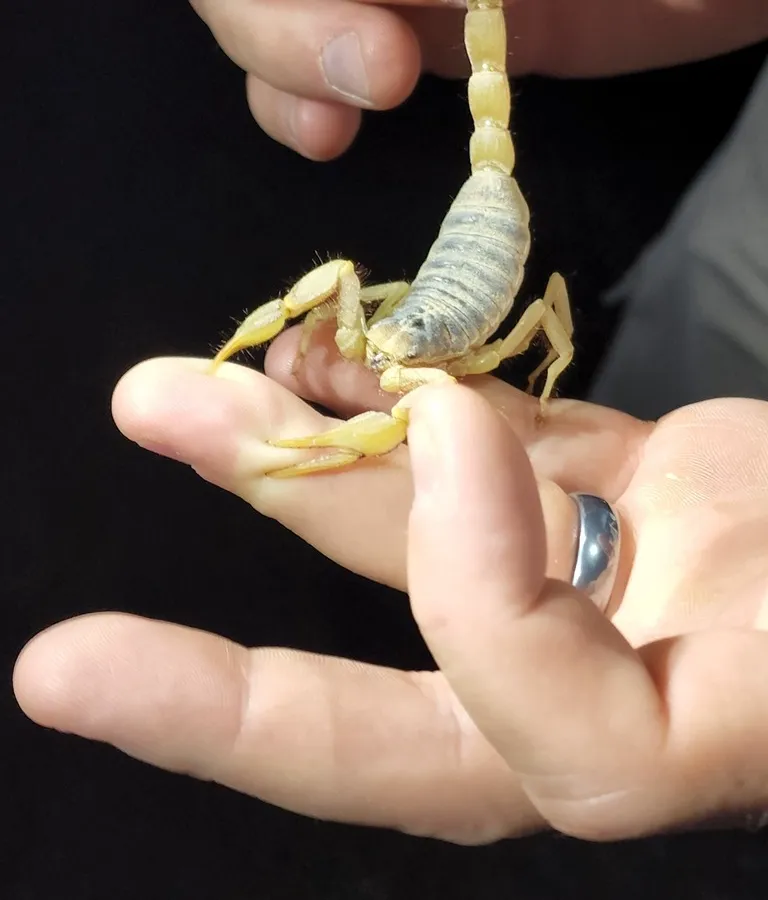
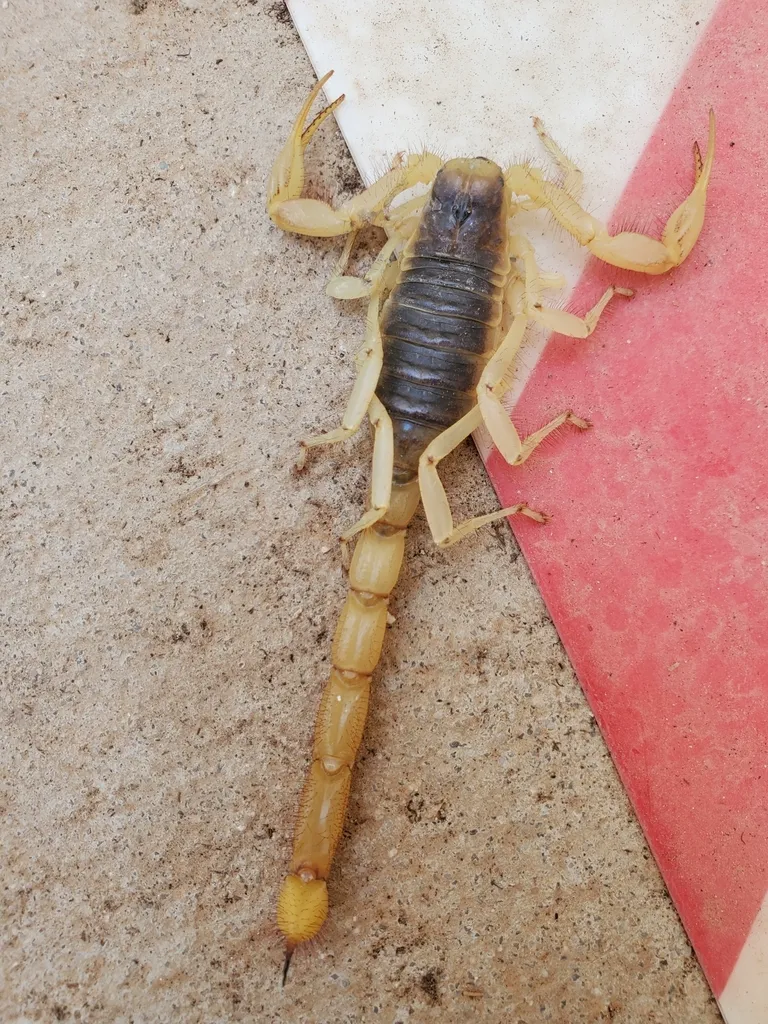
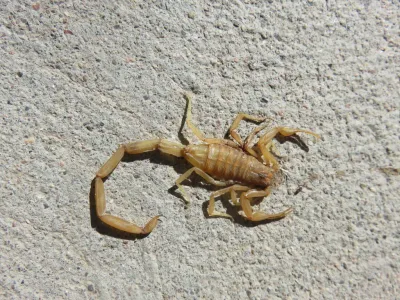
The Arizona hairy scorpion (Hadrurus arizonensis) is the largest scorpion in North America. Adults often reach 5 inches long. Some grow up to 5.5 inches from pincer tips to stinger. Their body has a clear two-tone color pattern. The top of the midsection is dark brown to olive-brown. The legs, pincers, and tail are pale yellow to tan.
The most obvious feature is the thick covering of brown sensory hairs found all over the body, legs, and tail. These hairs pick up vibrations that help the scorpion find prey and sense danger. The pincers are large and heavy compared to slimmer species like bark scorpions. The tail has five thick segments that end in a round bulb holding the stinger.
Like all arachnids, Arizona hairy scorpions have eight walking legs and a pair of large pincers. They also have small mouthparts called chelicerae used for tearing food. Two clusters of simple eyes sit on top of the head, with more eyes on the sides.
Common Species in North America
Hadrurus arizonensis is the main species homeowners run into. A close relative, Hadrurus spadix (the black hairy scorpion), lives in the northern Mojave and Great Basin deserts. The two look alike but differ in small body markings and range. Both are large with dense body hairs. The striped bark scorpion (Centruroides vittatus) is another common scorpion in the area. It is much smaller and thinner.
Arizona Hairy Scorpion Behavior and Biology
Habitat and Distribution
Arizona hairy scorpions live in the Sonoran and Mojave deserts of the southwestern United States and northwestern Mexico. You can find them across most of Arizona, the desert parts of southern California, southern Nevada, the far southwest corner of Utah, and parts of western New Mexico. In Mexico, they live in Sonora and northern Baja California near the Gulf of California.
These scorpions stay on the ground and prefer sandy or loose soil where they can dig burrows. Burrows give them shelter from extreme heat and predators during the day. They are often found under rocks, logs, landscape timbers, and yard debris. In desert neighborhoods, they may hide around foundations, under potted plants, inside block walls, and near sprinkler lines where the soil stays damp.
Diet and Feeding Habits
Arizona hairy scorpions hunt at night. They feed on beetles, crickets, spiders, other scorpions, and sometimes small lizards. They are ambush hunters. They wait near their burrow entrance or along paths where prey travels. When something comes close, the scorpion grabs it with its pincers. For bigger or faster prey, it may also sting to stop the catch from moving.
The sensory hairs on their body pick up vibrations in the ground and in the air. This gives them a strong sense of movement around them, even in total darkness. Comb-shaped organs on the underside of the body, called pectines, help them read ground textures and chemical trails.
Reproduction and Lifecycle
Arizona hairy scorpions mate through a courtship dance. The male holds the female by her pincers and walks her over a sperm packet on the ground. After several months, the female gives live birth to about 25 to 35 babies called scorplings. The newborns are white and soft. They ride on their mother’s back for one to three weeks until their first shed hardens their shell.
Young scorpions shed their skin five to six times over two to six years before reaching adulthood. This slow growth is normal for large scorpions. Adults live three to five years in the wild. The full life span can reach seven to ten years.
Venom and Medical Significance
The sting of an Arizona hairy scorpion hurts but is usually not dangerous to healthy adults. The University of California Pest Management Program compares the pain to a bee or wasp sting. Typical symptoms include pain, swelling, and redness at the sting site. These usually go away within a few hours to a day.
This species is much less dangerous than the Arizona bark scorpion (Centruroides sculpturatus). The bark scorpion is the only scorpion in North America whose venom can cause serious nerve problems. Still, any scorpion sting can be risky for young children, older adults, or people with allergies. If someone has trouble breathing, spreading numbness, or muscle spasms after a sting, get medical help right away. You can also call Poison Control at 1-800-222-1222.
This content is for general information only and is not medical advice. Always consult a healthcare provider for medical concerns related to scorpion stings.
Treatment Methods for Arizona Hairy Scorpions
Controlling Arizona hairy scorpions works best when you combine several methods: removing hiding spots, sealing entry points, and applying targeted treatments. Since this species lives in desert areas, the goal is to make your home and yard less appealing to them.
-
Remove hiding spots: Clear rock piles, wood stacks, yard debris, and other ground cover near your foundation. Keep firewood off the ground and away from the house. Trim plants so they do not touch outside walls. Cut back on watering near the foundation, since damp soil draws in both scorpions and the insects they eat.
-
Seal entry points: Put tight-fitting door sweeps on all outside doors. Fill cracks around windows, pipes, and utility gaps with caulk or foam. Screen vents and weep holes in block walls. These steps keep scorpions and their prey from getting inside.
-
Reduce prey insects: Scorpions go where their food is. Cutting down on crickets, beetles, and other bugs near the home makes the area less inviting. Switching outdoor lights to yellow “bug” bulbs can also cut down on flying insects at night.
-
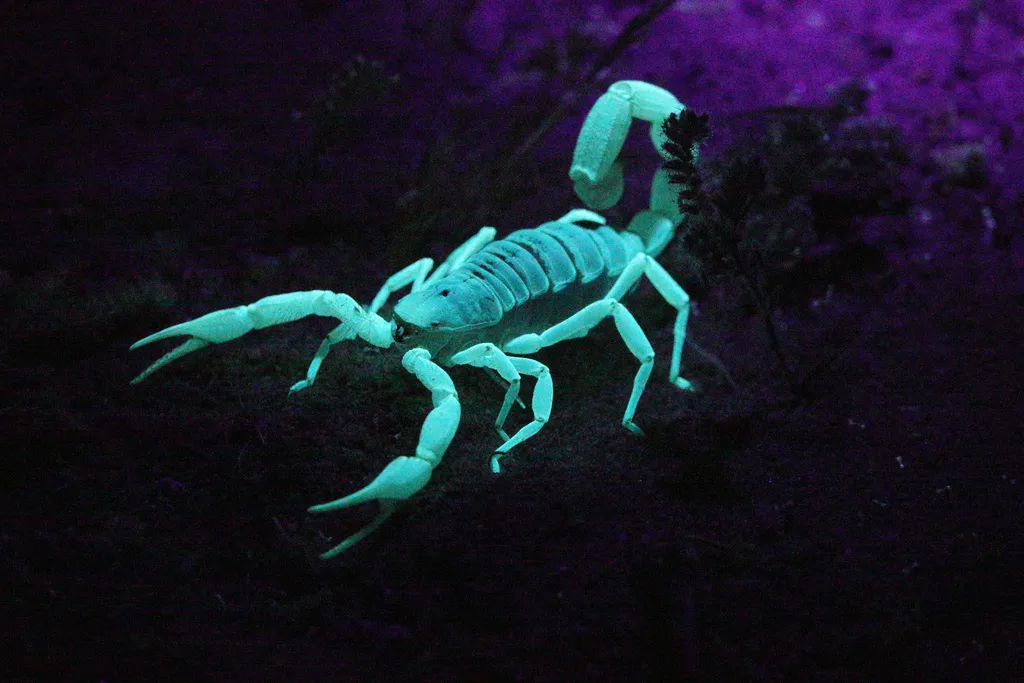
Use a UV flashlight: Scorpions glow under ultraviolet light. A handheld blacklight is one of the best tools for finding them. Walking the yard at night with a UV light makes scorpions easy to spot so you can remove them.
-
Perimeter treatments: Residual treatments applied to the foundation and around entry points can lower scorpion activity when paired with sealing and habitat cleanup. The University of California Pest Management Program notes that chemical treatments alone do not solve the problem because scorpions hide in cracks that sprays cannot reach. Combining methods gives the best results.
-
Professional help: For ongoing scorpion issues in desert neighborhoods, a licensed pest control company with scorpion experience can inspect the property, find entry points, and set up a treatment plan.
References
Other Other Pests
Explore other species in the other pests family
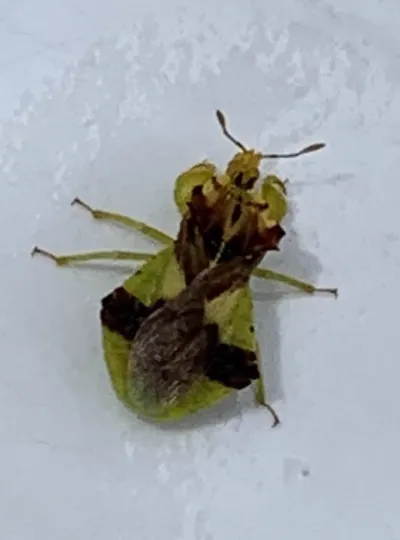
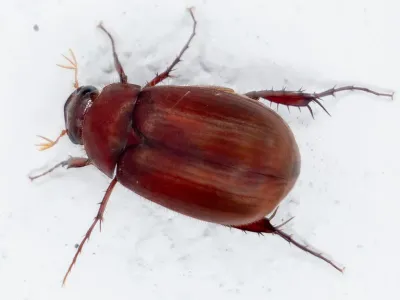
Commonly Confused With
Arizona Hairy Scorpions are often mistaken for these similar pests
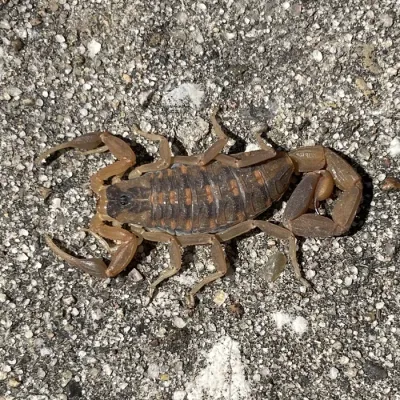
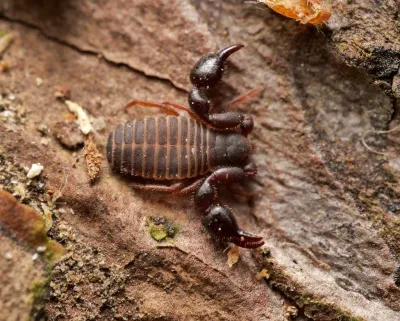
Where Arizona Hairy Scorpions Are Found
Hover over states to see their names. Green regions indicate where arizona hairy scorpions have been reported.
Common Questions about Arizona Hairy Scorpions
How dangerous is an Arizona hairy scorpion sting?
+
The sting is painful but usually mild compared to other scorpions. Most healthy adults feel pain and swelling like a bee sting. Children, older adults, and people with allergies should see a doctor after any scorpion sting. This is not medical advice. Always talk to a doctor about health concerns.
How big do Arizona hairy scorpions get?
+
They are the largest scorpion in North America. Adults often reach 5 inches long. Some grow up to 5.5 inches (about 14 cm) from pincer tips to stinger.
Why is it called a hairy scorpion?
+
The name comes from the thick coat of sensory hairs on its body. These hairs pick up vibrations in the ground and air. They help the scorpion find prey and avoid danger in the dark.
Do Arizona hairy scorpions glow in the dark?
+
Yes. Like all scorpions, the Arizona hairy scorpion glows under ultraviolet (UV) light. Its shell has compounds that turn bright blue-green under a blacklight. A UV flashlight is one of the best ways to find them at night.
Where do Arizona hairy scorpions live?
+
They live in the Sonoran and Mojave deserts of the southwestern U.S. You can find them in Arizona, southern California, southern Nevada, and parts of Utah and New Mexico. They also live in Sonora and Baja California in Mexico.
Are Arizona hairy scorpions aggressive?
+
No. They are not aggressive toward people. They stay in burrows during the day and come out at night. Most stings happen when someone steps on a scorpion or reaches near one hiding in shoes, clothes, or yard debris.
What do Arizona hairy scorpions eat?
+
They eat insects, spiders, other scorpions, and sometimes small lizards. They hunt at night by sensing ground vibrations and grabbing anything that comes close to their pincers.

With five years of hands-on experience in the pest control industry, George Schulz is a registered technician with the Virginia Pest Management Association and a proud third-generation professional in a family business that's been protecting homes for over 58 years. He manages and trains a team of service pros while also leading internal research efforts—recently spearheading a deep-dive review of thousands of documents on pest control materials to hand-pick the most kid and pet friendly, most effective solutions tailored specifically for homes in the DC metro area.
Local Other Pests Help
Dealing with other pests at home? Our licensed technicians provide pest control across Northern Virginia and Maryland.
