Silken Fungus Beetles Identification Guide
Cryptophagidae
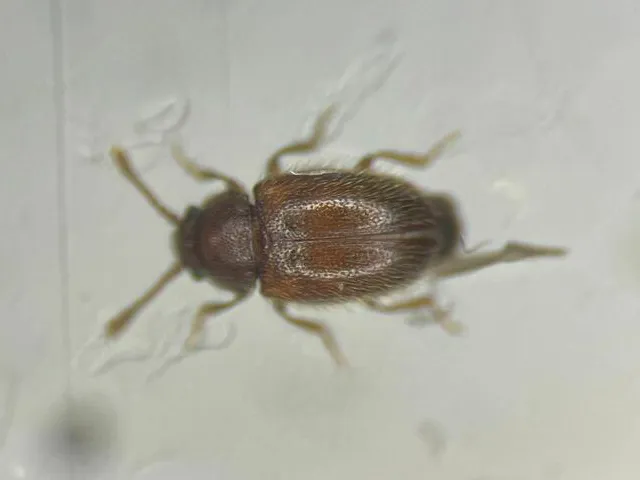
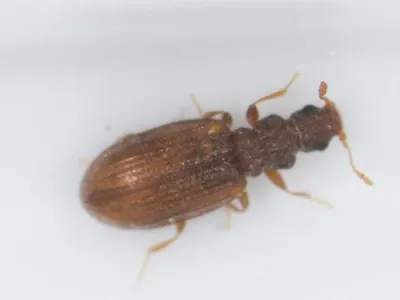
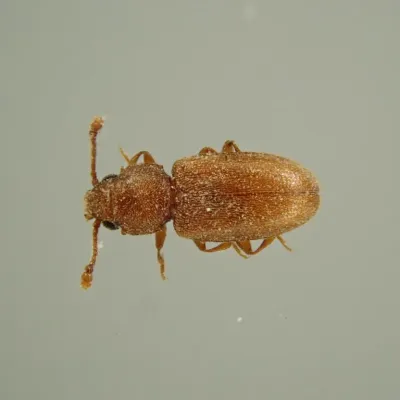
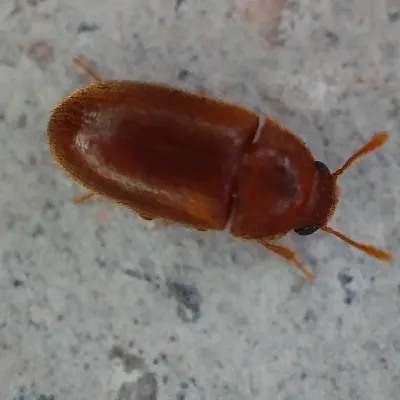
Silken fungus beetles are tiny brown beetles, about 2 to 3 mm long, that feed on mold. Finding them indoors usually means there is a damp spot with mold or mildew somewhere in the home.
Taxonomy
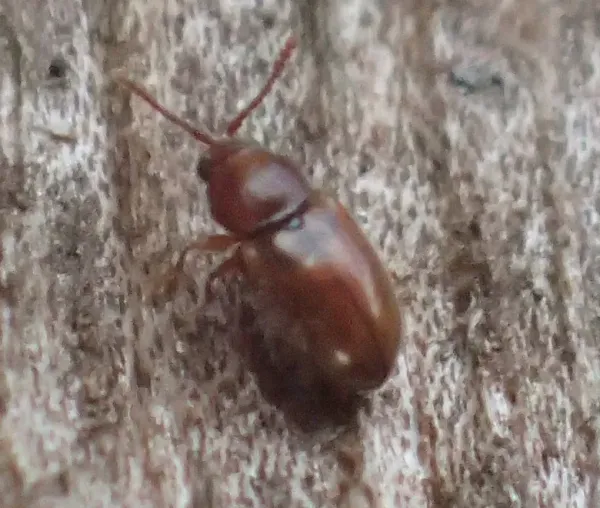
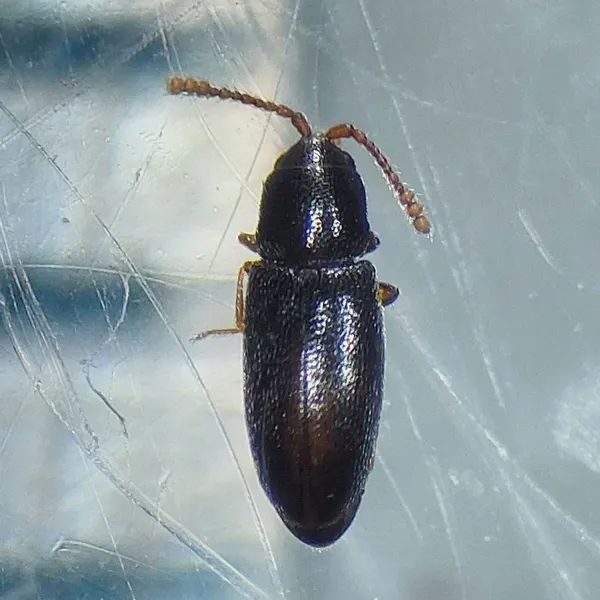
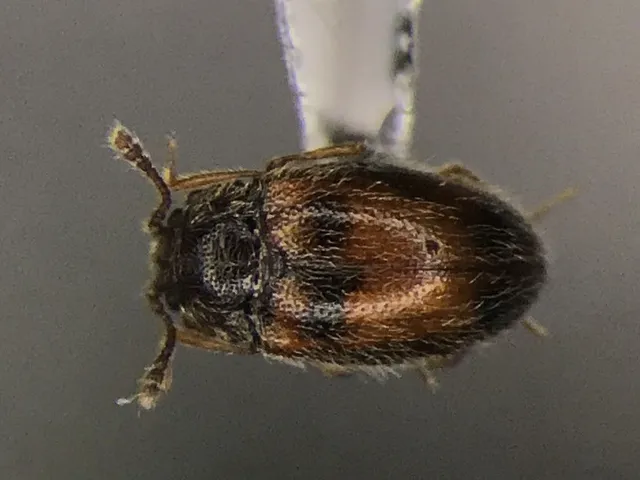
Silken Fungus Beetles Coloration
Common color patterns to help identify silken fungus beetles
Silken Fungus Beetles
Seasonal Activity
When silken fungus beetles are most active throughout the year

Where Silken Fungus Beetles Are Found
Hover over states to see their names. Green regions indicate where silken fungus beetles have been reported.
Silken Fungus Beetle Identification Guide
Silken fungus beetles are tiny beetles that eat mold. If you are finding small brown beetles on windowsills, bathroom walls, or basement floors, these may be the cause. They are a sign of a damp spot somewhere in the home, not a sign that your food or wood is under attack.
Physical Characteristics
- Size: Most are 1.5 to 4 mm long. That is about 1/16 to 1/8 inch, roughly the size of a sesame seed or smaller.
- Shape: Oval and somewhat flat. Some species are longer and narrower.
- Color: Light brown, reddish brown, dark brown, or nearly black. Some have faint lighter bands or spots on the wing covers.
- Hairs: Most have a coat of short, fine, silky hairs. This is where the common name comes from. You may need a magnifying glass to see it.
- Antennae: Each antenna ends in a small three-part club.
- Thorax: In many species, the thorax (the part behind the head) has small teeth or a thick front corner on each side. Experts use this to tell species apart.
The larvae are small, pale yellow-brown grubs with six legs and two short “tails” at the rear end. Homeowners rarely see them, because they stay hidden in moldy material.
How to Tell Them Apart
Several tiny brown beetles show up in damp homes. They are easy to mix up:
- Plaster beetles, also called minute brown scavenger beetles, are usually under 2 mm. Their bodies look ridged and pitted instead of silky.
- Foreign grain beetles are also mold feeders. They are flatter and have a small knob on each front corner of the thorax.
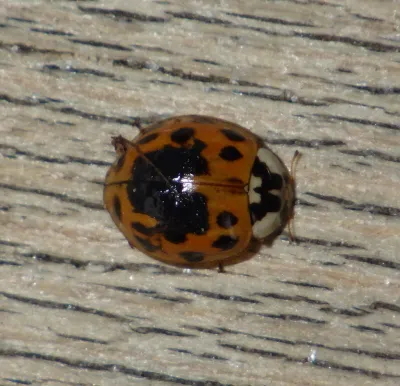
- Hairy fungus beetles are fuzzy and oval like silken fungus beetles. They are most common in damp grain, birdseed, and pet food.
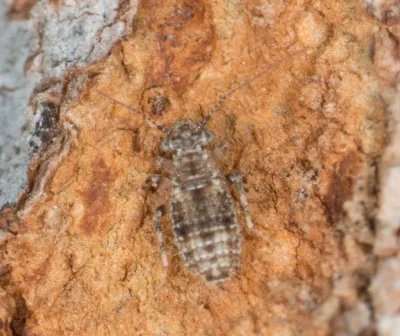
- Booklice are not beetles at all. They are soft, pale, and wingless, and they also eat mold in humid rooms.
The good news is that all of these point to the same fix: dry things out and remove the mold.
Common Species
The family Cryptophagidae has well over 100 species in North America. Most live outdoors in fungi, rotting plants, and the nests of bees, wasps, birds, and rodents. A few are common indoors:
- Cryptophagus species: the most common silken fungus beetles in homes, cellars, and grain storage. Cryptophagus varus is common across Canada.
- Atomaria species: very small, often dark beetles found in moldy stored products and damp buildings.
- Henoticus serratus: a species sometimes found in damp buildings, with toothed edges on the thorax.
- Antherophagus species: pale brown beetles found on flowers that ride on bumble bees back to their nests. They rarely come indoors.
Silken Fungus Beetle Behavior and Biology
Habitat
Outdoors, silken fungus beetles live in leaf litter, compost, rotting wood, fungi, and animal nests. Indoors, they live wherever mold grows. Washington State University Extension lists breeding sites such as:
- Slimy buildup in the bottom of garbage cans
- Mold or mildew in bathroom tile grout
- Mold and debris in sliding door and window tracks
- Damp basements and crawl spaces, and wet areas inside walls
- Moldy grain, flour, birdseed, pet food, or dried fruit
Diet
Both adults and larvae eat mold spores and fungal threads. They do not eat sound wood, fabric, or clean, dry food. Experts call them “secondary” pests. They show up after food or a surface starts to spoil, not before. Adults can carry mold spores on their bodies. Large numbers in stored food can spread the mold.
Life Cycle
Silken fungus beetles go through four stages: egg, larva, pupa, and adult. Females lay single eggs on or among mold growth. The larvae feed on the mold, then pupate nearby. Warm, humid air speeds up their growth, so indoor numbers tend to rise in late spring and summer. Adults live a long time and can fly, which helps them find new damp spots.
Behavior
Adults are wanderers. They crawl across walls, counters, and windowsills, and many end up near windows and lights. This is why people notice them, even when the place they breed is hidden behind a wall or under a floor.
Treatment Methods for Silken Fungus Beetles
Silken fungus beetles are a moisture problem first. Sprays may kill the adults you see. But sprays do not reach the place where they breed, so the beetles come back. These steps work best:
- Find the source: Check bathrooms, kitchens, basements, laundry rooms, window tracks, and trash cans. Look for mold, mildew, a musty smell, or water stains. Check stored food, birdseed, and pet food for clumps or a fuzzy film.
- Clean up the mold: Scrub mildewed grout, wipe out window tracks, and wash trash cans. Throw out any moldy food in a sealed bag.
- Dry things out: Fix plumbing and roof leaks. Run a dehumidifier and keep indoor humidity below about 50 percent. Use bathroom and kitchen exhaust fans, and improve airflow in crawl spaces.
- Vacuum adults: Vacuum beetles on walls and sills. Empty the vacuum outside right away.
- Store food well: Keep dry goods in airtight containers, and buy pet food and birdseed in amounts you will use within a few weeks.
- Address hidden moisture: If beetles keep showing up and you cannot find the source, the mold may be inside a wall or under flooring. A contractor or mold professional can help find and fix it.
Once the mold is gone and the area stays dry, the beetles have nothing to eat and their numbers fade on their own.
Silken fungus beetles often show up alongside other moisture pests, like mold mites and springtails. If you are dealing with several kinds of pests in a damp home, learn more about our pest control in Northern Virginia and Maryland.
References
Other Other Pests
Explore other species in the other pests family
Commonly Confused With
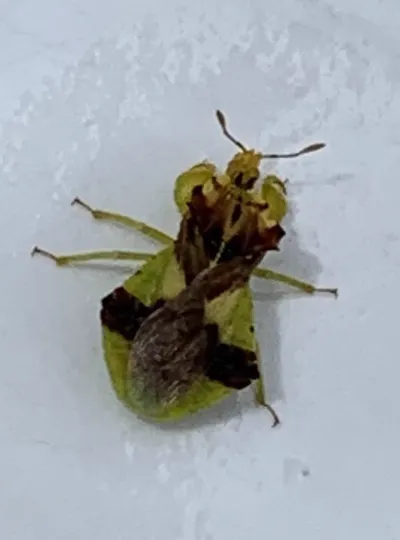
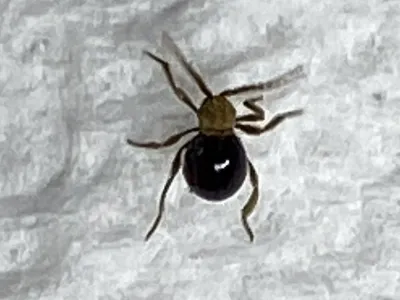
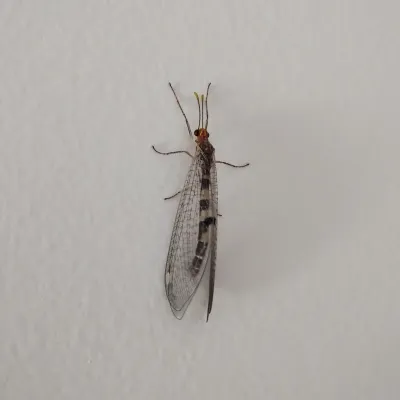
Silken Fungus Beetles are often mistaken for these similar pests
Where Silken Fungus Beetles Are Found
Hover over states to see their names. Green regions indicate where silken fungus beetles have been reported.
Common Questions about Silken Fungus Beetles
What are silken fungus beetles?
+
Silken fungus beetles are a family of tiny beetles called Cryptophagidae. Most are 1.5 to 4 mm long and light to dark brown, with a fine coat of short, silky hairs. Both adults and larvae feed on mold and fungi, not on wood or dry food.
Why do I have silken fungus beetles in my house?
+
They almost always point to moisture. The beetles breed where mold grows, such as damp basements, wet wall voids, mildewed bathroom grout, window tracks, and dirty garbage cans. Moldy stored food, birdseed, or pet food can also support them. A few adults may also fly in from outdoors.
Are silken fungus beetles harmful?
+
No. They do not bite, sting, or spread disease to people, and they do not eat wood or damage your home. They are a nuisance pest. The real concern is the mold or moisture problem they lead you to, since that can harm your home over time.
Can silken fungus beetles fly?
+
Yes. Adults have working wings and can fly. They often wander across walls and windowsills and may gather near windows and lights. Seeing a few adults does not always mean they are breeding inside.
Will spraying get rid of silken fungus beetles?
+
Not on its own. Spraying may kill the adults you can see, but new beetles keep coming as long as their mold food source is there. Finding and drying out the damp, moldy spot is what stops them.
How do I get rid of silken fungus beetles?
+
Find the damp area where they breed, clean up the mold, and fix the moisture source. Run a dehumidifier, fix leaks, improve airflow, and clean window tracks, drains, and trash cans. Throw out any moldy food. Vacuum up adults you see.
What is the difference between silken fungus beetles and plaster beetles?
+
Both are tiny mold feeders found in damp homes. Silken fungus beetles are often a bit larger, more oval, and covered in fine silky hairs. Plaster beetles, also called minute brown scavenger beetles, are usually under 2 mm and have a ridged, pitted look. Both point to a moisture problem.

With five years of hands-on experience in the pest control industry, George Schulz is a registered technician with the Virginia Pest Management Association and a proud third-generation professional in a family business that's been protecting homes for over 58 years. He manages and trains a team of service pros while also leading internal research efforts—recently spearheading a deep-dive review of thousands of documents on pest control materials to hand-pick the most kid and pet friendly, most effective solutions tailored specifically for homes in the DC metro area.
Local Other Pests Help
Dealing with other pests at home? Our licensed technicians provide pest control across Northern Virginia and Maryland.
