Arizona Bark Scorpions Identification Guide
Centruroides sculpturatus
The Arizona bark scorpion is the most venomous scorpion in North America. This slender, tan-colored arachnid is a skilled climber commonly found in the Sonoran Desert region, where it frequently enters homes through tiny cracks and crevices.
Taxonomy
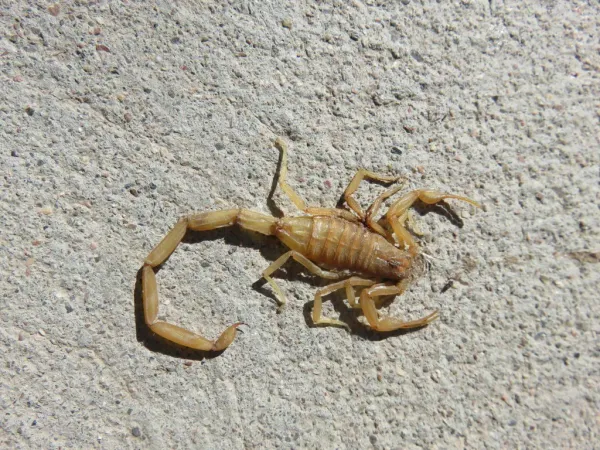
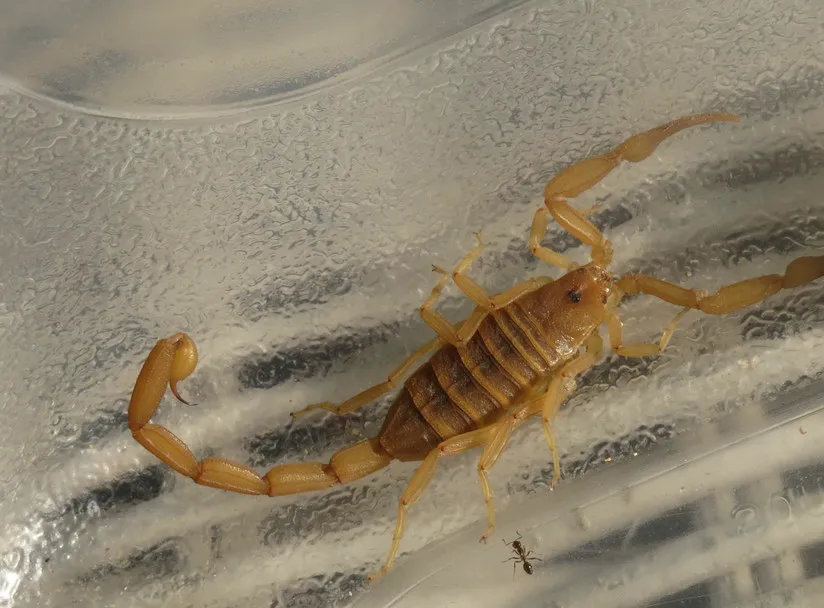
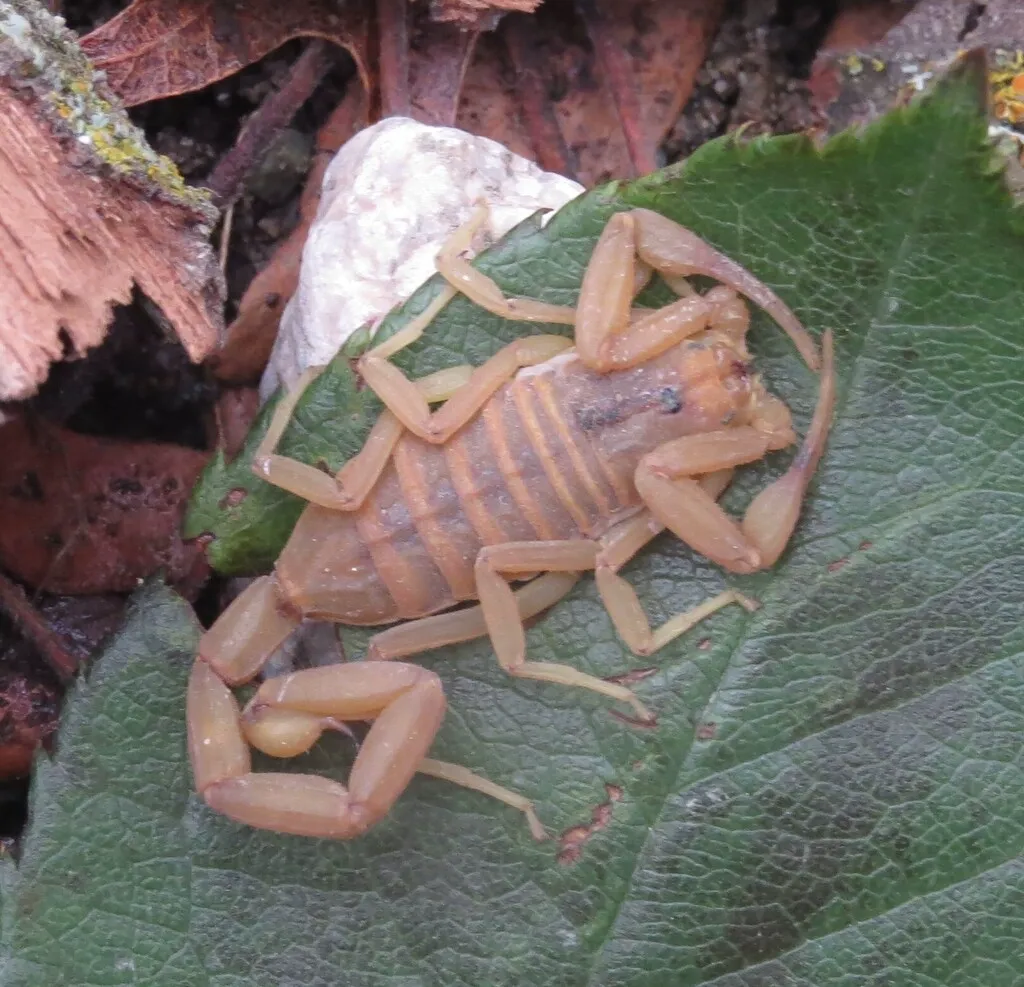
Arizona Bark Scorpions Coloration
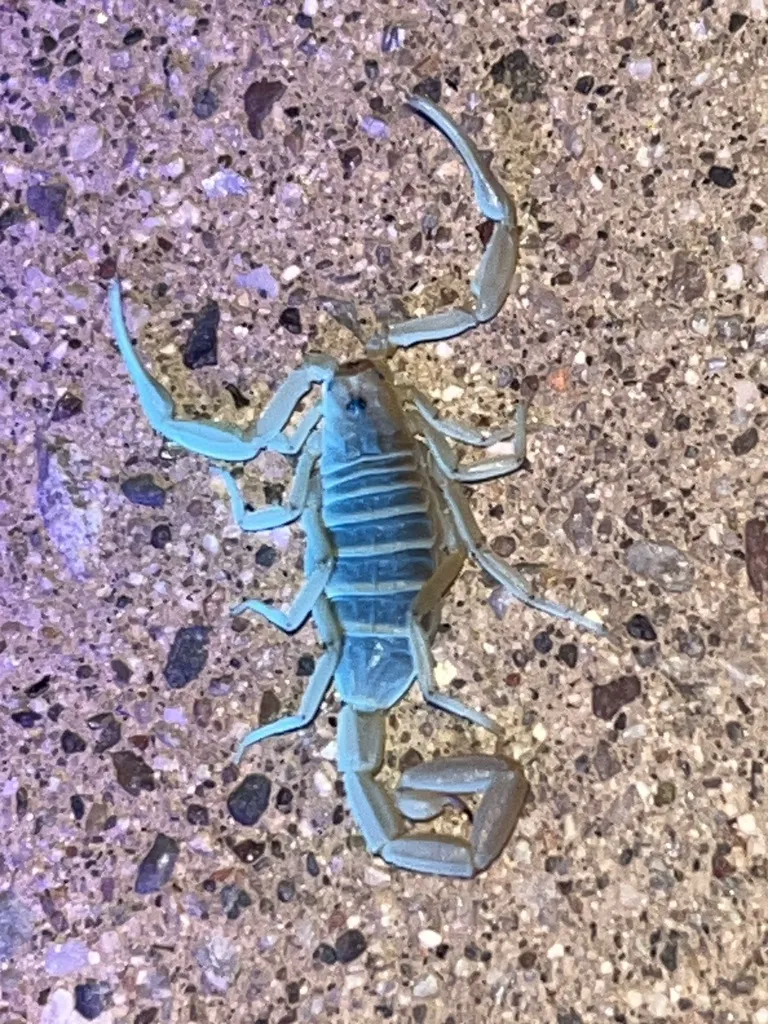
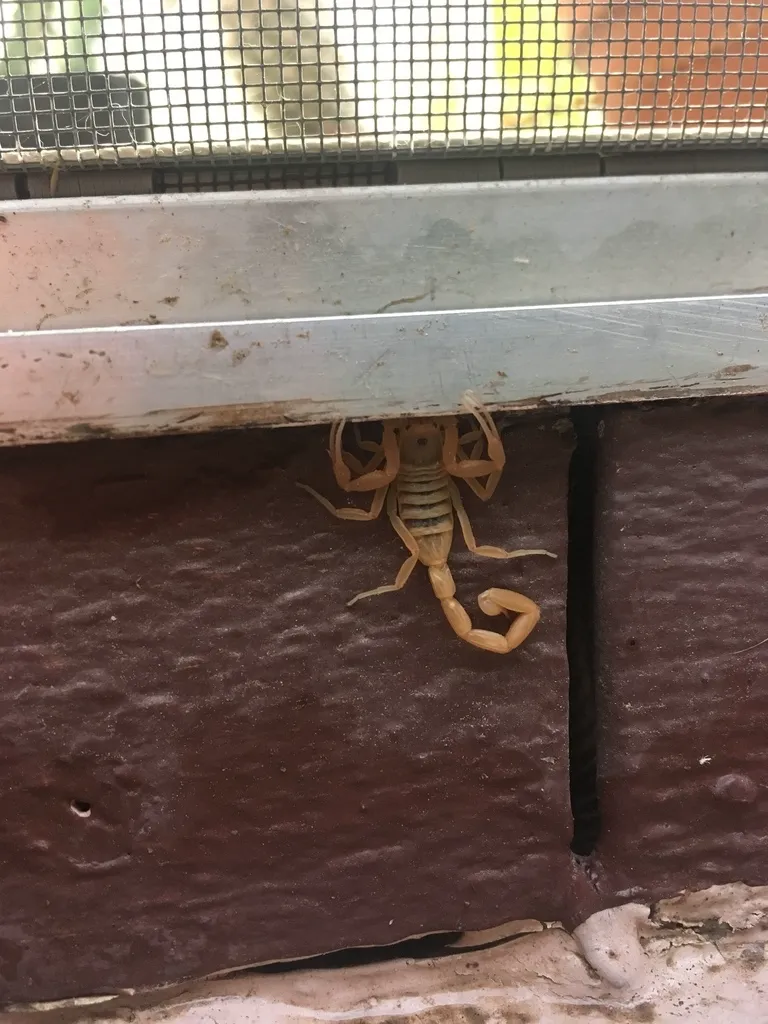
Common color patterns to help identify arizona bark scorpions
Arizona Bark Scorpions
Seasonal Activity
When arizona bark scorpions are most active throughout the year

Where Arizona Bark Scorpions Are Found
Hover over states to see their names. Green regions indicate where arizona bark scorpions have been reported.
Arizona Bark Scorpion Identification Guide
Physical Characteristics
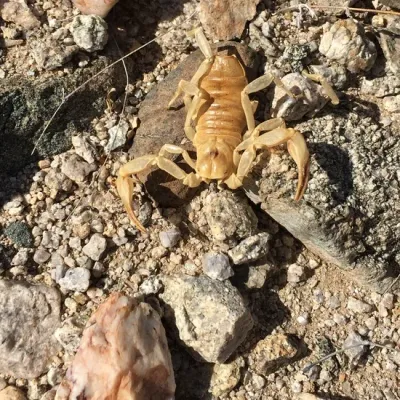
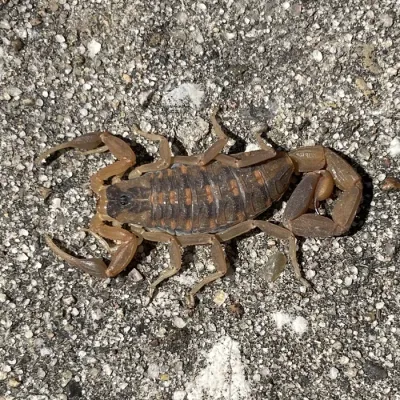
The Arizona bark scorpion (Centruroides sculpturatus) is a small arachnid with a serious sting. Adults are 2 to 3 inches long. Compared to other scorpion species in its range, the bark scorpion is slim and light. Its long, thin tail curves up and ends in a round stinger. Its pincers are narrow rather than thick.
Color ranges from light tan to pale brown or straw-yellow. Some individuals show faint darker stripes on the back. This pale color helps set it apart from darker, heavier species in the same area.
All scorpions glow under ultraviolet light, and the Arizona bark scorpion is no exception. Under a blacklight, they shine bright blue-green. This trait makes nighttime detection simple and highly effective.
Bark scorpions have eight walking legs and two pincers. The body has two main sections: the head region and a segmented abdomen that leads into a five-part tail. Adults are very light, which helps them climb walls and even ceilings.
Common Look-Alikes
Several scorpion species overlap in range with the Arizona bark scorpion and are often mistaken for it:
- Striped bark scorpion (Centruroides vittatus) is the most commonly confused species. Look for two dark stripes down its back and a stockier build. It lives across much of the south-central United States.
- Arizona hairy scorpion (Hadrurus arizonensis) is much larger at over 5 inches. It has a heavy build, thick pincers, and visible body hairs. This burrowing species rarely climbs walls.
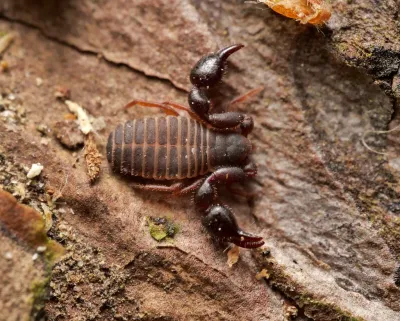
- Pseudoscorpions are tiny arachnids under 8mm long. They have pincers but no tail. They are harmless and live in leaf litter or under bark.
The easiest way to identify an Arizona bark scorpion is by its small size, slim body, thin tail, and narrow pincers. A light-colored scorpion with a long, slender tail is very likely a bark scorpion.
Arizona Bark Scorpion Behavior and Biology
Habitat and Distribution
Arizona bark scorpions live in the Sonoran Desert and nearby dry areas of the Southwest. Their range covers Arizona, southern California, southern Nevada, western New Mexico, and southwestern Utah. In Mexico, they are found in Sonora and Chihuahua. They are the most common scorpion in cities like Phoenix and Tucson.
Most scorpions dig burrows, but bark scorpions prefer tight crevices instead. They hide under rocks, loose tree bark, hollow block walls, and inside wall voids in homes. Their flat bodies let them fit into very small spaces. In the wild, they live near water sources and on rocky slopes with lots of shelter.
Diet and Feeding
Arizona bark scorpions hunt at night. They eat crickets, cockroaches, beetles, spiders, and other small bugs. They are ambush predators. They sit still near their hiding spot and use tiny sensory hairs to feel for nearby movement. When prey gets close enough, they grab it with their pincers and sting it to stop its movement.
Reproduction and Life Cycle
Female bark scorpions give birth to live young instead of laying eggs. A typical litter has 25 to 35 babies. The newborns climb onto the mother’s back right after birth and stay there until their first molt, usually about two to three weeks later. Young scorpions shed their skin several times as they grow to adult size. This process takes one to three years depending on food and conditions. Adults can live five to seven years.
Seasonal Activity
In low desert areas, bark scorpions are active from about March through October. They are busiest during the monsoon season from July through September. Warm nights above 70 degrees Fahrenheit bring the most activity. In cooler months from November through February, they slow down and often group together in shared resting spots. It is common to find 20 or more scorpions in a single wall void or crevice during winter.
Venom and Medical Significance
The Arizona bark scorpion has the most dangerous sting of any scorpion in North America. Its venom targets the nervous system. Common symptoms include sharp pain, numbness, and tingling at the sting site. In serious cases, mostly in young children and elderly adults, the sting can cause trouble breathing, drooling, and muscle twitching. The FDA-approved antivenom Anascorp is used for severe reactions.
If stung, contact Poison Control at 1-800-222-1222 or seek emergency medical care right away, especially for children under six. This information is for general awareness only and is not a substitute for professional medical advice. Always consult a healthcare provider for medical concerns.
Treatment and Control Methods for Arizona Bark Scorpions
Keeping bark scorpions out of homes works best with a combination of methods. Sealing entry points and changing the habitat around the home are the most important steps.
-
Inspection and monitoring. Use a UV flashlight to search for scorpions at night. They glow bright blue-green under blacklight, making them easy to spot. Place glue boards along walls and near entry points to track activity.
-
Exclusion. Seal all cracks and gaps around the home. Focus on door sweeps, window frames, weep holes in block walls, and pipe openings. Check where the foundation meets the siding. Bark scorpions can fit through gaps as small as 1/16 of an inch, so careful sealing is a must.
-
Habitat modification. Clear rock piles, stacked firewood, and yard debris within several feet of the foundation. Trim plants away from outer walls. Reduce outdoor lights that draw bugs, since bugs attract scorpions. Keep watering away from the foundation.
-
Moisture reduction. Fix leaky faucets, pipes, and sprinkler heads. Cut back on watering near the home. Scorpions and their prey are both drawn to moisture.
-
Prey reduction. Getting rid of household bugs like crickets and cockroaches removes a key food source that pulls scorpions inside.
-
Chemical barrier treatments. Pest control professionals can apply barrier treatments to foundations, wall bases, and known hiding spots. Dust products in wall voids and targeted crack treatments can lower scorpion numbers. These work best when paired with sealing and habitat changes.
References
Other Other Pests
Explore other species in the other pests family
Commonly Confused With
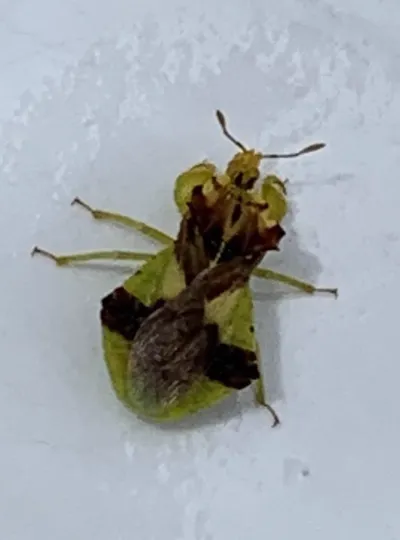
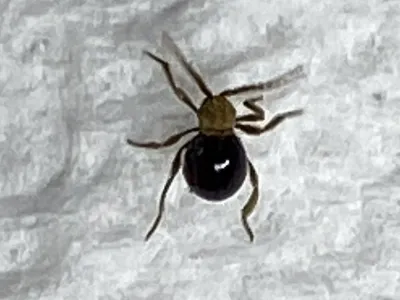
Arizona Bark Scorpions are often mistaken for these similar pests
Where Arizona Bark Scorpions Are Found
Hover over states to see their names. Green regions indicate where arizona bark scorpions have been reported.
Common Questions about Arizona Bark Scorpions
How dangerous is an Arizona bark scorpion sting?
+
The Arizona bark scorpion has the most dangerous sting of any North American scorpion. Symptoms can include intense pain, numbness, and tingling. In severe cases, especially in children, it may cause difficulty breathing and muscle spasms. If stung, contact Poison Control (1-800-222-1222) or seek medical attention right away. This is not medical advice. Always consult a healthcare provider.
How can I tell if I have Arizona bark scorpions in my home?
+
The most effective detection method is a nighttime blacklight survey. Arizona bark scorpions glow bright blue-green under ultraviolet light, making them easy to spot after dark. Check walls, ceilings, closets, and areas around plumbing fixtures.
What attracts Arizona bark scorpions to homes?
+
Bark scorpions are drawn to moisture, shelter, and prey insects like crickets and cockroaches. Irrigated landscaping, rock or wood piles near foundations, and dense groundcover against exterior walls create attractive habitat close to entry points.
Can Arizona bark scorpions climb walls and ceilings?
+
Yes. Unlike most other scorpion species, Arizona bark scorpions are excellent climbers. They can scale textured walls, stucco, and even ceilings. They cannot climb perfectly smooth surfaces like glass or polished tile.
How small of a gap can an Arizona bark scorpion fit through?
+
Arizona bark scorpions can squeeze through gaps as narrow as 1/16 of an inch, roughly the thickness of a credit card. This is why thorough exclusion work around doors, windows, and foundation penetrations is so important.
When are Arizona bark scorpions most active?
+
They are most active from May through September, particularly during warm nights when temperatures stay above 70 degrees Fahrenheit. Activity peaks during the monsoon season in July and August when increased moisture drives more prey insects to the surface.
Do Arizona bark scorpions travel in groups?
+
Arizona bark scorpions can aggregate in large numbers during cooler months, sometimes gathering in groups of 20 to 30 individuals in a single harborage site. Finding one scorpion indoors may indicate more are nearby.

With five years of hands-on experience in the pest control industry, George Schulz is a registered technician with the Virginia Pest Management Association and a proud third-generation professional in a family business that's been protecting homes for over 58 years. He manages and trains a team of service pros while also leading internal research efforts—recently spearheading a deep-dive review of thousands of documents on pest control materials to hand-pick the most kid and pet friendly, most effective solutions tailored specifically for homes in the DC metro area.
Local Other Pests Help
Dealing with other pests at home? Our licensed technicians provide pest control across Northern Virginia and Maryland.
