Mold Mites Identification Guide
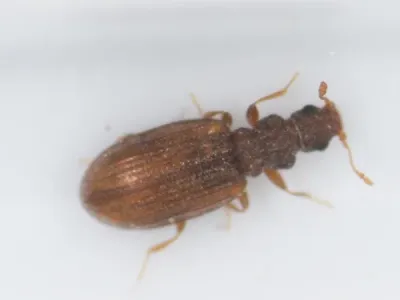
Tyrophagus putrescentiae
Mold mites are microscopic arachnids that feed on mold and mildew. They swarm on damp drywall, basement framing, window sills, and spoiled food, and finding them almost always means a moisture problem is feeding hidden mold growth.
Taxonomy
Mold Mites Coloration
Common color patterns to help identify mold mites
Mold Mites
Seasonal Activity
When mold mites are most active throughout the year

Where Mold Mites Are Found
Hover over states to see their names. Green regions indicate where mold mites have been reported.
Mold Mite Identification Guide
Physical Characteristics
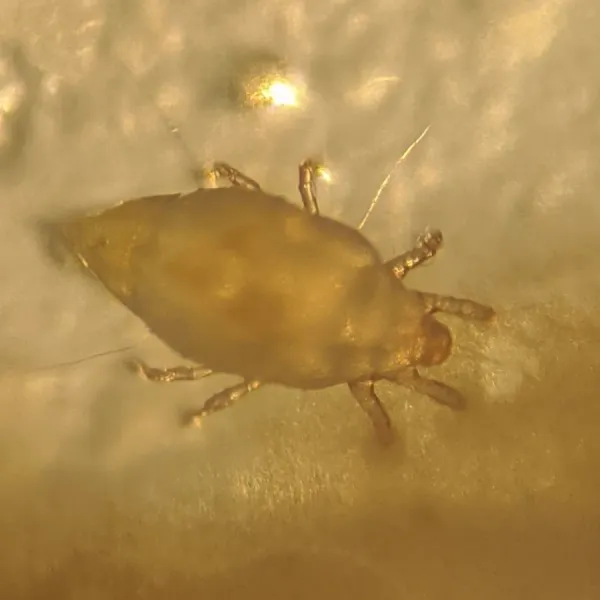
Mold mites are among the smallest pests you will find indoors. Adults are only 0.3 to 0.4 millimeters long. A single mite looks like a speck of dust that happens to be moving. Most people spot the colony long before they spot one mite.
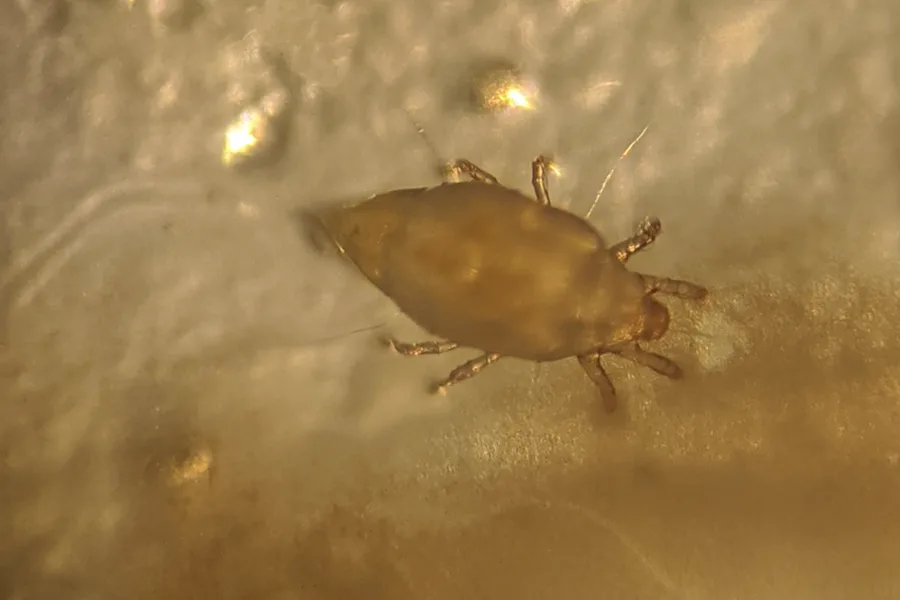
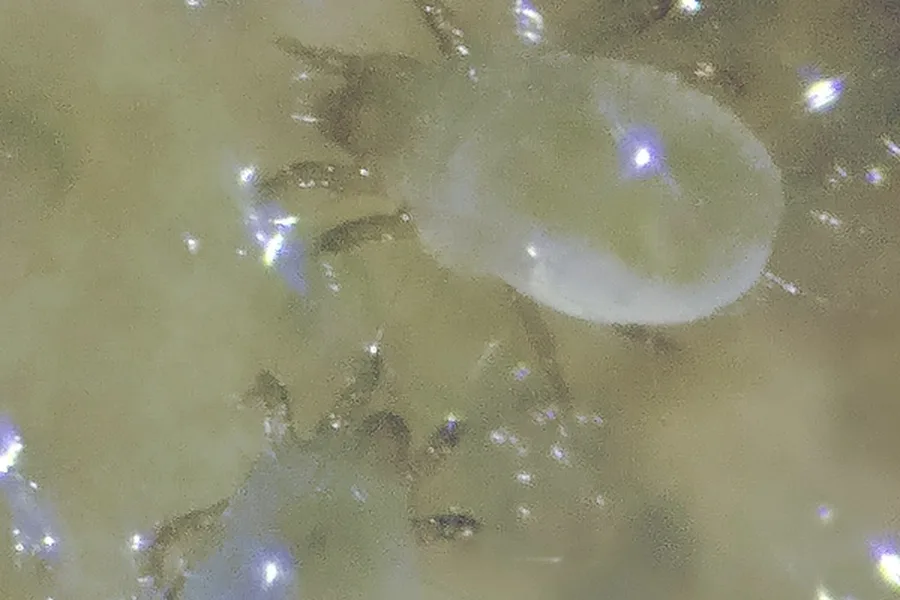
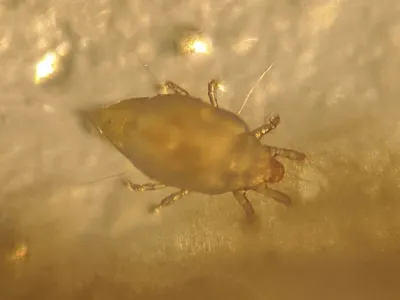
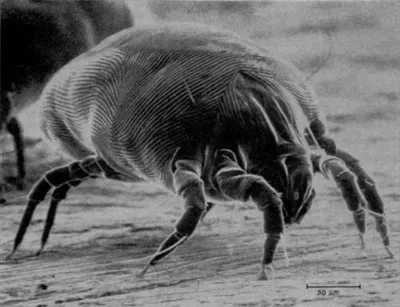
You need a hand lens to see one clearly. Under magnification, the body is oval and smooth. It looks see-through or cream colored, and turns light brown after feeding. Adults have eight legs.
The best clue is the hair. Mold mites have unusually long hairs, called setae, that trail off the back and sides like whiskers. Few other tiny household mites have them.
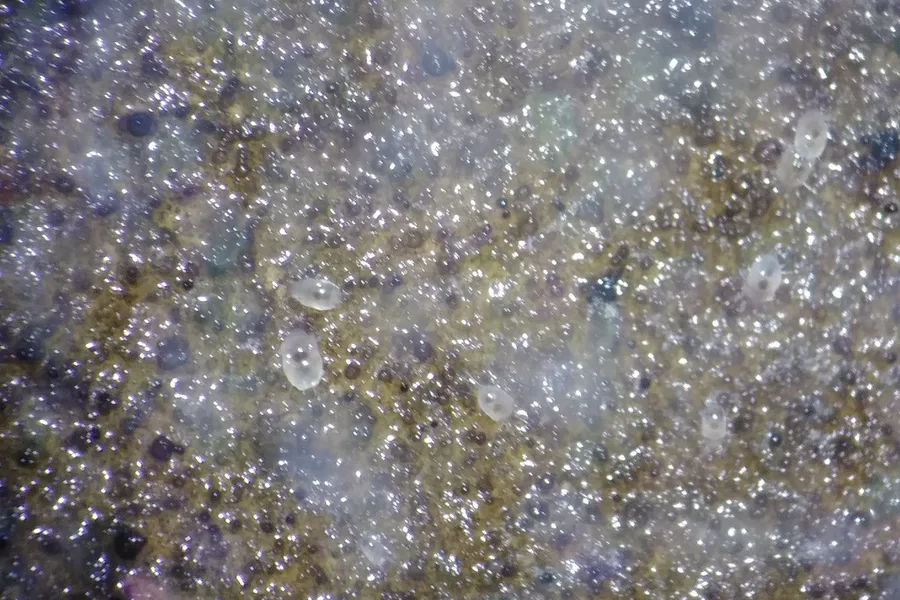
In large numbers, the mites form a moving film. People call it “mite dust.” It looks brown or gray and spreads across damp walls, window sills, and old food. Brush it with a finger. If the dust scatters and then reforms, those are live mites, not dirt.
Common Species
The mold mite is Tyrophagus putrescentiae. It belongs to the stored products mite family, Acaridae. The same species goes by other names depending on where it turns up. In cured meat rooms it is the ham mite. In mushroom houses it is the mushroom mite. In pantries and pet food it is the storage mite.
Close relatives in North America include:
- Grain Mite (Acarus siro): Also called the flour mite. It prefers flour, cereal, and whole grain over mold. Large numbers give off a sweet or minty smell.
- Brown-legged Grain Mite (Aleuroglyphus ovatus): Nearly the same shape, but with darker legs.
- Hairy Storage Mite (Lepidoglyphus destructor): Lives in the same damp storage spots. Telling it apart takes a microscope.
Mold Mite Behavior and Biology
Habitat
Mold mites go where mold goes. That makes them a useful warning sign. Look for them in these spots:
- Water-damaged drywall, trim, and subfloor after a leak or flood
- Basements and crawl spaces with high humidity or poor airflow
- Framing lumber that got rained on during construction and was closed in wet
- Window sills and outside walls where warm indoor air meets cold surfaces
- Behind and under refrigerators, dishwashers, and washing machines
- Damp pantries, pet food bins, and the soil of overwatered houseplants
Outdoors they live in leaf litter, compost, and rotting plants. They eat the same fungi there. They come inside on food packaging, potting soil, and furniture. They also drift in as airborne dust.
Diet
Mold mites eat fungus. They graze on mold and its spores. They do not eat wood, fabric, or building materials, so they cause no structural damage.
They also feed on rich foods that grow surface mold. That includes cheese, cured ham, nuts, seeds, dried mushrooms, and dry pet kibble. As they crawl, they carry mold spores with them. This can spread the growth to new spots.
Life Cycle
Mold mites pass through five stages: egg, larva, protonymph, tritonymph, and adult. Larvae hatch with six legs. They gain the fourth pair as they grow.
Warmth and moisture drive everything. At 77 to 86 degrees Fahrenheit and humidity above 75 percent, a generation finishes in under two weeks. One female may lay several hundred eggs.
Dry air stops them. Below about 50 percent humidity, growth slows and then halts. Some stored product pests can go dormant and wait out bad conditions. Mold mites cannot. A space that stays dry clears itself out.
How They Spread
Mold mites cannot fly. They crawl, they ride air currents as house dust, and they hitch rides on larger insects. Biologists call that last trick phoresy. It explains how one damp corner can seed mites into a pantry across the house.
Health Considerations
Mold mites do not bite. They do not sting, and they do not live on people or pets.
The concern is allergies. Their shed skins and waste contain proteins that act as strong allergens. In sensitive people these can trigger sneezing, a runny nose, itchy eyes, skin rashes, or asthma symptoms. People already allergic to dust mites often react to mold mites too.
The mold itself is a separate health issue and often the bigger one. If you have symptoms you think are linked to mites or mold at home, talk to a healthcare provider. This page is general information only and is not medical advice.
Treatment Methods for Mold Mites
Mold mites are a symptom, not the problem itself. Any plan that skips the moisture fails, because the mites come back as soon as the mold does. Sprays work poorly here. They do nothing about the fungus feeding the mites, so the population rebuilds within days.
Find and Fix the Moisture
- Track down the water source. Common culprits are roof and plumbing leaks, poor grading, damp crawl spaces, blocked dryer vents, and condensation on cold pipes.
- Repair the leak. Dry the area fully before you close anything back up.
- Hold indoor humidity between 30 and 50 percent. Use a dehumidifier, working exhaust fans, and good crawl space ventilation.
- Improve airflow in closets, basements, and storage rooms where air sits still.
Remove the Mold
- Wash hard surfaces with detergent and water, then dry them well. The EPA’s mold cleanup guidance walks through the steps.
- Throw out soaked porous materials such as drywall, carpet padding, and ceiling tile. These cannot be cleaned well enough to trust.
- Call a qualified mold remediation contractor for growth larger than about 10 square feet. Do the same for anything inside wall cavities or the HVAC system.
Cut Down Mites and Allergens
- Vacuum the area with a HEPA-filtered vacuum. Then wipe surfaces with a damp cloth so you do not stir allergens into the air.
- Move dry goods and pet food into airtight glass, metal, or hard plastic containers.
- Buy pet food in amounts you will use within a few weeks.
- Bag infested food and throw it out. Do not try to sift or save it.
- Let houseplant soil dry between waterings. Scrape off any surface mold.
Prevention
Once the space is dry, keep it dry. Run a dehumidifier through humid Mid-Atlantic summers. Check under sinks and behind appliances each season. Keep gutters and downspouts moving water away from the foundation. Deal with condensation before it leaves a stain. Homes that hold humidity under 50 percent rarely see mold mites at all.
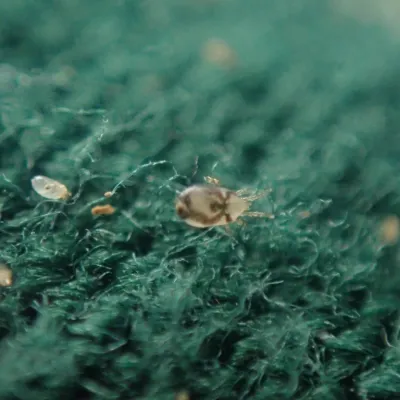
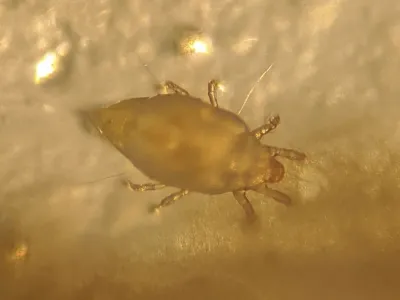
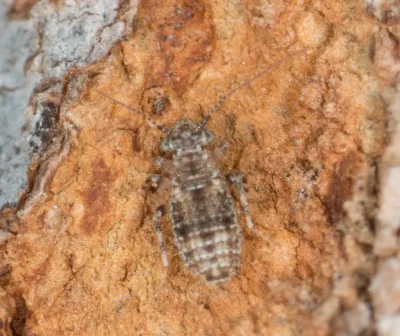
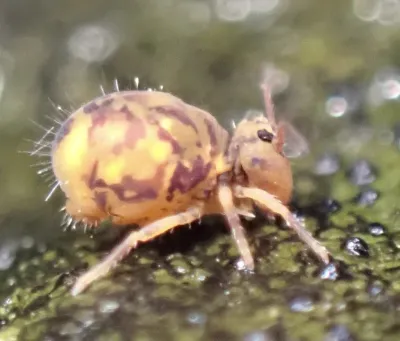
Not sure what you are looking at? Tiny pale insects that jump are usually springtails. Slow specks in books and paper are usually booklice. Both are moisture pests as well, and the same drying steps handle all three.
References
- Cheese Mite, Grain Mite, and Mold Mite - Pacific Northwest Pest Management Handbooks
- Mold Mites - Bohart Museum of Entomology, UC Davis
- Flour and Grain Mites - Penn State Extension
- Mites Infesting Stored Food and Grain - Purdue Extension Entomology
- Mold Cleanup in Your Home - U.S. Environmental Protection Agency
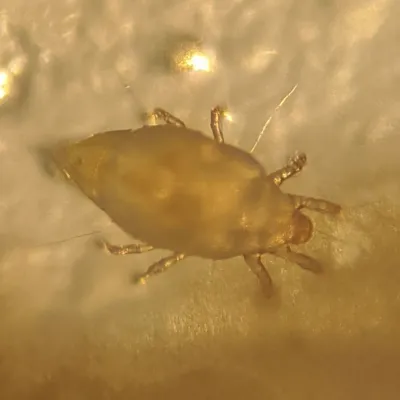
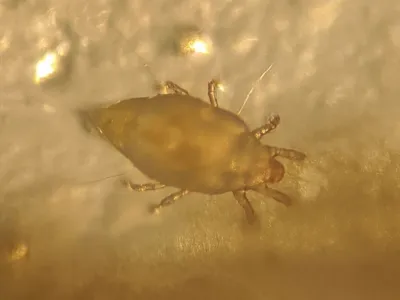
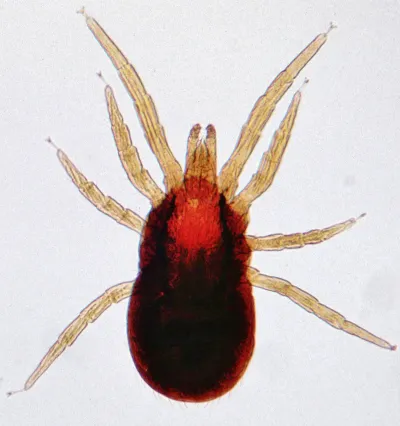
Other Mites
Explore other species in the mites family
Commonly Confused With
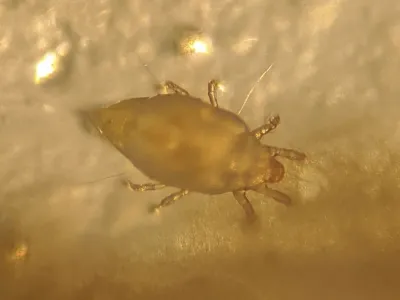
Mold Mites are often mistaken for these similar pests
Where Mold Mites Are Found
Hover over states to see their names. Green regions indicate where mold mites have been reported.
Common Questions about Mold Mites
What are mold mites?
+
Mold mites are microscopic arachnids, about 0.3 to 0.4 millimeters long, that feed almost entirely on mold and mildew. The species most people mean is Tyrophagus putrescentiae. They do not bite, sting, or damage the structure of a house, but they only appear where there is enough moisture to support active mold growth.
Does seeing mold mites mean I have a mold problem?
+
Almost always, yes. Mold mites eat fungal growth, so a visible population means mold is already established nearby, even if you cannot see it. The mites are often the first noticeable sign of a leak inside a wall, a damp crawl space, or lumber that got wet before it was closed in.
What do mold mites look like?
+
Individually they look like slow-moving specks of pale dust and need a hand lens to see clearly. Under magnification they are oval, translucent to cream colored, with eight legs and long hairs trailing off the back of the body. In large numbers they look like a shifting brown or gray film that seems to move on its own.
Do mold mites bite people?
+
Mold mites do not bite and do not live on people or pets. They can still affect your health indirectly. Their shed skins and waste are potent allergens that may trigger sneezing, itchy eyes, skin irritation, or asthma symptoms in sensitive people. If you have symptoms you think are related, talk to a healthcare provider.
Where do mold mites come from?
+
They arrive on infested food, in potting soil, on secondhand furniture, and in the air as dust, and they are already present at low levels in most buildings. What turns a few mites into a visible swarm is moisture. Sustained humidity above about 70 percent, a plumbing leak, poor crawl space ventilation, or condensation on cold surfaces gives mold the foothold the mites need.
How do I get rid of mold mites?
+
Fix the water problem first, because the mites disappear once their food source dies back. Find and repair the leak or humidity source, dry the area fully, clean or remove the moldy material following EPA guidance, and keep indoor humidity below 50 to 60 percent with a dehumidifier or better ventilation. Wipe surfaces with a damp cloth rather than a dry duster so you are not sending allergenic dust into the air.
Will an insecticide kill mold mites?
+
Spraying is a poor answer for mold mites. Treating the surface does nothing about the mold underneath, and the population simply rebuilds within days. Moisture correction and mold removal are what actually end the problem, which is why remediation contractors, not pesticides, resolve most mold mite complaints.
Are mold mites the same as storage mites or grain mites?
+
Mold mites and storage mites are the same species under two common names, used depending on where the mites turn up. Grain mites are a close relative, Acarus siro, that prefers flour and cereal rather than mold. All three are in the family Acaridae, look nearly identical without a microscope, and respond to the same moisture-first approach.

With five years of hands-on experience in the pest control industry, George Schulz is a registered technician with the Virginia Pest Management Association and a proud third-generation professional in a family business that's been protecting homes for over 58 years. He manages and trains a team of service pros while also leading internal research efforts—recently spearheading a deep-dive review of thousands of documents on pest control materials to hand-pick the most kid and pet friendly, most effective solutions tailored specifically for homes in the DC metro area.
Local Mites Help
Dealing with mites at home? Our licensed technicians provide pest control across Northern Virginia and Maryland.
