American Spider Beetles Identification Guide
Mezium americanum
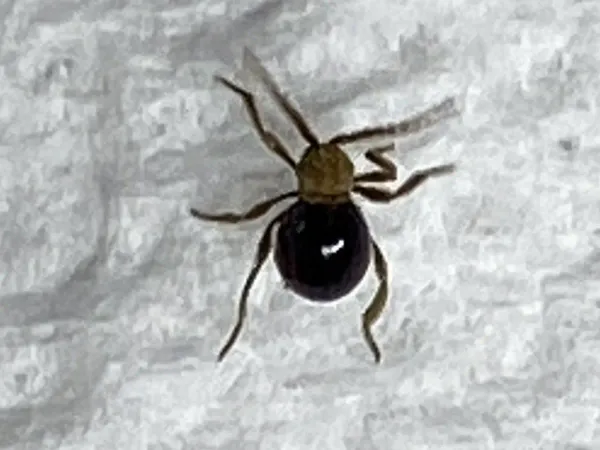
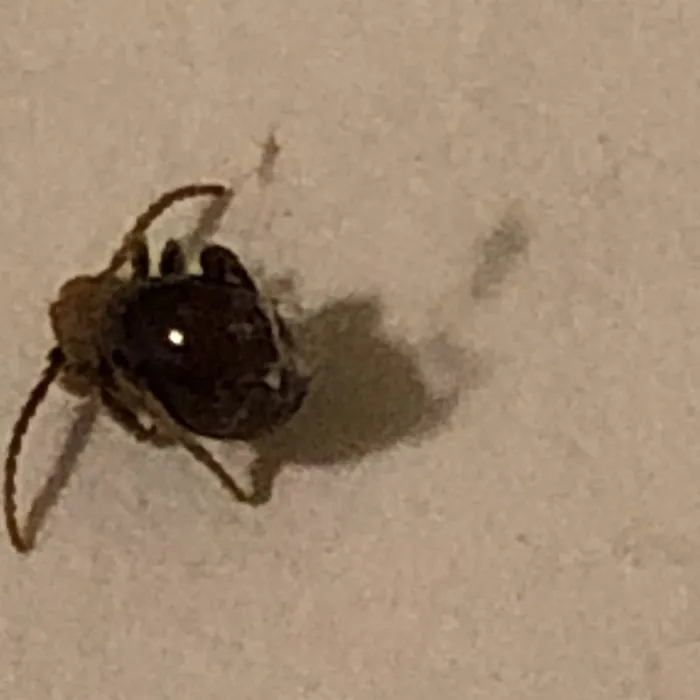
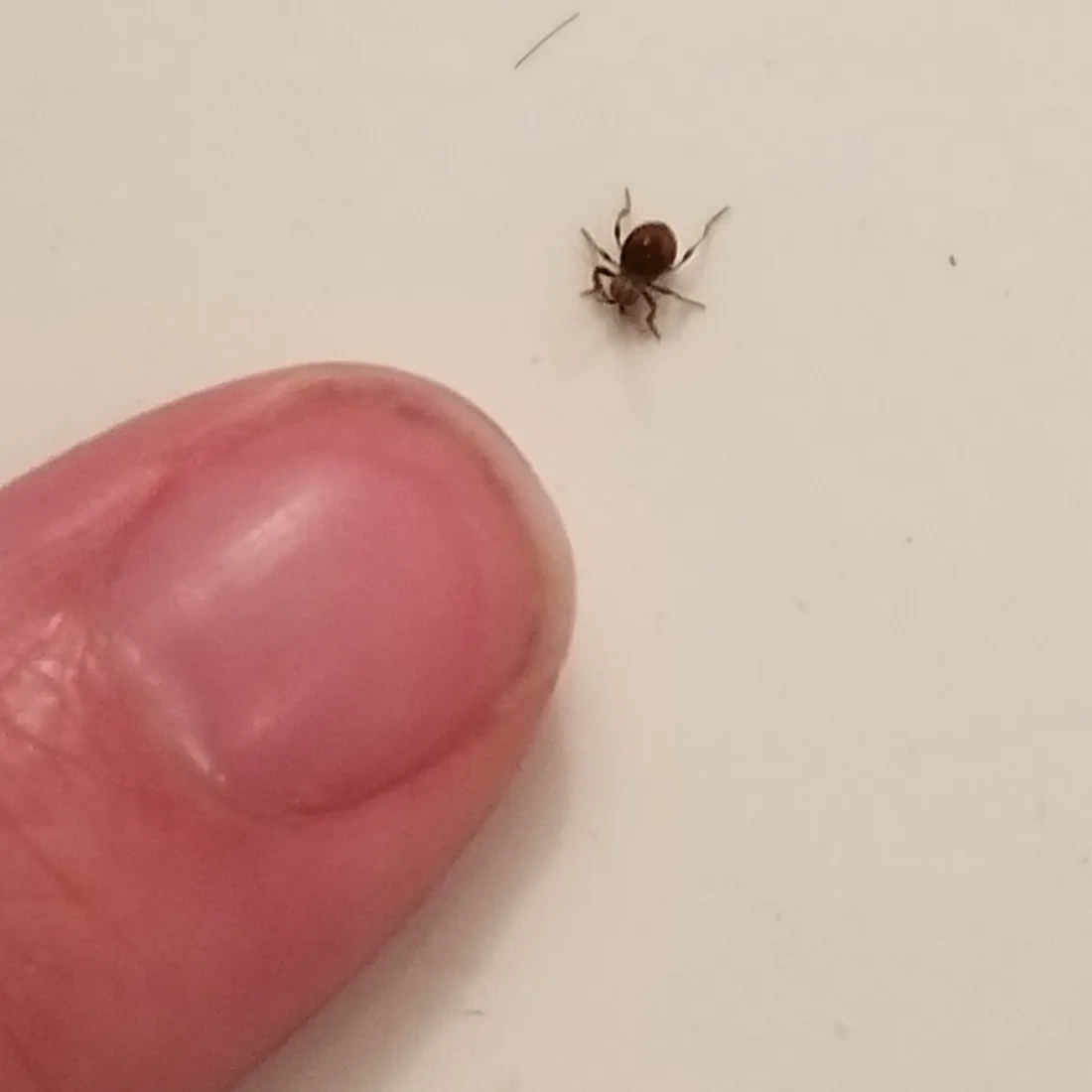
American spider beetles are tiny, shiny black beetles with a round, humped body and long pale legs. They look like small ticks or spiders and feed on stored food, rodent nests, and other dry debris indoors.
Taxonomy
American Spider Beetles Coloration
Common color patterns to help identify american spider beetles
American Spider Beetles
Seasonal Activity
When american spider beetles are most active throughout the year

Where American Spider Beetles Are Found
Hover over states to see their names. Green regions indicate where american spider beetles have been reported.
American Spider Beetle Identification Guide
Physical Characteristics
The American spider beetle (Mezium americanum) is a tiny stored-product beetle. Most people first notice one walking across a counter, floor, or bathroom tile at night. Its round body and long legs make many people think it is a tick or a small spider.
Key features of adults:
- Size: About 1.5 to 3.5 mm long, or roughly 1/16 to 1/8 inch.
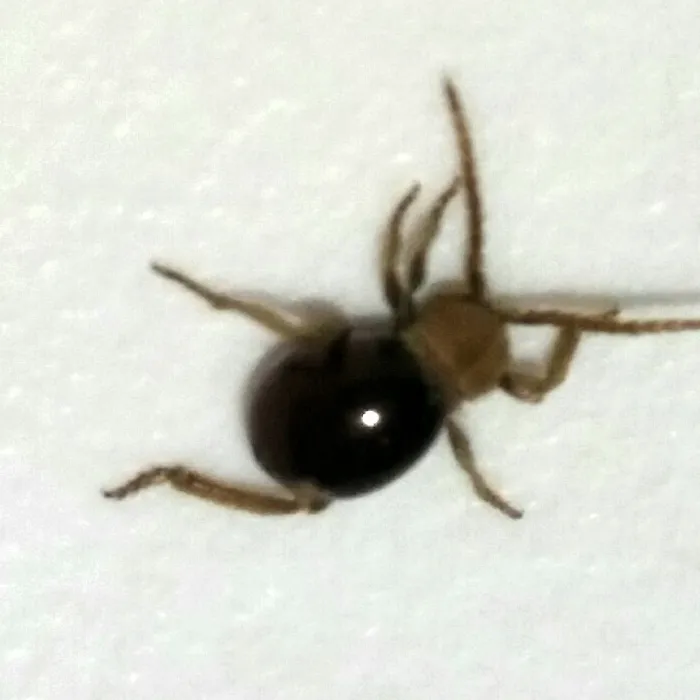
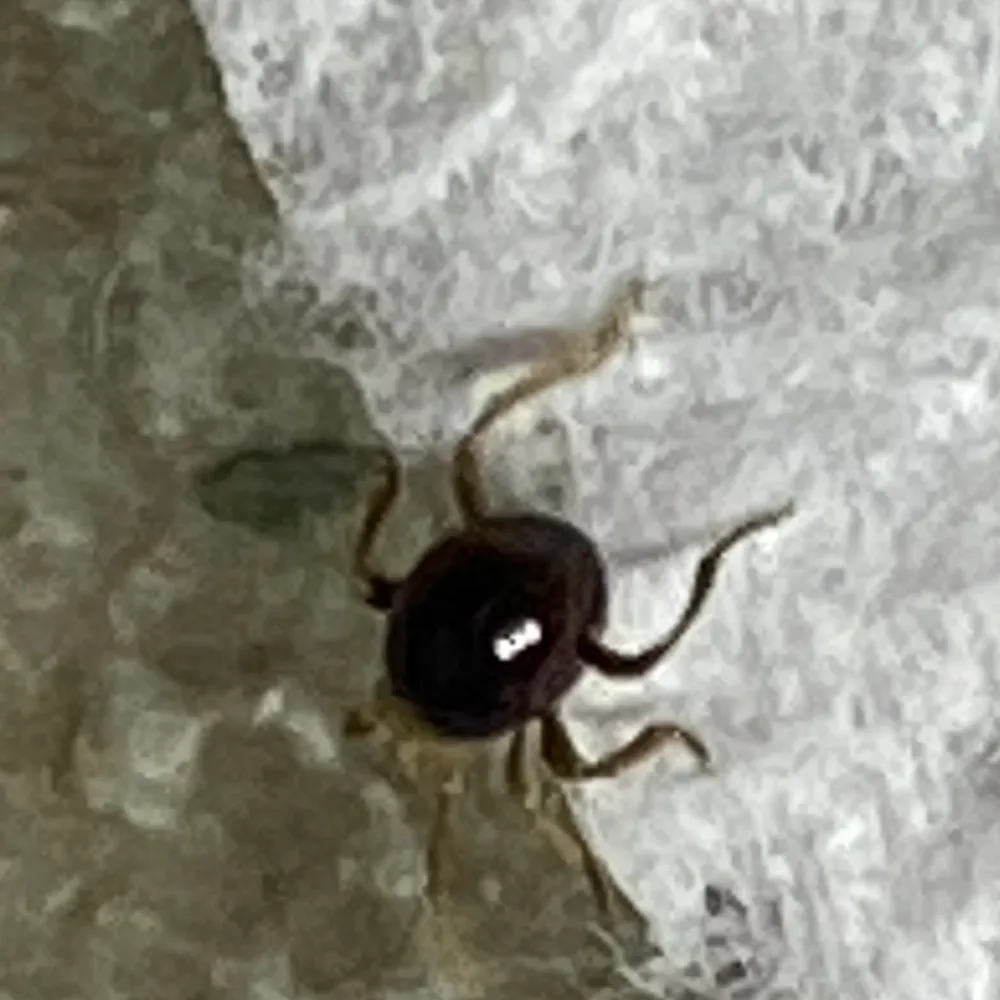
- Body shape: The rear body is very round and humped, almost like a tiny glossy bead.
- Color: The rear body is shiny dark reddish-brown to nearly black. It looks smooth and polished.
- Head and thorax: The small front end is covered with dense, golden-yellow scales and hairs. The head is tucked down and hard to see from above.
- Legs and antennae: Long, thin, and pale yellow to tan. The antennae are threadlike, not clubbed.
- Wings: The wing covers are fused into one hard shell. This beetle cannot fly.
Larvae are small, cream-colored, C-shaped grubs with a light brown head. They stay hidden inside the food or debris they eat, so most homeowners never see them.
Common Species
The American spider beetle is one of several spider beetles found in North American homes. For an overview of the whole group, see our spider beetles guide. The closest look-alikes are:
- Shiny spider beetle (Mezium affine): A close cousin that looks almost the same. Experts tell them apart by small ridges and scales on the thorax.
- Smooth spider beetle (Gibbium aequinoctiale): Also round and glossy, but reddish-brown. Its head and thorax are bare, with no golden scales.
- White-marked spider beetle (Ptinus fur): Brown and more oval, with patches of white hairs on the wing covers.
- Golden spider beetle (Niptus hololeucus): Covered all over in golden, silky hairs.
How to Tell American Spider Beetles From Look-Alikes
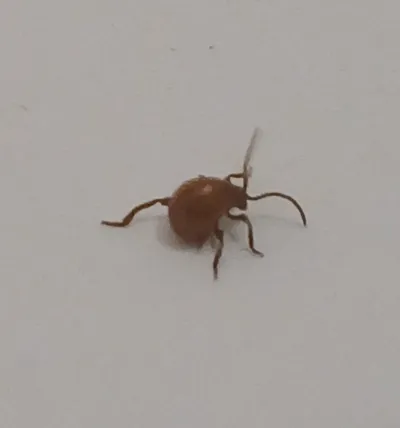
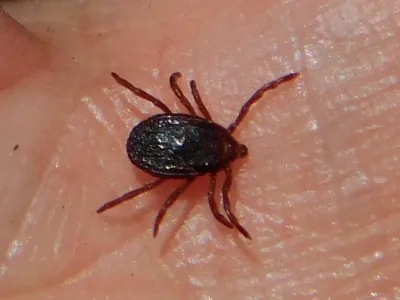
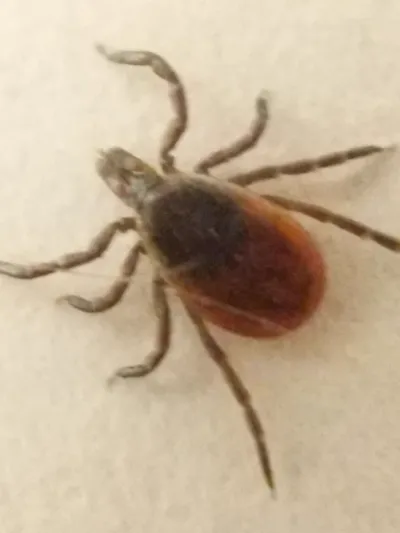
- Ticks such as the brown dog tick and black-legged tick: Ticks have eight legs and no antennae. Unfed ticks are flat and teardrop-shaped. A spider beetle has six legs, long antennae, and a body that is always round and humped.
- Spiders: Spiders have eight legs and two body parts that are about the same width. They often spin silk. Spider beetles have six legs, a hard shell, and no silk.
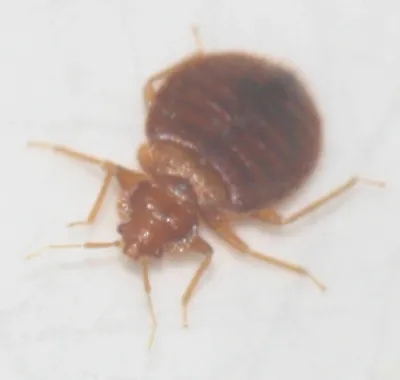
- Bed bugs: Bed bugs are flat, oval, and rusty brown, with short legs. They hide near beds and feed on blood. Spider beetles are round and shiny, wander at night, and feed on dry debris.
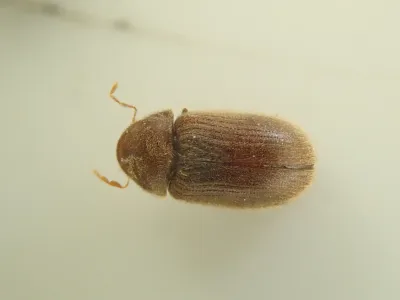
- Drugstore beetles and cigarette beetles: These are reddish-brown, oval, and fully covered by their wing covers. They have short legs and can fly toward lights.
- Sawtoothed grain beetles: These are long, flat, and brown, with tooth-like points along the sides of the thorax. They look nothing like a round spider beetle up close.
American Spider Beetle Behavior and Biology
Habitat
The American spider beetle now lives around the world. Most live inside buildings. It is found in homes, warehouses, flour mills, and museums. In North America, records are scattered from California, Colorado, and Texas to the Great Lakes, New England, and Ontario. It travels in stored goods, so it can turn up in almost any state. That includes the Mid-Atlantic.
Indoors, look for it in:
- Pantries and kitchen cabinets with old or rarely used food
- Pet food, birdseed, and grass seed stored in garages or basements
- Wall voids, attics, and crawl spaces with old rodent or bird nests
- Areas with dead insects, such as light fixtures and window sills
- Closets with wool, feathers, or other animal fibers
Diet
American spider beetles are scavengers. Insect experts at the University of California have found them in grain, animal feed, melon seeds, and dried meat. They have also turned up in tobacco, cayenne pepper, and wool carpet. They also feed on rodent droppings, dead insects, and nest material.
This wide diet is what makes them hard to get rid of. In one well-known California case, the beetles kept coming back after treatment. The source was an old rat nest under a bathroom floor. It was full of droppings and bones.
Life Cycle
Like all beetles, the American spider beetle has four life stages: egg, larva, pupa, and adult.
- Eggs are laid in or near food and debris.
- Larvae feed inside the food source for several months. They grow slowly, especially in cool rooms.
- Pupae form inside a small, round cocoon in the food or nearby debris.
- Adults come out, mate, and search for food at night. Adults of this group can live for many months.
Indoors, there is usually one to two generations a year.
Activity and Seasons
Spider beetles are active at night and hide in dark cracks during the day. They handle cool temperatures better than most pantry pests. In heated homes and buildings they can be found in any month. Many people notice them in fall and winter, when other bugs are less active.
Treatment Methods for American Spider Beetles
American spider beetles do not damage the structure of your home. The goal is to find what they are eating and remove it. Spraying alone will not work while the food source is still there. These steps work well:
- Inspect stored food: Check flour, grains, cereals, spices, dried fruit, nuts, pet food, and birdseed. Look for live beetles, larvae, or fine powder at the bottom of bags.
- Throw out infested items: Seal them in a plastic bag and take them to an outdoor trash can.
- Clean thoroughly: Vacuum shelves, corners, and cracks. Empty the vacuum outside.
- Freeze what you keep: Freezing sealed food at 0°F for at least four days kills eggs, larvae, and adults, according to U.S. Army public health guidance.
- Store food in sealed containers: Use glass jars or hard plastic tubs with tight lids instead of bags and boxes.
- Look beyond the pantry: If beetles keep showing up after a cleanout, check attics, crawl spaces, and wall voids for old rodent or bird nests and dead insects. Removing that debris is often the key step.
- Use sticky traps: These beetles walk and do not fly. Place traps along walls and near cabinets to track where they are coming from.
- Professional help: A pest control company can start with an inspection to trace the source, including hidden nests and debris. Targeted crack-and-crevice treatments can help once the source is gone. If mice or rats left the nest behind, address the rodent problem too.
If you keep finding beetles, moths, or weevils in your kitchen, our pantry pest control page explains how we help with ongoing pantry problems.
References
- Urban Entomology, Chapter 7: Pests of Stored Food Products from University of California, Riverside
- Spider Beetle from Iowa State University Extension
- Spider Beetle Fact Sheet from the U.S. Army Public Health Center
- Insect Pests of Stored Products (G7370) from University of Missouri Extension
- Mezium americanum from the Integrated Taxonomic Information System
Other Other Pests
Explore other species in the other pests family
Commonly Confused With
American Spider Beetles are often mistaken for these similar pests
Where American Spider Beetles Are Found
Hover over states to see their names. Green regions indicate where american spider beetles have been reported.
Common Questions about American Spider Beetles
What is the tiny shiny black bug that looks like a tick in my house?
+
If it has a glossy black, ball-shaped body, long pale legs, and long antennae, it may be an American spider beetle. It is about 1/16 to 1/8 inch long. Ticks have eight legs and no antennae, and their bodies are flat until they feed. Spider beetles have six legs, and their bodies always look round and humped.
Do American spider beetles bite?
+
No. American spider beetles do not bite or sting people or pets, and they are not known to spread disease. They are a nuisance pest. The real problem is that they get into stored food and feed on debris hidden in walls and storage areas.
Where do American spider beetles come from?
+
Most come from a hidden food source inside the home. That could be an old bag of grain, spices, pet food, or birdseed. It could also be an old rodent or bird nest, dead insects, or droppings in a wall void, attic, or crawl space. Some arrive in infested groceries or packaged goods.
Are American spider beetles the same as spider beetles?
+
The American spider beetle is one species in the spider beetle group. Other common spider beetles include the white-marked, golden, and smooth spider beetles. The American spider beetle stands out for its glossy black, almost perfectly round rear body and the golden scales on its head and thorax.
Can American spider beetles fly?
+
No. Their wing covers form a hard, fused shell over the body, and they cannot fly. They spread by walking, mostly at night, and by riding along in food packages, feed bags, and boxes.
How do I get rid of American spider beetles?
+
Find and remove the food source first. Check old pantry items, pet food, birdseed, and dried decorations. Then vacuum shelves and cracks, and store food in sealed glass or hard plastic containers. If beetles keep showing up after a cleanout, the source may be an old rodent nest or dead insects in a wall, attic, or crawl space.

With five years of hands-on experience in the pest control industry, George Schulz is a registered technician with the Virginia Pest Management Association and a proud third-generation professional in a family business that's been protecting homes for over 58 years. He manages and trains a team of service pros while also leading internal research efforts—recently spearheading a deep-dive review of thousands of documents on pest control materials to hand-pick the most kid and pet friendly, most effective solutions tailored specifically for homes in the DC metro area.
Local Other Pests Help
Dealing with other pests at home? Our licensed technicians provide pest control across Northern Virginia and Maryland.
