
Fuller Rose Beetle Identification Guide
Naupactus cervinus
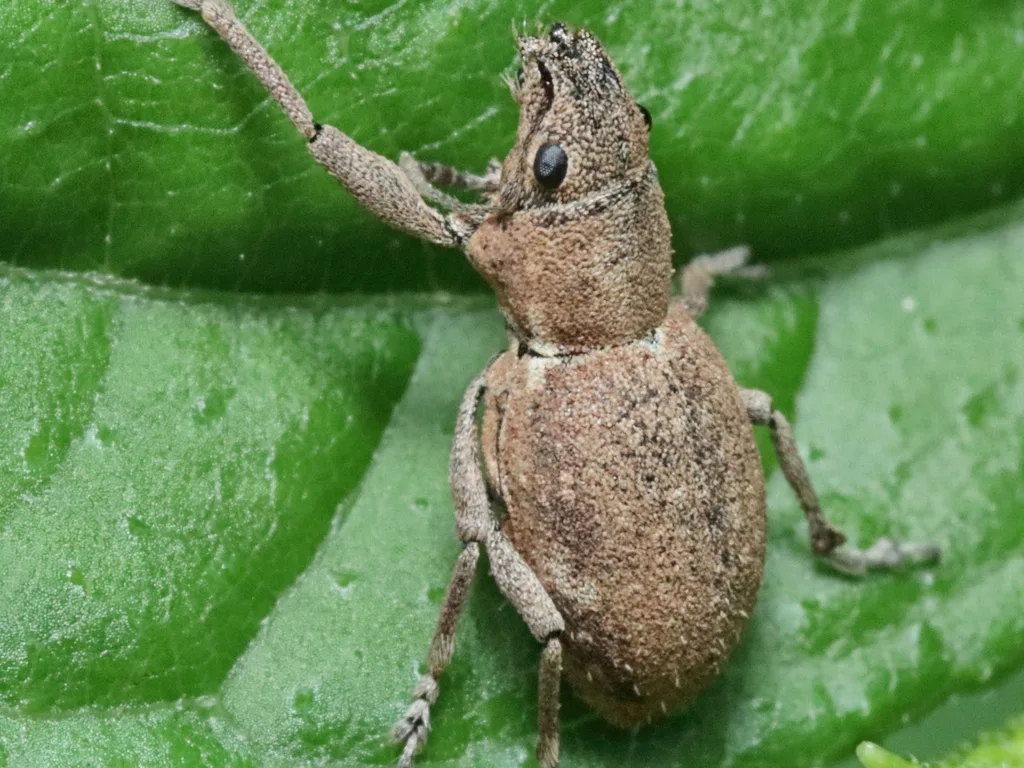
Fuller rose beetles are flightless, gray-brown weevils about 3/8 inch long with a short snout and a pale stripe on each side. Adults chew ragged notches in rose, citrus, azalea, and hibiscus leaves at night, while their legless grubs feed on roots in the soil.
Taxonomy
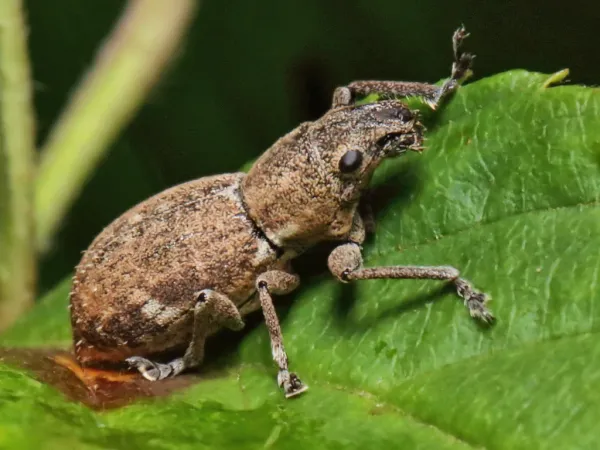
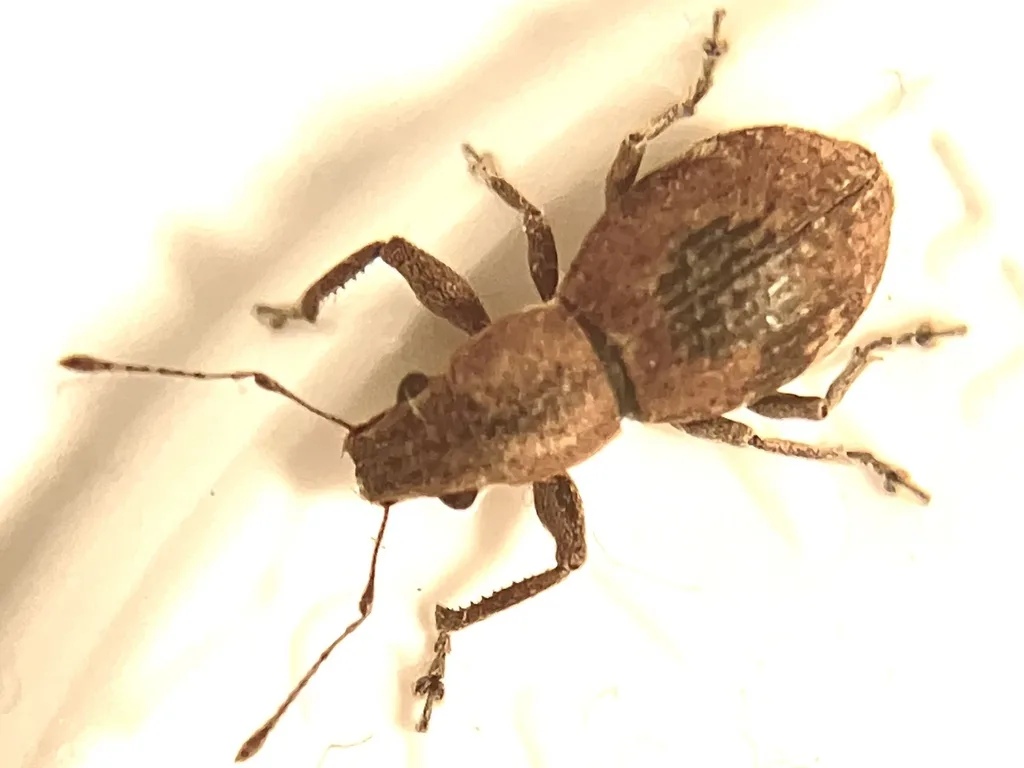
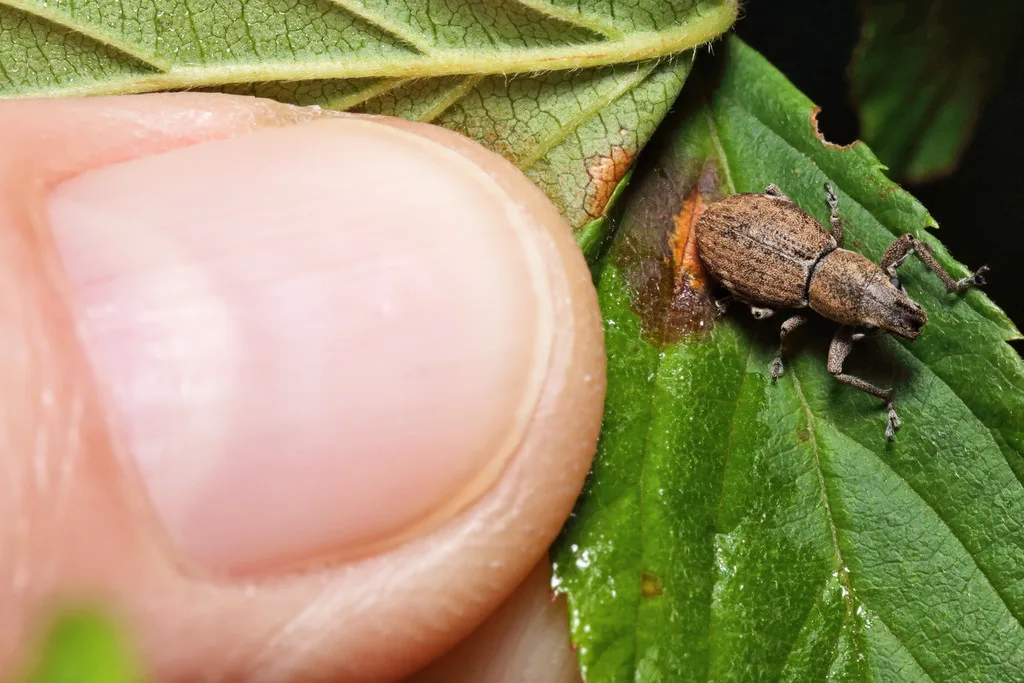
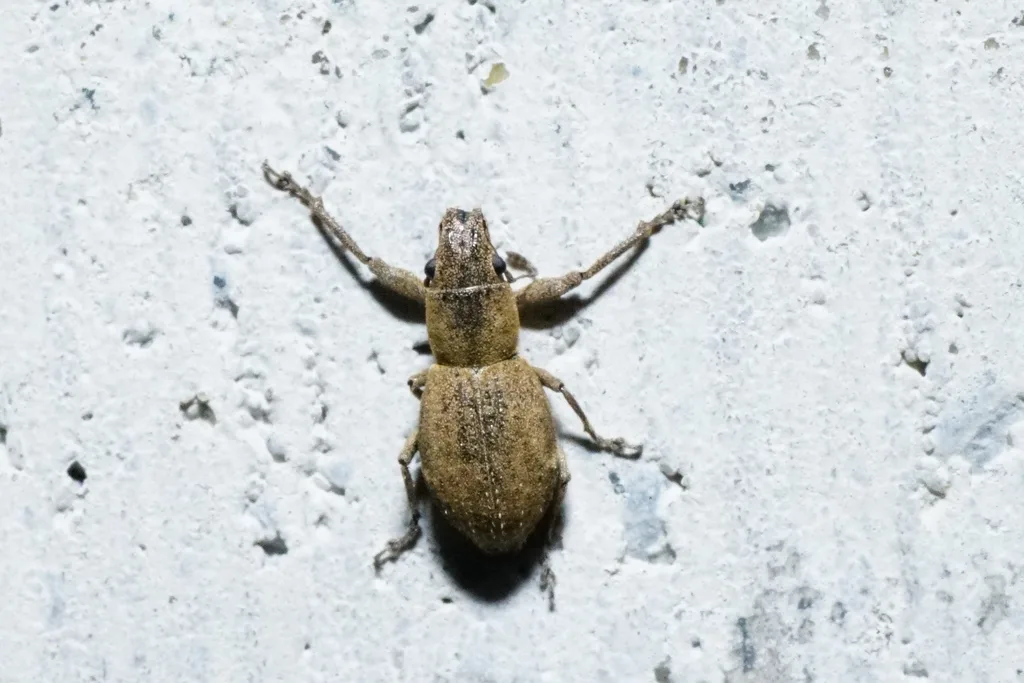
Fuller Rose Beetle Coloration
Common color patterns to help identify fuller rose beetle
Fuller Rose Beetle
Seasonal Activity
When fuller rose beetle are most active throughout the year

Where Fuller Rose Beetle Are Found
Hover over states to see their names. Green regions indicate where fuller rose beetle have been reported.
Fuller Rose Beetle Identification Guide
The Fuller rose beetle is a small weevil from South America that cannot fly. It reached California by 1879 and Florida by 1916. Today it lives in much of the South and East, including Virginia, Maryland, and D.C. Despite the name, it eats far more than roses. Most people see the damage first. Leaves on roses, azaleas, hibiscus, or citrus have ragged, chewed edges.
Physical Characteristics
- Size: 6.5 to 9 millimeters long, or about 1/4 to 3/8 inch
- Color: Gray-brown to tan, covered in tiny scales that can give it a dusty look
- Markings: A thin, pale stripe runs at an angle along each side of the wing covers. It can be faint on worn adults.
- Snout: Short and broad, not long and thin like a grain weevil
- Eyes: Round and bulging, set on the sides of the head
- Antennae: Elbowed, with a small club at the tip
- Wings: The wing covers are fused shut, so the adult cannot fly
The larva looks nothing like the adult. It is a legless, cream-colored grub with a brown head. It lives in the soil and grows to about 1/2 inch.
How It Differs From Look-Alikes
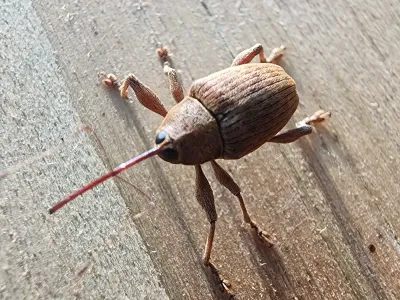
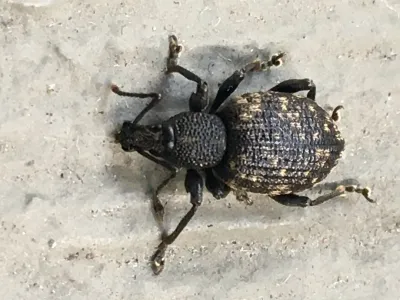
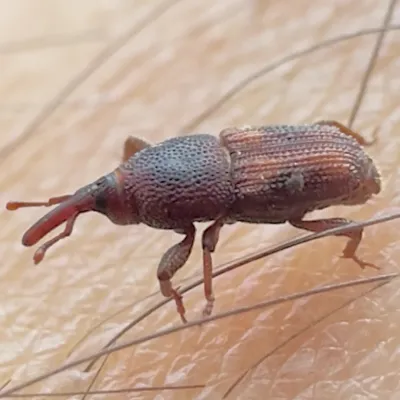
- Black vine weevils: Also flightless leaf-notchers, but larger, close to 1/2 inch, and black with gold flecks instead of gray-brown with a pale side stripe.
- Pantry weevils: Grain and rice weevils are tiny, about 1/8 inch, have a long thin snout, and live in stored food. Fuller rose beetles never infest food.
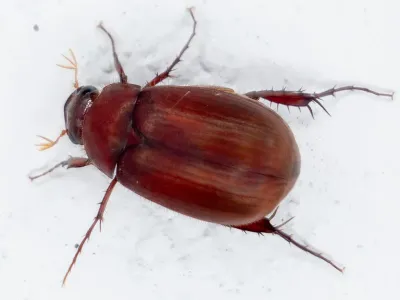
- Asiatic garden beetles: Also chew leaves at night, but they are round, cinnamon-brown, have no snout, and fly to porch lights.
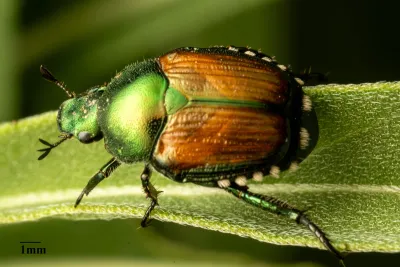
- Japanese beetles: Also feed on roses, but they are shiny metallic green and copper, fly well, and feed in groups during the day.
- White grubs: The C-shaped larvae of June and Japanese beetles have three pairs of legs. Fuller rose beetle grubs have none.
Common Species
- Fuller rose beetle (Naupactus cervinus): Also listed in older sources as Pantomorus cervinus, Asynonychus godmani, or Naupactus godmani. In North America, nearly all adults are female.
- Whitefringed weevils (Naupactus leucoloma and relatives): Close cousins with a bolder white band on the sides. They eat peanuts, cotton, and garden crops in the South.
- Vegetable weevil (Listroderes difficilis): A gray-brown weevil with a pale V mark near the rear of its back. It eats garden vegetables.
Fuller Rose Beetle Behavior and Biology
Habitat
Fuller rose beetles live in gardens, flower beds, orchards, and greenhouses. By day, adults hide in leaf litter, mulch, and soil under plants. At night they climb up to eat. They can’t fly, so they use trunks, stems, low branches, and weeds as bridges into the plant.
Diet
This weevil eats many kinds of plants. NC State Extension lists these and more:
- Roses, azaleas, gardenias, hibiscus, and hydrangeas
- Citrus, avocado, apple, peach, pear, and plum
- Strawberries, blackberries, and raspberries
- Oak and photinia
Adults chew from the leaf edge inward. This leaves notches with a ragged, saw-toothed look. They also eat buds and flowers. The grubs eat roots underground. On healthy, older plants, the damage is mostly about looks. Young plants and new trees can suffer more.
Life Cycle
There is usually one generation per year.
- Eggs: Females lay clumps of about 10 to 60 yellowish eggs in hidden spots. Bark cracks and the cap of citrus fruit are common. They do not need to mate first.
- Larvae: Young grubs drop to the soil and eat roots for 6 to 10 months or longer. Most spend the winter underground.
- Pupae: Grubs pupate in the soil. Adults appear about 1.5 to 2 months later.
- Adults: NC State reports that adults emerge from July through November in the Southeast. In California, emergence peaks from July to October.
Why Citrus Growers Watch It Closely
For homeowners, this weevil is a garden nuisance. For citrus growers, it is a trade issue. Eggs tucked under the cap of the fruit can travel with shipped fruit. Some countries have required checks or treatment of citrus for this pest. That is why the University of California runs a sampling program for growers who ship fruit overseas.
Treatment Methods for Fuller Rose Beetles
Fuller rose beetles do not harm homes, bite, or get into food. They are a plant pest, so the best control focuses on the plants. Experts at the University of California suggest these steps for home gardens.
- Confirm the pest: Leaf notches alone do not tell you which bug is eating. Check plants with a flashlight an hour or two after dark. You can also shake a branch over a white sheet to find the adults.
- Live with light damage: Healthy shrubs and trees can handle normal feeding. Water and care for them so they stay strong.
- Cut off climbing routes: Prune branches that touch the ground, walls, or nearby plants. Pull weeds under host plants. Without a bridge, the flightless adults cannot reach the leaves.
- Use sticky trunk bands: On trees and large shrubs with one trunk, wrap the trunk with tape or paper first. Then spread a sticky barrier over the wrap, never right on the bark. Check and replace it as needed.
- Hand-pick adults: At night, knock beetles into a container of soapy water.
- Skip routine sprays: University of California experts do not suggest bug sprays for this pest in home gardens.
- Check new plants: Look in the roots of new plants for legless grubs before planting. Moved soil is how this weevil spreads.
An adult that wanders onto a wall, deck, or windowsill cannot breed indoors. Just sweep it back outside. Not sure which beetle you found? Our pest library can help you compare look-alikes.
References
- Fuller Rose Beetle, Home and Landscape, UC Statewide IPM Program
- Fuller Rose Beetle, Citrus Pest Management Guidelines, UC Statewide IPM Program
- Pests of Rose, NC State Extension
- Fuller Rose Beetle (IN678), University of Florida IFAS Extension
- Few Multilocus Genotypes of the Parthenogenetic Weevil Naupactus cervinus Prevail in the Continental United States, Insects (2023)
- 2026 Fuller Rose Beetle Voluntary Sampling Program, UC ANR Citrus IPM News
Other Other Pests
Explore other species in the other pests family
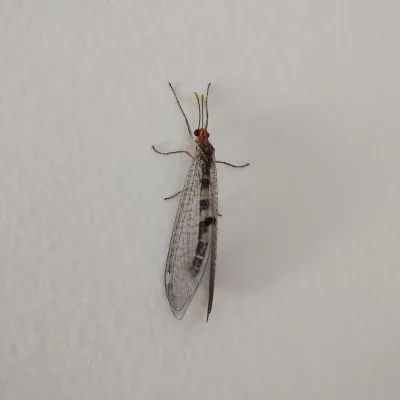
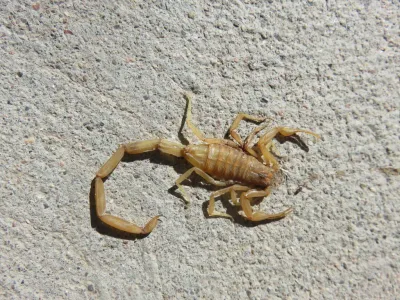
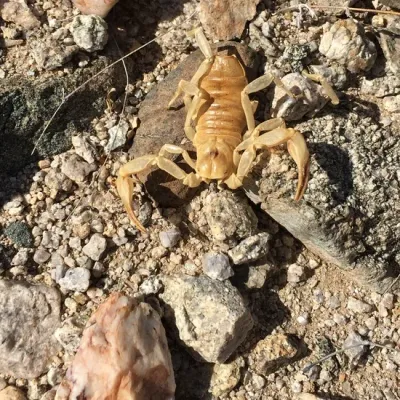
Commonly Confused With
Fuller Rose Beetle are often mistaken for these similar pests
Where Fuller Rose Beetle Are Found
Hover over states to see their names. Green regions indicate where fuller rose beetle have been reported.
Common Questions about Fuller Rose Beetle
What does a Fuller rose beetle look like?
+
It is a small weevil, about 1/4 to 3/8 inch long. The body is gray-brown to tan and covered in tiny scales. Look for a short, broad snout, bulging eyes, elbowed antennae, and a thin pale stripe running at an angle along each side of the wing covers.
Is the Fuller rose beetle a beetle or a weevil?
+
Both. All weevils are beetles. The Fuller rose beetle belongs to the weevil family, Curculionidae, so many sources call it the Fuller rose weevil. It is the same insect.
Can Fuller rose beetles fly?
+
No. Their wing covers are fused shut. Adults reach leaves by crawling up trunks, stems, and any branches or weeds that touch the ground. That is why trunk barriers and pruning low branches work so well against them.
Do Fuller rose beetles bite or harm people?
+
No. They do not bite, sting, or spread disease. They do not eat wood, fabric, or stored food. They are a plant pest only, and one that strays onto a wall or porch is a harmless visitor.
Why are the leaves on my roses chewed along the edges?
+
Ragged, saw-toothed notches along leaf edges are the classic sign of Fuller rose beetle feeding. Other weevils and beetles cause similar damage, so check plants with a flashlight an hour or two after dark. That is when the adults climb up to feed.
Do I need to spray for Fuller rose beetles?
+
Usually not. University of California experts say healthy shrubs and trees can handle the feeding, and they do not recommend insecticides for this pest in home gardens. Pruning low branches, sticky trunk bands, and picking adults off at night are the main tools.
Why do Fuller rose beetles matter to citrus growers?
+
Females lay egg masses under the small cap, or button, on citrus fruit. Some countries will not accept fruit carrying these eggs. That makes the insect a bigger problem for growers who export citrus than for homeowners.

With five years of hands-on experience in the pest control industry, George Schulz is a registered technician with the Virginia Pest Management Association and a proud third-generation professional in a family business that's been protecting homes for over 58 years. He manages and trains a team of service pros while also leading internal research efforts—recently spearheading a deep-dive review of thousands of documents on pest control materials to hand-pick the most kid and pet friendly, most effective solutions tailored specifically for homes in the DC metro area.
Local Other Pests Help
Dealing with other pests at home? Our licensed technicians provide pest control across Northern Virginia and Maryland.
