Oriental Roaches Identification Guide
Blatta orientalis
Oriental cockroaches, also known as water bugs or black cockroaches, are large, dark, glossy roaches that prefer cool, damp environments like basements, sewers, and crawl spaces.
Taxonomy
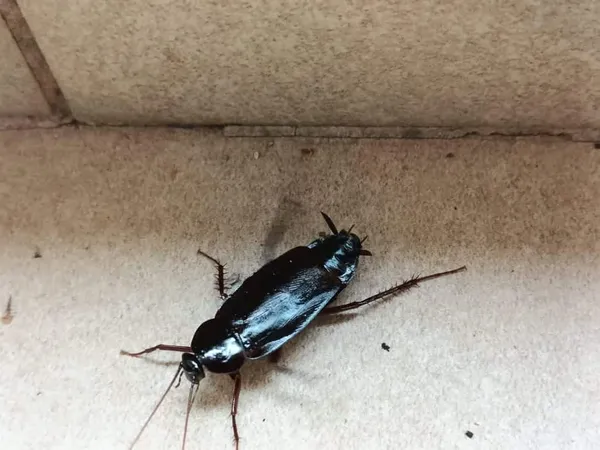
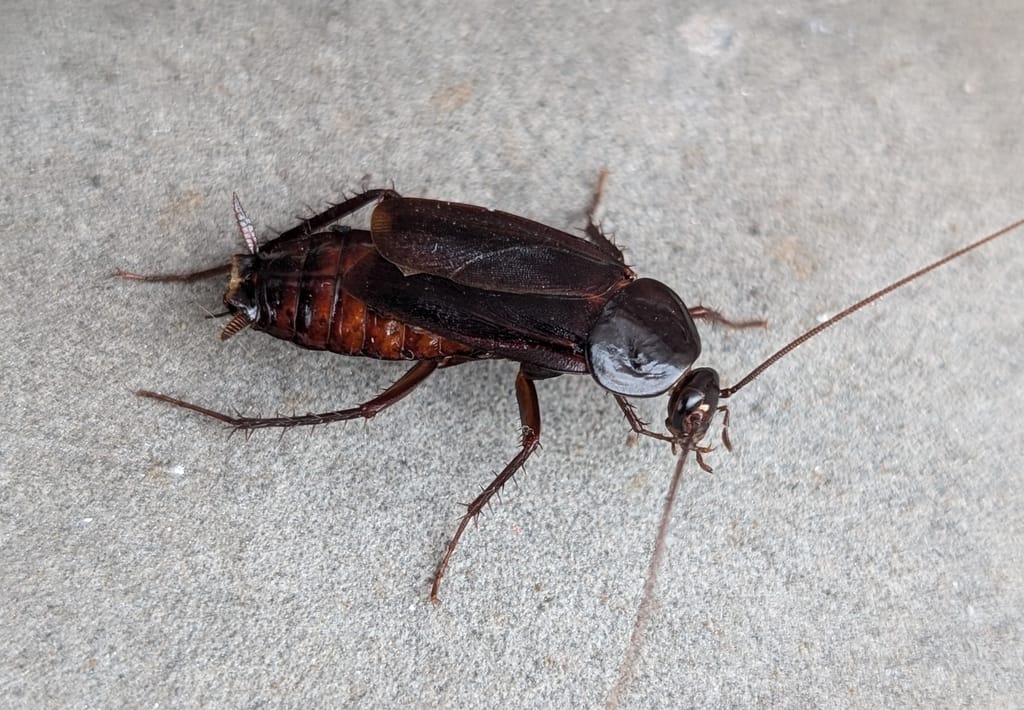
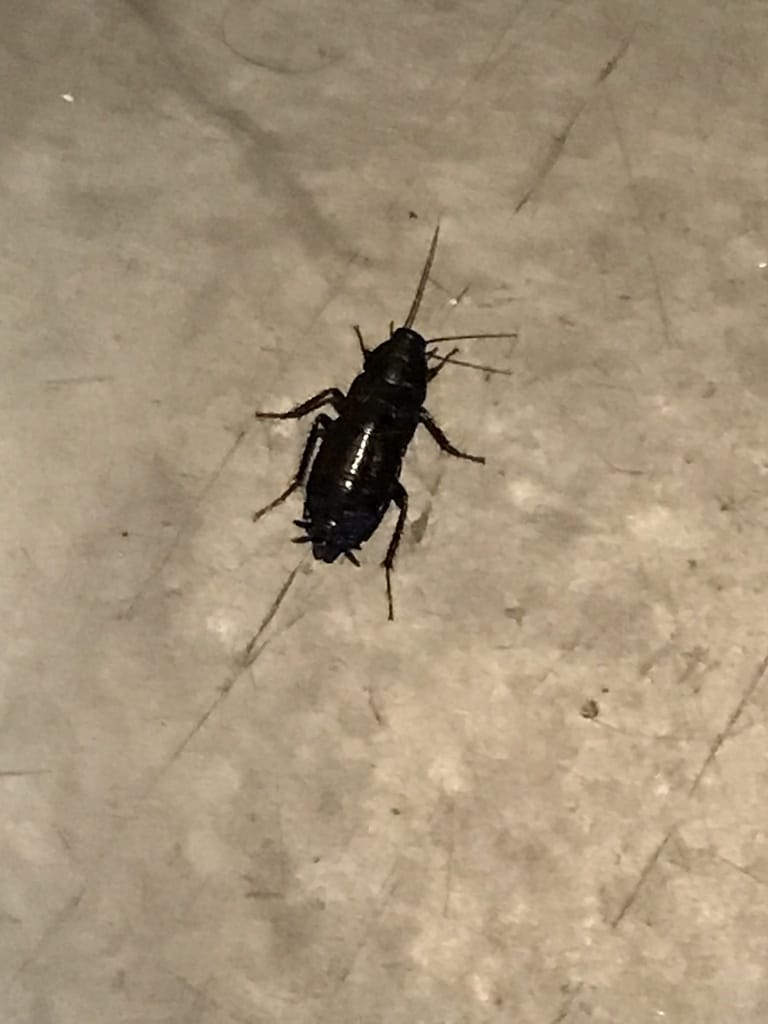
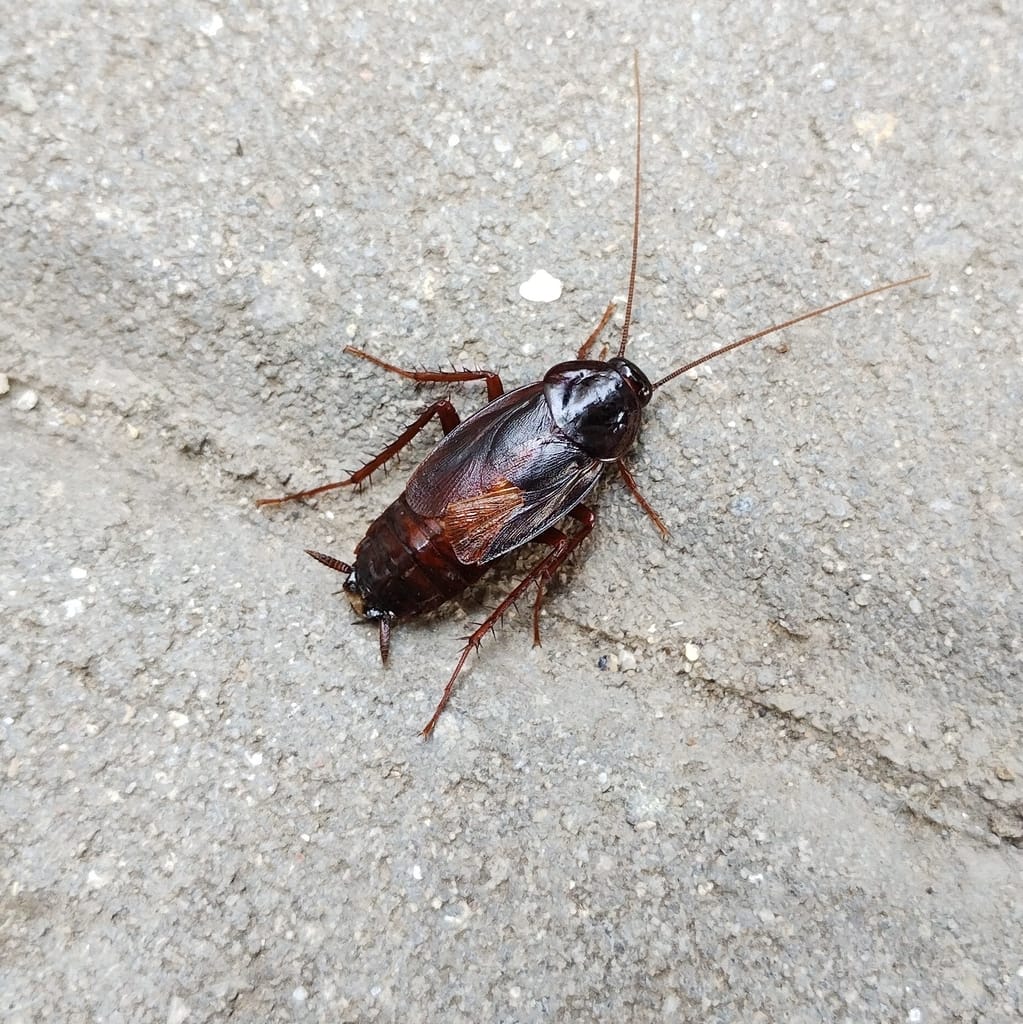
Oriental Roaches Coloration
Common color patterns to help identify oriental roaches
Oriental Roaches
Seasonal Activity
When oriental roaches are most active throughout the year

Where Oriental Roaches Are Found
Hover over states to see their names. Green regions indicate where oriental roaches have been reported.
Oriental Roaches Identification Guide
Physical Characteristics
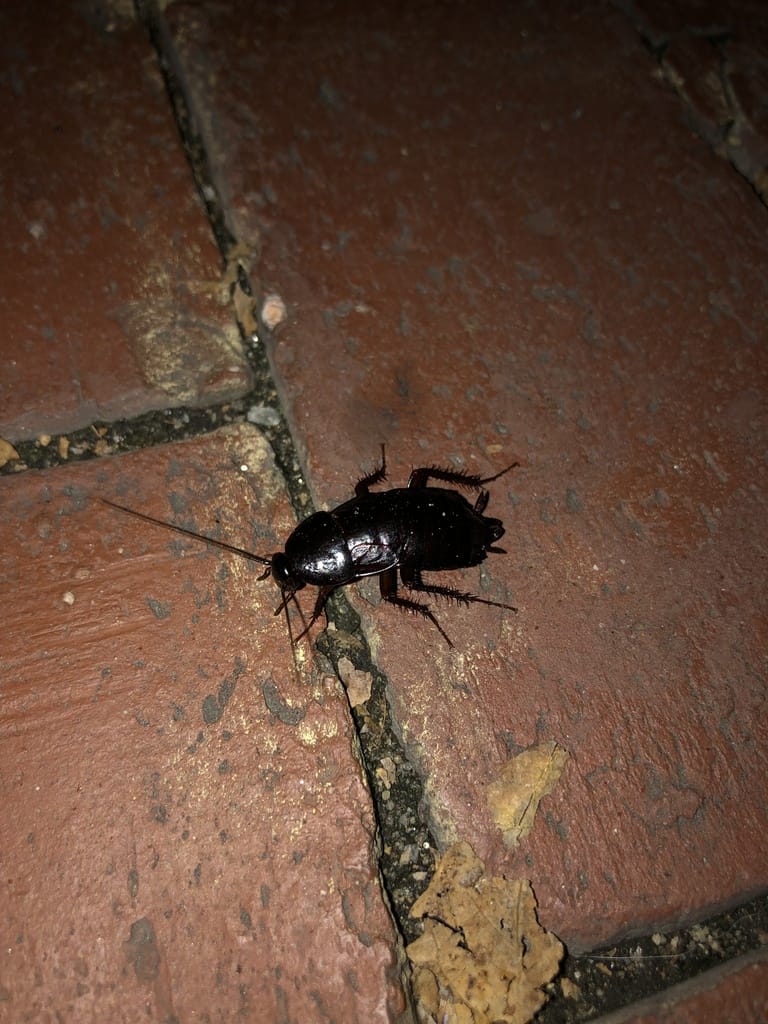
Oriental roaches, commonly known as “water bugs,” are large, dark brown to almost black in color, and grow to about 1 to 1.25 inches in length. Unlike other roaches, they have a shiny, almost oily appearance. Males have short wings that cover about three-quarters of their body, while females have even shorter, undeveloped wings. Neither can fly. They are slower-moving roaches compared to other species and are often found in damp, humid environments.
Common Species
Blatta orientalis (Oriental Roach) - The most common species found in basements, crawl spaces, and areas with high moisture. A related species, Brown-Banded Roaches, shares similar characteristics.
Oriental Roaches Behavior and Biology A related species, Palmetto Bugs, shares similar characteristics.
Oriental roaches thrive in damp, dark areas such as basements, sewers, and crawl spaces. They prefer cooler environments and are more active in the spring and summer months. Their diet consists of decaying organic matter, garbage, and food scraps. Unlike German roaches, they are not as dependent on indoor environments and can often be found outside under leaves, mulch, and in sewer systems. A related species, American Roaches, shares similar characteristics.
How We Treat for Oriental Roaches A related species, Lobster Cockroaches, shares similar characteristics.
When treating for Oriental roaches, our technicians focus on the following steps: A related species, Cockroaches, shares similar characteristics.
-
Inspection: A detailed inspection of basements, crawl spaces, and other damp areas to identify signs of activity such as droppings or live roaches. A related species, Asian Cockroaches, shares similar characteristics.
-
Treatment: Application of repellent and non-repellent insecticides inside and outside the home, targeting cracks, crevices, baseboards, and entry points. A related species, Australian Cockroaches, shares similar characteristics.
-
Moisture Control: We advise homeowners on reducing humidity by using dehumidifiers, fixing leaks, and sealing gaps around pipes and drains. A related species, Spotted Mediterranean Cockroach, shares similar characteristics.
-
Preventative Maintenance: Regular treatments to prevent future infestations, as Oriental roaches thrive in high-moisture environments.
References
Other Cockroaches
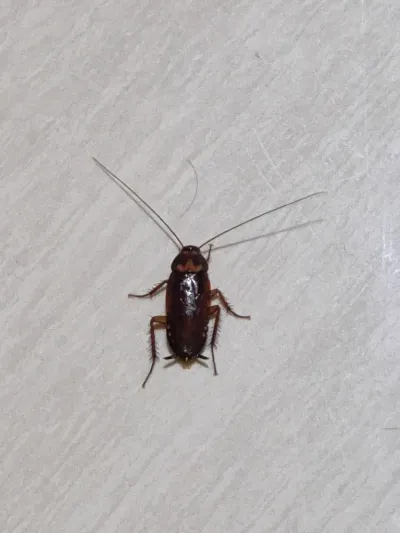
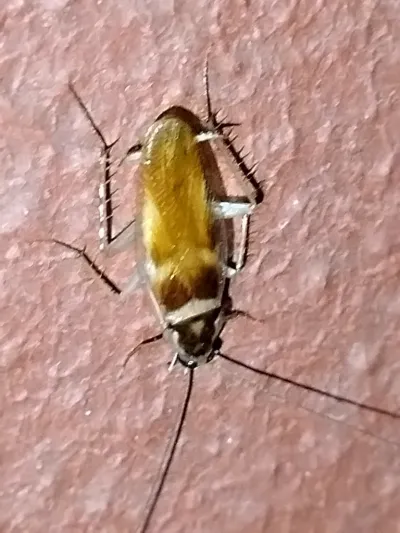
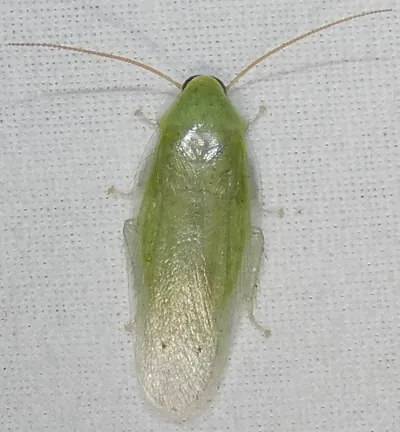
Explore other species in the cockroaches family
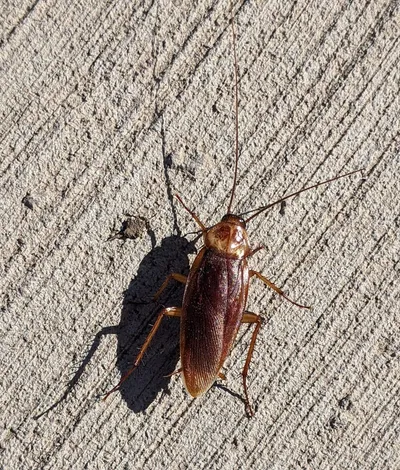
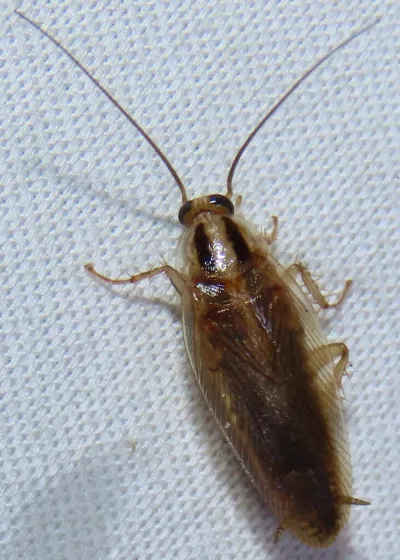
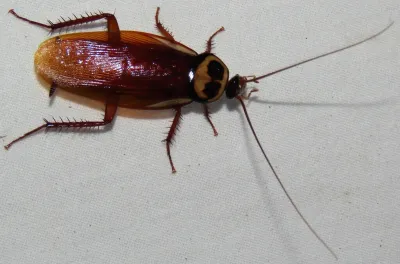
Commonly Confused With
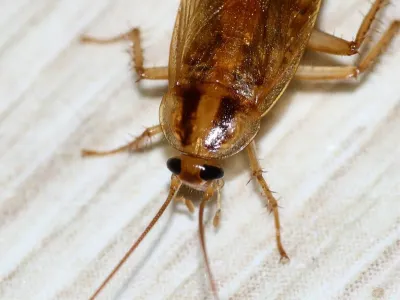
Oriental Roaches are often mistaken for these similar pests
Where Oriental Roaches Are Found
Hover over states to see their names. Green regions indicate where oriental roaches have been reported.
Common Questions about Oriental Roaches
Where do Oriental roaches come from?
+
They typically live in damp outdoor environments such as leaf piles, mulch, and sewer systems. They enter homes in search of moisture and food.
Why are they called water bugs?
+
Because they are often found in damp, wet areas like basements, sewers, and crawl spaces.
Can Oriental roaches fly?
+
No, they have wings but cannot fly. They rely on crawling to move around.
How do you get rid of Oriental roaches?
+
We perform a full inspection, treat entry points with insecticides, and provide moisture control recommendations. Regular maintenance is key to keeping them away.
Do Oriental roaches carry diseases?
+
Yes, they can spread bacteria and pathogens by crawling over food surfaces and through unsanitary areas. If you have health concerns, please consult a medical professional.
How long does it take to eliminate an Oriental roach infestation?
+
Results depend on the severity of the infestation, but with proper treatment and moisture control, improvements can be seen within a few weeks. Regular maintenance prevents reinfestation.
What should I do if I see one?
+
If you spot an Oriental roach, there may be more hidden nearby. Contact us for a professional inspection and treatment plan.
More Resources About Oriental Roaches
Explore our guides and articles for more information about oriental roaches.
- ›What Do Cockroaches Smell Like? How to Identify an Infestation by Odor
- ›What Attracts Cockroaches to Your Home (And How to Stop Them)
- ›German Cockroach Eggs: What They Look Like & How to Get Rid of Them
- ›Can German Cockroaches Fly? The Truth About Their Wings
- ›Dead Cockroach in Your House: What It Really Means
- ›Wood Cockroach: Identification, Behavior, and What to Do If You Find One
- ›How to Get Rid of Brown Banded Cockroaches: Complete Guide
- ›How to Get Rid of Oriental Cockroaches
- ›Baby Roaches Look Like This: Spot Cockroach Nymphs Early
- ›Water Bug vs Cockroach: How to Tell These Insects Apart
- ›Wood Roaches vs German Roaches: What Homeowners Should Know
- ›Water Bugs 101: What They Are and How to Eliminate Them
- ›Big Roaches in Virginia: Identifying Cockroach Species & Control
- ›Baby Roaches in Your Home: Identification and Solutions
- ›How to Get Rid of Roaches Fast: A Licensed Technician's Guide
- ›Roach Poop: How to Identify Cockroach Droppings & What They Mean
- ›Asian Cockroach vs German Cockroach: How to Tell the Difference
- ›German Roaches vs American Roaches: Complete Comparison Guide
- ›German Cockroach Bait: A Complete Guide to Eliminating Infestations
- ›How Fast Do Roaches Multiply: From 1 to 1,000+ in Weeks
- ›Kitchen Insects Similar to Cockroaches: Spot & Eliminate Them
- ›How Long Can Roaches Live Without Food? The Surprising Truth
- ›Wood Roach vs Cockroach: What You Need to Know
- ›Baby German Cockroach: What They Look Like & How to Remove
- ›Flying Cockroach: Effective Treatments to Eliminate Them
- ›How to Get Rid of German Roaches: A Complete Guide
- ›Why You Might See an Albino Roach: Causes and Solutions
- ›What Do Cockroaches Smell Like: Identifying Infestations
- ›Cockroach vs Beetle: Identifying Which Pest Is in Your Home
- ›How To Get Rid Of Palmetto Bugs: Identification & Treatment
- ›Palmetto Bug vs Cockroach: Same Pest, Different Name
- ›Click Beetle vs Cockroach: Key Differences Explained
- ›Little Black Beetles in House? Identify & Treat Them Today
- ›Small Roaches Explained: Dubia & Other Nymph Identification
- ›Spot the Red and Black Beetle: Boxelder Bug Identification Guide

With five years of hands-on experience in the pest control industry, George Schulz is a registered technician with the Virginia Pest Management Association and a proud third-generation professional in a family business that's been protecting homes for over 57 years. He manages and trains a team of service pros while also leading internal research efforts—recently spearheading a deep-dive review of thousands of documents on pest control materials to hand-pick the most kid and pet friendly, most effective solutions tailored specifically for homes in the DC metro area.