
Boxelder bugs swarm homes every fall, looking like red-and-black beetles but actually true bugs. After four years in pest control, I’ve handled many of these invasions across the DMV area.
The red and black beetle phenomenon: boxelder bug overview
Boxelder bugs are primarily a nuisance pest that cluster on sunny walls. They don’t damage structures or bite, but large numbers can alarm homeowners.
- Common host: boxelder tree and other seed-bearing maples
- Size: roughly 0.5 inches long
- Season: fall invasions for overwintering
- Behavior: cluster on south-facing siding
Anatomy and bug identification features of boxelder bug
Key color and markings of an adult boxelder bugs
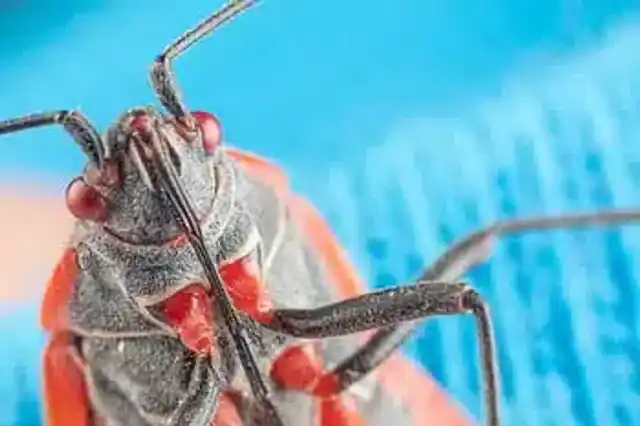
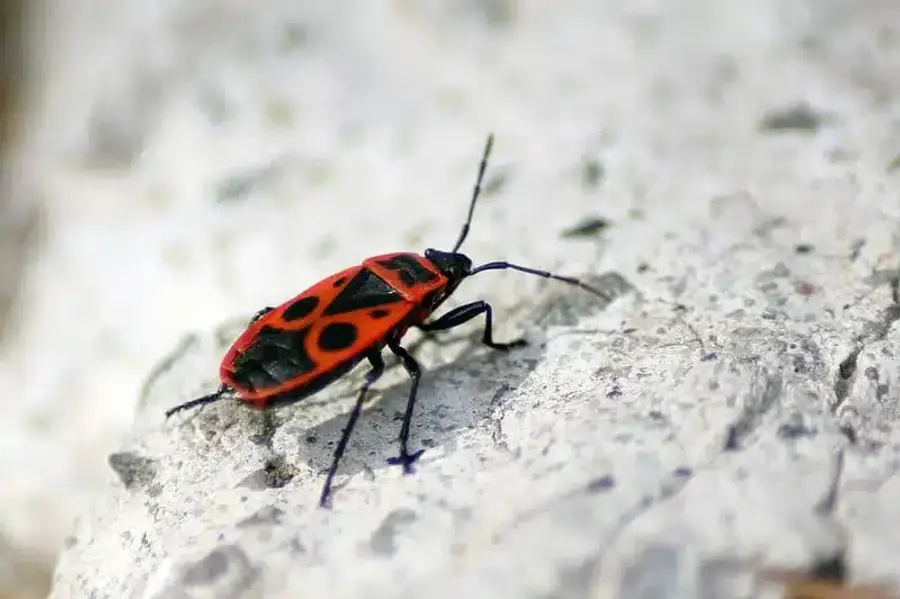
Adults measure about 0.5 inches (12 mm) long. They have black wings edged with thin red stripes, three red lines on the pronotum, and red eyes.
Piercing-sucking mouthpart and body shape for bug identification
Unlike beetles, boxelder bugs are true bugs with flat, elongated bodies. Their piercing-sucking mouthparts draw sap instead of chewing leaves.
Distinguishing boxelder bug from similar pests
Comparing boxelder bugs with maple and ash pests like milkweed and stink bugs
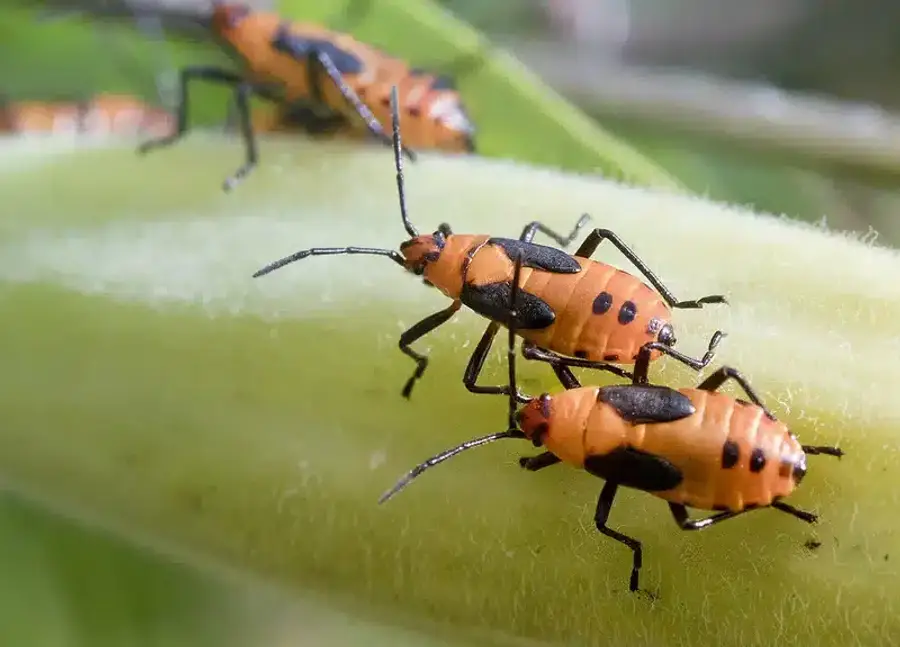
Boxelder bugs are mostly black with thin red lines. In contrast, large milkweed bugs have broad orange patches, and Stink Bugs are shield-shaped.
Boxelder bug vs other beetle-like insects: bug identification tips
Carpet beetles have hard elytra and rounded bodies, not flat shapes. For more on beetles, see Signs of Carpet Beetles: How to Spot an Infestation.
Understanding the life cycle of the boxelder bug pest
Boxelder bugs follow an incomplete life cycle: egg, nymph, adult.
Egg stage on boxelder tree and host trees
On female boxelder trees, females lay straw-colored eggs in bark crevices, on leaves, or on seeds on the ground (UNH Extension). Eggs on the leaves turn reddish before hatching.
Nymph Stage
Freshly hatched nymphs are bright red and go through five instars. As they mature, they grow black wing pads and feed on boxelder seeds (WVU Extension).
Adult boxelder bugs emerge and reproduction cycle
After overwintering, adult boxelder bugs emerge in the spring and may mate for a second generation. Two generations per year are common in our region (Penn State).
Seasonal patterns and overwintering behavior of boxelder bugs
Fall congregation on south side of buildings and sunny days
In fall, boxelder bugs congregate on the south side of walls, eaves, and siding. On sunny days, they gather around windows and doors, seeking warmth. As winter nears, bugs become a nuisance on home exteriors.
Indoor dormancy: wall voids, attic vents, and entry points
Once inside, they hide in wall voids and attic vents, slipping through small entry points. Indoors they remain dormant until temperatures rise.
What brings boxelder bugs indoors: common pest invasion causes
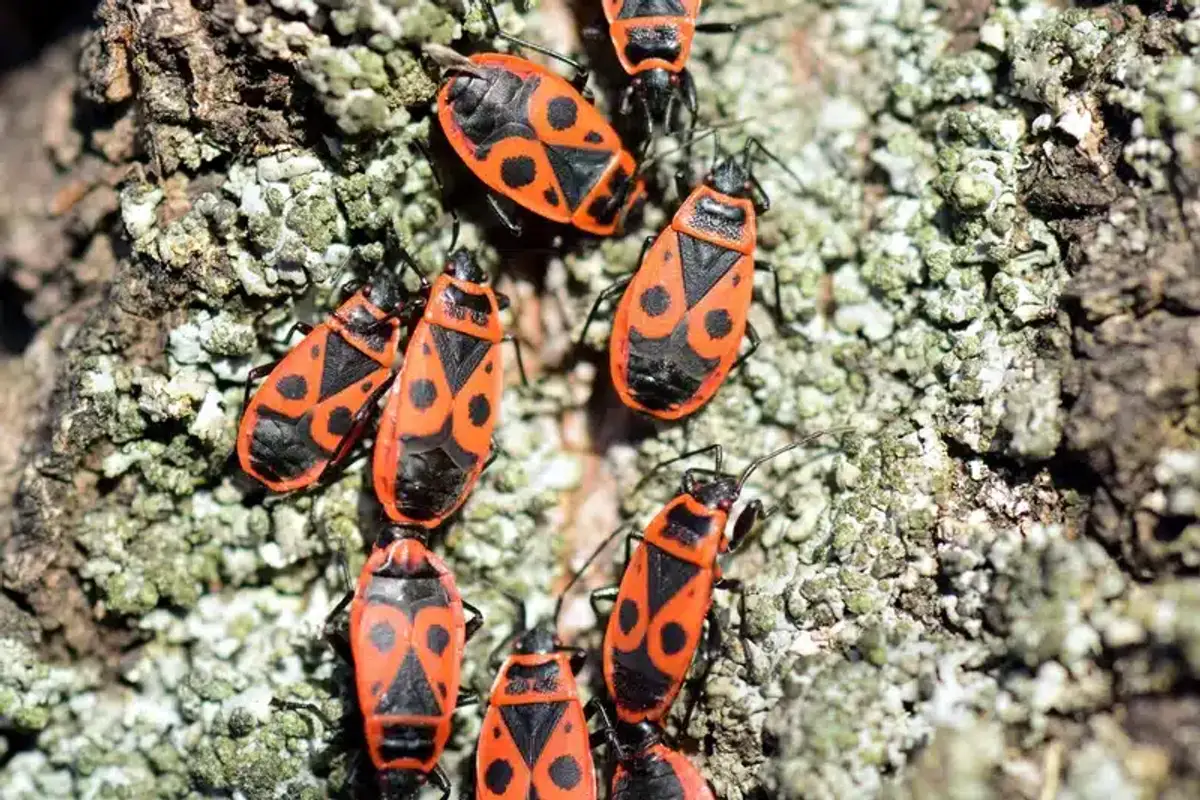
Shorter days and cooler nights trigger this fall pest to seek shelter. Homes near boxelder or maple trees are most at risk, as bugs enter structures through tiny gaps when attracted to heat.
Common entry points: remove boxelder bugs and sealing your home
Cracks and crevices in walls, siding gaps, and wall voids
Insects slip through cracks and crevices in walls, loose siding, and under eaves. Seal these spots to stop an invasion.
Window and door seals, soffits, and attic vent protection
Apply weather stripping to window and door frames and cover soffits and vents with fine mesh to block possible entry points.
Risks, nuisance, and are boxelder bugs harmful?
Potential for staining, odor release, and nuisance pest impact
Boxelder bugs may stain fabrics or walls if crushed, and dead bugs can leave small marks. They can also emit a foul odor when disturbed.
Health concerns: bugs bite myths, bites vs piercing-sucking mouthparts
Despite their name, bugs bite myths are false. Their mouthpart can’t pierce human skin or spread disease.
Preventative measures to remove boxelder bugs
Seal entry points and vents: measure to prevent boxelder bugs
Apply caulk and weather stripping around foundations, vents, and gaps. Check seals each fall before cold weather hits.
Landscaping tips: removing boxelder trees and boxelder seeds
Removing boxelder trees near foundations cuts local populations. Rake up boxelder seeds and fallen pods to reduce summer breeding sites.
DIY strategies for homeowners: boxelder bug identification and removal
Vacuuming dead bugs, cleaning stains, and disposal
Use a vacuum with a soft brush attachment to collect bugs. Empty the bag outdoors, then wipe surfaces to remove any stains.
Insecticide and repellent treatment: when to use insecticide
For heavy infestation, a professional pest control service can spot-treat voids with EPA approved insecticide and apply perimeter barriers. Our team handles pest control in Darnestown and communities throughout Montgomery County and Northern Virginia.
Professional pest control for boxelder bugs
Better Termite & Pest Control’s dusting and perimeter treatments
Our technicians dust exterior voids behind siding and around windows to disrupt hibernation sites. We then apply a perimeter barrier for lasting protection.
Unlimited callbacks, family business promise, and no binding contracts
We offer unlimited callbacks to retreat until you reach a good baseline. No binding contracts mean you can cancel anytime with 30 days notice under The Better Promise.
Better Termite & Pest Control’s unique approach
As a third-generation firm with over 50 years serving the DMV, our internal research team removed nine harsh chemicals from our lineup. We now use products like Essentria and Borate-based solutions, all EPA approved and ones we’d feel comfortable using in our own homes.
Comparing boxelder bugs vs stink bugs and carpet beetles
Boxelder bugs are true bugs with overlapping wing membranes, while stink bugs have a broad shield shape. Carpet beetles are genuine beetles with hard elytra, unlike the flat body of a boxelder bug.
If you need help with boxelder bugs, call us at 703-683-2000 or email info@bettertermite.com.