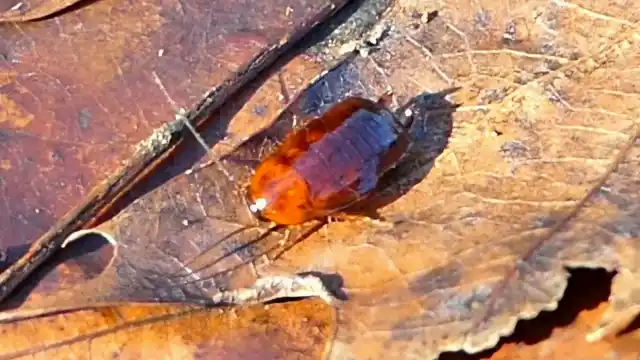

If you’ve spotted a brown roach in your home during late spring, there’s a good chance it’s a wood cockroach. The good news: wood cockroaches are harmless outdoor insects that got lost. They can’t live indoors and will die on their own in a day or two.
This guide is the full profile: which wood cockroach species live in our area, how to identify them, their seasonal cycle, and how to get rid of them. Every May and June, our phones ring with worried homeowners who’ve found these visitors. If you only need to know whether your roach is a wood roach or an infesting species, our wood roach vs cockroach comparison is the quicker read.
What Is a Wood Cockroach?
A wood cockroach is a native North American insect in the genus Parcoblatta. There are twelve species across North America. The Pennsylvania wood cockroach and Virginia wood cockroach are the most common in our area.
Unlike German roaches or American roaches that live indoors, wood cockroaches are outdoor insects. They spend their lives in forests, woodpiles, and leaf litter. They help break down dead plant matter. Think of them as part of nature’s cleanup crew.
Wood cockroaches show up inside because they get lost. Males fly toward lights during mating season, or they ride in on firewood. Once inside, they’re in trouble because homes are too dry for them.
How to Identify a Wood Cockroach
Telling a wood cockroach apart from other roaches comes down to a few key traits.
What They Look Like
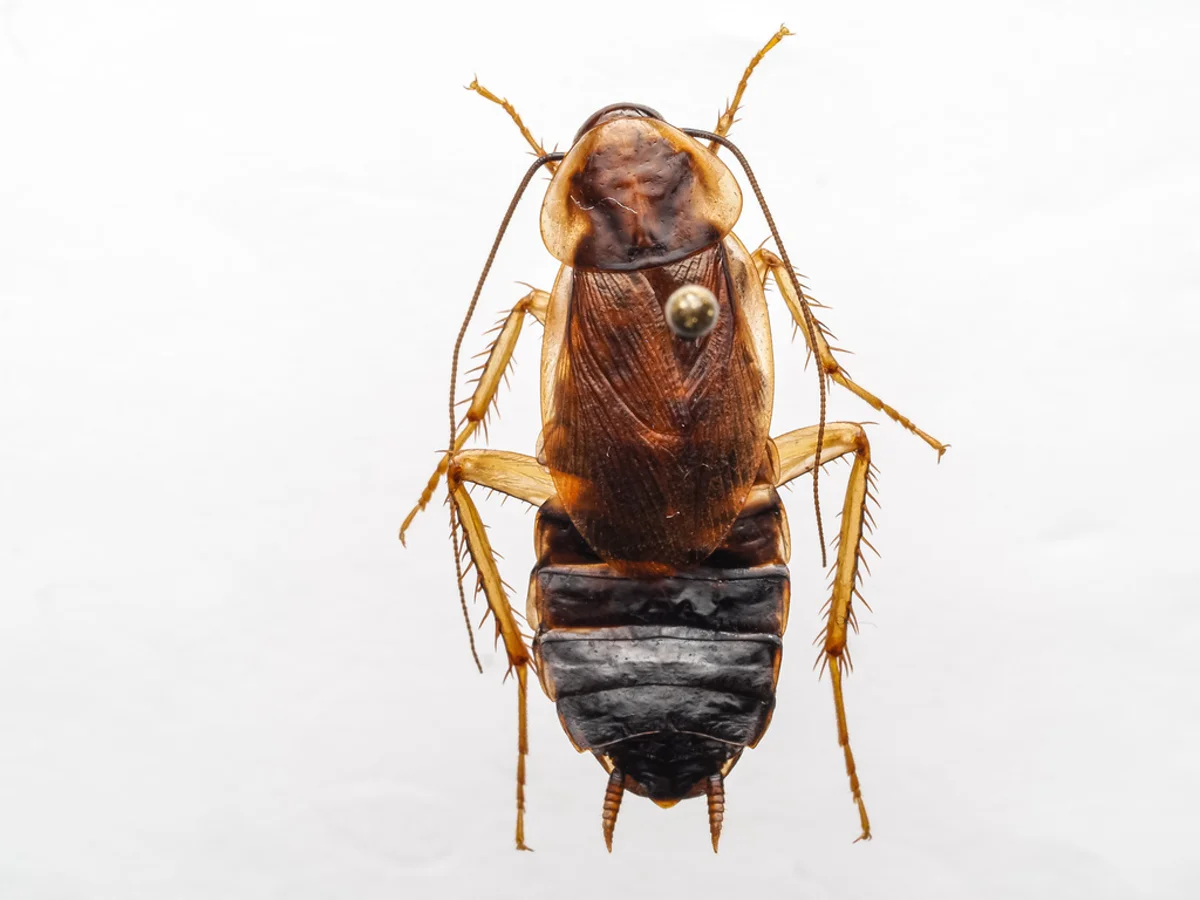
Size: About 3/4 to 1 inch long. Males are a bit bigger and more slender.
Color: Brown to tan across the body.
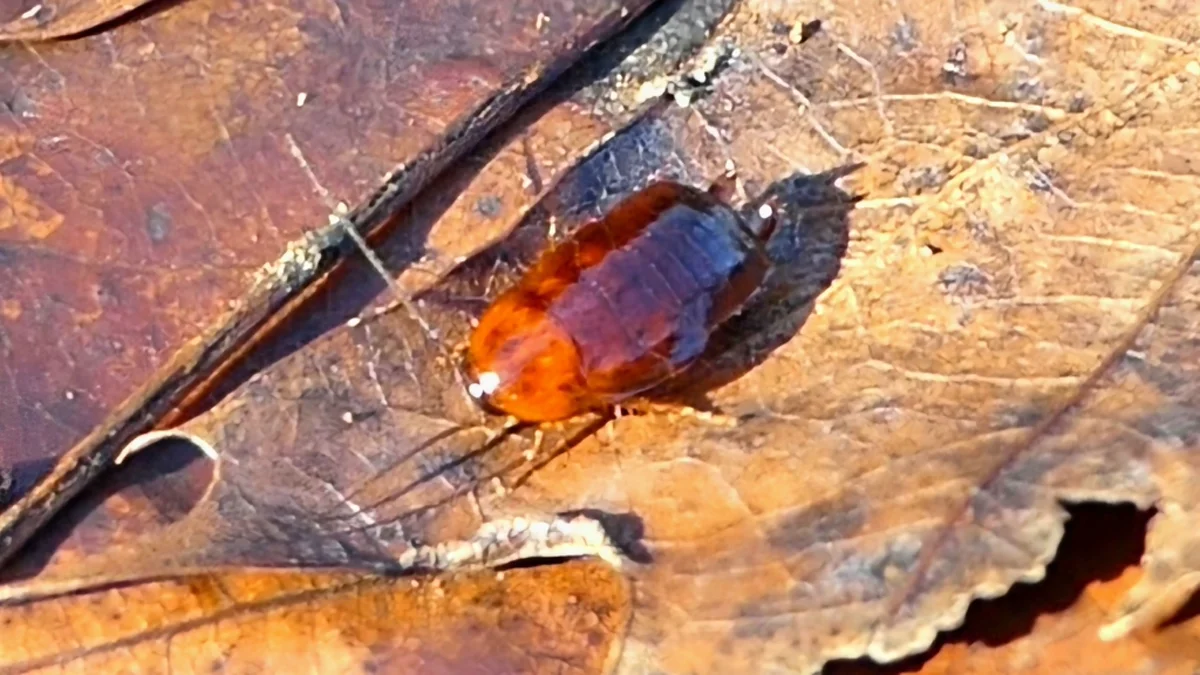
Wings: This is the big clue. Male wood cockroaches have full wings with pale or cream edges along the sides. These light wing borders are the easiest way to spot a wood cockroach. Females have short, stubby wings that don’t cover their body.
No stripes: Unlike German cockroaches that have two dark stripes on their backs, wood cockroaches have solid coloring.
Look for the pale edges along the wings. If you see a roach with cream-colored borders on its wing covers, you’re almost certainly looking at a harmless wood cockroach.

Not sure what type of roach you found? Upload a photo and our AI tool can help.
How They Act
Wood cockroaches act very different from indoor roach species:
- Slow and calm: They don’t run away when you get close. Indoor conditions have already worn them down by the time you spot them.
- Active in daylight: Indoor cockroaches hide during the day, but wood cockroaches wander around at any hour.
- Drawn to light: Male wood cockroaches fly toward lights at night, the opposite of German roaches that avoid light.
- No hiding: You won’t find them darting into cracks. They don’t have that instinct because they evolved for open outdoor spaces.
Wood Cockroach Life Cycle and Seasonal Activity
Knowing when and why wood cockroaches are active helps explain those seasonal sightings.
The Mating Season Surge
Wood cockroaches are most active during mating season from late May through June. Males take evening flights and are drawn to lights. This is when most of them end up in homes.
Penn State Extension says males can fly long distances toward light sources. Bright porch lights or security lighting during mating season is like rolling out the welcome mat.
Wood cockroaches need high outdoor moisture to live and can’t finish their life cycle indoors. Most die within 48 to 72 hours inside heated buildings due to drying out. This makes sprays both unneeded and pointless for this species.
Life Cycle Timeline
The wood cockroach life cycle spans 12 to 24 months, much longer than indoor species.
Females lay egg cases under bark or in leaf litter outdoors.
Eggs hatch and baby roaches start growing.
Young roaches spend winter under tree bark and debris. They stay active even in cold weather.
Young roaches grow into adults and begin mating flights.
Peak mating season. This is when you’re most likely to see them inside your home.
This pattern helps with ID. If you only see roaches during late spring and early summer, you’re almost surely dealing with wood cockroaches. An indoor problem would show up year-round.
Where Wood Cockroaches Live
Wood cockroaches are forest dwellers. You’ll find them in:
- Rotting logs and stumps
- Under loose tree bark
- Leaf litter and forest floor debris
- Woodpiles and stacked firewood
- Clogged gutters full of rotting leaves
- Tree holes and hollow trees
- Mulch beds around foundations
Homes near wooded areas in Alexandria, Bethesda, and Northern Virginia see the most wood cockroach activity. The closer you are to woods, the more likely you are to see them during mating season.
Why Wood Cockroaches Enter Homes
Wood cockroaches don’t want to be inside. They end up there by accident.
Light Draws Them In
This is the biggest factor. During mating flights, males fly straight toward light sources. Porch lights, security lights, and even lit windows draw them in. Once near the house, they squeeze through gaps around doors, windows, or vents.
Firewood Carries Them
Wood cockroaches often hide under bark and in cracks of stacked firewood. When you bring logs inside, you may be carrying passengers. This is common in fall and winter when fireplaces are in use.
Small Openings Let Them In
Wood cockroaches crawl through the same entry points as other pests:
- Gaps under doors
- Torn or missing window screens
- Cracks around pipes going through walls
- Openings around AC units and dryer vents
- Foundation cracks
No matter how they get in, wood cockroaches are always just passing through. They didn’t choose your home on purpose.
I’ve answered many calls from homeowners who found wood cockroaches inside right after bringing in firewood. The fix is simple: store firewood at least 20 feet from your home and check logs before carrying them in. Loose bark on firewood gives these insects a perfect hiding spot.
Are Wood Cockroaches Dangerous?
No. Wood cockroaches pose zero health risks. Here’s why they’re different from indoor species:
- No diseases: They don’t spread germs like salmonella or E. coli. They don’t feed on garbage or sewage like oriental roaches.
- No food risk: They can’t live indoors long enough to get into your food. They eat decaying plant matter, not human food.
- No allergy issues: Indoor roaches produce allergens that trigger asthma. Wood cockroaches don’t stick around long enough to cause this.
- No breeding: A German roach in your kitchen can lead to thousands of offspring. A wood cockroach in your living room leads to one dead roach in a couple days.
How to Get Rid of Wood Cockroaches
Wood cockroaches are easy to deal with. They can’t survive indoors, so you don’t need sprays or pro help.
Removal
- Sweep or vacuum them up and toss them outside (or dispose of them)
- Or just wait. They’ll die on their own within 48 to 72 hours from drying out
That’s it. No sprays, no baits, no pro treatment needed.
How to Keep Them Out
The better plan is to stop them from getting inside in the first place.
Fix Your Lights
- Switch porch and security lights to yellow LED “bug lights” in May and June
- Turn off outdoor lights you don’t need during peak mating season
- Keep blinds closed on lit rooms at night
Yellow and amber lights are far less appealing to insects than white lights. This one change can cut wood cockroach visits a lot.
Handle Firewood Right
- Store firewood at least 20 feet from your home
- Keep it off the ground on a rack
- Check logs before bringing them in
- Brush off loose bark before carrying wood inside
Seal Entry Points
- Install tight-fitting door sweeps
- Fix torn window screens
- Seal gaps around pipes with caulk
- Fix cracks in your foundation
Clean Up Outdoors
- Clear leaf litter away from your foundation
- Remove rotting wood and debris near the house
- Clean gutters often to stop rotting leaf buildup
- Trim plants away from outside walls
Wood Cockroach vs Other Roach Species
The short version: a wood cockroach is slow, calm, and has pale wing edges, and it dies indoors within a few days, while German, American, and Oriental roaches run from light and keep breeding. Our wood roach vs cockroach comparison has the full side-by-side chart, and wood roaches vs German roaches covers the most common kitchen mix-up.
When to Call a Professional
Wood cockroaches don’t need pro pest control. But you should call an expert if:
- You’re finding roaches year-round, not just in May and June
- The roaches are small (under 3/4 inch) with dark stripes
- They run fast when lights come on
- You’re finding them in kitchens and bathrooms
- You see droppings that look like coffee grounds or pepper
- You find egg cases inside your home
These signs may mean you have German roaches or another indoor species that needs pro treatment. Our team at Better Termite & Pest Control has over 58 years of experience and more than 1,800 reviews helping families in Fairfax, Burke, and the entire DMV area.
The Bottom Line on Wood Cockroaches
Finding a wood cockroach in your home can be startling, but it’s not a cause for worry. These outdoor insects are just lost visitors that can’t survive inside. Unlike the bugs that look like roaches that pose other problems, wood cockroaches are just harmless wanderers in the wrong place.
The best plan is simple: yellow bug lights during mating season, careful firewood handling, and sealed entry points. If one does get inside, just remove it and move on.
If you’re not sure what type of roach you have, or if you see signs of a year-round problem, call us at 703-683-2000 or email info@bettertermite.com. Our licensed techs can quickly tell you what you’re dealing with and suggest next steps.