
This page settles one question: is the large dark insect you found a true water bug or a cockroach? Below are the tells that separate them — body size, wing covers, the shape of the front legs, where each one is found, and whether it can bite you. After four years as a registered technician in the DC metro area, I can tell you which way it almost always goes: cockroaches, usually Oriental or American, wearing a nicer nickname because they like damp places.
Once you know what you have, the treatment is completely different for each, and our guide to getting rid of water bugs covers the inspection, treatment and moisture work for the cockroach side.
Why People Confuse Water Bugs and Cockroaches
The mix-up didn’t happen by accident. Oriental cockroaches love damp places like basements, floor drains, and sewer systems. When homeowners find dark insects near water, they assume they’re water bugs.
Calling them “water bugs” also sounds less alarming than “cockroach.” Nobody wants to say they have roaches. In our family business serving the DMV for over 50 years, we’ve seen this term become so common that even pest companies sometimes use it.
American cockroaches add to the confusion. They often come up from storm sewers after heavy rain, which makes the water bug label seem fitting.
What True Water Bugs Actually Are
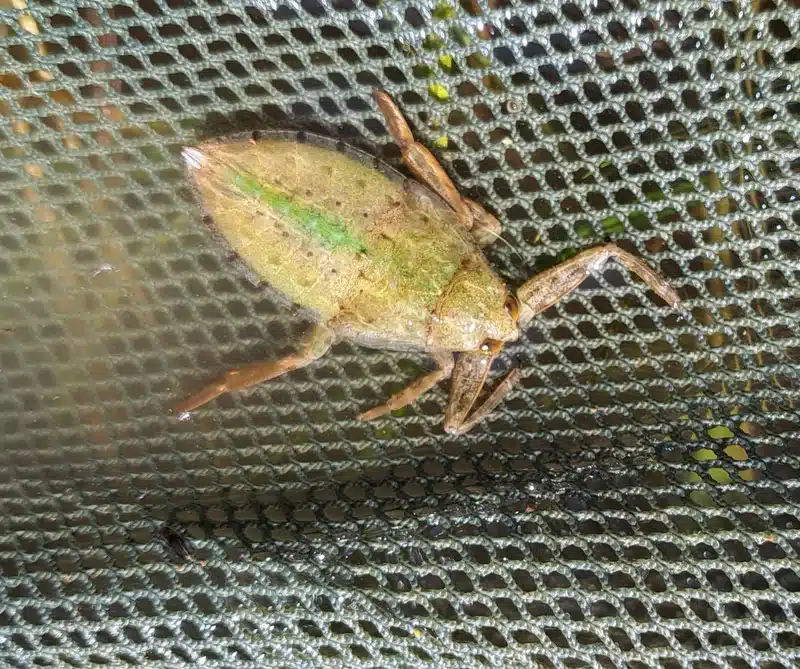
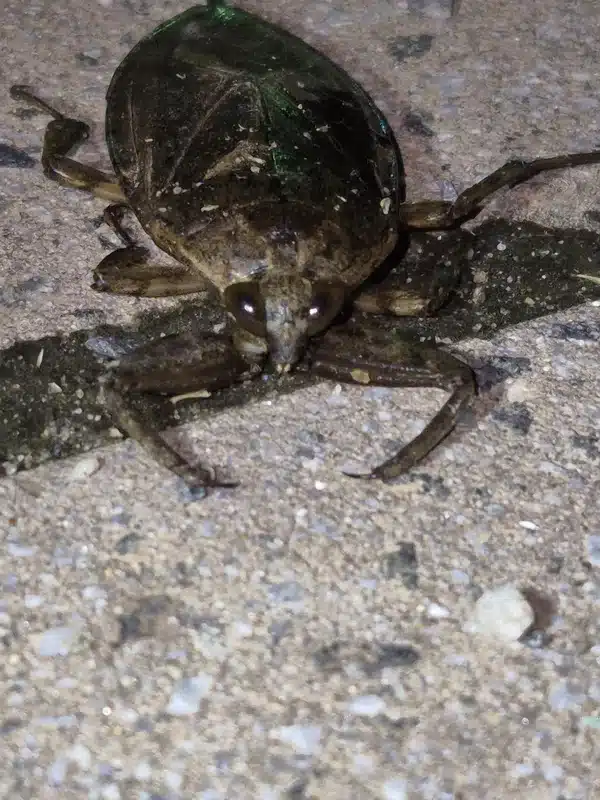
Real water bugs belong to the family Belostomatidae. They’re also called giant water bugs or toe-biters. These are fully aquatic predators that live in ponds, marshes, and slow streams.
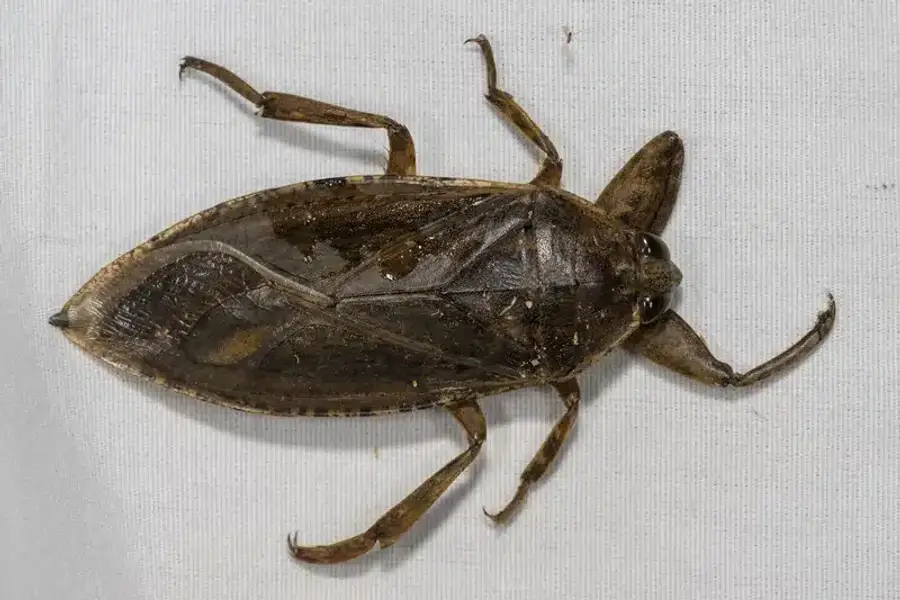
Giant water bugs can reach 2 to 2.6 inches long, making them some of the biggest insects in North America. They have flat, oval bodies with short beak-like mouths and powerful front legs that work like pincers to grab prey. Their back legs are shaped like oars for swimming. They hunt tadpoles, small fish, and even baby turtles.
According to the National Park Service, male water bugs carry eggs on their backs until they hatch. This parenting behavior is rare among insects. The NPS notes these predators can reach over 2 inches and are among the largest true bugs in North America.
Most importantly, true water bugs can bite and inject painful venom. The bite feels like a bee sting and can cause numbness. Cockroaches cannot bite humans at all.
Knowing which insect you have changes everything about how you deal with it. Here’s how to tell the common cockroach “water bugs” apart from the real thing.
Oriental Cockroaches: The Real “Water Bugs” in Your Home
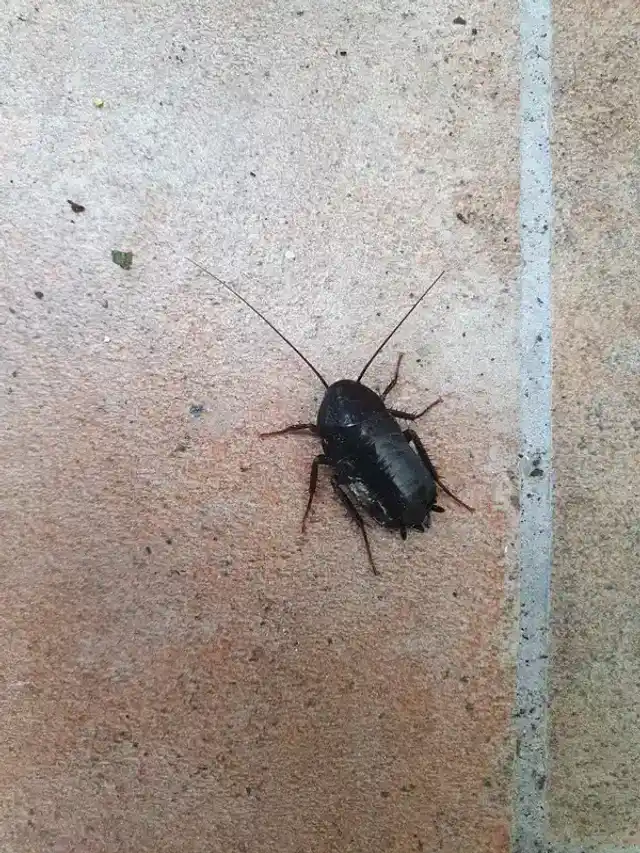
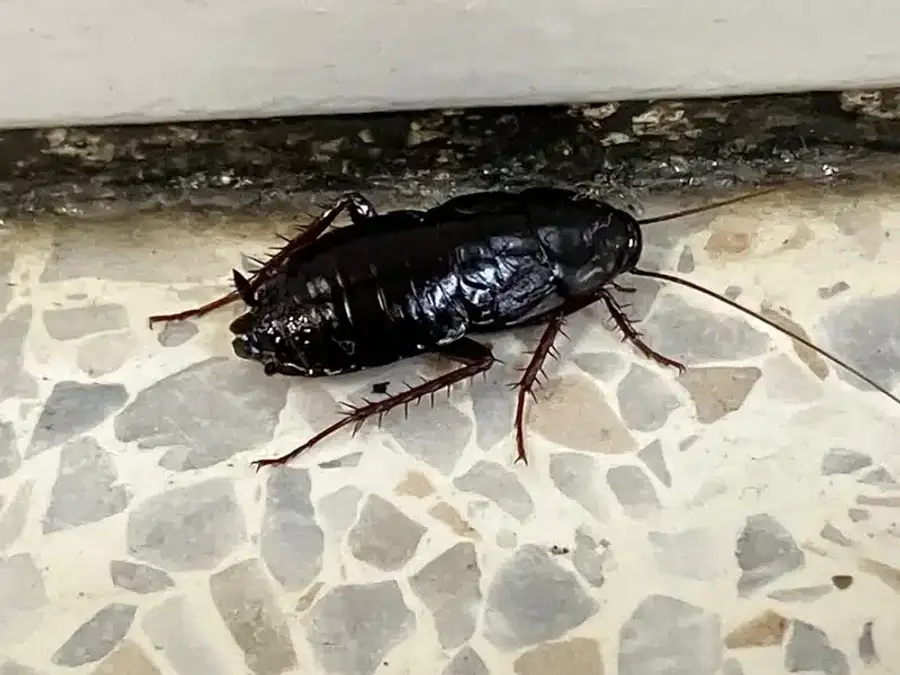
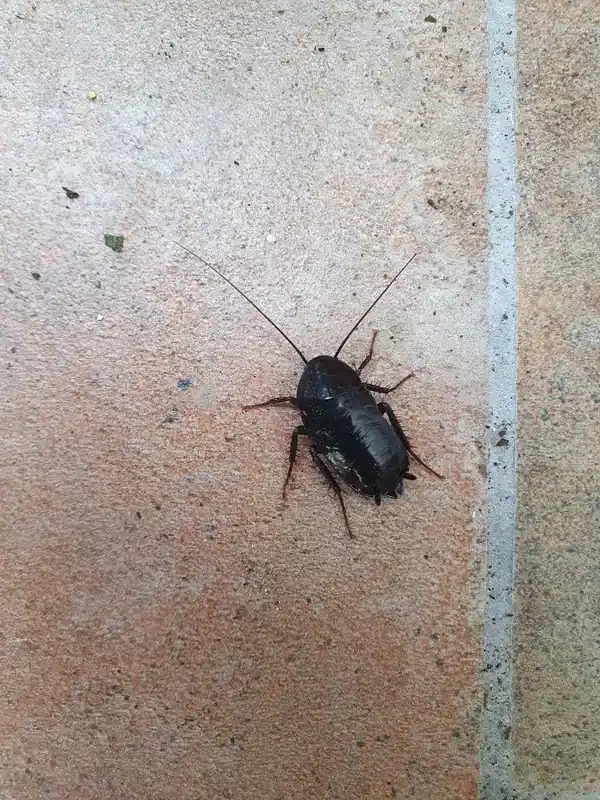
When you find what looks like a water bug in your basement or crawling from a drain, it’s almost certainly an Oriental cockroach. These roaches earned the “water bug” name because they thrive in cool, damp spots.
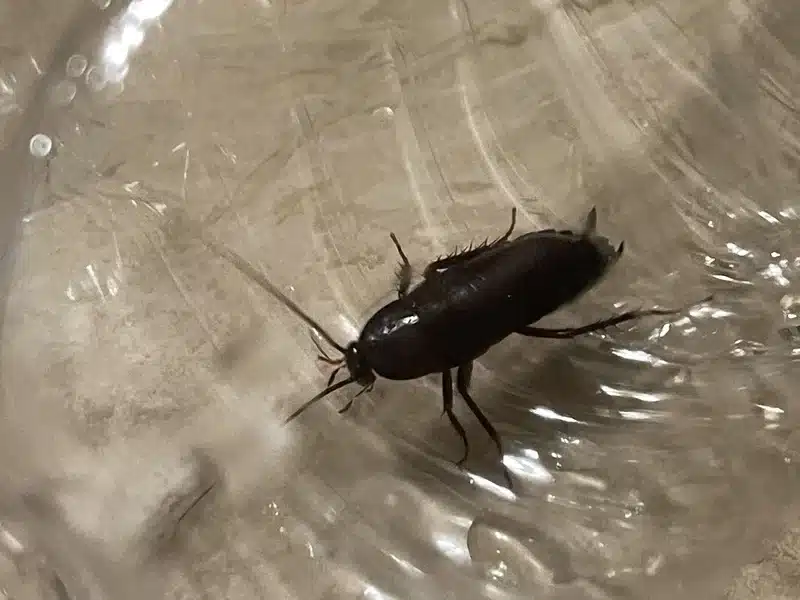
Oriental cockroaches are about 1 inch long, less than half the size of true water bugs. They’re dark brown to black with a greasy sheen. Females look wingless. Males have short wings but can’t fly.
These roaches prefer temps below 84°F, which is why they’re common in basements, crawl spaces, and sewer systems across the DC metro area. Unlike true water bugs, Oriental cockroaches are land insects that just happen to like moisture.
According to Penn State Extension, Oriental cockroaches can carry over 22 human pathogens including Salmonella, Staphylococcus, and Streptococcus. Their shed skin and droppings also contain allergens that can trigger asthma in sensitive people.
These health risks are why getting the ID right matters so much. Here’s what the most common “water bug” cockroaches look like up close.

American Cockroaches: Another “Water Bug” Look-Alike
American cockroaches also get called water bugs, especially in the South. They’re bigger than Oriental roaches at 1.5 to 2 inches, but still smaller than true water bugs.
American roaches are reddish-brown and can glide short distances in warm weather. They often live in sewer systems and come out after heavy rains, which feeds the water bug myth.
In the DMV area, we often find these roaches in commercial kitchens and older buildings with steam tunnels or large plumbing systems. Like Oriental roaches, they spread bacteria and pathogens.
Key Differences at a Glance
Telling water bugs from cockroaches comes down to a few clear features.
Size
True water bugs are large, about the length of a house key or longer. If the insect is under 2 inches, it’s a cockroach.
Body Features
Water bugs have short, thick antennae and pincer-like front legs. Cockroaches have long, thin antennae and normal walking legs.
Where You Find Them
Found it in water or near a pond? It could be a true water bug. Found it in your basement, bathroom, or kitchen? That’s a cockroach.
Bite
True water bugs can deliver very painful bites. Cockroaches cannot bite at all.
| True Water Bug | Cockroach | |
|---|---|---|
| Size | 2-2.6 inches | 1-2 inches |
| Habitat | Ponds and streams | Indoors (damp areas) |
| Front Legs | Pincer-like | Normal walking legs |
| Antennae | Short and thick | Long and thin |
| Can Bite | Yes (painful) | No |
Once you’ve confirmed you’re dealing with cockroaches rather than true water bugs, professional treatment is the fastest path to getting rid of them.
Behavior Differences
How these insects act gives you major clues. True water bugs sit still underwater waiting for prey to swim by. They fly well and are drawn to lights at night, which is how they sometimes end up in pools or on patios.
Oriental cockroaches are slow and avoid light. They eat food scraps and follow plumbing lines, staying close to moisture. They rarely come out during the day.
American cockroaches are much more active. They run fast when startled and eat almost anything, from pet food to book bindings.
DMV Area Patterns
In Virginia, Maryland, and DC, true water bugs live in natural water throughout the Chesapeake watershed. You might see them in park ponds or retention areas, but they rarely come inside.
Oriental cockroaches are well adapted to city life. They thrive in row homes, apartments, and older buildings across the DC metro. Humidity, aging pipes, and connected sewers create ideal conditions.
Our service areas like Alexandria and Reston see Oriental cockroach problems year-round, with the most activity in warmer months.
What to Do When You Find One
If It’s a True Water Bug
Wear gloves to capture it since they can bite. Release it outside near a pond or stream. Check your window screens and fix any tears to prevent future visitors. No pest treatment needed.
If It’s a Cockroach
Take photos to help with species ID. Then start addressing the conditions that attracted them. Remove moisture sources. Seal cracks around pipes and drains. Clean up food sources. In DMV basements, focus on running a dehumidifier and fixing drainage.
For Oriental and American cockroaches, consider professional treatment. These species often point to bigger moisture and plumbing issues that need fixing.
Health Concerns
The health risks are very different. True water bugs just have a painful bite with no lasting effects.
Cockroaches are a real health concern. According to Penn State Extension, they carry bacteria like Salmonella and trigger asthma through allergens in their droppings and shed skin.
Oriental and American cockroaches also spread germs as they travel from sewers into your kitchen. This is why getting the right ID and treating the problem matters for your family’s health.
After the ID: What Each One Needs
A true water bug needs nothing more than releasing outside — it came in by accident chasing a light and has no interest in your house. A cockroach is the opposite: moisture control, sealed entry points, and usually targeted treatment before the population grows. Our guide to getting rid of water bugs has the full inspection checklist, the treatment options, and the prevention steps that hold in a humid DMV basement.
Whether you’re dealing with a true water bug that just needs relocating or cockroaches that need full treatment, correct identification is the first step. If you’re not sure what you’ve found, call us at 703-683-2000 or email info@bettertermite.com for expert help.