
TLDR: German cockroaches live 100 to 200 days. American cockroaches can last up to 2 years. Oriental cockroaches live 6 to 12 months. Roaches can go a month without food but only about a week without water. They breed fast, so early treatment is key.
If you have spotted a cockroach in your home, you probably want to know how long these pests stick around. The short answer? It depends on the species. German cockroaches live about 100 to 200 days. American cockroaches can survive up to 2 years. Knowing how long roaches live helps you see why problems grow so fast.
As a licensed pest control tech with Better Termite & Pest Control, I have helped hundreds of homeowners across the DC metro area deal with cockroach problems. German, oriental, and American roaches are all common in our region. Here is what the science says about how long these pests actually live.
Cockroach Lifespan by Species
Different cockroach species live very different lengths of time. Here is what you need to know about the roaches most common in our area.
German Cockroach: 100-200 Days
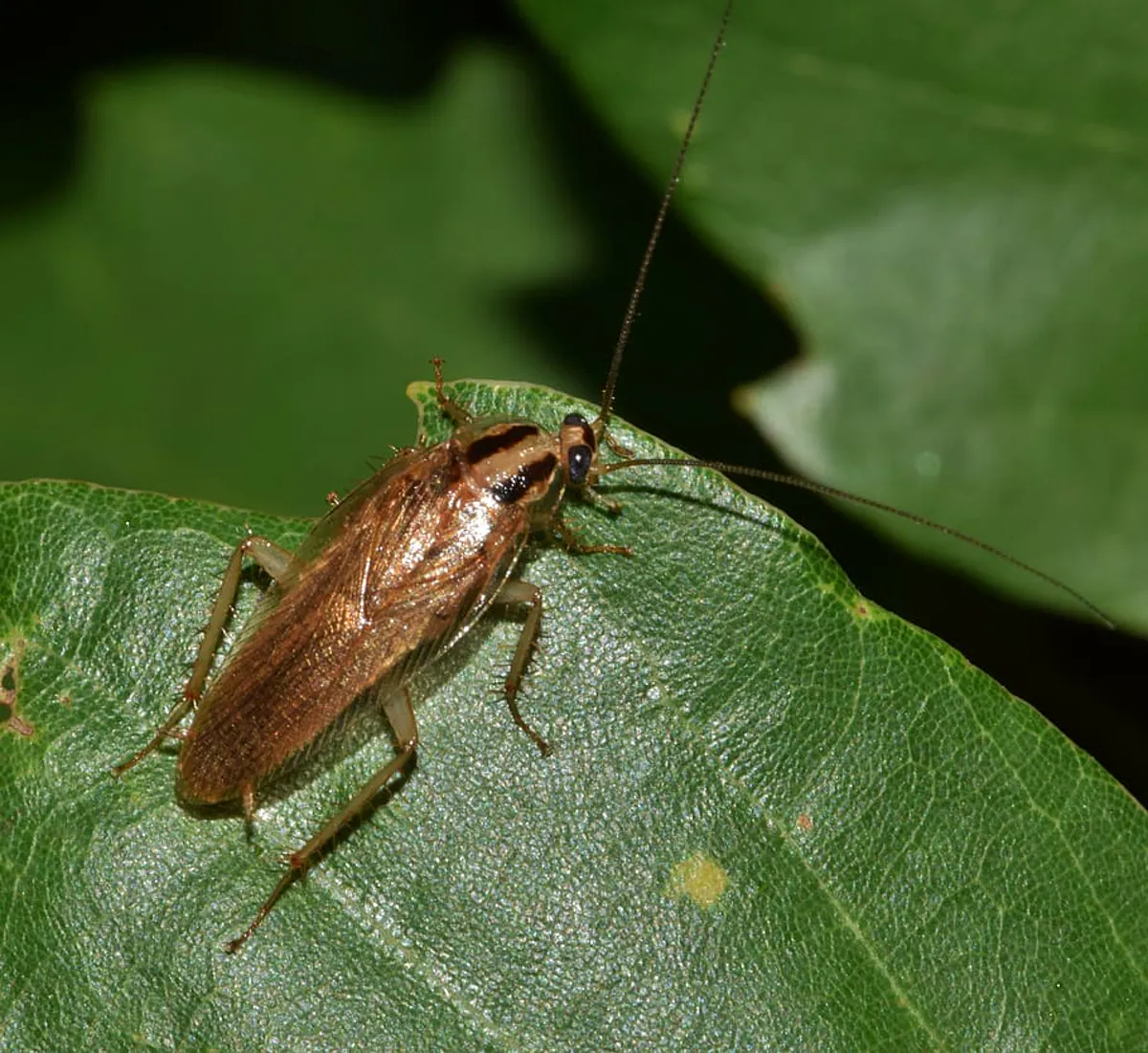
The German cockroach is the most common indoor roach in the U.S. These small, light-brown roaches have two dark stripes on their backs. They live 100 to 200 days as adults. Males tend to die sooner (100 to 150 days). Females can last up to 200 days.
German roaches are so hard to control because they breed fast. One female can lay up to 380 eggs in her life, with 30 to 40 eggs per case. A small problem can turn into a big one in just weeks.
American Cockroach: 1-2 Years
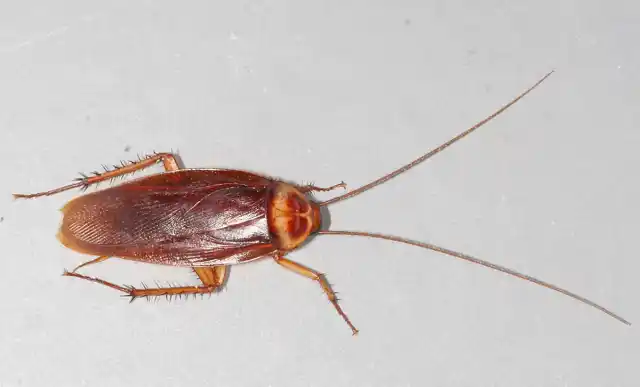
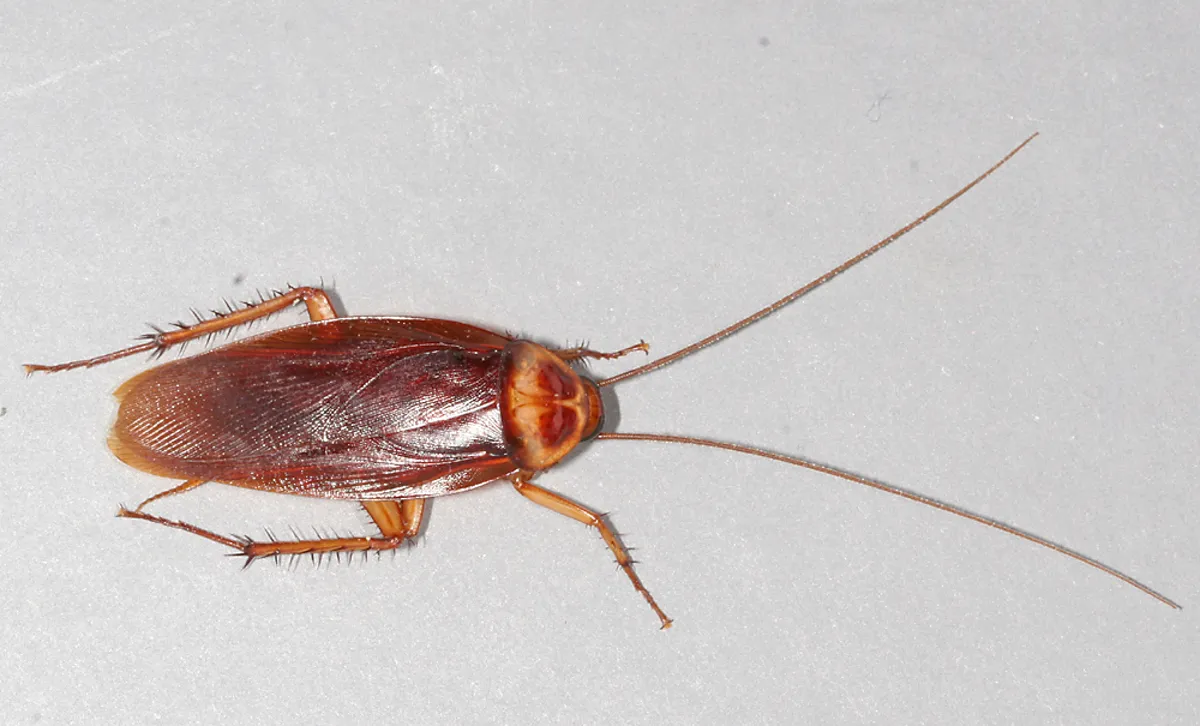
American cockroaches are also called “palmetto bugs.” They have the longest lifespan of common household roaches. These large, reddish-brown insects can live 1 to 2 years. The University of Florida says their full life cycle from egg to death can span up to 3 years.
American roaches are often found in basements, crawl spaces, and near plumbing. They like warm, wet spots and often show up in kitchens and sewers.
Oriental Cockroach: 6 Months to 1 Year
Oriental cockroaches are often called “black beetles” because of their dark, shiny look. They live 6 months to 1 year. Females live about 180 days. Males live around 160 days.
These roaches do well in cool, damp spots like drains, basements, and under porches. They move slower than other species.
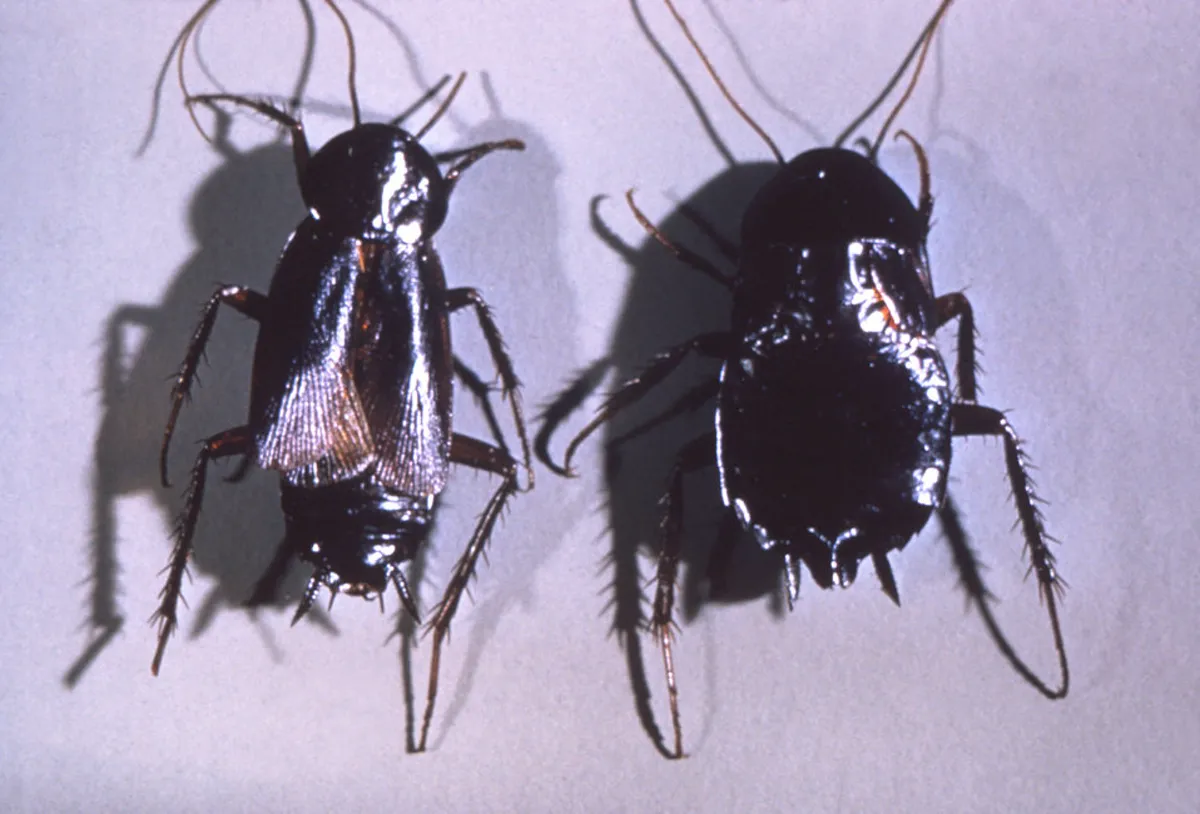

A 1959 study by the Army Quartermaster Corps tested how long cockroaches could live without food and water. Results showed they lasted from 4.8 to 50 days based on species and sex. Females outlived males in every case. Higher humidity also helped them survive longer.
The Cockroach Life Cycle
All cockroaches go through three stages: egg, nymph, and adult. Knowing how this cycle works helps explain why roaches are so hard to kill.
Stage 1: Egg Case (Ootheca)
Female roaches make egg cases called oothecae. The number of eggs depends on the species:
- German cockroaches: 30 to 40 eggs per case
- American cockroaches: 14 to 16 eggs per case
- Oriental cockroaches: About 16 eggs per case
Eggs hatch in 1 to 2 months. German roach eggs are the fastest. They hatch in about 28 days.
Stage 2: Nymph
After hatching, roaches enter the nymph stage. Nymphs look like tiny adults but don’t have wings yet. They shed their skin several times as they grow.
How long the nymph stage lasts varies a lot:
- German cockroaches: About 103 days to become adults
- American cockroaches: About 600 days to become adults
- Oriental cockroaches: 300 to 800 days to become adults
Stage 3: Adult
Once roaches reach adulthood, they can start breeding. Adults have full-sized wings (though not all species fly well) and are at their largest. This is when you are most likely to see them. But the nymphs hiding in cracks are just as key to treat. DIY sprays often miss eggs and nymphs that a pro treatment can target.
How Long Can Cockroaches Survive Without Food or Water?
Roaches are tough. They can go a long time without food or water. This is a big reason they are so hard to get rid of.
Without Food
Roaches are cold-blooded, so they don’t burn energy to stay warm. This lets them go up to a month without food as long as they have water:
- American cockroaches: 2 to 3 months without food
- German cockroaches: Up to 42 days without food
Without Water
Water matters more than food for roaches. Most species die within one week without water:
- German cockroaches: Up to 12 days without water
- American cockroaches: About a month without water
What Affects How Long Cockroaches Live?
A few other things beyond food and water affect how long roaches live in your home.
Temperature and Humidity
Roaches love warm, humid spaces. They breed fastest at 70 to 80 degrees. Cold weather slows them down but does not kill indoor roaches. Your home stays warm enough for them.
High humidity (50% or above) helps roaches survive longer. In lab tests, roaches in humid settings outlived those in dry ones by a wide margin.
Food Sources
Roaches are scavengers and will eat almost anything:
- Food crumbs and grease
- Paper and cardboard
- Soap and toothpaste
- Pet food
- Dead insects
Predators and Pest Control
In the wild, roaches face predators like rodents and other insects. In homes, pro pest control is their biggest threat. Modern baits and products can wipe out roaches at all life stages when used the right way.
The longer you wait, the harder the problem gets. Here is what I have seen first-hand.
In my years at Better Termite & Pest Control, I have treated roach problems across Alexandria, Fairfax, and nearby areas. What shocks most homeowners is how fast German roach numbers grow. Females can lay hundreds of eggs in their short lives. A few roaches can turn into thousands in just a couple of months. Treating early is always easier and cheaper than fighting a full-blown problem.
Why Cockroach Infestations Grow So Fast
Homeowners always ask, “how did this happen so fast?” The numbers tell the story.
| Species | Eggs Per Case | Cases Per Lifetime | Total Offspring |
|---|---|---|---|
| German | 30 to 40 | 4 to 8 | 120 to 380 |
| American | 14 to 16 | ~10 | 140 to 160 |
| Oriental | 16 | ~8 | ~128 |
One German roach can produce hundreds of babies in just 6 months. If even a few of those live long enough to breed, the numbers grow fast.
Under the best conditions, a single pair of German cockroaches could produce over 400,000 offspring in one year. Real-world conditions limit this number. But it shows why getting pro help early matters so much.
Signs of a Cockroach Infestation
Here are the signs I look for when checking a home. Catching these early makes treatment much easier:
- Droppings: Small, dark specks that look like coffee grounds or tiny cylinders
- Egg cases: Brown cases shaped like tiny purses, tucked in hidden spots
- Musty odor: An oily or stale smell that gets worse with more roaches
- Shed skins: Shells left behind by growing nymphs
- Daytime sightings: Seeing roaches in daylight often means a large group is present
Professional Cockroach Control
At Better Termite & Pest Control, we have been serving the DC metro area for over 58 years. Our team uses EPA-approved products and proven methods to wipe out roach problems. Here is how we do it:
- Full inspection to find the species and where they hide
- Targeted treatments using baits and long-lasting products
- Follow-up visits to catch all life stages
- Prevention tips to keep roaches from coming back
We cut off their food, water, and shelter. We treat eggs, nymphs, and adults all at once.
Preventing Cockroach Problems
The best way to deal with roaches is to stop them before they move in:
- Cut off food: Clean up crumbs. Store food in sealed bins. Don’t leave pet food out overnight.
- Cut off water: Fix leaky pipes. Dry sinks before bed.
- Reduce hiding spots: Seal cracks. Cut clutter.
- Clean often: Vacuum and wipe behind items on a regular basis.
- Preventive treatments: Regular pest control keeps new roaches from taking hold.
When to Call a Professional
DIY sprays may work for the odd roach. But call a pro when:
- You see roaches during the day (this points to a large group)
- DIY treatments have not worked
- You find more than one egg case
- The problem is in your kitchen or a food prep area
- You have asthma or allergy concerns (roaches are a known trigger)
If you are dealing with roaches in Northern Virginia, Maryland, or DC, call us at 703-683-2000 or email info@bettertermite.com. With over 1,800 reviews and 58+ years in business, we know how to get roaches out and keep them out.