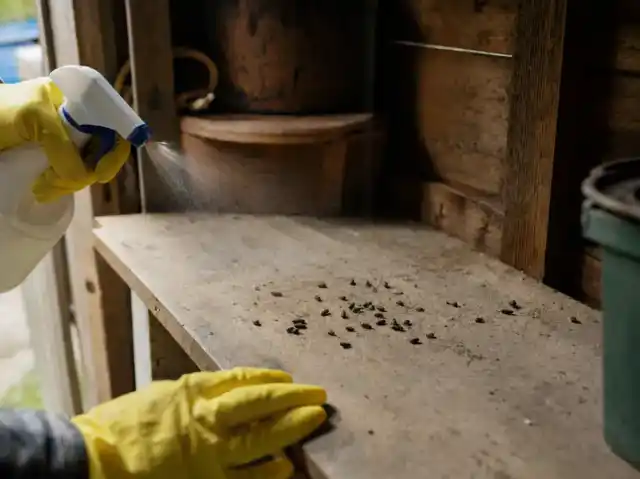

Hantavirus spreads mainly when people breathe in dust contaminated with the urine, droppings or saliva of infected wild rodents. That usually happens when someone sweeps out a closed-up shed, cabin or garage and kicks dried droppings into the air. Less often, people catch it by touching contaminated material and then their face, by eating contaminated food, or from a rodent bite. In the United States, hantavirus does not spread from person to person.
I’m George Schulz with Better Termite & Pest Control. I deal with mice in sheds, garages and basements across Northern Virginia and Maryland. Hantavirus is one of the first things homeowners ask me about. Below I’ll walk through each way it spreads, what doesn’t spread it, and how to clean up so you don’t stir it up.
How Hantavirus Is Spread: The 4 Routes
Hantavirus lives in certain wild rodents. It doesn’t make them sick. They shed it in their urine, droppings and saliva. According to a CDC hantavirus brochure, rodent infestation in and around the home is the main risk. Here are the four ways the virus gets from a rodent to a person, from most to least common.
1. Breathing In Contaminated Dust
This is how most people get infected. Fresh urine, droppings and nesting material dry out. Then something disturbs them, like a broom, a vacuum, a leaf blower or just moving boxes. Tiny virus-carrying particles float into the air, and you breathe them in.
The Virginia Department of Health puts it plainly: the main way the virus reaches people is by breathing air contaminated with rodent urine, droppings or saliva. That’s why closed, dusty spaces are the classic setting. Think of a shed that sat shut all winter, a cabin, a camper or a crawl space.
2. Touching Contaminated Material, Then Your Face
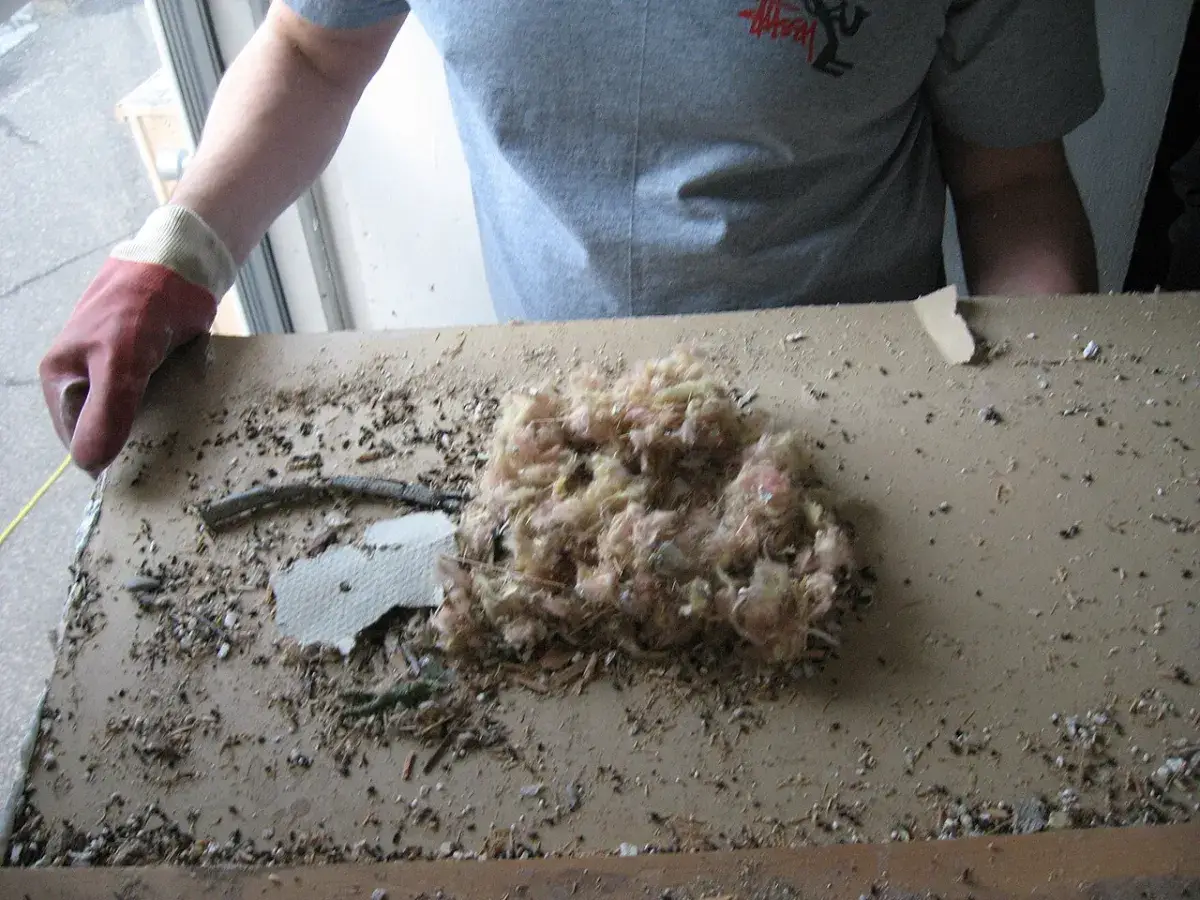
The second route is hand-to-face. You touch fresh urine, droppings or nesting material. Then you rub your eyes, touch your nose or eat a snack without washing up. The virus gets in through your eyes, nose or mouth. Gloves and a good hand wash cut this route off.
3. Eating Contaminated Food
Food that mice have gotten into can carry the virus too. If you find droppings in a pantry, garage fridge or bag of birdseed, throw out anything that was open or chewed. This route is less common, but it’s an easy one to avoid.
4. A Rodent Bite or Scratch
Finally, an infected rodent can pass the virus through a bite or scratch. The CDC calls this rare. It mostly matters for people who handle live mice, so never pick one up with bare hands.
What Doesn’t Spread Hantavirus
A lot of worry comes from routes that aren’t real, at least here in the US. Here’s what the health agencies say.
- Other people: In the US, there have been no reports of hantavirus pulmonary syndrome spreading between people. The CDC says Andes virus, found in parts of Argentina and Chile, is the only hantavirus known to spread person to person.
- Dogs and cats: According to the CDC, pets can’t get sick from hantavirus or pass it to you.
- Bugs: Ticks, fleas and mosquitoes are not known to carry hantavirus.
- The common house mouse: It isn’t one of the US carriers. More on that below.
What About the 2026 Cruise Ship Outbreak?
The big news this year was an outbreak on the MV Hondius cruise ship in May 2026. That was Andes virus, the South American type that can pass between people. The CDC brought 18 potentially exposed people back to the US for monitoring. According to the CDC’s final situation summary, no cases of hantavirus disease happened in the United States as a result. So that outbreak didn’t change how hantavirus spreads here. US cases still come from local wild rodents.
Which Rodents Spread Hantavirus in the US
Only certain wild rodents carry the hantaviruses that make people sick here. The CDC lists four:
- Deer mouse: the main carrier nationwide, especially in the West. See our deer mouse guide.
- White-footed mouse: the key carrier in the East, including Virginia and Maryland. See our white-footed mouse guide.
- Cotton rat: found in parts of the South. See our cotton rat guide.
- Rice rat: found in Southeastern wetlands. See our rice rat guide.
All four are wild rodents that live in woods, fields and marshes. However, they do move into sheds, garages, cabins and walls. That’s most common on wooded lots. You also can’t tell if a mouse is infected just by looking at it.
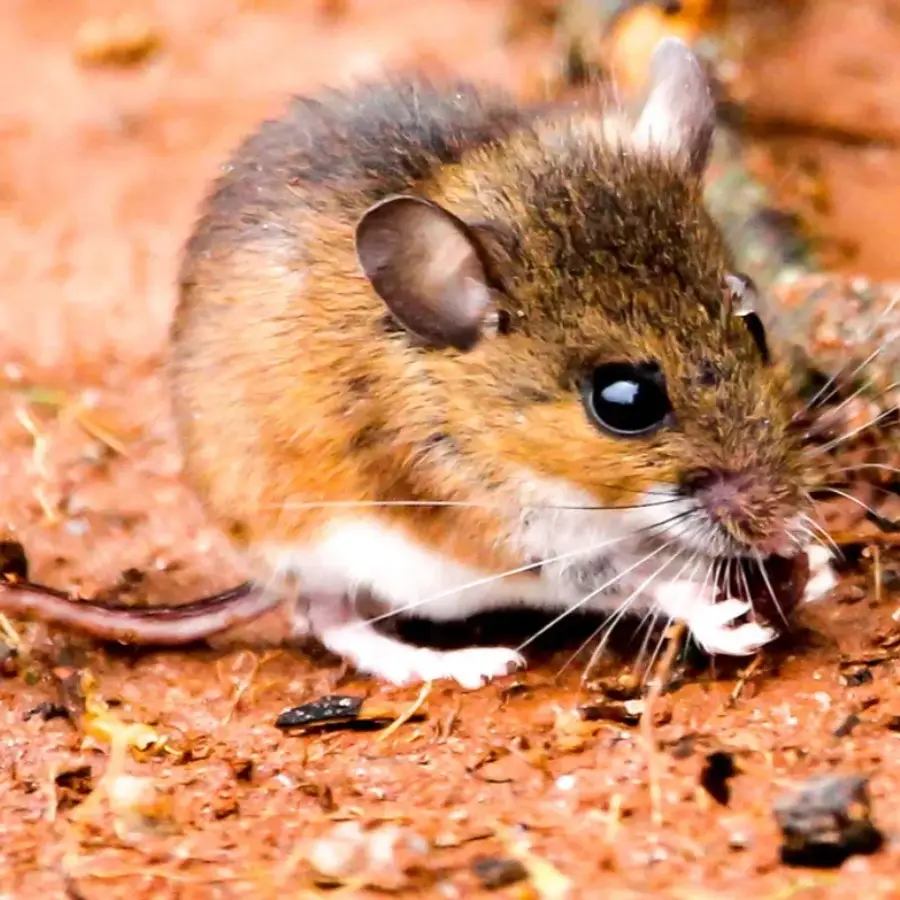
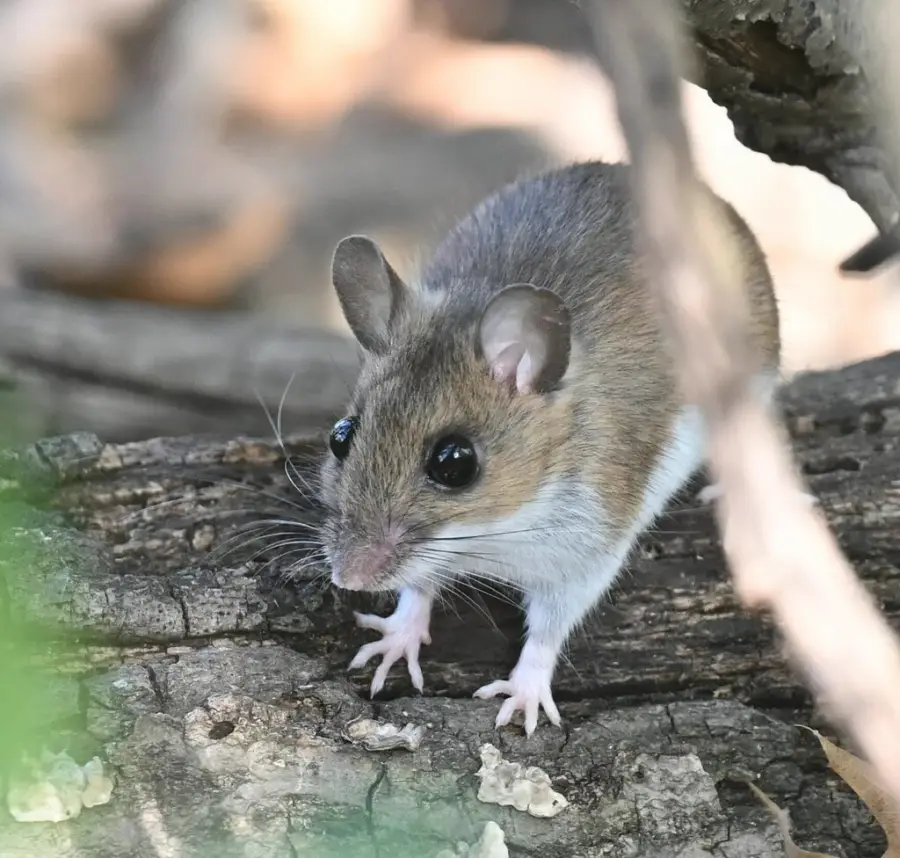
The mouse in most kitchens around Alexandria or Arlington is the house mouse, which is not on the CDC’s carrier list. If you’re not sure which kind you have, our deer mice vs. house mice guide shows how to tell them apart.
The deer mouse carries Sin Nombre virus, the most common cause of hantavirus illness in the US. In the East, the white-footed mouse carries related viruses. A study in Emerging Infectious Diseases described the first two recognized hantavirus cases in Pennsylvania, from 1997, and tied them to Monongahela virus in white-footed mice. Three of seven white-footed mice trapped at one patient’s exposure site had antibodies to the virus.
How long the virus survives outside a rodent isn’t known for Sin Nombre virus. However, in a lab study of related hantaviruses, two European strains stayed infectious for 12 to 15 days in rodent bedding at room temperature. They lasted even longer in the cold. That’s a big reason health agencies focus on fresh droppings and nests, and on disinfecting before you wipe anything up.
How Rare Is It Here?
Hantavirus is rare, especially in the East. The Virginia Department of Health notes that 94% of US infections happen west of the Mississippi River. CDC data lists one case in Virginia, two in Maryland and two in Washington, DC since tracking began. For the full breakdown, see our guide to hantavirus cases by state.
So most people in the DMV will never run into it. Still, the habits that prevent it are simple, and they also protect you from other germs mice carry. Our post on the chances of getting sick from mouse droppings covers those other risks.
How to Clean Up Without Spreading It
Breathing in dust is the main route. So the goal of a good cleanup is to keep droppings wet and out of the air. These steps follow the CDC’s rodent clean-up guidance.
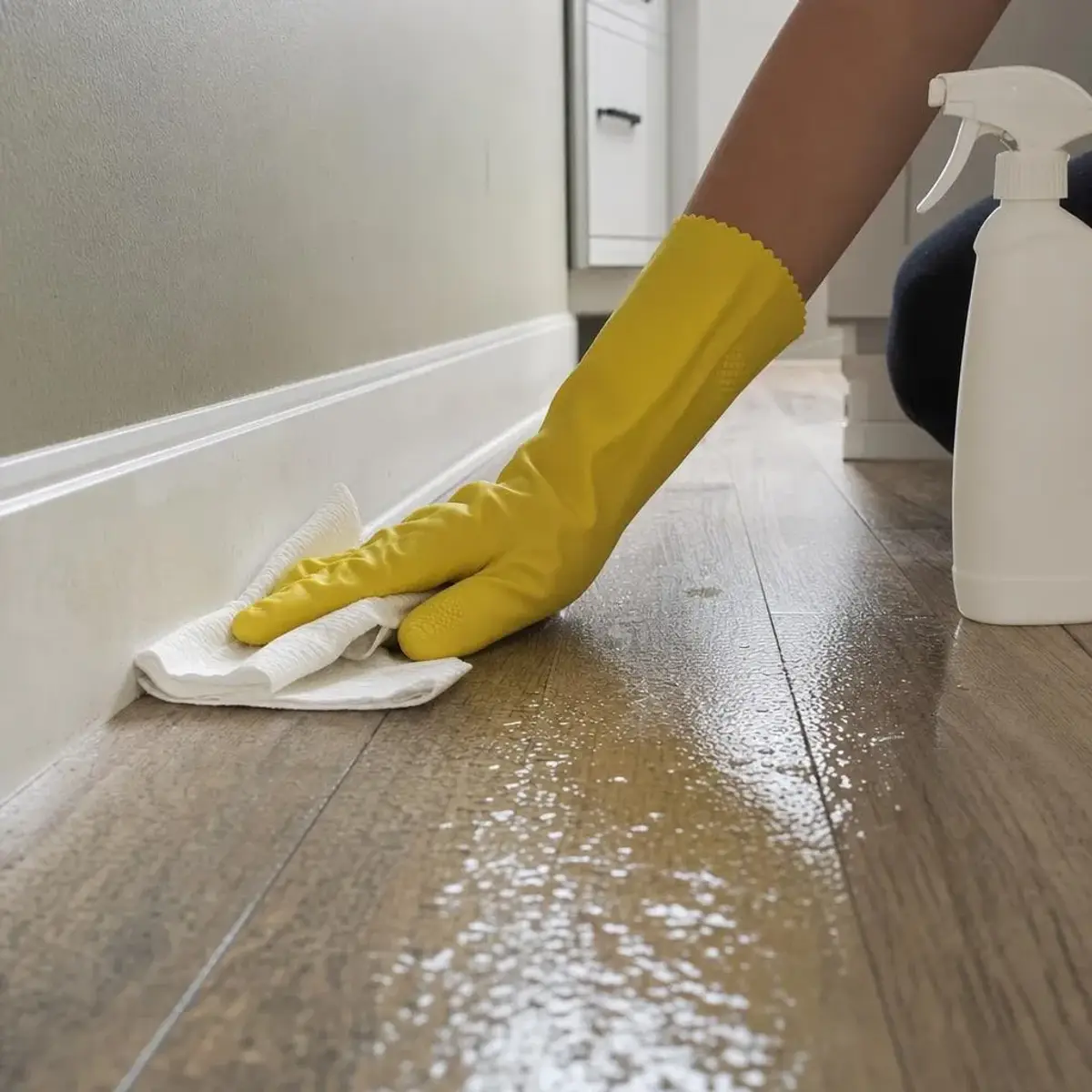
Here’s the short version, step by step.
Open all doors and windows for at least 30 minutes before you start. Leave the area while it airs out.
Put on rubber or plastic gloves. Don’t touch your face while you work.
Spray droppings, urine spots and nests with a disinfectant or a fresh bleach solution: 1.5 cups of household bleach per gallon of water (1 part bleach to 9 parts water). Let it soak for 5 minutes, or as long as the label says.
Wipe everything up with paper towels. Put the waste in a plastic bag, seal it and throw it in a covered trash can.
Take off your gloves. Then wash your hands well with soap and warm water.
For a few droppings in a garage or pantry, that’s all it takes. A heavy infestation in a closed-up building is a bigger job, though. That’s when it makes sense to call in help.
Of course, the easiest cleanup is the one you never have to do. That starts with keeping mice from getting in.
People never think about how small a gap a mouse needs. I tell customers that if you can fit the tip of your pinky in there, a mouse can get in. They’re usually shocked, because they figured the hole had to be much bigger. Our guide on how small a hole a mouse can fit through has the exact numbers.
The other thing I see all the time is thick mulch piled against the house. Mice will nest right under it, and from there it’s a short trip into a garage or wall. If a homeowner asks me for one quick change, pulling the mulch back from the foundation is near the top of the list.
Neither of those is about hantavirus directly. However, they’re exactly how wild mice end up in the sheds, garages and basements where people later get exposed. Keep the mice out, and there’s nothing to clean up.
Can You Survive Hantavirus?
Yes, most people do. According to the CDC, about 38% of people who develop the lung symptoms may die, so the majority survive. There is no specific cure or vaccine. However, the CDC’s clinician guidance notes that patients who get advanced breathing and heart support (ECMO) at the first sign of decline have an 80 percent survival rate.
That’s why getting to a doctor early matters so much. Survivors tend to improve quickly once they turn the corner, though complete recovery can take several weeks to months.
Keeping Wild Mice Out for Good
The best way to avoid hantavirus is to avoid rodent droppings in the first place. That means sealing gaps, cutting back cover near the house, and dealing with mice before they settle into the shed or garage.
Our rodent control program handles that with lower-level baiting plus sealing entry points. For homes with lots of gaps, our exclusion services close them up. If it’s mice specifically, see how our mouse control plan works. We serve Northern Virginia and suburban Maryland, including rodent control in Lorton and rodent control in Laurel.
The Bottom Line
So, how is hantavirus spread? Mostly through the air, when dried urine and droppings from infected wild mice get stirred up and breathed in. Touching contaminated material, eating contaminated food and rodent bites are less common routes. It doesn’t spread between people in the US, and pets don’t spread it. The fix is simple: keep wild mice out, and clean up wet, never dry.
If you have questions or want an estimate, call us at 703-683-2000 or email info@bettertermite.com. With 58 years in the business and 1,800+ reviews, we’re glad to help you get ahead of a mouse problem.