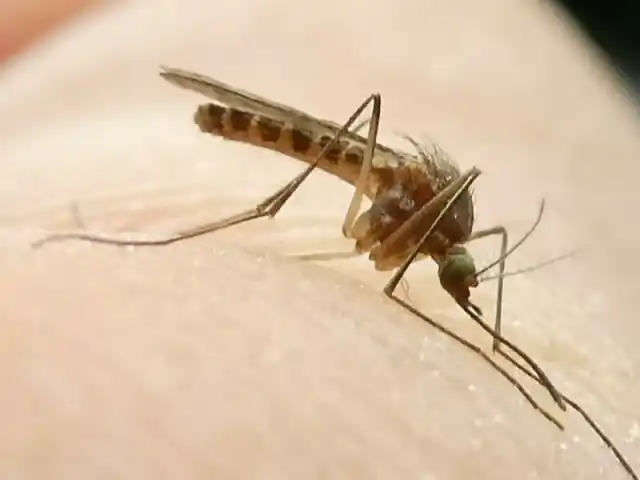

Mosquito bites itch because your immune system is reacting to the mosquito’s saliva. When a female mosquito feeds, she injects saliva into your skin. Your body flags the proteins in that saliva as an allergen, and cells in your skin release histamine. Histamine causes the puffy bump and sends the itch signal to your brain. In other words, the itch is your own body’s defense, not the puncture.
I’ve worked in pest control since 2015, and mosquito bites are the number one complaint I hear from homeowners every summer in Northern Virginia and Maryland. Below, I’ll walk through exactly how a bite turns into an itch, why some bites swell more than others, why they feel worse at night, and when a bite is worth a call to your doctor.
Why Do Mosquito Bites Itch? The Short Answer
The itch comes down to one chemical chain reaction. Here is what happens, step by step, from the moment a mosquito lands.
Only females bite. According to the CDC, female mosquitoes bite people and animals to get a blood meal, which they need to develop their eggs. Males feed on plant sugars and never bite you.
As she pierces your skin, she pumps in saliva. That saliva contains proteins that keep your blood from clotting and help her find a blood vessel. Basically, it keeps the “straw” from getting plugged while she drinks.
Your immune system spots those foreign proteins. If you’ve been bitten before, your body has antibodies ready that recognize them as an allergen.
Mast cells in your skin release histamine. As Cleveland Clinic explains, histamine is what causes mosquito bites to itch and swell. It widens small blood vessels, so fluid leaks into the area and makes the bump.
Histamine also activates the nerve endings in your skin. Those nerves send an itch signal to your brain, and you reach to scratch.
How Long Do Mosquito Bites Itch?
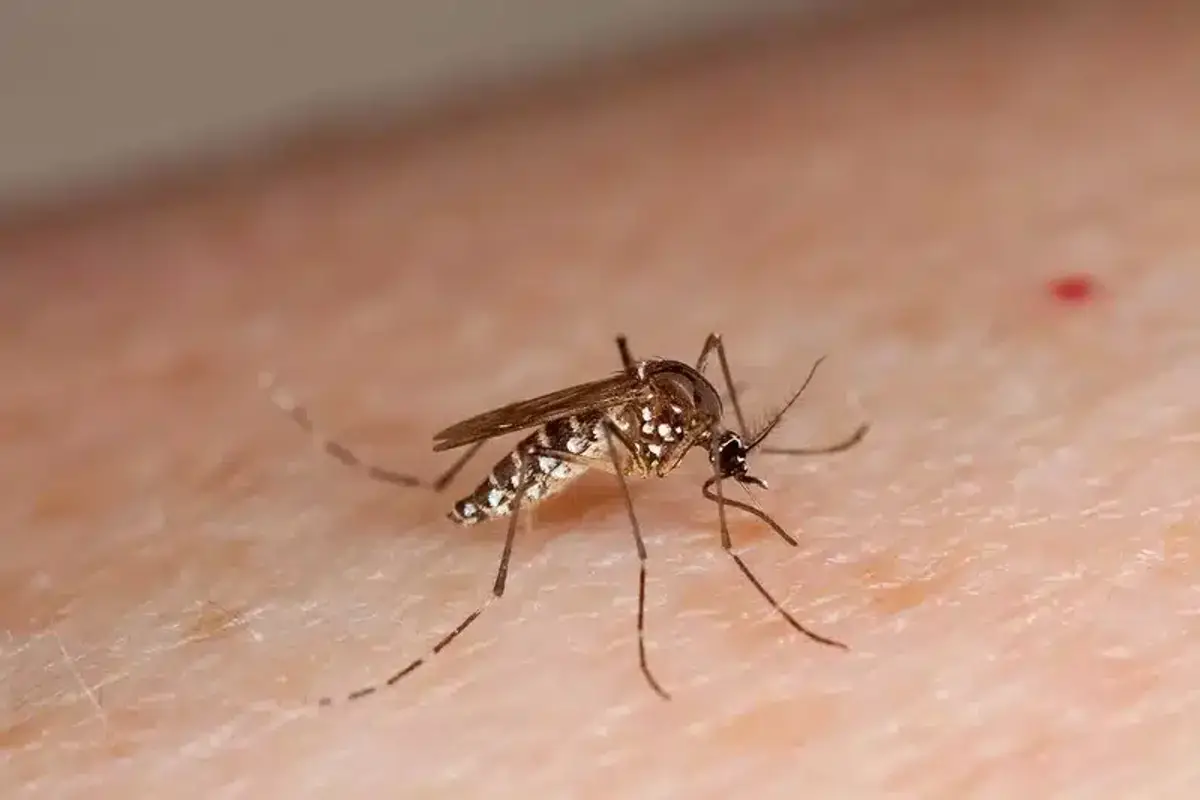
Most mosquito bites itch for a few days. However, a lot of people don’t realize there are actually two reactions, not one.
A puffy, reddish bump appears a few minutes after the bite. This is the immediate reaction, driven by histamine.
The first bump usually peaks in size and itchiness. For many people it then starts to fade over the next few hours.
Some people get a second, delayed reaction: a harder, itchy, reddish-brown bump. This one peaks roughly a day to a day and a half after the bite.
For most people, the bump and the itch are gone. If a bite is still getting bigger, hotter, or more painful at this point, it’s time to have a doctor look at it.
A 2022 review in Frontiers in Immunology describes the immediate welt as usually 2 to 10 mm across, peaking 20 to 30 minutes after the bite. The delayed bumps peak at around 24 to 36 hours.
The same review describes how reactions change with repeated bites over a lifetime. At first there is little reaction. Then a person develops the delayed bump, then both the immediate and delayed bumps, then only the immediate bump, and eventually some people barely react at all. This natural desensitization varies a lot from person to person, and it can start over when you are bitten by a mosquito species your body hasn’t seen before.
Why Some People React More Than Others
If you’ve ever had a family member get covered in huge welts while you barely noticed, you’re not imagining it. How much a bite itches depends mostly on your immune history.
- Kids react the most. They haven’t been bitten enough times for their bodies to settle down.
- Newcomers and travelers often react strongly to local mosquitoes, because their immune system hasn’t met those species yet.
- Many adults react less over time. Years of bites can slowly dull the response, although not everyone gets there.
- People with weakened immune systems can have larger reactions.
Additionally, a mosquito can’t “choose” to make you itch more. The size of your reaction comes from your body, not from the bite.
Why Do Some Mosquito Bites Swell So Much?
A bite that swells to the size of a golf ball or bigger, turns hot, and stays red for days may be what doctors call skeeter syndrome. It’s a large local allergic reaction to mosquito saliva. According to Mayo Clinic, it is most common in children, and children are more likely to have a severe reaction than adults.
Skeeter syndrome usually shows up within hours of the bite and clears up in several days to about a week and a half. The tricky part is that it can look a lot like a skin infection, so it’s worth having a doctor take a look if you’re unsure.
Why Do Mosquito Bites Itch More at Night?
Plenty of people notice that a bite that was fine all afternoon becomes unbearable once they get into bed. There are a few likely reasons.
A 2016 review on nighttime itch points to several things that change in the evening:
- Your skin gets warmer in bed, and warmth tends to make itch worse.
- Your natural cortisol levels drop to their lowest point in the evening and overnight. Cortisol normally helps calm inflammation.
- Your skin loses more water at night, which can make it more irritable.
- Your brain is less distracted, so the itch signal gets more of your attention.
To be clear, that research covers itch in general rather than mosquito bites specifically. Still, it explains why a bite can feel twice as bad at 11 p.m. as it did at noon. Additionally, the northern house mosquito bites at night and will come indoors to feed, so some of those nighttime bites may be fresh ones.
Why Scratching Makes the Itch Worse
Scratching feels great for about five seconds. Then the itch comes back stronger. That’s not in your head.
According to University of Pittsburgh immunologists, proteins in mosquito saliva bind to sensory nerve endings in the skin. When you scratch, pain-sensing nerves release a molecule that stimulates even more mast cells. More mast cells means more histamine, and more histamine means more itch. Basically, scratching feeds a vicious cycle.
Scratching also breaks the skin. Once the skin is open, bacteria can get in, and a simple bite can turn into an infection that needs a doctor.
What Actually Helps a Mosquito Bite Stop Itching
You can’t undo the immune reaction once it starts, but you can calm it down. The American Academy of Dermatology recommends a few simple steps:
- Wash the bite with soap and water.
- Apply an ice pack for about 10 minutes to reduce swelling and itch.
- Use an over-the-counter anti-itch cream, such as hydrocortisone, or calamine lotion.
- Consider an oral antihistamine if you have several bites or a big reaction. Because histamine causes the itch, blocking it helps. Check with a pharmacist or doctor first, especially for kids.
- Don’t scratch. Keep nails short for kids who can’t resist.
The Best Way to Stop the Itch: Fewer Bites
The only bite that won’t itch is the one that never happens. Here in the DC area, two mosquitoes do most of the biting around homes.
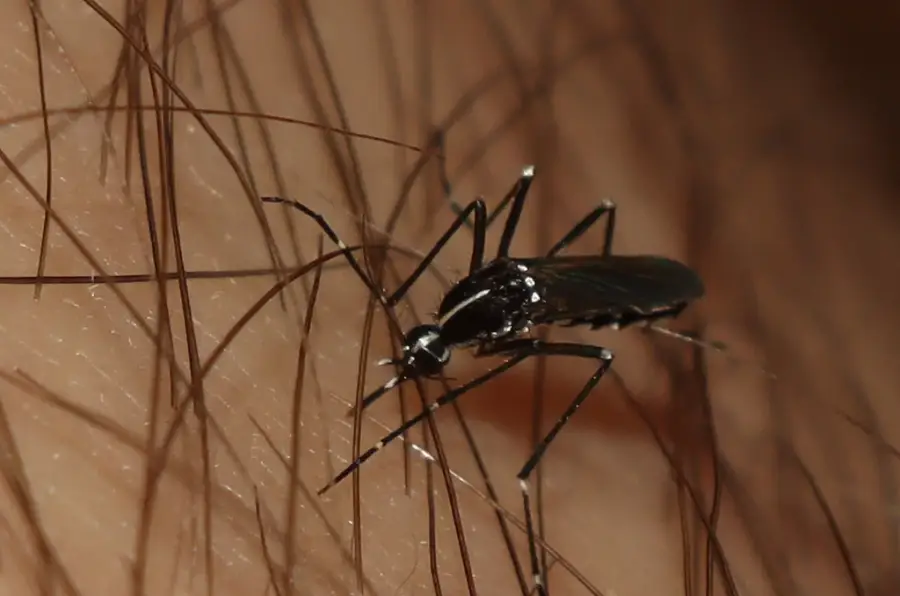
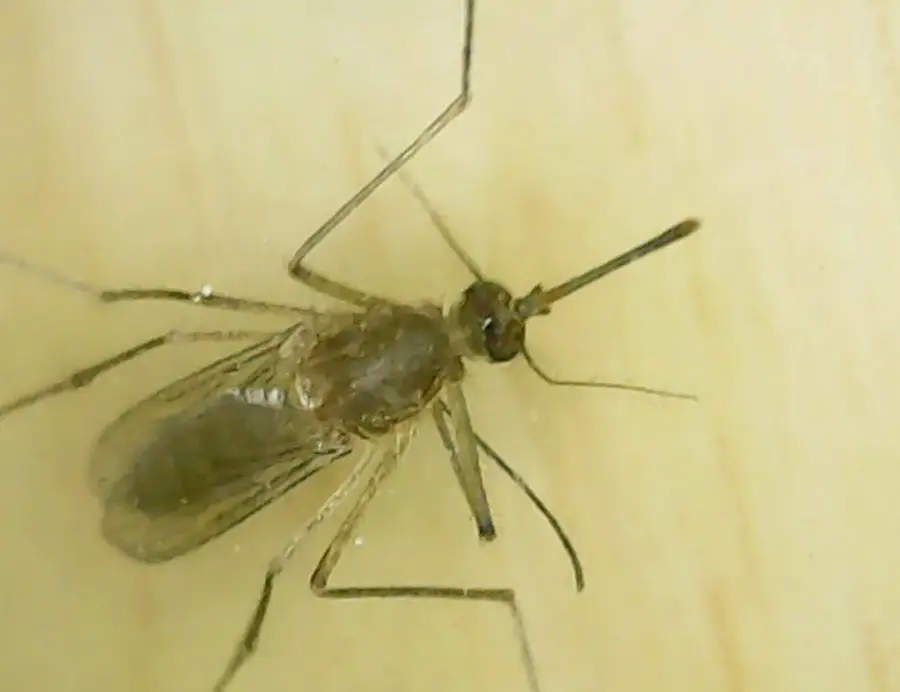
According to University of Maryland Extension, the Asian tiger mosquito bites during the day and will even enter homes to feed. The northern house mosquito bites at night and transmits West Nile virus. Mosquito breeding in the region runs from March into October. That’s why so many of us are still swatting on the deck well after Labor Day. For a deeper look at the species and seasons here, see our guides to mosquitoes in Virginia and mosquitoes in Maryland.
A few things that make a real difference:
- Use an EPA-registered repellent. The EPA lists active ingredients such as DEET, picaridin, IR3535, and oil of lemon eucalyptus. Follow the label, especially on kids.
- Dump standing water once a week. Asian tiger mosquitoes breed in anything that holds water: buckets, saucers, toys, clogged gutters, and tarps.
- Cover up with long sleeves and pants during peak biting times.
- Treat the yard where adult mosquitoes rest, such as dense shrubs and shaded foliage.
Mosquitoes are one of the most frustrating pests I deal with, and I know that firsthand. My family’s backyard had a serious mosquito problem because of the heavy vegetation and moisture back there. We actually developed our mosquito programs by testing different approaches on our own yard.
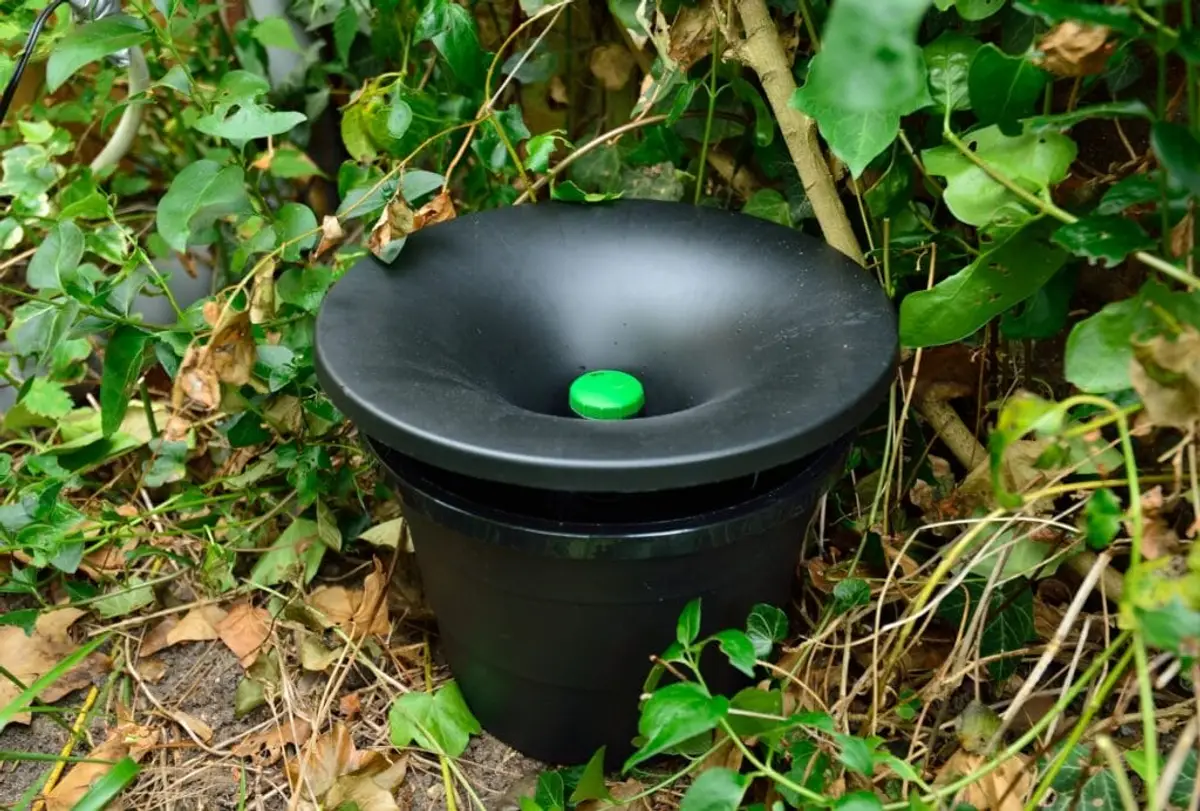
What finally worked was a combination of IN2Care traps and a targeted spray on the vegetation where the adults rest. That combination helped stop a lot of the breeding happening in our own yard, and we spent far less time scratching.
How Professional Mosquito Control Cuts Down on Bites
If DIY steps aren’t enough, a recurring mosquito control plan targets mosquitoes where they breed and rest. Our licensed technicians walk the yard looking for standing water and breeding sites, then treat the shrubs, foliage, and shaded areas where adults hide during the day. You can see exactly what a visit looks like in our mosquito control process guide.
We won’t promise zero mosquitoes. Mosquitoes can fly in from neighboring yards, woods, and creeks. However, treating your property makes a big difference in how many bites you take home. We offer mosquito service across Northern Virginia and Maryland, including Alexandria, Arlington, McLean, Springfield, and Columbia, MD.
All the products we use are EPA approved and have passed through our internal research team. Each one is something we’d feel comfortable using around our own homes and families.
The Bottom Line
Mosquito bites itch because your immune system overreacts to proteins in a female mosquito’s saliva and floods the area with histamine. The itch usually fades within a few days. Ice, an anti-itch cream, and keeping your hands off the bite are your best tools. Watch for signs of infection or illness, and see a doctor if a reaction worries you.
The best fix, though, is fewer bites in the first place. If mosquitoes are taking over your yard, give us a call at 703-683-2000 or email info@bettertermite.com for a free estimate. We’ve been protecting homes in the DC area for 58 years and have earned 1,800+ reviews from our customers.