
Maryland has about 60 mosquito species, but only a few of them bite you in your own yard. Here are the Maryland mosquitoes most homeowners actually deal with:
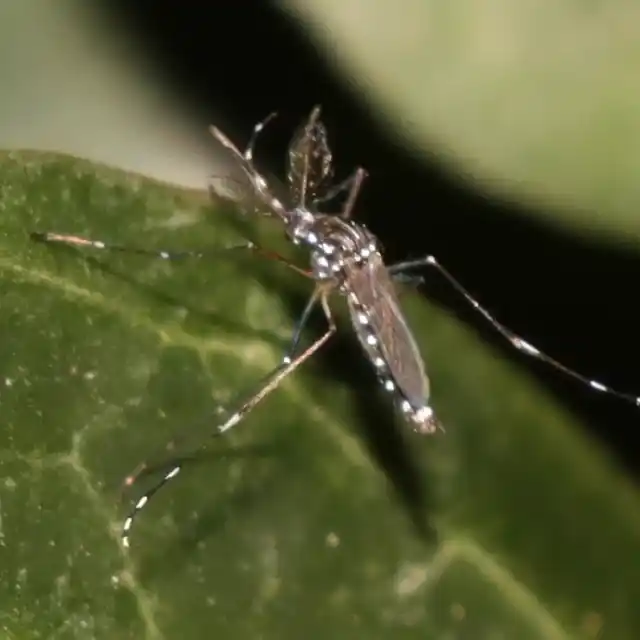
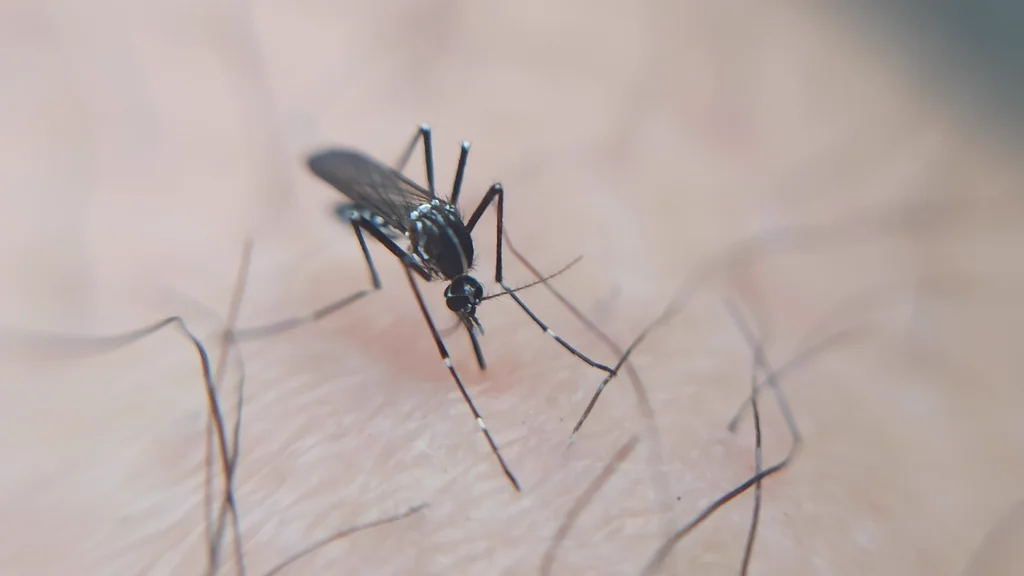
- Asian tiger mosquito: black and white, bites in daylight, breeds in containers
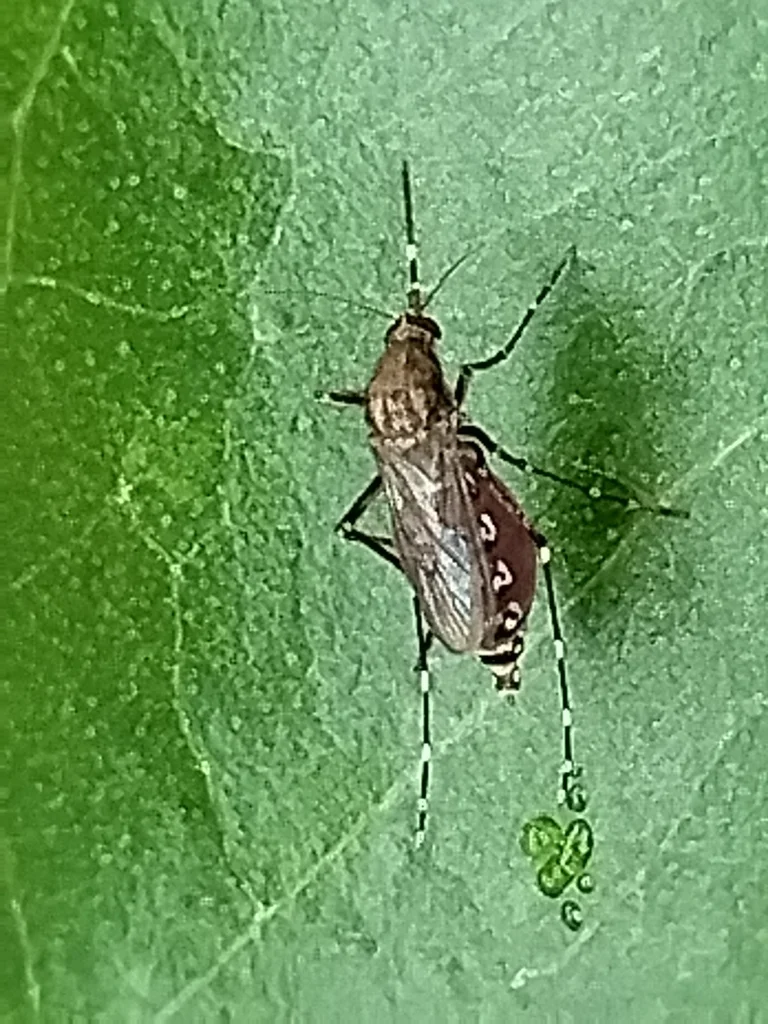
- Northern house mosquito: plain brown, bites in the evening, main West Nile carrier
- Inland floodwater mosquito: shows up in waves after heavy rain
- Eastern and black salt marsh mosquitoes: the big problem near the Chesapeake Bay and the Eastern Shore
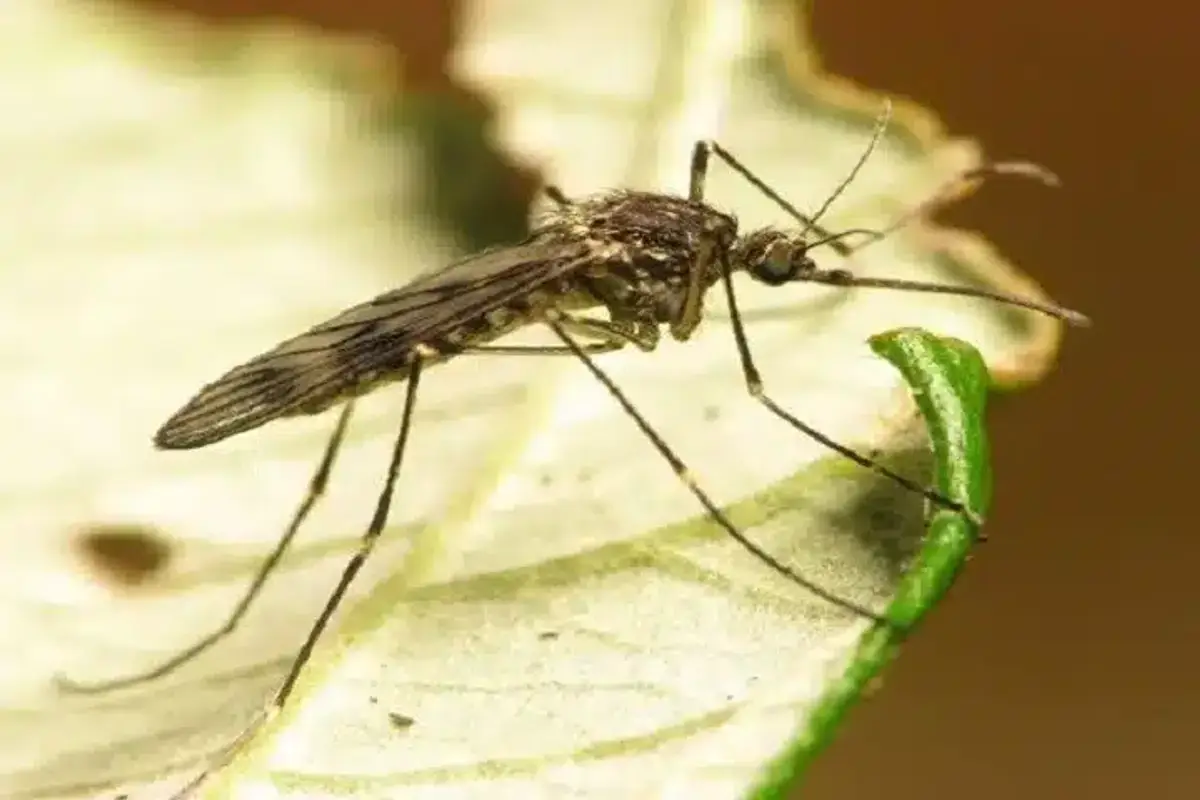
- Common malaria mosquito: an evening biter near ponds and marshy ground
As for when mosquitoes come out in Maryland, breeding starts in March, bites pick up in May, and the season peaks in July and August before fading in October. I’m George Schulz, a third-generation licensed technician at Better Termite & Pest Control. Mosquitoes are one of the pests my own family fought in our backyard, so I’ve spent a lot of time learning what actually brings them down.
Types of Mosquitoes in Maryland at a Glance
The table below is the fast way to figure out what’s biting you. Basically, pay attention to when you get bitten and where you were standing.
| Species | Looks Like | Bites | Breeds In | Where in Maryland |
|---|---|---|---|---|
| Asian tiger mosquito | Black with bright white stripes | Daytime | Buckets, saucers, gutters, tires | Statewide, worst in suburbs |
| Northern house mosquito | Small and plain brown | Dusk and night | Storm drains, catch basins, stagnant water | Statewide, cities and suburbs |
| Inland floodwater mosquito | Brown with pale leg bands | Dusk, in waves | Flooded fields, ditches, puddles after rain | Statewide after heavy rain |
| Eastern salt marsh mosquito | Golden brown with banded legs | Dusk, and daytime near marshes | Salt marsh pools | Bay shoreline, Eastern Shore |
| Black salt marsh mosquito | Dark with white leg bands | Dusk, aggressive | Tidal marsh after high tides | Lower Eastern Shore, coast |
| Common malaria mosquito | Dark with spotted wings | Night | Ponds and marsh edges with plants | Near ponds and wetlands |


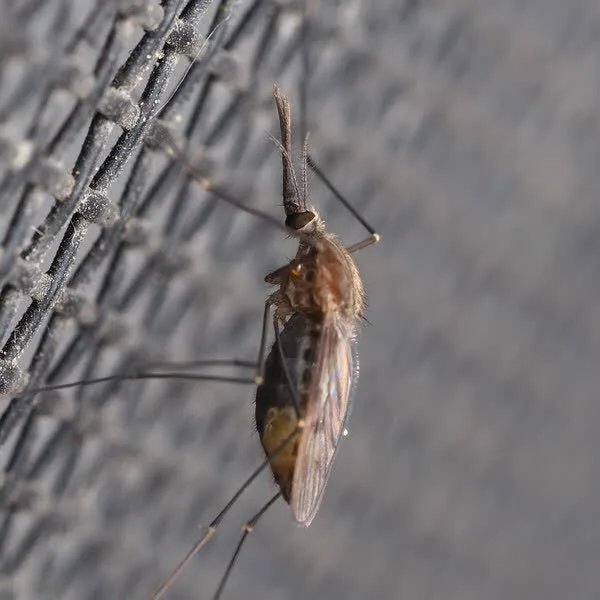

How Many Mosquito Species Are in Maryland?
The Maryland Department of Agriculture lists about 60 mosquito species in the state. The department names salt marsh mosquitoes, the Asian tiger mosquito, the inland floodwater mosquito, and Culex mosquitoes as some of the most important ones.
That number sounds scary. However, most of those species rarely bite people. Many feed on birds or frogs. Others live deep in swamps you’ll never walk through. In practice, the list in the table above covers nearly every mosquito bite around a Maryland home.
Asian Tiger Mosquito: Maryland’s Top Backyard Biter
If you get bitten on your deck in the middle of the afternoon, this is almost always the culprit. The Asian tiger mosquito is small, black, and marked with bright white stripes on its legs and back.
It bites during the day, especially in shade. Additionally, it stays low and goes for ankles and legs. It doesn’t need a pond. It breeds in tiny pockets of water, like flower pot saucers, kids’ toys, tarps, clogged gutters, and corrugated downspout extensions.
Northern House Mosquito: The Evening West Nile Carrier
The northern house mosquito is plain brown and easy to overlook. It bites mostly from dusk through the night, and it’s often the one buzzing in your ear in the bedroom.
It breeds in dirty, still water. Storm drains, catch basins, clogged yard drains, and neglected birdbaths are favorites. This matters because Culex mosquitoes like this one are important carriers of West Nile virus. Adult females also spend the winter tucked into basements, crawl spaces, and drains, which is why you sometimes see one indoors in January.
Inland Floodwater Mosquito: The One That Arrives After Rain
The inland floodwater mosquito lays eggs in low spots that dry out. When a big storm floods those spots, huge numbers hatch at once. That’s why you can have a quiet week, get a heavy rain, and then get swarmed about a week later.
These mosquitoes are strong fliers, so they can come in from fields and ditches well away from your property. Especially in summers with a lot of thunderstorms, they can be the main nuisance mosquito for a few weeks at a time.
Salt Marsh Mosquitoes: The Chesapeake Bay and Eastern Shore Problem
If you live near the Bay, a tidal river, or the coast, you’ll meet two more species. The eastern salt marsh mosquito and the black salt marsh mosquito breed in marsh pools that fill with high tides and rain.
Both are fierce biters, mostly around dusk. Additionally, they can fly long distances from the marsh, so they can hit neighborhoods well inland from the water. University of Maryland Eastern Shore Extension says at least 31 species are routinely found on the Eastern Shore, thanks to its fresh and brackish water and long, hot summers.
Other Maryland Mosquitoes Worth Knowing
- Common malaria mosquito: an Anopheles mosquito that breeds in ponds and marsh edges with lots of plants. It bites at night. Despite the name, malaria spread here is extremely rare.
- Asian bush mosquito: another Asian import that breeds in containers and rock pools. Adults are around from late April into October, but the females aren’t known as aggressive human biters.
- Culiseta melanura: a swamp mosquito that feeds mostly on birds. It matters because it helps keep eastern equine encephalitis (EEE) virus circulating among birds.
When Do Mosquitoes Come Out in Maryland?
Mosquito season in Maryland is longer than most people think. The state’s mosquito program runs surveillance from March through September. Here’s how a typical year plays out.
Breeding starts around the spring equinox in March. Overwintered eggs begin hatching in warm spells, and the first larvae show up in flooded low spots and containers. According to the state’s applicator training manual, one early species, Aedes canadensis, is usually the first mosquito out in spring. You usually won’t notice many bites yet.
Warm nights and spring rain push populations up. In my experience across the DMV, this is when homeowners start calling about daytime bites from Asian tiger mosquitoes. This is also the best time to find and remove breeding spots, before numbers explode.
Heat speeds up the life cycle, so each generation turns over in days. July and August are the worst months for bites and the main window for West Nile virus spread. Thunderstorms bring waves of floodwater mosquitoes too.
Mosquitoes don’t disappear on Labor Day. In fact, the Maryland Department of Agriculture notes that Asian tiger mosquito numbers build all summer and usually peak in early September. Breeding continues slightly past the fall equinox into October, and warm Septembers can feel like midsummer. Bites taper off as nights get cooler.
After a few hard frosts, bites stop. Northern house mosquito females wait out winter in sheltered places like basements and storm drains. Asian tiger mosquito eggs sit dry in containers until spring rain and warmth hatch them.
One of the most frustrating mosquito houses I’ve worked on had a yard that looked fine at first glance. We treated the shrubs and still couldn’t get the mosquitoes under control. Then I stepped over something in the lawn and felt it give. It was a drainage catch basin, so overgrown with grass you couldn’t see it. When we pulled the grass back, the pipes were clogged solid with roots and grass, and they were full of standing water and larvae.
The homeowner had a map of the drains, so we found every one. Once they were cleared and repaired, the problem went away. That’s why I always walk the whole yard looking for water before I treat anything.
Mosquito-Borne Diseases in Maryland
Most mosquito bites in Maryland are just itchy. Still, a few diseases are worth taking seriously.
West Nile virus is the main one. The Maryland Department of Health confirmed 23 human cases in 2025, and it announced the first human case of 2026 on July 31 in the Capital Region. Most infected people have no symptoms, but people over 50 and those with weaker immune systems can get seriously ill.
Eastern equine encephalitis (EEE) is rare but severe. It circulates mainly among birds and swamp mosquitoes, and state and local agencies watch for it every summer.
Malaria made news in 2023. The CDC documented one locally acquired case in Maryland’s National Capital Region that August. It was a single, unusual case, and it doesn’t mean malaria is spreading here.
Only female mosquitoes bite. They need the protein in blood to make eggs, and one blood meal can produce up to 300 eggs. Mosquitoes pick up viruses like West Nile from infected birds, then pass them to people during a later bite. That’s why health departments track dead birds and test trapped mosquitoes every summer.
Does Maryland Spray for Mosquitoes?
Yes, in many areas. The Maryland Department of Agriculture’s Mosquito Control Program serves about 2,100 communities in 16 counties. It uses a mix of methods:
- Source reduction, like managing marsh water so it doesn’t breed mosquitoes
- Biological control, such as mosquito-eating fish
- Larvicides, including Bti, which targets mosquito larvae
- Adult spraying from trucks, and from aircraft in some marsh areas
- Public education on dumping standing water
If your community participates, you can file a service request through the department’s online complaint form. You can also send a signed exemption request if you don’t want truck spraying near your property. Keep in mind the state can suspend exemptions when there’s a disease threat. Additionally, some counties and cities run their own programs, so check with your local government first.
What Actually Works Against Mosquitoes in Maryland
Community spraying helps. However, the mosquitoes biting you on your patio usually grew up within a short flight of your yard. These steps make the biggest difference.
Walk your whole property, including the side yards. Look at gutters, downspout extensions, tarps, tires, toys, trash can lids, flower pot saucers, and yard drains. University of Maryland Extension says mosquitoes can breed in as little as one teaspoon of water.
Mosquitoes can go from egg to adult in as little as four days in hot weather. So once a week isn’t always fast enough in July. Tip out containers twice a week, and rinse birdbaths every few days.
For rain barrels, ornamental ponds, and water features, use mosquito dunks with Bti. Bti targets mosquito larvae and is widely used in public mosquito programs. Mosquito fish or goldfish can also help in ponds.
Use an EPA-registered repellent with DEET, picaridin, or oil of lemon eucalyptus. Wear long, loose sleeves when you work in shady areas, especially during the day when tiger mosquitoes are active.
Some yards have dense shrubs, wooded edges, or hidden drains that keep feeding mosquitoes all summer. That’s when a recurring treatment plan makes sense.
When to Call a Professional
Honestly, no treatment removes every mosquito. Mosquitoes fly in from neighboring yards, woods, and marshes. However, a good program can cut the numbers way down so you can use your yard again.
Our own family’s backyard had a serious mosquito problem because of thick plants and moisture. We built our mosquito program by testing what worked in our yard. What finally made the difference was combining In2Care traps with a targeted spray to the shrubs and plants where mosquitoes rest. Our licensed technicians also walk each yard looking for breeding spots, because treating without fixing the water only goes so far.
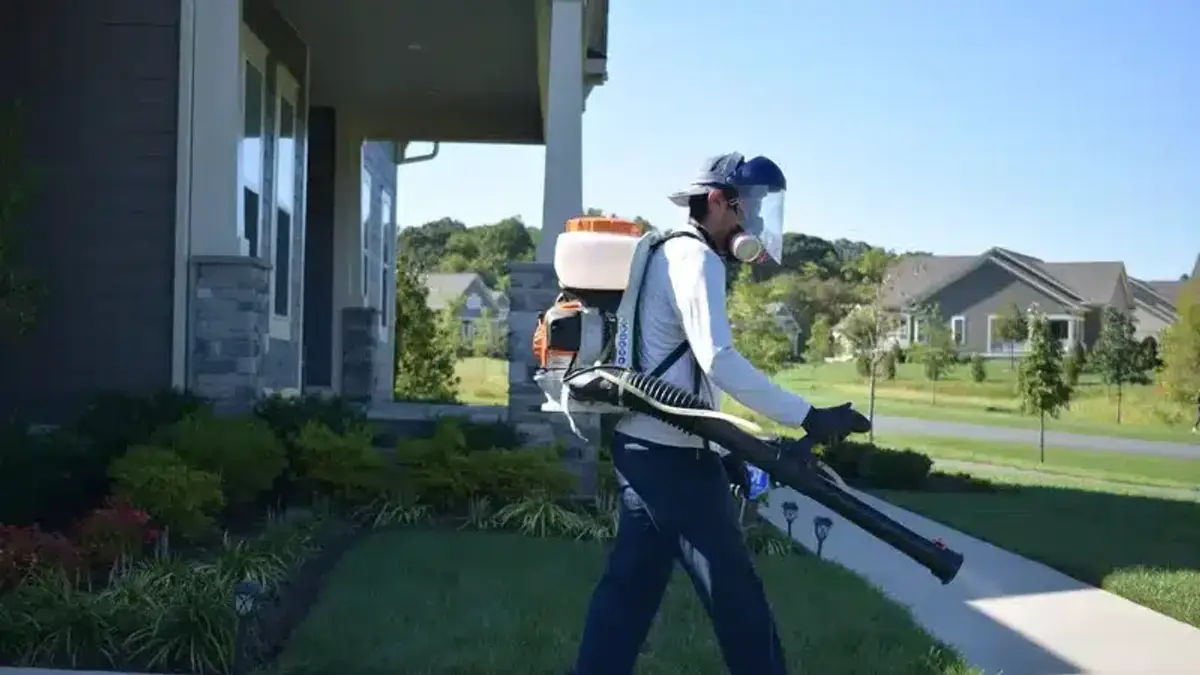
Our mosquito control service starts at $75 per service, and pricing rises with yard size. Seasonal plans bring the per-visit cost down. We serve Maryland communities including Bethesda, Silver Spring, Rockville, Columbia, Frederick, Urbana, Bowie, and Waldorf.
We’ve been in the industry for 58 years, have over 1,800 reviews, and are members of the Maryland Pest Management Association.
Keep Maryland Mosquitoes From Taking Over
Maryland mosquitoes start breeding in March, peak in July and August, and hang on into October. The Asian tiger mosquito does most of the backyard biting, while house mosquitoes, floodwater mosquitoes, and salt marsh mosquitoes each fill in at different times and places. Dumping water twice a week is the single most useful thing you can do.
If you’ve done the work and you’re still getting bitten, we can help. Call us at 703-683-2000 or email info@bettertermite.com to ask a question or get an estimate.