Southern Lyctus Beetle Identification Guide
Lyctus planicollis
The southern lyctus beetle is a small true powderpost beetle whose larvae tunnel through the starchy sapwood of seasoned hardwoods, leaving pinhole exit holes and fine, flour-like powder on floors, trim, and furniture.
Taxonomy
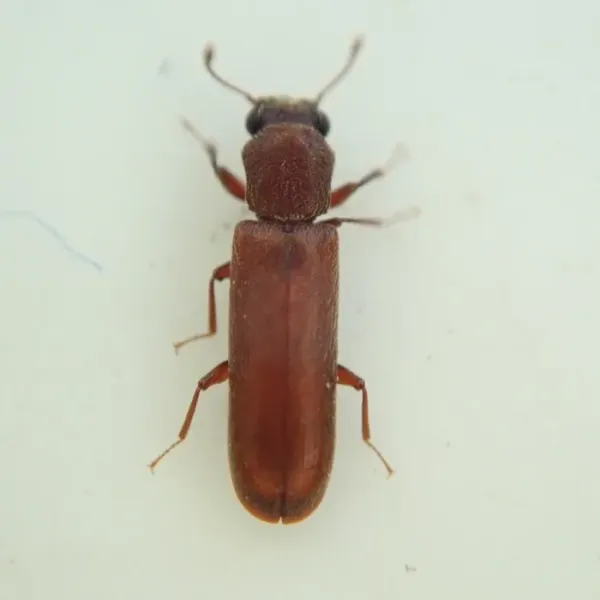
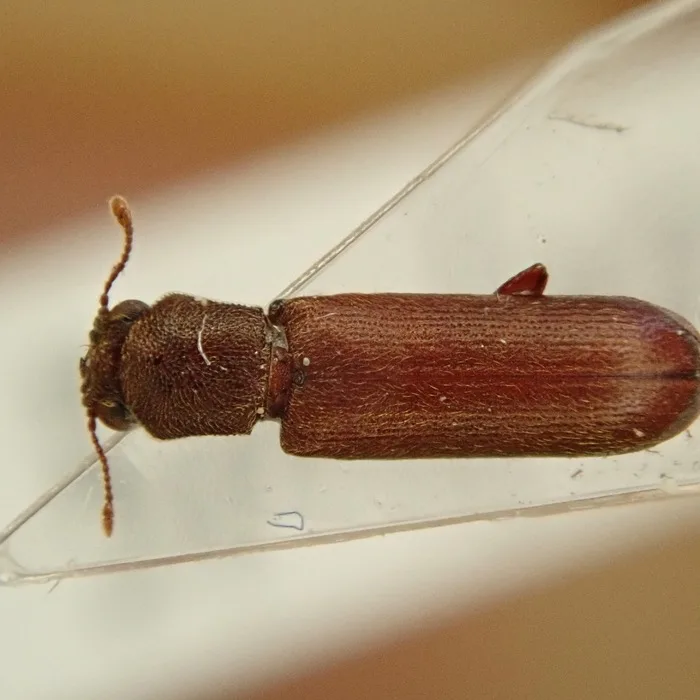
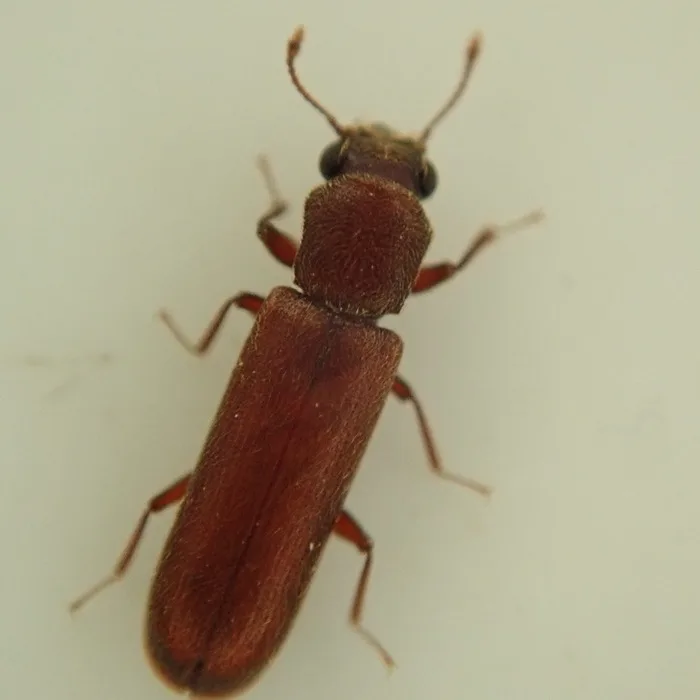
Southern Lyctus Beetle Coloration
Common color patterns to help identify southern lyctus beetle
Southern Lyctus Beetle
Seasonal Activity
When southern lyctus beetle are most active throughout the year

Where Southern Lyctus Beetle Are Found
Hover over states to see their names. Green regions indicate where southern lyctus beetle have been reported.
Southern Lyctus Beetle Identification Guide
Physical Characteristics
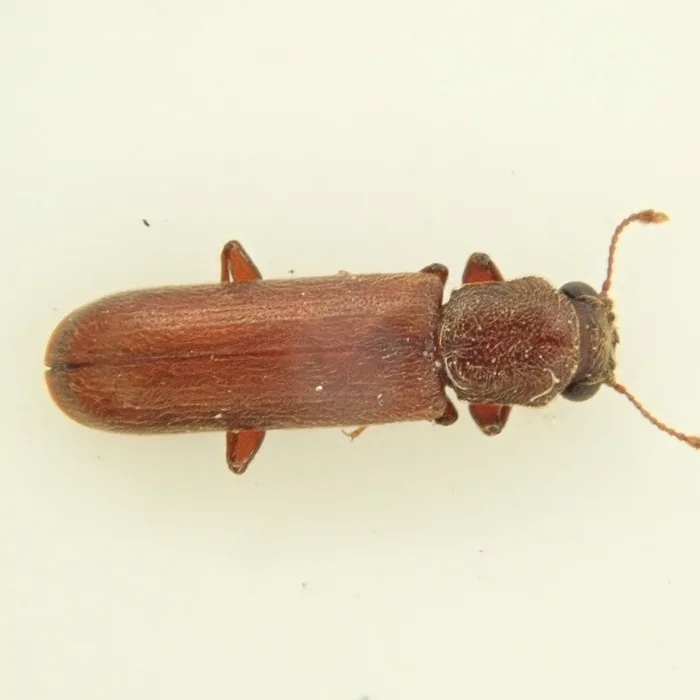
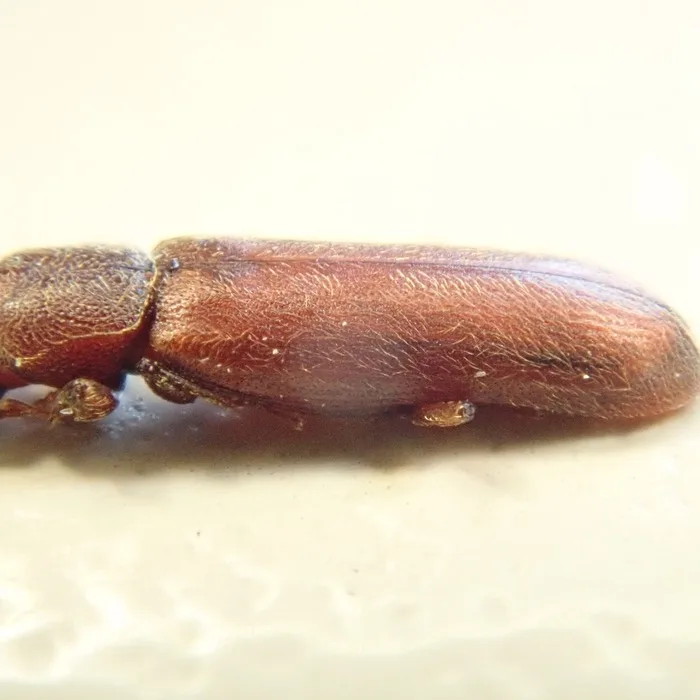
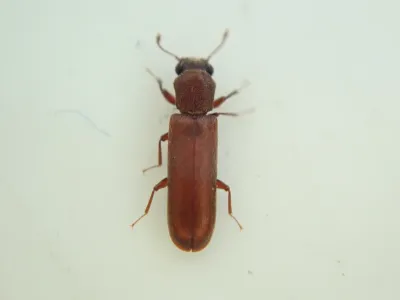
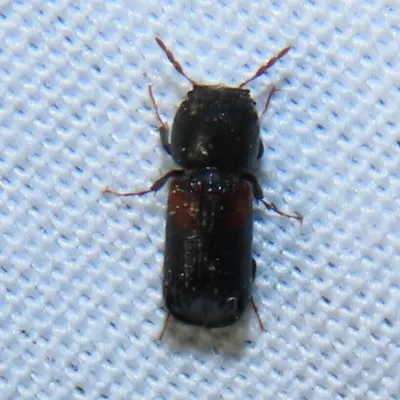
The southern lyctus beetle is small and easy to miss. Adults are about 4 to 6 mm long, or roughly 1/6 to 1/4 inch. They range from reddish-brown to nearly black. The body is narrow, flat, and almost the same width end to end. It looks like a tiny grain of dark rice with legs.
Three features separate it from most other wood-boring beetles:
- The head is visible from above. Unlike deathwatch beetles and bostrichids, the thorax does not hood over the head.
- The antennae end in a two-segmented club. This is the classic lyctid marker, though you need a hand lens to see it.
- The wing covers carry fine rows of punctures running the length of the body.
Larvae are creamy white, C-shaped grubs. They have brown heads and three pairs of very short legs. You will almost never see one. They spend their whole lives inside the wood.
The damage is easier to spot than the beetle. Exit holes are round and about 1/16 inch across, as if someone pushed a pin through the surface. Under them you find the real clue. It is a loose, pale powder as fine as flour, and it sifts out when you tap the wood.
Common Species
Several true powderpost beetles in the subfamily Lyctinae occur across North America and are difficult to tell apart without a microscope:
- Southern lyctus beetle (Lyctus planicollis) is the species reported most often in the southern states. It also turns up in hardwood flooring nationwide. Some catalogs treat it as a close relative of, or the same species as, Lyctus carbonarius, so older sources may use either name.
- Brown powderpost beetle (Lyctus brunneus) is found worldwide in imported hardwoods and finished goods.
- European lyctus beetle (Lyctus linearis) is established in parts of North America and behaves much the same way.
- Western lyctus beetle (Lyctus cavicollis) is most often reported from the western states, especially in oak.
- Velvety powderpost beetle (Trogoxylon parallelipipedum) is a close relative found in dry hardwood and sometimes in stored products.
All of them attack the same woods and leave the same fine powder. Treatment does not change from one species to the next.
Southern Lyctus Beetle Behavior and Biology
Habitat
Southern lyctus beetles live inside seasoned hardwood. Most infestations start in a lumber yard, mill, or storage rack. That happens long before the wood becomes a floor or a table. The beetle then rides into the home inside the finished product.
Indoors, they gather wherever bare hardwood sapwood is exposed. Common spots are the underside of flooring, unfinished trim, the backs of cabinets, crating, tool handles, and hardwood paneling. They rarely touch house framing. Pine, fir, and spruce lack the pore size and starch they need.
Diet
The larvae eat starch, sugar, and protein stored in hardwood sapwood. Only certain woods hold enough of it. The beetle needs large-pored hardwoods: oak, ash, hickory, pecan, walnut, poplar, maple, and mahogany. Heartwood has too little starch. So does wood that has aged more than about five years past drying. Old floors are usually attacked only in newer patches or replacement boards.
Adults chew their way out but do little feeding of their own. Essentially all of the damage is done by larvae.
Life Cycle
Females lay eggs in the open pores on the surface or cut ends of bare hardwood. A sealed or painted surface blocks that. It is the single most useful fact for prevention.
Eggs hatch in one to three weeks. The larvae tunnel with the grain and push fine powder behind them as they feed. The larval stage usually lasts three months to a year. It runs longer in cool rooms or in wood with little starch. The beetle pupates in a chamber just under the surface, then chews a round exit hole on its way out.
In the mid-Atlantic, adults come out mostly from late spring through late summer. June through August is the peak. In heated buildings and in the deep South, they can emerge for much of the year. Warm conditions also speed up development, so generations overlap.
Re-infestation
Here lyctids differ from the bostrichids on our false powderpost beetle page. False powderpost beetles seldom return to wood they already left. Southern lyctus beetles lay eggs in the same wood again as long as starch remains. An untreated hardwood floor can give off new beetles for several years. Do not wait out an active lyctid infestation.
Treatment Methods for Southern Lyctus Beetles
Powderpost beetles are not part of the pest coverage in our regular service plans. The methods below are what work against lyctid beetles in general. They will tell you what to expect from a wood-treatment or fumigation specialist.
- Confirm the infestation is active. Vacuum up all powder, circle every hole in pencil, and check again over four to eight weeks. New holes or fresh powder mean live larvae. Old, dark holes with no new powder mean the beetles are long gone.
- Find and isolate the source. Trace the damage to one item or one run of wood. It is often a single crate, one piece of imported furniture, or one section of new flooring rather than the whole house.
- Replace or remove badly damaged wood. For one board, a stack of trim, or a piece of crating, tossing it out is usually faster and cheaper than any treatment.
- Borate wood preservatives soak into bare wood and kill larvae as they feed. They only work where the wood is unsealed and you can reach it. That makes them a fit for floor undersides, crawl-space wood, and raw lumber rather than finished surfaces.
- Heat or freezing for small items. Heating wood all the way through to about 130 to 140 degrees Fahrenheit for several hours kills every life stage. So does freezing a small object near 0 degrees Fahrenheit for a week or more. Neither leaves chemical residue.
- Fumigation is the option for severe, widespread infestations in valuable wood. It reaches larvae deep in the timber. It leaves no lasting protection, so pair it with sealing or replacement. Only a licensed structural fumigator can do it.
- Prevention that holds. Buy kiln-dried hardwood. Seal every exposed hardwood surface. Keep imported wood items apart for a few months before you bring them fully indoors.
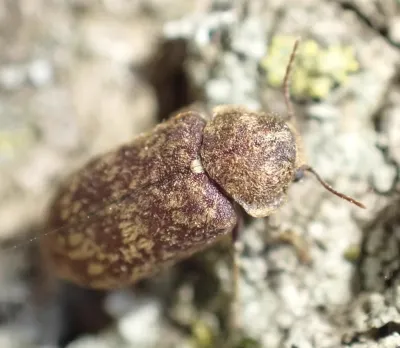
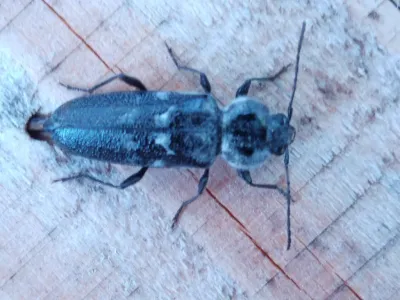
Not sure whether the holes in your wood are beetles or something worse? That is worth a professional look. Round pinholes with loose powder point to beetles. Mud tubes, blistered paint, and hollow-sounding wood point to termites, and our termite control team handles those. Our pest control plan covers the carpet beetles, cigarette beetles, and ground beetles that people often mistake for wood borers.
References
- Southern Lyctus Beetle, Lyctus planicollis (University of Florida IFAS Featured Creatures)
- Powderpost Beetles (University of Kentucky Entomology)
- Powderpost Beetle, Lyctus spp. (Oklahoma State University Extension)
- Powderpost Beetles in Hardwood Floors (Mississippi State University Extension)
- Wood-Destroying Insects and Their Control (USDA Forest Service)
Other Wood Boring Beetles
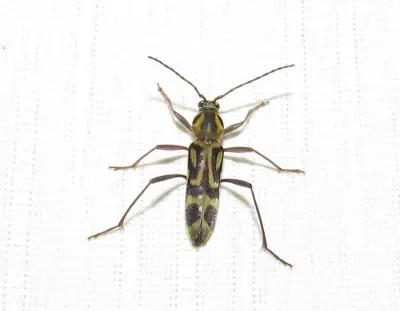
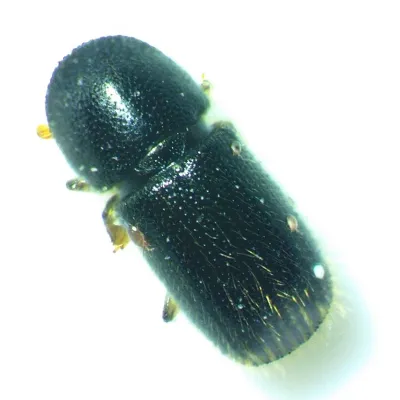
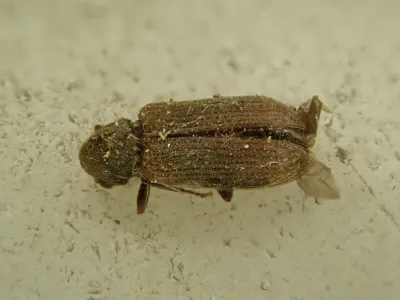
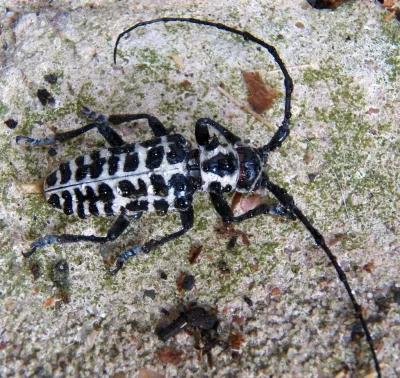
Explore other species in the wood boring beetles family
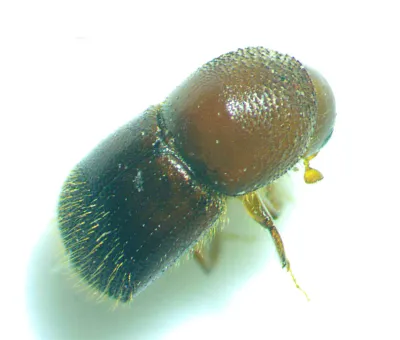
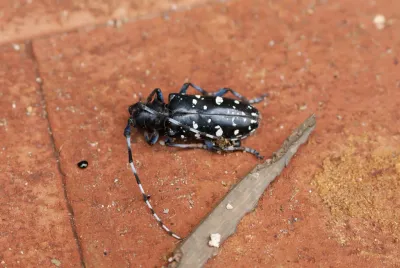
Commonly Confused With
Southern Lyctus Beetle are often mistaken for these similar pests
Where Southern Lyctus Beetle Are Found
Hover over states to see their names. Green regions indicate where southern lyctus beetle have been reported.
Common Questions about Southern Lyctus Beetle
What is a southern lyctus beetle?
+
The southern lyctus beetle (Lyctus planicollis) is a true powderpost beetle about 4 to 6 mm long. Its larvae feed on the starch in the sapwood of hardwoods like oak, ash, hickory, and maple. As they tunnel, they turn the wood into a fine powder. It is the lyctid reported most often in the southern United States. It also shows up nationwide in hardwood flooring, trim, cabinets, and furniture.
How do I know if I have southern lyctus beetles instead of termites?
+
Powderpost beetle damage shows up as round exit holes about 1/16 inch across. Small mounds of very fine powder sit under them. Subterranean termites do not make exit holes in wood surfaces. They build mud tubes, and their galleries are packed with soil. Clean pinholes plus loose powder that feels like baby powder point to a lyctid beetle.
What wood do southern lyctus beetles attack?
+
Only hardwoods with large pores and enough stored starch. Oak, ash, hickory, pecan, walnut, maple, poplar, and imported woods like mahogany are all at risk. They attack sapwood, not heartwood. They almost never infest pine, fir, or other softwood framing. The wood is usually under five years past drying, since older wood holds too little starch.
Where did the beetles in my house come from?
+
Nearly always from the wood itself. Eggs are laid in lumber yards, mills, or storage. That happens before the wood is milled into flooring, molding, or furniture. The infestation rides into the house inside the finished product. You often notice it a year or more later, when the adults chew their way out. Adults can also fly to lights at night and lay eggs on nearby bare hardwood.
Are the exit holes I see new or old?
+
Fresh holes have sharp, light-colored edges and a small pile of pale powder below them. Old holes look dark, dusty, and worn, with no new powder. Here is a simple test. Vacuum the area, circle every hole in pencil, and check again over the next few weeks. New holes or new powder mean the infestation is still active.
How long does a southern lyctus beetle infestation last?
+
One generation usually takes about nine months to a year indoors. It takes longer in cool wood or wood with little starch. Adults also lay eggs in the same wood again. So an untreated hardwood floor or stack of trim can give off beetles year after year. It stops when the starch runs out or the wood is treated, sealed, or replaced.
Do southern lyctus beetles bite people or damage anything besides wood?
+
No. Adults do not bite, sting, or carry disease, and they do not feed on fabric, food, or paper. The damage is all to the wood itself. Badly infested flooring, stair treads, and tool handles can be weakened enough to fail. An active infestation is worth fixing rather than ignoring.
Can I prevent powderpost beetles when building or remodeling?
+
Yes. Use kiln-dried hardwood. Seal every exposed hardwood surface with paint, varnish, polyurethane, or wax. Female lyctids need open wood pores to lay eggs in, so a finish blocks them. Keeping crawl spaces and basements dry also lowers the wood moisture these beetles prefer.

With five years of hands-on experience in the pest control industry, George Schulz is a registered technician with the Virginia Pest Management Association and a proud third-generation professional in a family business that's been protecting homes for over 58 years. He manages and trains a team of service pros while also leading internal research efforts—recently spearheading a deep-dive review of thousands of documents on pest control materials to hand-pick the most kid and pet friendly, most effective solutions tailored specifically for homes in the DC metro area.
Local Southern Lyctus Beetle Help
Dealing with southern lyctus beetle at home? Our licensed technicians provide pest control across Northern Virginia and Maryland.
