Snow Fleas Identification Guide
Hypogastrura nivicola
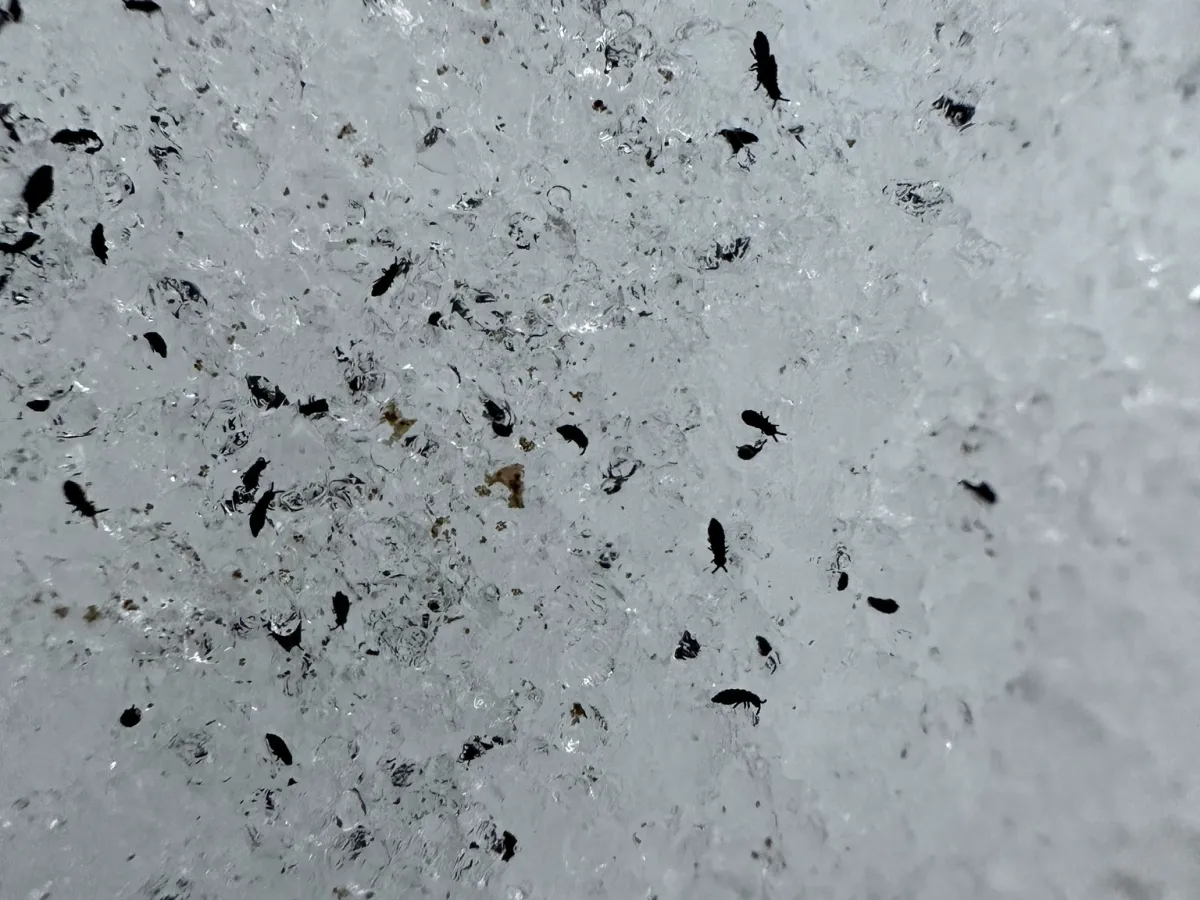
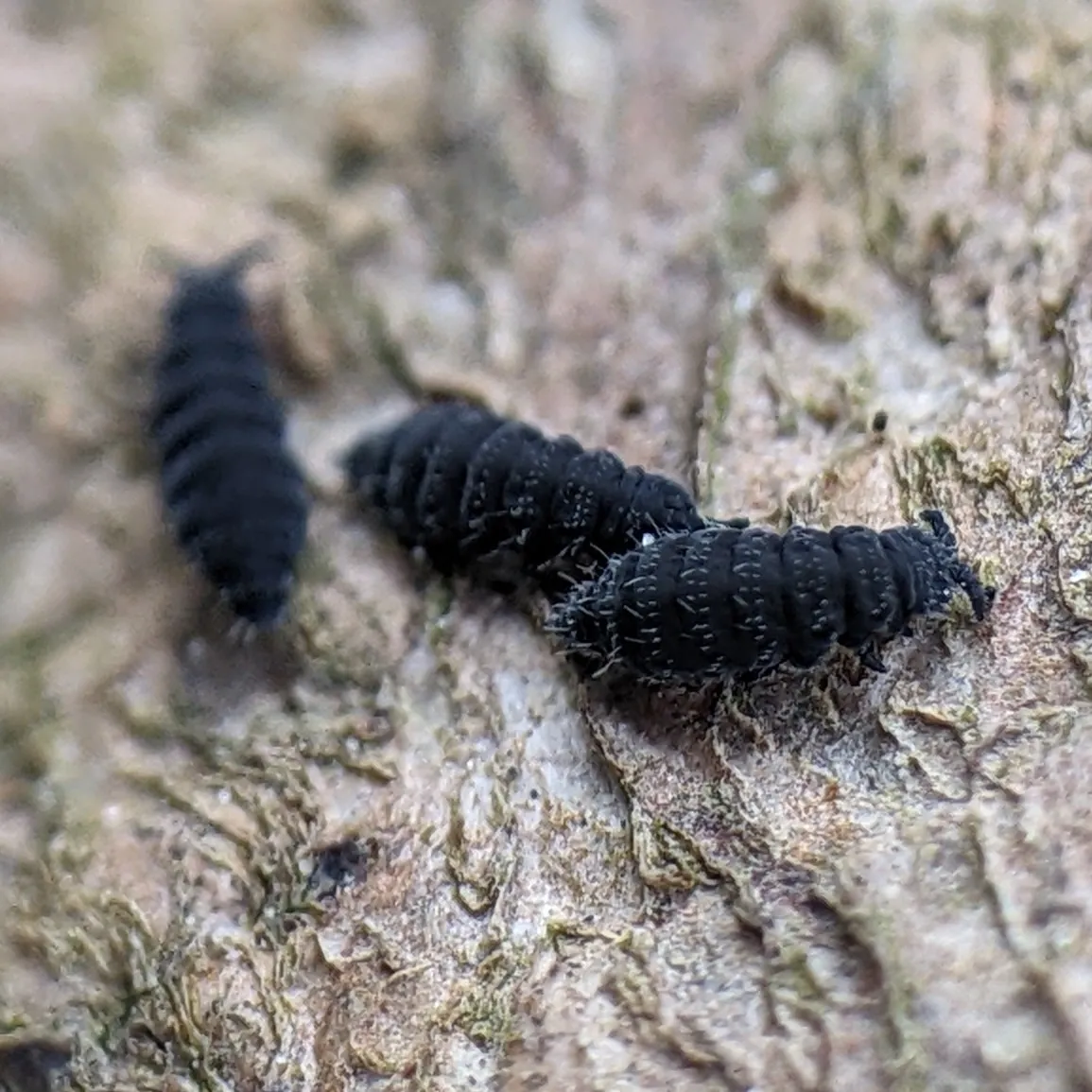
Snow fleas are tiny dark springtails, not true fleas, that swarm on melting snow in late winter. They look like scattered pepper, jump instead of fly, and never bite people or pets.
Taxonomy
Snow Fleas Coloration
Common color patterns to help identify snow fleas
Snow Fleas
Seasonal Activity
When snow fleas are most active throughout the year

Where Snow Fleas Are Found
Hover over states to see their names. Green regions indicate where snow fleas have been reported.
Snow Fleas Identification Guide
Have you seen what looks like black pepper sprinkled on the snow during a late-winter thaw? You have probably met snow fleas. Look closer and the “pepper” starts to jump. Despite the name, these are not fleas at all. They are springtails, tiny soil animals that do not bite, do not live on pets, and do not damage homes.
Physical Characteristics
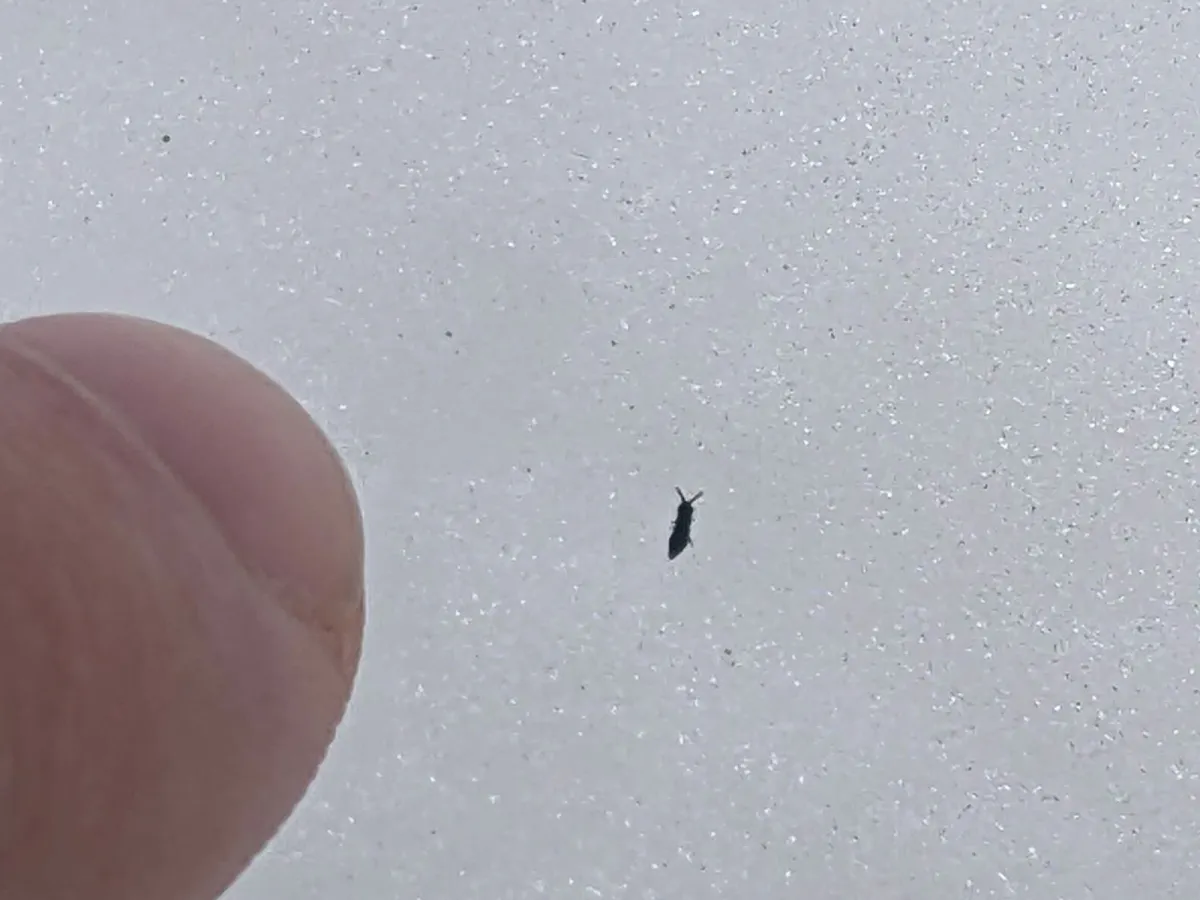
- Size: About 1 to 2 mm long, roughly the size of a pepper flake or the tip of a pencil.
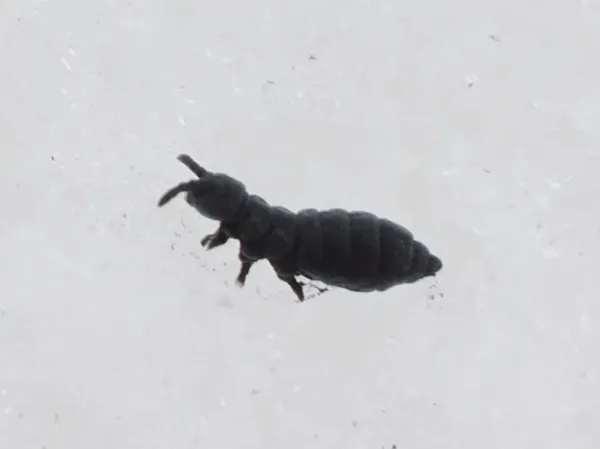
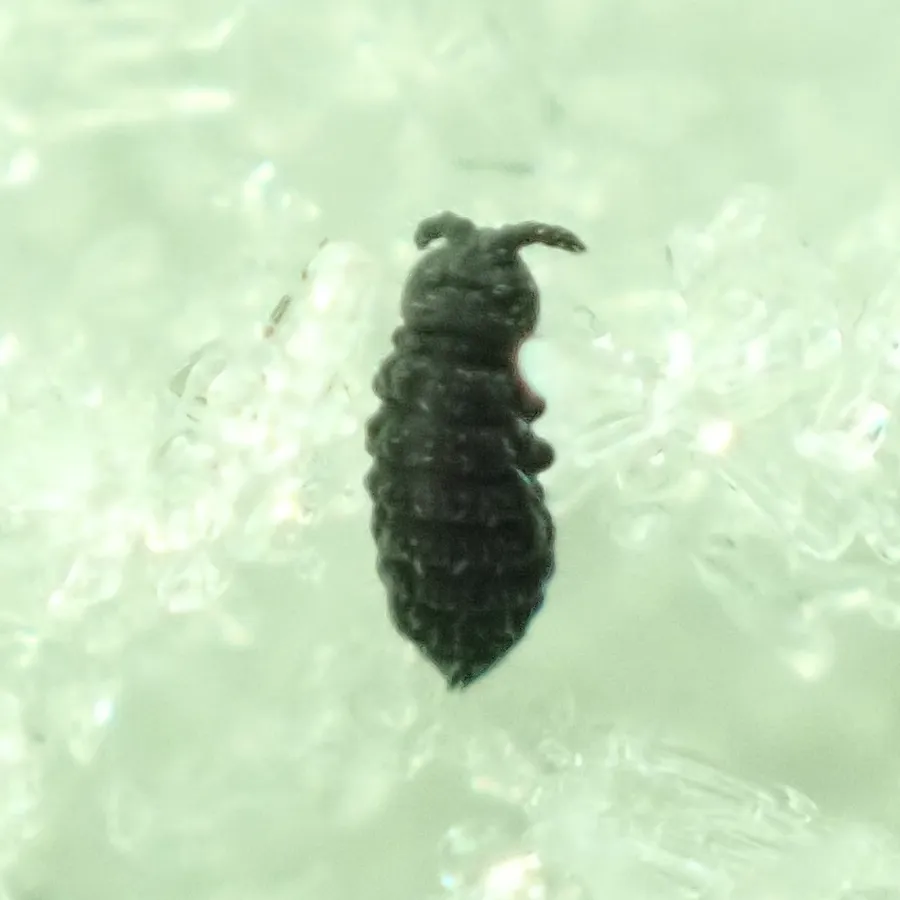
- Color: Dark blue-gray to sooty black. In bright sunlight on snow they look solid black.
- Body shape: Plump, soft, and slightly segmented, with a rounded rear end. Not flattened like a true flea.
- Antennae: Short, thick antennae, a little shorter than the head.
- Wings: None. Snow fleas cannot fly.
- Jumping organ: A forked tail called a furcula folds under the belly. When it snaps down, the snow flea launches itself several inches into the air.
Two features separate snow fleas from biting fleas: body shape and location. True fleas are hard, shiny, and reddish-brown. Their bodies are flat from side to side so they can slip through animal fur. Snow fleas are soft, dull, dark, and round, and they show up in huge numbers on snow, not on your dog.
Common Species
“Snow flea” is a common name used for several dark springtails that gather on snow. The best-known in North America include:
- Hypogastrura nivicola: the classic snow flea of the eastern United States and Canada, sooty black to blue-gray.
- Hypogastrura harveyi: a close relative that also forms dark swarms on snow. Telling it apart takes a microscope.
- Hypogastrura armata: sometimes called the snowmelt springtail. In Maine it is often rusty red rather than black.
- Ceratophysella species: related springtails that may also appear on snow and damp bark.
For most homeowners, the exact species does not matter. If it is tiny, dark, jumping, and sitting on snow, it is a harmless snow-active springtail.
Snow Fleas Behavior and Biology
Habitat
Snow fleas live in moist leaf litter, moss, rotting logs, and the top layer of forest soil. They are most common in wooded yards and along forest edges in the Northeast, Upper Midwest, and southern Canada. Around the DMV, they turn up in shaded, leafy areas during the colder, snowier winters. Surveys have recorded them from Maine and Minnesota to Ontario, Quebec, Alberta, and British Columbia.
Diet
Snow fleas eat fungi, fungal spores, algae, bacteria, pollen, and decaying plant matter. They do not eat living plants, wood, stored food, or blood. They feed on the dead leaves and fungi that build up in wooded yards.
Why They Swarm on Snow
Snow fleas stay active all winter under the snow, where the soil stays just above freezing. On mild, sunny days near 32°F, they crawl up through the snowpack. They often come up where snow has melted back around tree trunks. They may be moving to new feeding areas or looking for mates. Snow fleas also make a special antifreeze protein. It keeps ice crystals from forming in their bodies.
The swarms often collect in footprints, ski tracks, and low spots in the snow, where they can look like patches of soot. When the temperature drops again, they move back down into the leaf litter.
Life Cycle
- Eggs: Laid in soil and leaf litter in spring after the snow melts.
- Young: Hatch in late spring and look like small adults. There is no larva or pupa stage.
- Growth: Young snow fleas molt several times and keep molting even as adults.
- Adults: Become most visible from late winter into early spring. Some populations also form large groups on the forest floor in fall.
Most of the year, snow fleas are still there, just out of sight in the soil. Snow simply makes them easy to see.
Do Snow Fleas Cause Harm?
No. Snow fleas do not bite, sting, spread disease, or damage plants or buildings. Most people look them up after seeing thousands of “fleas” on the snow. They worry about their pets or home. Snow fleas pose no risk to either.
How We Treat for Snow Fleas
Snow flea swarms on open snow fade on their own. They head back into the soil when the snow melts or the weather turns cold. Springtail treatment is focused on the house itself, because products are applied near the structure, not across snow or woods.
The real concern is springtails inside your home. Indoor springtails are usually a different species. They almost always point to a moisture problem. That is where our springtail control program comes in:
- Inspection: A technician checks your basement, crawl space, bathrooms, and foundation to find the damp spots where springtails are breeding and how they are getting in.
- Treatment: We apply EPA-registered products to active areas and around the foundation and mulch beds, then return on a regular schedule, with free callbacks between visits if springtails come back.
- Moisture guidance: We point out the fixes that matter most, such as a leaking pipe, a damp crawl space that needs a dehumidifier, or soil that slopes toward the house.
Is It Snow Fleas or Real Fleas?
Use this quick check:
- On snow or bark outdoors, in large groups, dark gray to black? Snow fleas. They do not bite and will not infest your pets.
- On your pet, in pet bedding, or causing itchy bites on ankles? Likely cat fleas or dog fleas. These do need treatment, and our flea control service can help.
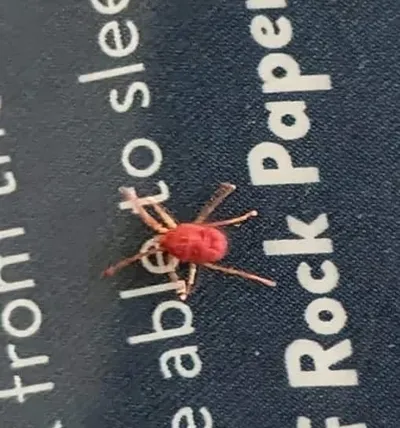
- Tiny red specks crawling on a sunny wall or window in early spring? Probably clover mites.
- Tiny jumping bugs in a damp bathroom or basement? Indoor springtails, which signal excess moisture.
Prevention Tips for Indoor Springtails
- Run a dehumidifier in damp basements and crawl spaces.
- Fix leaking pipes, faucets, and condensation on cold water lines.
- Keep gutters clean and downspouts draining away from the house.
- Keep mulch and leaf piles a few inches back from the foundation.
- Let houseplant soil dry out between waterings.
- Shake off firewood and boots before bringing them inside.
References
- Snow Flea, University of Minnesota Department of Entomology
- Springtails, University of Minnesota Extension
- Springtails, Penn State Extension
- Springtails and Snowfleas, Maine Forest Service
- Overland Migration of Collembola (Hypogastrura nivicola) Colonies, Harvard Forest
- Hypogastrura nivicola, Integrated Taxonomic Information System (ITIS)
Other Other Pests
Explore other species in the other pests family
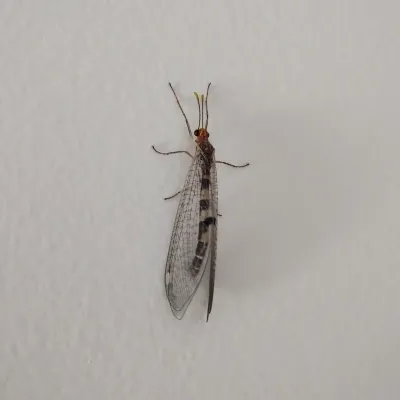
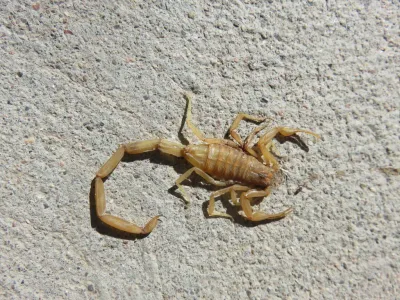
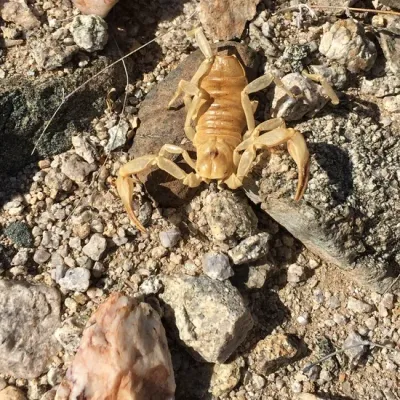
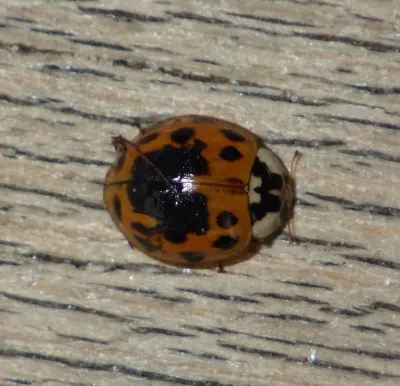
Commonly Confused With
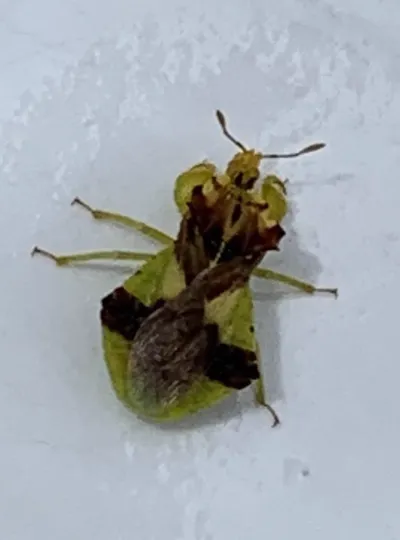
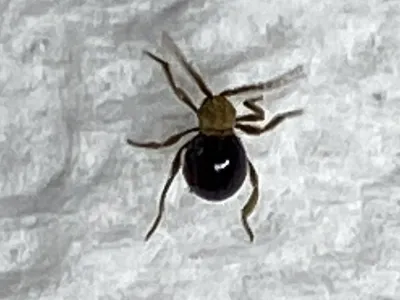
Snow Fleas are often mistaken for these similar pests
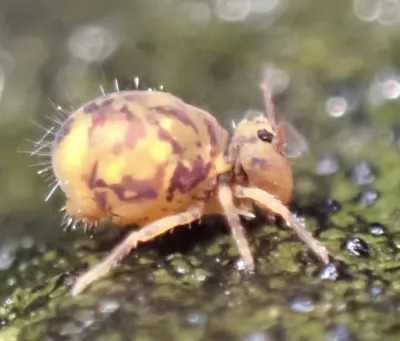
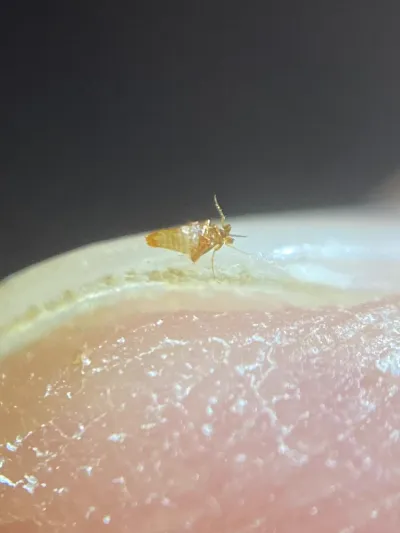
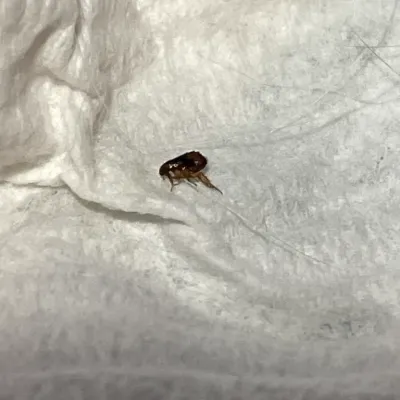
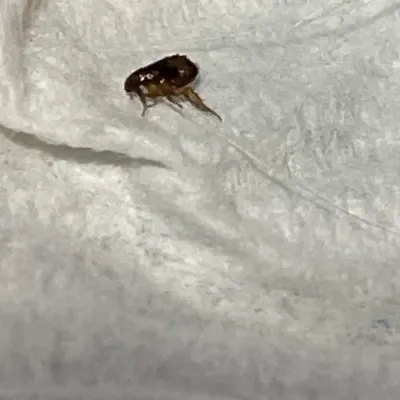
Where Snow Fleas Are Found
Hover over states to see their names. Green regions indicate where snow fleas have been reported.
Common Questions about Snow Fleas
Are snow fleas actually fleas?
+
No. Snow fleas are springtails, a group of tiny six-legged soil animals. They got the name because they jump like fleas. Real fleas are hard, flat, reddish-brown parasites that live on animals and bite. Snow fleas are soft, dark blue-gray decomposers that eat fungi and rotting leaves.
Do snow fleas bite people or pets?
+
No. Snow fleas do not bite or sting, and they do not live on dogs, cats, or people. If you find jumping bugs on your pet or get small itchy bites indoors, you are likely dealing with cat or dog fleas instead.
Why do snow fleas show up on snow in winter?
+
Snow fleas live in leaf litter and soil all year. On mild winter days near freezing, they climb up through the snow. They often come up around tree trunks. The dark swarms stand out against white snow. That is why most people only notice them in late winter.
Can snow fleas come into my house?
+
Rarely. Snow fleas are outdoor animals that need cold, moist leaf litter. A few may ride in on boots or firewood, but they dry out and die fast indoors. If you keep finding springtails inside, you likely have a moisture problem, such as a damp basement or crawl space.
Can snow fleas be treated in the yard?
+
Springtail treatments go close to the house. They target the foundation and mulch beds, where springtails can move indoors. Pest control products are not sprayed across open snow or wooded areas. Snow-surface swarms also fade on their own once the snow melts or the weather turns cold again.
How can I tell snow fleas from other tiny black bugs on snow?
+
Look closely. Snow fleas are the size of a pepper flake. They gather in large groups and pop into the air when you touch the snow near them. Specks that do not move are usually soot, seeds, or dirt. Tiny red specks crawling on a sunny wall in early spring are more likely clover mites.
Can Better Termite help if springtails are getting inside?
+
Yes. Springtails living inside a home are a sign of excess moisture. Our springtail control program starts with an inspection to find the moisture source. Then we treat the areas where they breed. Follow-up visits are part of the plan, with free callbacks between them.

With five years of hands-on experience in the pest control industry, George Schulz is a registered technician with the Virginia Pest Management Association and a proud third-generation professional in a family business that's been protecting homes for over 58 years. He manages and trains a team of service pros while also leading internal research efforts—recently spearheading a deep-dive review of thousands of documents on pest control materials to hand-pick the most kid and pet friendly, most effective solutions tailored specifically for homes in the DC metro area.
Local Other Pests Help
Dealing with other pests at home? Our licensed technicians provide pest control across Northern Virginia and Maryland.
