Pecan Weevil Identification Guide
Curculio caryae
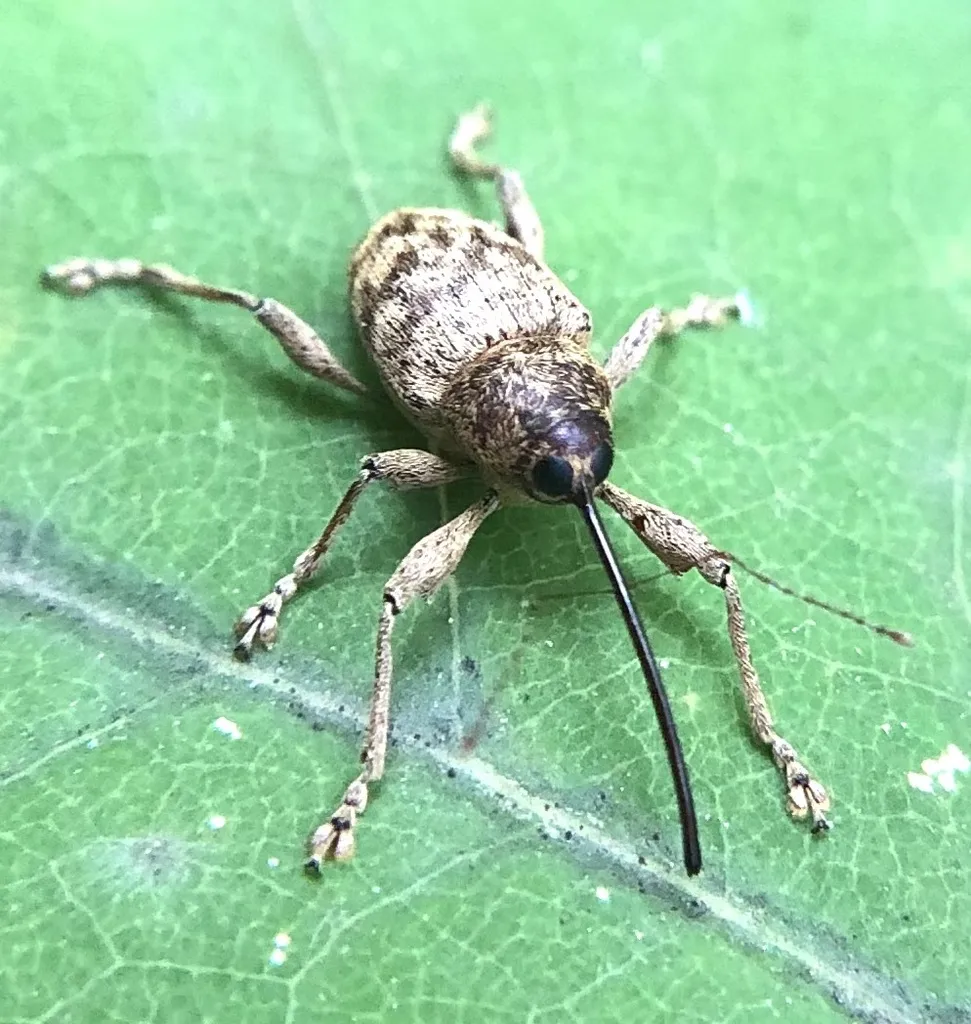
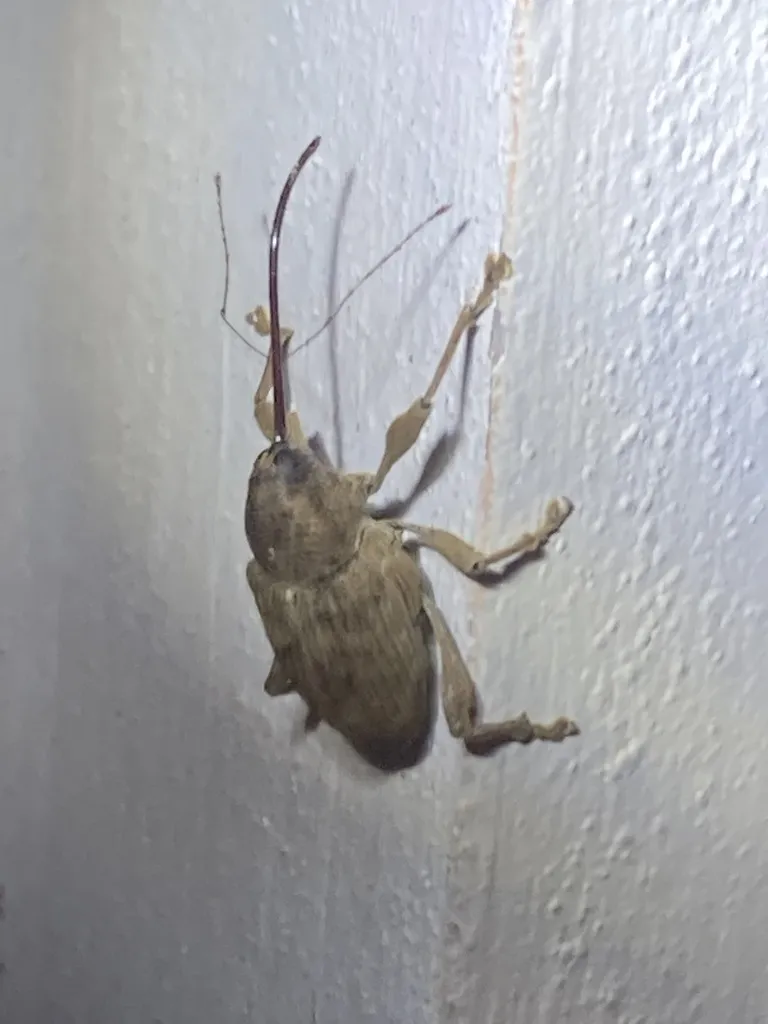
Pecan weevils are brown, long-snouted beetles about 3/8 inch long that lay eggs in pecan and hickory nuts in late summer. Their cream-colored grubs eat the kernel, chew a round exit hole, and often turn up crawling out of nuts gathered and brought indoors.
Taxonomy
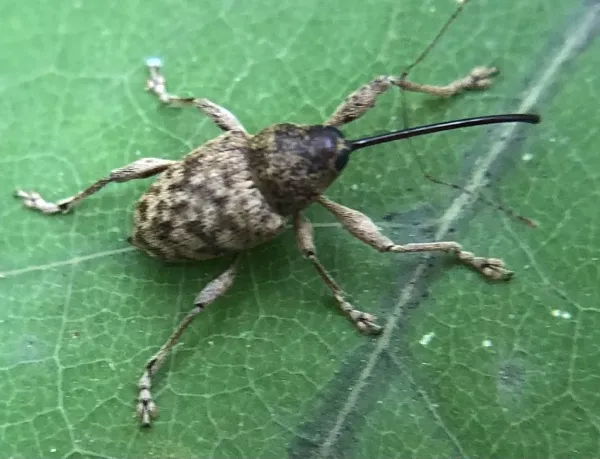
Pecan Weevil Coloration
Common color patterns to help identify pecan weevil
Pecan Weevil
Seasonal Activity
When pecan weevil are most active throughout the year

Where Pecan Weevil Are Found
Hover over states to see their names. Green regions indicate where pecan weevil have been reported.
Pecan Weevil Identification Guide
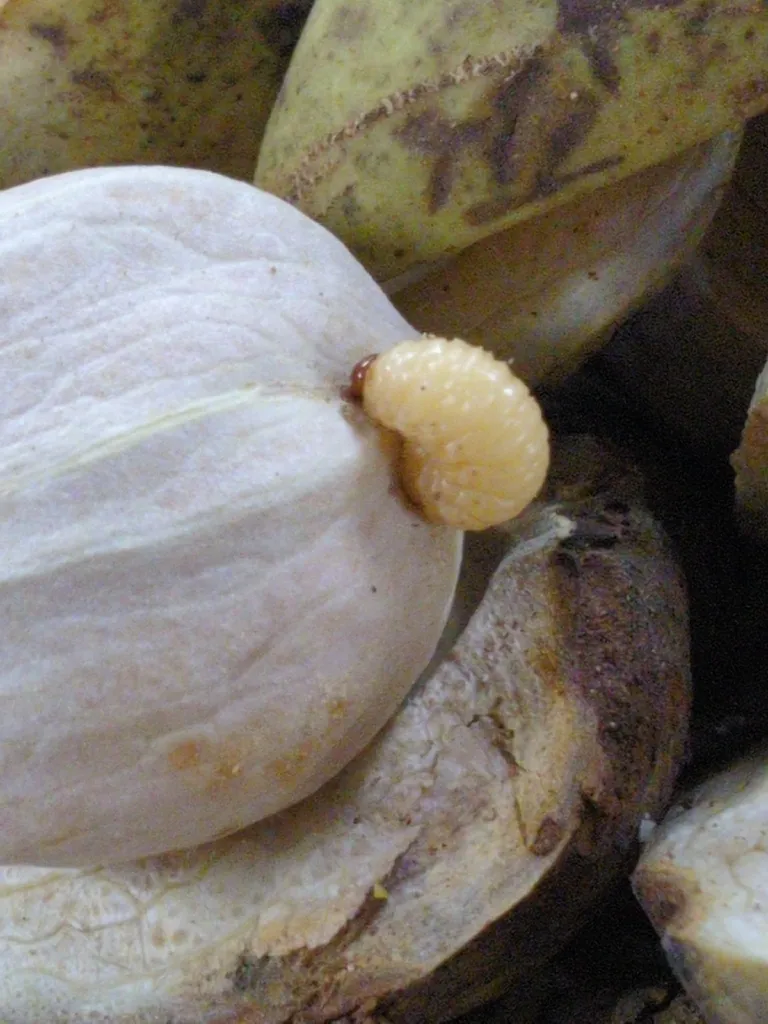
The pecan weevil is a native snout beetle that lives on pecan and hickory trees across the eastern and central United States. It is the most serious late-season pest of pecans. Most homeowners never see the adult. They meet the grub instead. It is a fat, cream-colored larva that crawls out of a pecan or hickory nut on the kitchen counter in the fall.
Physical Characteristics
- Size: About 3/8 inch long, not counting the snout. Adults range from roughly 0.30 to 0.50 inch (7 to 13 millimeters).
- Color: Reddish-brown, with brown, gray, and pale scales and hairs that make it look mottled
- Snout: Long, slender, and gently curved. On females, the snout is as long as the body or longer. Males have a snout about half as long as the female’s.
- Antennae: Elbowed, with a small club at the tip, attached partway down the snout
- Legs: Long and thin for a weevil
- Wings: Hard wing covers over working flight wings. Adults can fly, but usually not far.
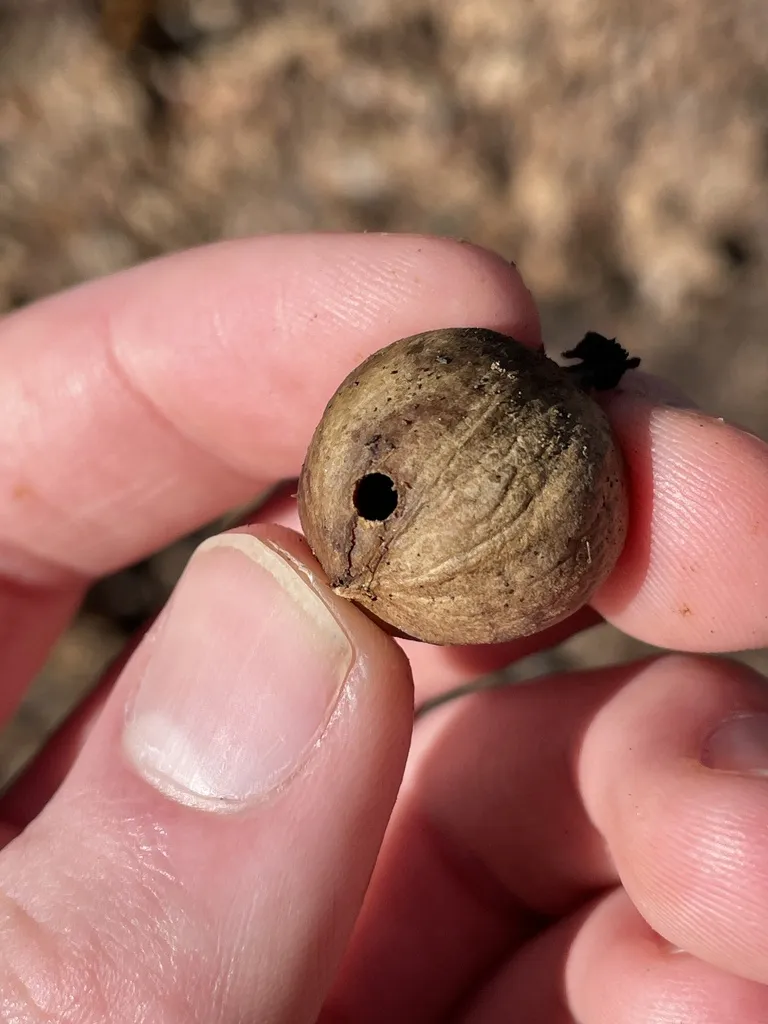
The grub is a plump, legless, C-shaped larva. It is cream to white with a reddish-brown head and grows to about 3/5 inch. Its exit hole is perfectly round and close to 1/8 inch across.
How It Differs From Look-Alikes
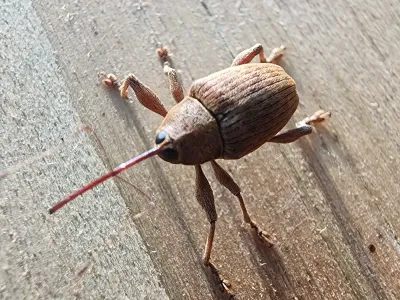
- Acorn weevils: Close cousins in the same genus that look almost the same. The host is the clue. A grub in an oak acorn is an acorn weevil. A grub in a pecan or hickory nut is most likely a pecan weevil.
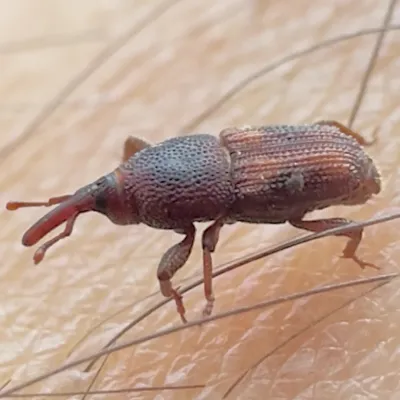
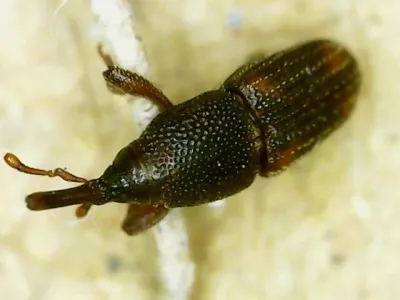
- Rice weevils and other pantry weevils: Tiny, about 1/8 inch, with a short snout. They live and breed inside stored grain. Pecan weevils are three times larger and never breed in the pantry.
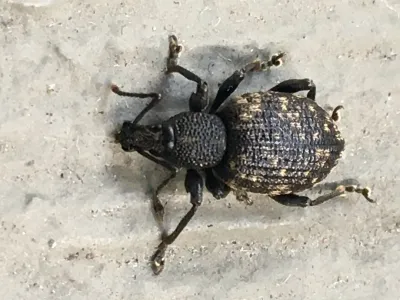
- Black vine weevils: Black with gold flecks, a short broad snout, and no ability to fly. They feed on shrubs, not nuts.
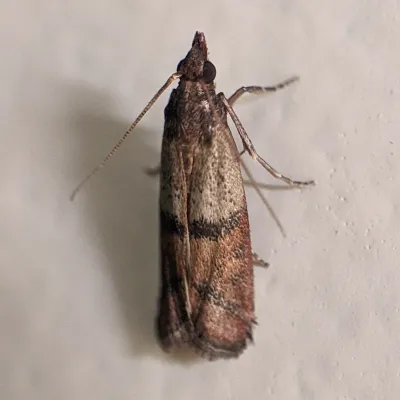
- Indian meal moth larvae: Also turn up in stored nuts. But they are thin caterpillars with legs, and they leave silk webbing behind. Pecan weevil grubs are legless and leave no silk.
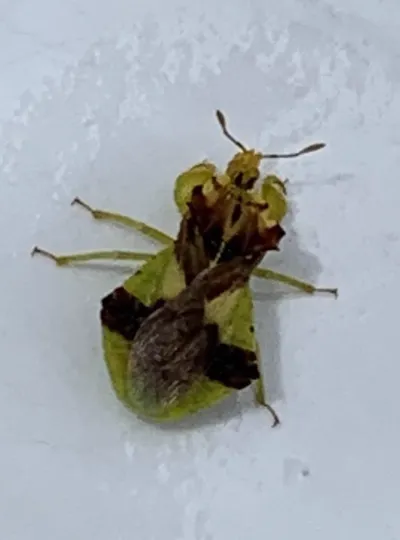
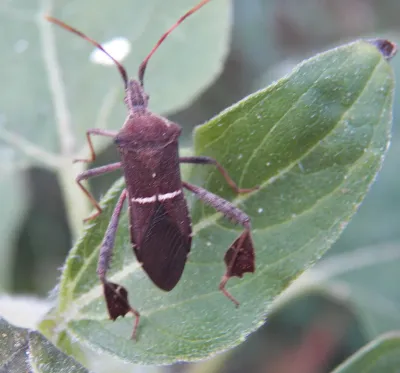
- Leaf-footed bugs: Feed on young pecans and can make nuts drop or spot the kernel. They are flat bugs with a needle-like beak, not beetles. They do not leave a grub inside the nut.
Common Species
- Pecan weevil (Curculio caryae): Develops in pecans and hickory nuts. Texas A&M also reports feeding on English walnut.
- Large chestnut weevil (Curculio caryatrypes) and small chestnut weevil (Curculio sayi): Develop in chestnuts and chinquapins.
- Acorn weevils (several Curculio species, such as Curculio proboscideus and Curculio pardalis): Develop in oak acorns.
- Hickory nut curculio (Conotrachelus affinis) and pecan nut curculio (Conotrachelus hicoriae): Smaller, stouter weevils, about 3/16 inch long, with a short snout. They attack young nuts earlier in summer.
Pecan Weevil Behavior and Biology
Habitat
Pecan weevils live wherever pecan or hickory trees grow, from orchards and farm windbreaks to suburban yards and wooded parks. The range runs from New York and southern Ontario west to Iowa and Kansas, and south through Oklahoma and Texas to Florida. The pest is most damaging in the southern and central pecan belt, including Texas, Oklahoma, Missouri, and Georgia. It has also been found in parts of eastern New Mexico, where it is under quarantine.
Diet
- Adults feed on developing nuts. Early feeding in midsummer can make young nuts drop.
- Grubs feed only on the kernel inside the nut. Oklahoma State notes that one to four grubs can grow in a single nut and destroy the whole kernel.
Pecan weevils do not eat stored grains, cereals, or other food in the house.
Life Cycle
The pecan weevil has one of the longest life cycles of any common weevil. It usually takes two years, and sometimes three.
- Adults emerge from the soil under host trees from late July into October. Emergence peaks in August and September, and dry, hard soil can delay it until after rain.
- Egg laying: When nuts reach the soft “gel” stage, the female uses her snout to chew a hole into the nut. She lays a few eggs inside the kernel.
- Grubs feed inside the nut for about a month. Texas A&M reports about 42 days from egg to exit.
- Exit: The full-grown grub chews a round hole, drops to the ground, and burrows 4 to 12 inches into the soil. Grubs leave nuts from late September into December.
- Soil stage: The grub builds a small earthen cell and waits. Most turn into adults after one year, then stay in the soil until the next summer. Some wait an extra year.
Grubs in Stored Nuts
This is how most people find pecan weevils. In-shell nuts from the yard or the store can hold grubs that have not left yet. Indoors, they crawl out and wander across counters and floors. They are looking for soil, not food. They will not move into other foods, and they die indoors without soil.
Treatment Methods for Pecan Weevils
Pecan weevils are a tree and nut-crop pest, not a household pest. Grubs found inside the house need cleanup, not a pest control treatment. Protecting the nut crop on a tree is a different job, and it depends on timing.
- Indoors: Throw out nuts with round holes, crack-check the rest of the batch, and vacuum up loose grubs. Store sound nuts in sealed containers in the refrigerator or freezer. Holding nuts at 0°F for four days may kill grubs still inside, per the University of Kentucky. It can change the flavor.
- Clean up dropped nuts: Pick up and destroy fallen nuts each week in early fall. This removes grubs before they can dig into the soil. This breaks the cycle under your tree over time.
- Jar the tree: Starting in mid-August, spread a light sheet under the tree and tap the limbs with a padded pole. Adults drop and play dead, so you can collect and destroy them. University of Kentucky suggests repeating this after heavy rains through mid-September.
- Monitor before treating: Growers place cone-shaped circle traps on tree trunks by late July to catch adults climbing up from the soil.
- Time any spray to the adults: Insecticides only work on adults before the females lay eggs. Once grubs are inside nuts or in the soil, sprays will not reach them. A tall pecan tree needs orchard spray gear, so most backyard trees are hard to spray well.
- Trunk bands: Mississippi State notes that sticky trunk bands may catch some adults as they climb. Adults can also fly, so bands will not stop them all. Remove bands after the season so they do not harm the tree.
- Get local advice: Your state extension office can confirm the weevil and suggest timing for your area.
- Don’t move infested nuts: Avoid moving in-shell nuts, husks, or soil from an infested area, especially into New Mexico or across a quarantine line.
References
- Pecan Weevil, Entomological Society of America
- Nut Weevils, University of Kentucky Entomology (EF206)
- Controlling the Pecan Weevil, Texas A&M AgriLife Extension
- Pecan Weevil, Oklahoma State University Extension
- Pecan Weevil: Wanted Dead, Not Alive, New Mexico State University (CR-683)
- Pecan Pest Management: Insects and Diseases, University of Missouri Extension (MP711)
- Disease and Insect Management for Pecans in Home Landscapes, Mississippi State University Extension
Other Other Pests
Explore other species in the other pests family
Commonly Confused With
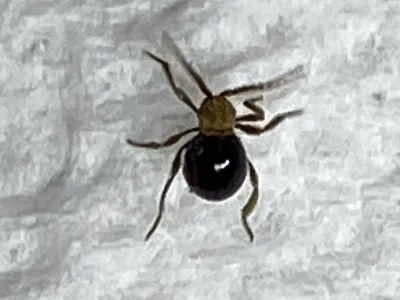
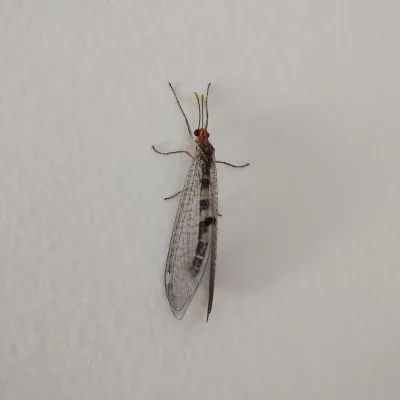
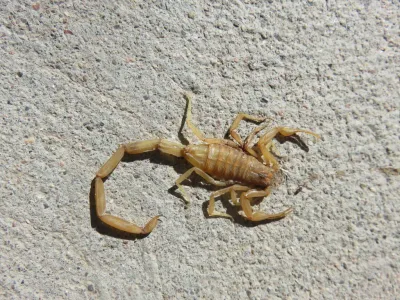
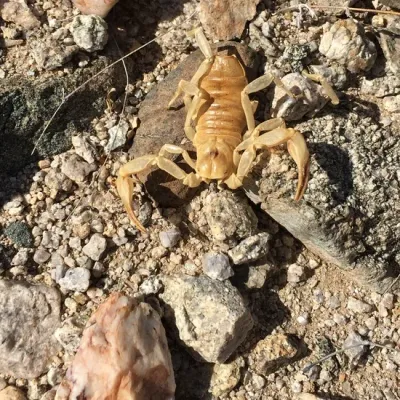
Pecan Weevil are often mistaken for these similar pests
Where Pecan Weevil Are Found
Hover over states to see their names. Green regions indicate where pecan weevil have been reported.
Common Questions about Pecan Weevil
Why are white worms crawling out of my pecans?
+
Those are almost certainly pecan weevil grubs. The female laid eggs inside the nut while it was still on the tree in late summer. The grub ate the kernel, and once full grown it chews a round hole about 1/8 inch wide and crawls out to look for soil. Nuts gathered from the ground or bought in the shell can carry grubs into the house.
Will pecan weevils infest my pantry?
+
No. The grubs that leave nuts indoors are trying to reach soil, where they spend the next one to two years. They cannot feed on flour, cereal, or other stored food, and they cannot breed inside. Throw out the damaged nuts and vacuum up any stray grubs. If you find small beetles or webbing in dry goods, you are dealing with a different pest, such as rice weevils or Indian meal moths.
Are nuts with a pecan weevil hole still good to eat?
+
A nut with a round exit hole has usually lost most of its kernel to the grub, so there is little left to eat. Crack and check any nuts from the same batch. Discard those with holes, hollow kernels, or frass. Sound nuts with no holes and clean kernels are not affected.
What is the difference between a pecan weevil and an acorn weevil?
+
They are close cousins in the same genus, Curculio, and the adults look very much alike. The best clue is the nut. Pecan weevils develop in pecans and hickory nuts. Acorn weevils develop in oak acorns. Exact species ID of an adult may take a specialist.
Do pecan weevils bite or damage the house?
+
No. Pecan weevils do not bite people or pets, spread disease, or chew wood. Adults may land on siding or walls near nut trees in late summer, and grubs may crawl out of stored nuts, but neither stage harms the home.
When are pecan weevils active?
+
Adults come out of the soil from late July into October, with most activity in August and September. Dry, hard soil can delay emergence until after a good rain. Grubs leave fallen or stored nuts from late September into early winter.
How long do pecan weevils live in the soil?
+
Most spend about two years underground, and some take three. The grub digs 4 to 12 inches into the soil, builds a small cell, and stays there until it turns into an adult. That is why a tree can have weevil trouble for years even after a season with little damage.

With five years of hands-on experience in the pest control industry, George Schulz is a registered technician with the Virginia Pest Management Association and a proud third-generation professional in a family business that's been protecting homes for over 58 years. He manages and trains a team of service pros while also leading internal research efforts—recently spearheading a deep-dive review of thousands of documents on pest control materials to hand-pick the most kid and pet friendly, most effective solutions tailored specifically for homes in the DC metro area.
Local Other Pests Help
Dealing with other pests at home? Our licensed technicians provide pest control across Northern Virginia and Maryland.
