Winter Grain Mites Identification Guide
Penthaleus major
Winter grain mites are tiny black mites with bright red-orange legs that feed on cool-season lawns and grain crops from fall through spring, leaving grass blades silvery. They live outdoors in turf and never infest stored food or homes.
Taxonomy
Winter Grain Mites Coloration
Common color patterns to help identify winter grain mites
Winter Grain Mites
Seasonal Activity
When winter grain mites are most active throughout the year

Where Winter Grain Mites Are Found
Hover over states to see their names. Green regions indicate where winter grain mites have been reported.
Winter Grain Mites Identification Guide
Physical Characteristics
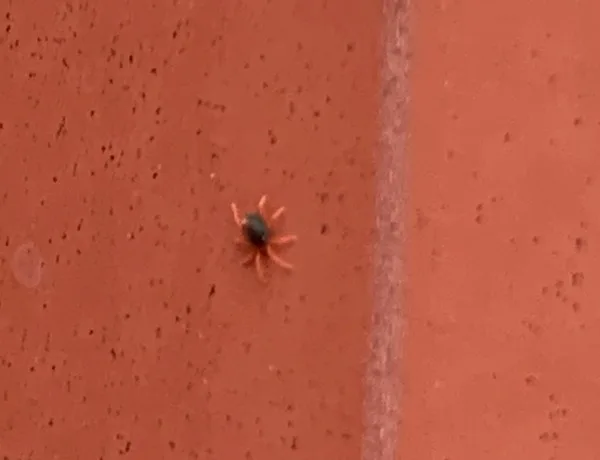
Winter grain mites are small mites that feed on grass and grain crops during the coldest months of the year. Adults are about 1 millimeter long, close to the size of a pinhead. You can see them without a magnifier if you know where to look.
Key features to check:
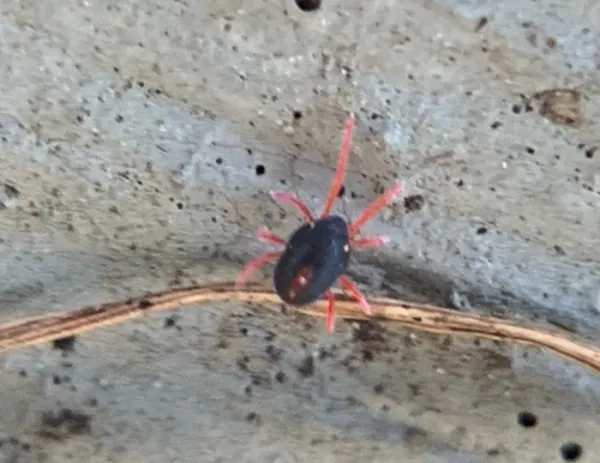
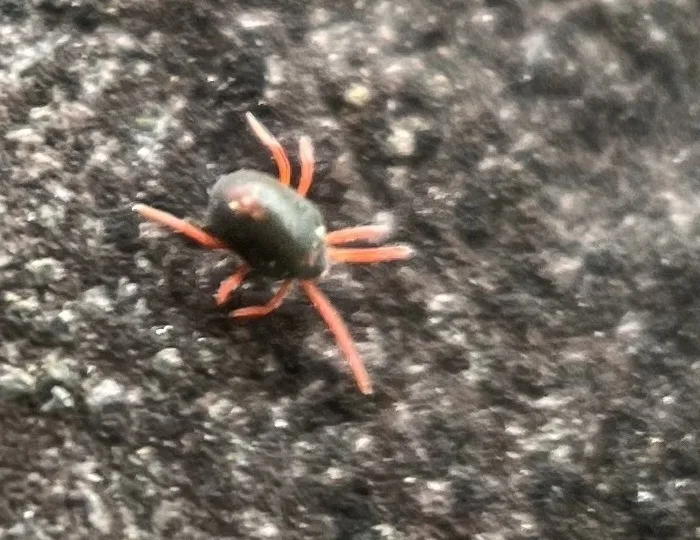
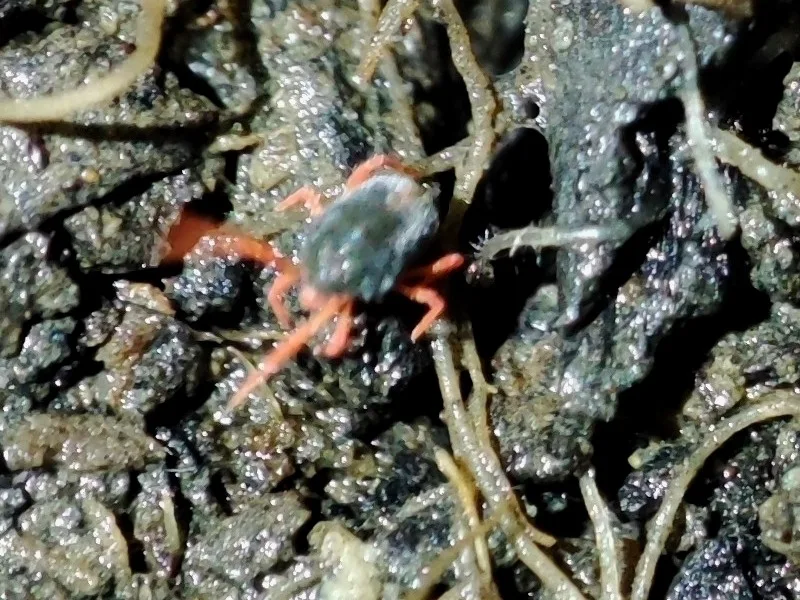
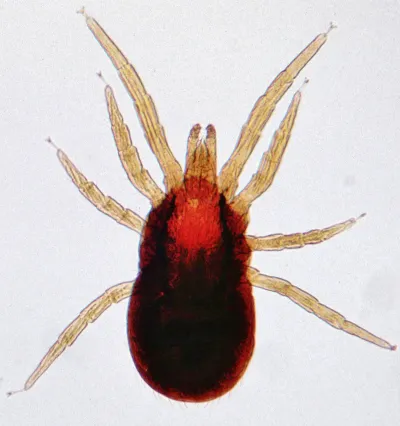
- Body: Oval, glossy, and dark blue-black to dark brown. Some look almost greenish black in sunlight.
- Legs: Eight bright red-orange legs. The front and back pairs are a bit longer than the middle pairs.
- Red spot: A small red to orange spot on top of the rear of the body. This is the mite’s anal pore. It sits on the upper surface, which is unusual among mites and is the best way to confirm the species.
- Young mites: Newly hatched larvae are pinkish orange with only six legs. They darken as they molt into nymphs and adults.
Not the Same as Pantry Grain Mites
The name causes a lot of confusion. The “grain” in winter grain mite means grain crops like wheat, barley, oats, and rye in the field. It has nothing to do with the grain mites (Acarus siro) that live in flour and cereal boxes.
| Feature | Winter grain mite | Pantry grain mite |
|---|---|---|
| Where found | Outdoors in lawns, pastures, grain fields | Indoors in stored flour, grain, and cereal |
| Color | Dark body, red-orange legs | Pale white to cream, see-through |
| Size | About 1 mm, visible to the eye | 0.3 to 0.5 mm, nearly invisible |
| Season | October to May | Year-round in warm, humid pantries |
| Food | Living grass and crop leaves | Stored food and mold |
If you find mites in food, you are dealing with a pantry mite, not this species.
Look-Alikes in the Yard
Several other small red or dark mites show up on lawns and patios:
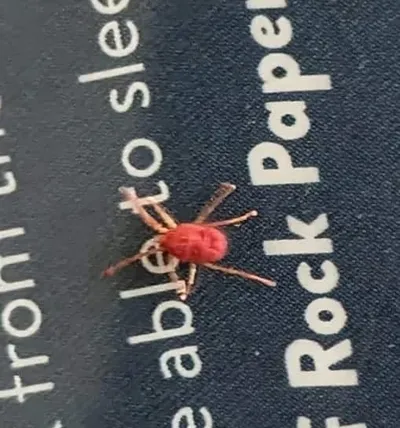
- Clover mites (Bryobia praetiosa): Reddish brown to dark green, with front legs much longer than the rest. They swarm sunny walls and windows and often get inside. Winter grain mites stay in the grass.
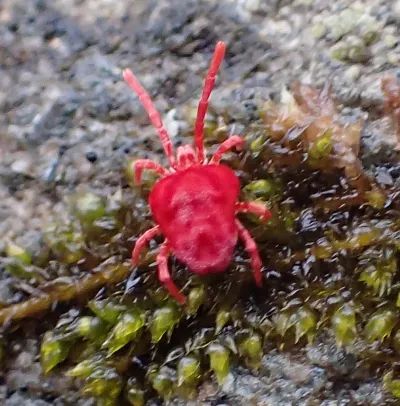
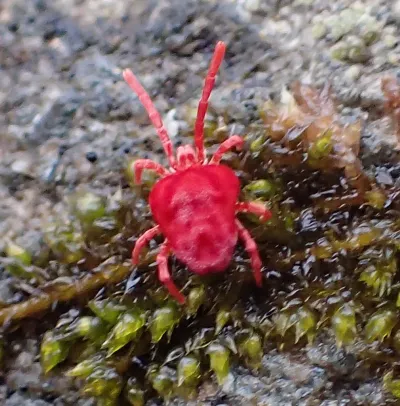
- Velvet mites: Larger, bright red all over, and fuzzy. They are predators and are most common in warm, wet weather.
- Chiggers: The biting larvae are orange-red and far too small to see easily. They are active in summer, when winter grain mites are dormant.
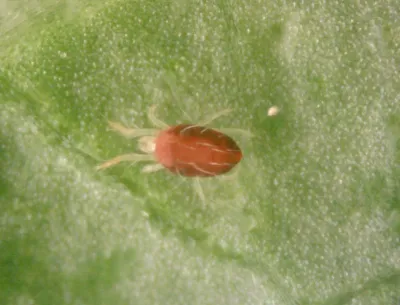
- Spider mites: Tiny and pale or reddish, they spin fine webbing on garden plants and shrubs in hot, dry weather.
Common Species
The main species in North America is Penthaleus major, sometimes called the blue oat mite. Other turf mites you may hear about include the brown wheat mite (Petrobia latens) and the Banks grass mite (Oligonychus pratensis). Both of those favor hot, dry conditions, while winter grain mites favor cool, damp weather.
Winter Grain Mites Behavior and Biology
Habitat
Winter grain mites live in cool-season grasses. In lawns they feed on Kentucky bluegrass, perennial ryegrass, tall fescue, fine fescues, and bentgrass. On farms they feed on wheat, barley, oats, rye, and orchardgrass. They are found in temperate areas across the United States and southern Canada, including Virginia, Maryland, and Delaware.
Daily Activity
These mites prefer temperatures between about 40 and 70 degrees Fahrenheit. They avoid direct sun. On bright or warm days they drop down into the thatch and moist soil under the grass. They climb back up to feed at dusk, at night, and on cloudy days. They can even feed under snow cover.
Diet and Damage
Winter grain mites scrape the surface of grass blades and suck out the green chlorophyll. Damaged blades look silvery, gray, or frosted, especially at the tips. Heavy feeding can make turf look scorched and brown. The damage often shows up as grass comes out of winter, so it is easy to mistake for winter injury or snow mold.
Young, thin, drought-stressed, or poorly fed turf suffers the most. Established, healthy lawns usually recover once the weather warms.
Life Cycle
Winter grain mites have two generations each year:
- Fall generation: Eggs that rested in the soil all summer hatch in October once cool, wet weather returns. This generation peaks in December and January.
- Spring generation: Eggs laid in winter hatch into a second generation that peaks in March and April.
- Summer rest: As temperatures pass about 75 degrees Fahrenheit, the spring mites lay special heat-resistant eggs in the soil and die off. No active mites are present from late May through September.
Females can lay eggs without mating, producing around 30 eggs each. From egg to the end of adult life takes about three months.
Treatment Methods for Winter Grain Mites
Winter grain mites are a turf and crop pest, not a household pest. They do not enter homes, bite, or infest food. Most lawns need no pesticide at all. These steps help turf recover and limit future damage:
- Confirm the mite: Hold a sheet of white paper at the edge of a damaged patch and brush the grass toward it. Small dark mites with red legs will crawl on the paper. Check shaded spots at dusk or on an overcast day, when mites are feeding.
- Feed the lawn: Proper fall fertilization, based on a soil test, is the main tool turf experts recommend. Well-fed grass outgrows spring feeding damage.
- Reduce stress: Water during dry spells, mow at the right height, and reseed thin areas in early fall so turf goes into winter strong.
- Manage thatch: Heavy thatch shelters mites during the day. Core aeration or dethatching can reduce hiding spots.
- Wait for warm weather: Populations crash on their own by late spring. Damage that appears in March is often gone by June.
- Chemical control: Rarely needed on home lawns. Few products list this mite on the label. Talk with your local extension office or a lawn care professional before spraying.
If you are finding tiny red mites on your siding, windowsills, or inside the house, you almost certainly have clover mites instead. Those invade homes in spring and fall and can be managed with a clover mite control plan and sealing gaps around the foundation.
Related Reading
- What Are the Tiny Red Bugs? - Sort out the small red crawlers on walls, patios, and windows.
- Clover Mites in House: Removal Guide - What to do when mites come indoors.
References
- Winter Grain Mite Management - University of Delaware Cooperative Extension
- Winter Grain Mite - Kansas State University Entomology
- Mites and Their Management in Turfgrass - University of Georgia
- Mild Winters Favor Greenbug Aphids and Winter Grain Mite - University of Maryland Extension
- Insects and Mites in Home Lawns - University of Maryland Extension
Other Mites
Explore other species in the mites family
Commonly Confused With
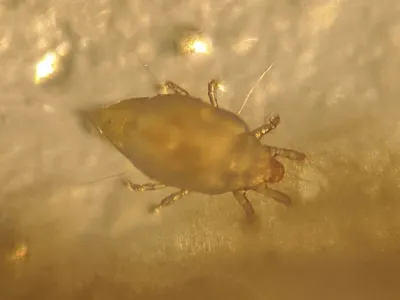
Winter Grain Mites are often mistaken for these similar pests
Where Winter Grain Mites Are Found
Hover over states to see their names. Green regions indicate where winter grain mites have been reported.
Common Questions about Winter Grain Mites
What do winter grain mites look like?
+
Adults are about 1 millimeter long, roughly the size of a pinhead. They have a dark blue-black to dark brown oval body and eight bright red-orange legs. Under a magnifier you can see a small red or orange spot on the top of the body, which is the mite's anal pore. Young mites are pinkish orange and darken as they grow.
Are winter grain mites the same as grain mites in my pantry?
+
No. The word grain refers to grain crops like wheat, barley, and oats growing in a field. Winter grain mites live outdoors on grass and crops. Pantry grain mites (Acarus siro) are pale, nearly invisible mites that live in flour and cereal. Winter grain mites never infest stored food.
Do winter grain mites bite people or pets?
+
No. Winter grain mites feed only on plants. They do not bite people or pets, do not spread disease, and do not feed on anything inside a home.
Why is my lawn turning silver in late winter?
+
Winter grain mites scrape the surface of grass blades and remove the green chlorophyll, which leaves tips looking silvery or frosted. Heavy feeding can brown the grass. The damage is often mistaken for winter injury or snow mold. Check shaded areas at dusk or on a cloudy day for small dark mites with red legs.
How can I tell winter grain mites from clover mites?
+
Clover mites are reddish brown to dark green with very long front legs, and they gather on sunny walls and windows, often coming indoors. Winter grain mites are darker, have red-orange legs of similar length plus a red spot on the back, and stay in open turf. If you see tiny mites crawling on siding or windowsills, they are almost always clover mites.
Do winter grain mites kill grass?
+
Rarely. Most lawns recover once temperatures rise above about 75 degrees Fahrenheit and the mites go dormant. Young, thin, drought-stressed, or underfed turf shows the worst damage. A healthy fertility program helps grass outgrow the injury.
When do winter grain mites go away?
+
They disappear on their own by late spring. The spring generation lays special eggs that rest in the soil through summer. Those eggs hatch when cool, moist weather returns in October, which starts the cycle again.

With five years of hands-on experience in the pest control industry, George Schulz is a registered technician with the Virginia Pest Management Association and a proud third-generation professional in a family business that's been protecting homes for over 58 years. He manages and trains a team of service pros while also leading internal research efforts—recently spearheading a deep-dive review of thousands of documents on pest control materials to hand-pick the most kid and pet friendly, most effective solutions tailored specifically for homes in the DC metro area.
Local Mites Help
Dealing with mites at home? Our licensed technicians provide pest control across Northern Virginia and Maryland.
