Clover Mites Identification Guide
Bryobia praetiosa
Clover mites are tiny reddish-brown arachnids that invade homes in large numbers during spring and fall, leaving red stains when crushed. They feed on plant sap and are harmless to humans and pets.
Taxonomy
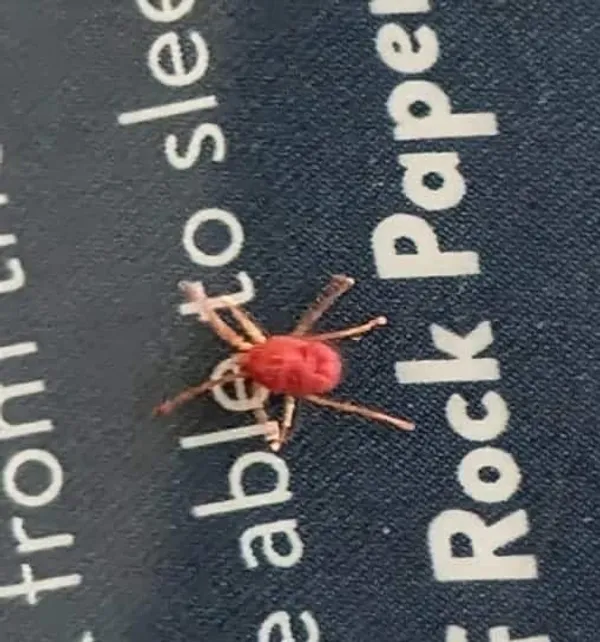
Clover Mites Coloration
Common color patterns to help identify clover mites
Clover Mites
Seasonal Activity
When clover mites are most active throughout the year
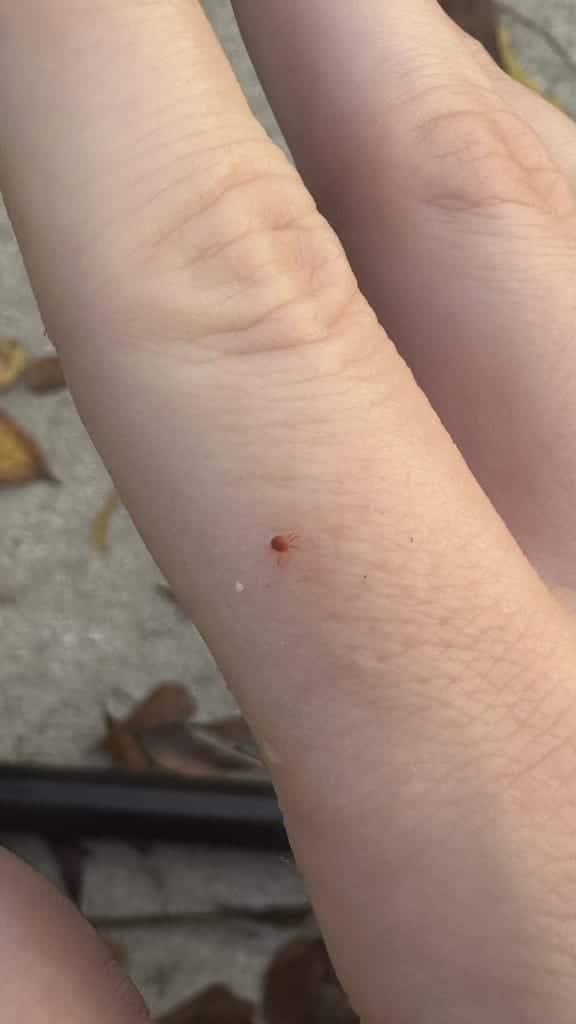
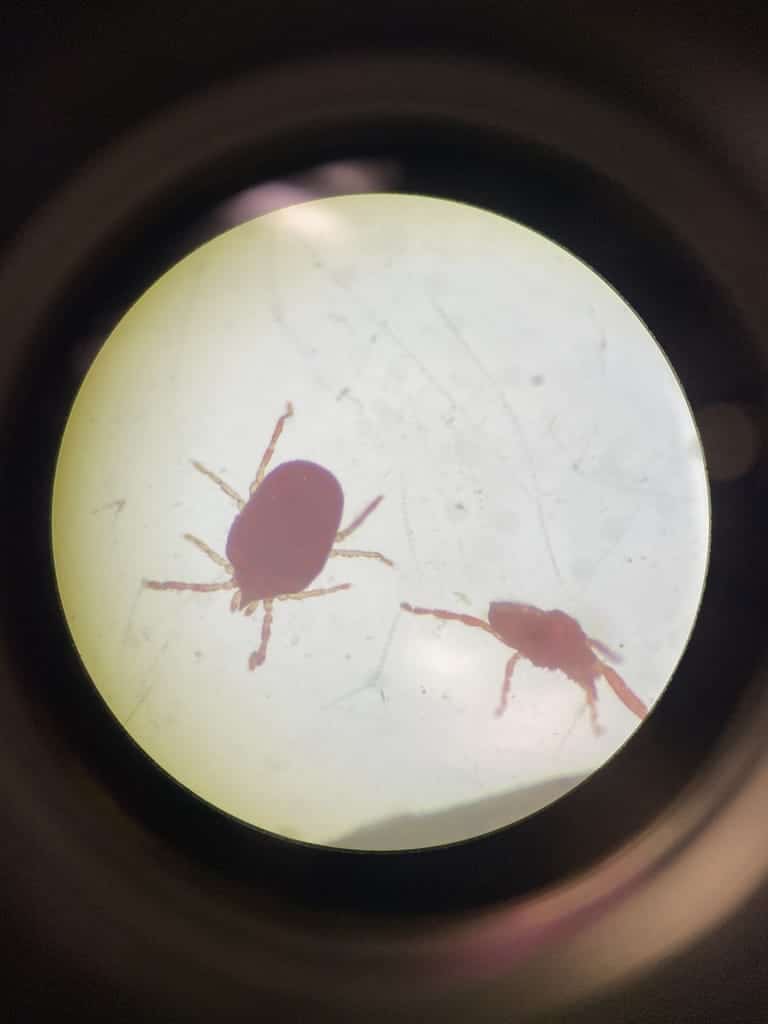

Where Clover Mites Are Found
Hover over states to see their names. Green regions indicate where clover mites have been reported.
Clover Mites Identification Guide
Physical Characteristics
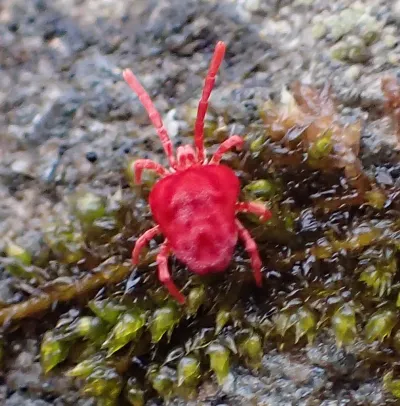
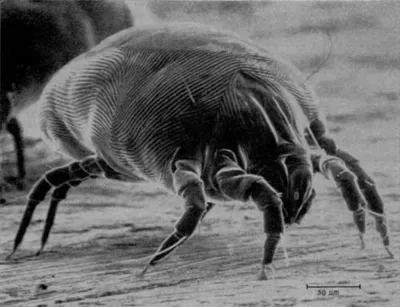
Clover mites are tiny, reddish-brown arachnids that measure less than 1 millimeter in length. They have long front legs that extend forward, resembling antennae, and an oval-shaped body. When crushed, they leave behind red stains, which can be a nuisance for homeowners. They do not bite humans or pets but can invade homes in large numbers, particularly in the spring and fall. Unlike dust mites, which live indoors year-round, clover mites are seasonal invaders that come from outside. They are also much larger than spider mites, which primarily damage garden plants. Homeowners dealing with Clover Mites may also encounter Mite, which can appear in similar environments.
Common Species
Bryobia praetiosa (Common Clover Mite)
Clover Mites Behavior and Biology A related species, Velvet Mites, shares similar characteristics.
Clover mites reproduce parthenogenetically, meaning all individuals are female and can lay eggs without mating. Their eggs are often deposited in protected areas such as cracks in building foundations or under tree bark. They thrive in well-maintained lawns with ample moisture and can migrate indoors in search of warmth during seasonal transitions. A related species, Notoedric Mange Mites, shares similar characteristics.
How We Treat for Clover Mites
Clover mites are attracted to moisture and often enter homes through small cracks and openings around windows, doors, and foundations. Our treatment approach includes:
-
Addressing moisture issues: Identifying and reducing excess moisture in basements or crawl spaces.
-
Perimeter treatment: Applying a mosquito spray treatment around the home’s exterior, focusing on a 1-2 foot barrier to prevent mites from entering.
-
Vacuuming: Removing visible mites inside the home to reduce their numbers without causing staining.
-
Focus on sunny areas: Since clover mites prefer warm surfaces, we concentrate treatments on the sunny sides of homes where they are most active.
Related Reading
- What Attracts Clover Mites to DC Homes - Learn about the conditions that draw clover mites to your property.
- Clover Mites in House: Removal Guide - Step-by-step advice for getting rid of clover mites indoors.
- Clover Mites vs Chiggers: Key Differences chiggers - How to tell these tiny red pests apart.
- What Are the Tiny Red Bugs? - Identify the small red crawlers on your windows and walls.
References
Other Mites
Explore other species in the mites family
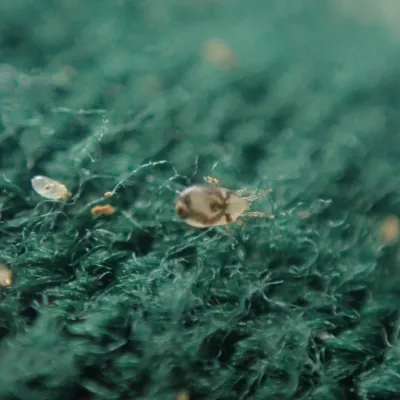
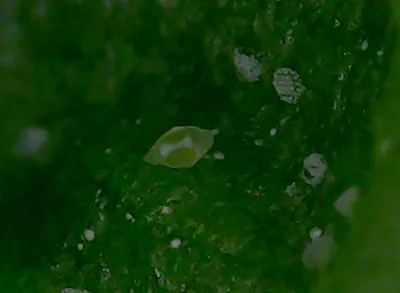
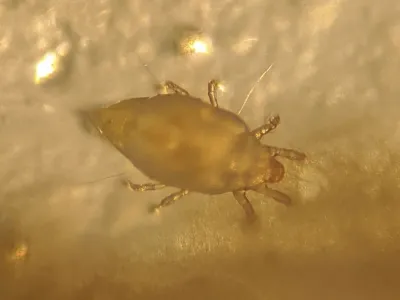
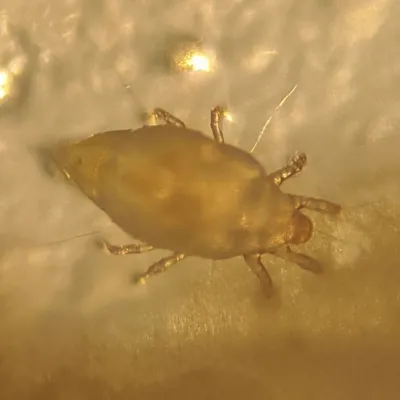
Commonly Confused With
Clover Mites are often mistaken for these similar pests
Where Clover Mites Are Found
Hover over states to see their names. Green regions indicate where clover mites have been reported.
Common Questions about Clover Mites
What attracts clover mites to my home?
+
Clover mites are drawn to lush, well-watered lawns and often congregate on warm exterior surfaces. They enter homes through tiny cracks in foundations, windows, and doors when the weather shifts.
Are clover mites dangerous?
+
No, clover mites do not bite humans or pets and are not harmful. However, they can be a nuisance due to their large numbers and the red stains they leave behind when crushed.
How can I prevent clover mites from entering my home?
+
Sealing cracks and gaps around windows, doors, and foundations can help reduce entry points. Reducing moisture around the home and maintaining a vegetation-free perimeter can also deter clover mites.
What time of year are clover mites most active?
+
Clover mites are most active in the spring and fall, especially on warm, sunny days. They are less active during the hot summer months.
Will clover mites go away on their own?
+
Clover mite populations naturally decline within a few weeks, especially as temperatures rise. However, if they have already entered your home, professional treatment can help eliminate them faster.
How does Better Termite & Pest Control handle clover mite infestations?
+
We treat the perimeter of the home with a targeted mosquito spray, focusing on high-risk entry points and sunny areas. We also provide recommendations for moisture control and preventative measures to reduce future infestations.
Can I get rid of clover mites myself?
+
Vacuuming visible mites and sealing entry points can help, but professional treatment is often needed for long-term control, especially if infestations recur.
More Resources About Clover Mites
Explore our guides and articles for more information about clover mites.
- ›Termite Swarmers: What They Are, When They Appear, and What To Do
- ›Termite Damage Pictures: What It Looks Like and How to Spot It
- ›Termite Queen: The Hidden Force Behind Every Colony
- ›Complete Guide: How Long Does Termite Treatment Last?
- ›What Do Termites Sound Like? Hear the Warning Signs
- ›Identifying Termite Pellets: A Complete Drywood Guide
- ›Termite Mud Tubes: The Complete Homeowner's Guide
- ›What Do Termites Look Like: Spot Signs Before Damage Hits
- ›What Do Termites Eat: Homeowner's Guide to Termite Diets
- ›How Much Does It Cost to Get Rid of Termites | Treatment Options
- ›Why Do Flying Termites Suddenly Appear? Signs & Treatment
- ›How to Kill Termites: Expert Methods to Get Rid of Termites
- ›Termite Inspection for Home Purchase: What Buyers Need to Know
- ›Termites in Mulch: Prevention and Treatment Guide
- ›Termites vs Ants: Spot the Difference & Protect Your Home
- ›Clover Mites in House: Complete Removal and Prevention Guide
- ›Termite Tunnels 101: What These Mud Tubes Mean for Your Home
- ›Warning Signs of Termites in Yard: What to Look For
- ›Do Termites Bite Humans? What You Need To Know
- ›How to Get Rid of Termites: Pro Methods & Home Remedies
- ›Why You Should Always Get An Annual Termite Inspection
- ›Termite Prevention & Control
- ›What Are Flying Termites?
- ›Termite Damage Repair: A Complete Guide for Homeowners
- ›Bugs That Look Like Flying Termites: When To Worry
- ›Subterranean Termites vs Drywood Termites in Northern VA
- ›Termites in Firewood: What Every Homeowner Should Know
- ›Winged Ant vs Termite: How to Spot the Key Differences
- ›Carpenter Ants vs Termites: Complete Comparison Guide
- ›Flying Ants vs Termites: Complete ID Guide with Photos
- ›Termites vs Flying Ants: How to Tell the Difference
- ›How Termites Spread Throughout A Neighborhood
- ›Clover Mites vs Chiggers: Small Pests, Big Differences
- ›What Is a Termite Bond? Understanding Protection Options
- ›What Attracts Clover Mites to DC Homes: Causes Explained
- ›Sentricon® FAQ's: How Does Sentricon Work?
- ›Are The Tiny Red Spiders Dangerous? How To Spot And Treat Them
- ›Termite Damage vs Wood Rot: What Homeowners Should Know
- ›Winged Ants vs Termites: How to Tell Them Apart Fast
- ›Concrete Mites: Identification Tips and Treatment Options
- ›Small Red Spider: What It Is and How to Get Rid of It

With five years of hands-on experience in the pest control industry, George Schulz is a registered technician with the Virginia Pest Management Association and a proud third-generation professional in a family business that's been protecting homes for over 57 years. He manages and trains a team of service pros while also leading internal research efforts—recently spearheading a deep-dive review of thousands of documents on pest control materials to hand-pick the most kid and pet friendly, most effective solutions tailored specifically for homes in the DC metro area.