German Roaches Identification Guide
Blattella germanica
German cockroaches are the most common indoor roach species in the United States, known for their rapid reproduction and preference for warm, humid environments like kitchens and bathrooms.
Taxonomy
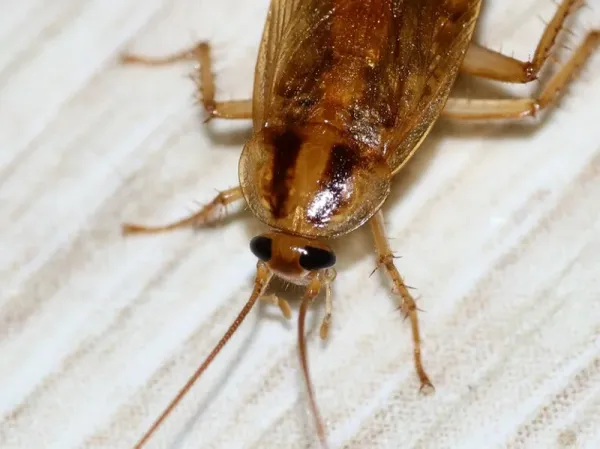
German Roaches Coloration
Common color patterns to help identify german roaches
German Roaches
Seasonal Activity
When german roaches are most active throughout the year


Where German Roaches Are Found
Hover over states to see their names. Green regions indicate where german roaches have been reported.
Biology and Behavior
German cockroaches (Blattella germanica) are the most widespread cockroach species found in human structures worldwide. Unlike their larger American and Oriental cousins that prefer basements and crawl spaces, German roaches live exclusively indoors, making them a persistent household pest.
Life Cycle
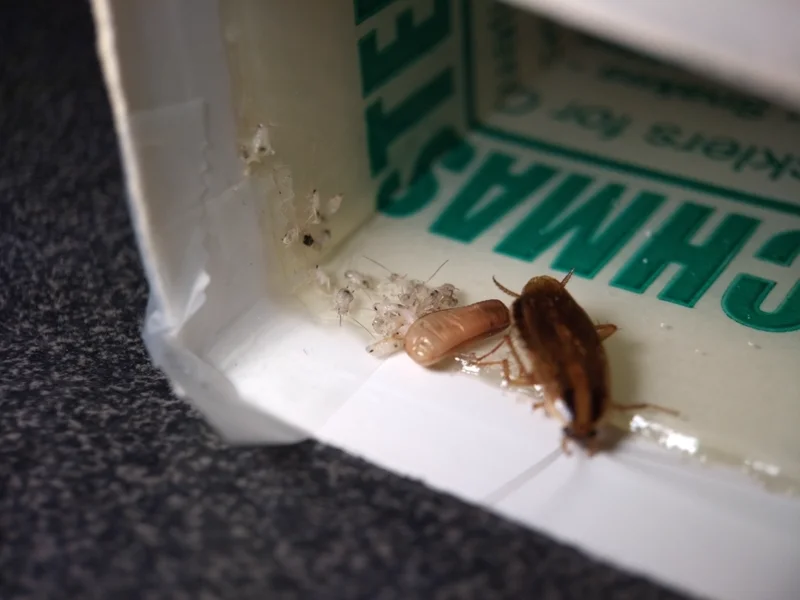
German roaches develop through three stages: egg, nymph, and adult. Females carry their egg capsules (oothecae) until just before hatching, giving their offspring the best chance of survival. Each capsule contains 30-40 eggs, and females can produce 4-8 capsules in their lifetime. Under ideal conditions, a single female can be responsible for over 400 offspring.
Nymphs molt 6-7 times before reaching adulthood, a process taking 40-125 days depending on temperature and food availability. Adults live approximately 100-200 days. This rapid reproduction rate is why German roach populations can explode seemingly overnight.
Preferred Habitats
German roaches require three things: warmth, moisture, and food. They’re most commonly found in:
- Kitchen cabinets and under sinks
- Around dishwashers and refrigerator motors
- Behind stoves and microwaves
- Bathroom cabinets and around plumbing
- Inside electronic devices and appliances A related species, Palmetto Bugs, shares similar characteristics.
They prefer tight cracks and crevices where their bodies can touch surfaces on both sides, a behavior called thigmotaxis. A related species, Lobster Cockroaches, shares similar characteristics.
Identification Guide A related species, Asian Cockroaches, shares similar characteristics.
Physical Characteristics A related species, Australian Cockroaches, shares similar characteristics.
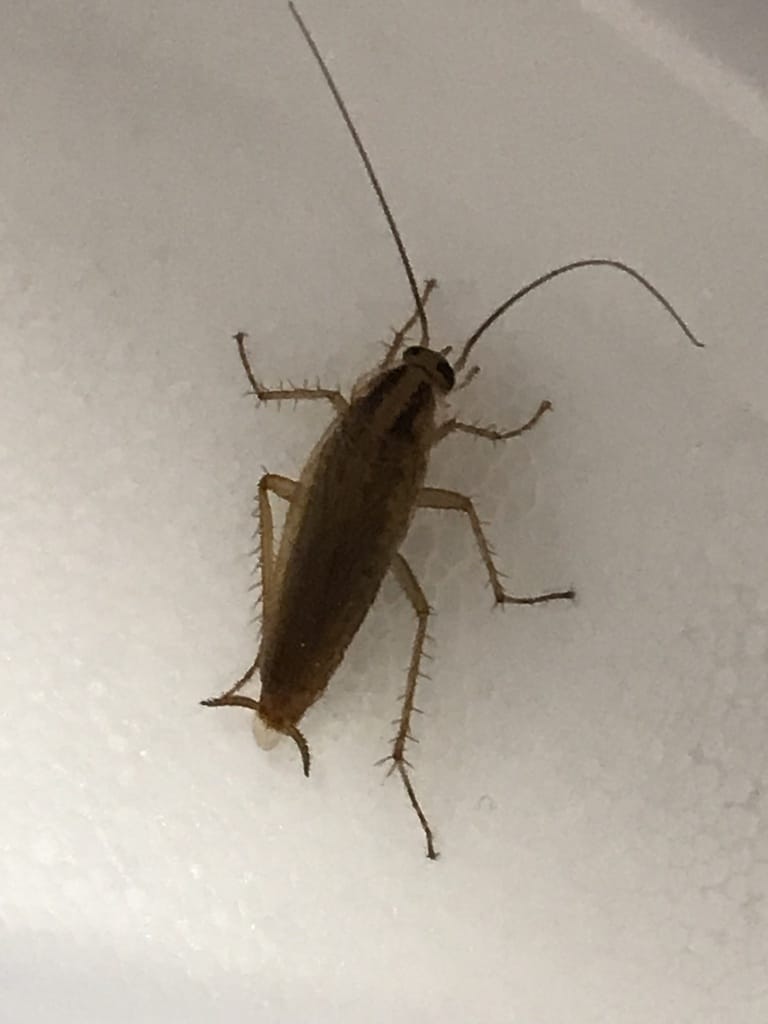
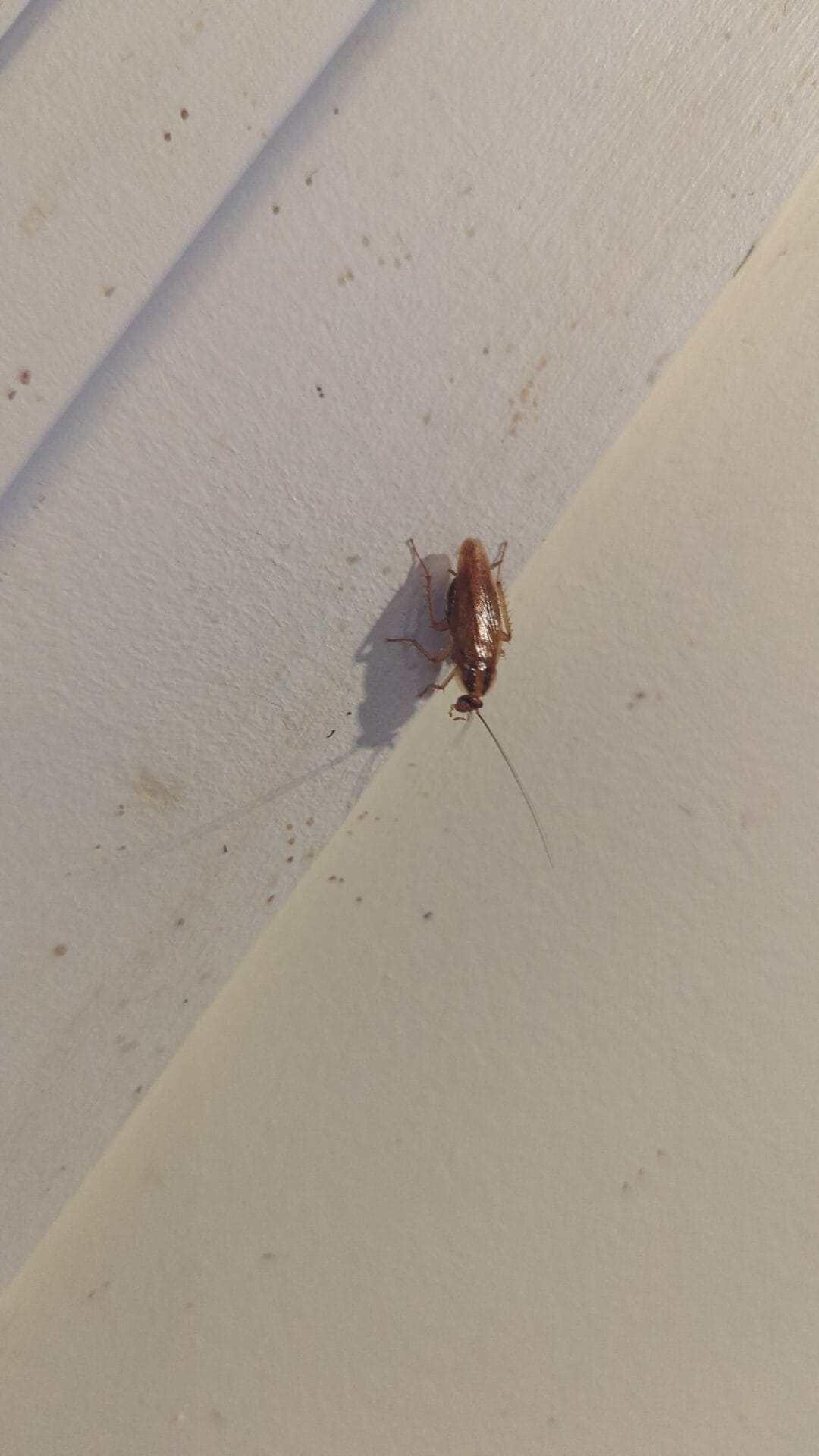
German cockroaches are light brown to tan with two distinctive dark, parallel stripes running from head to wing base. Adults measure 10-16mm (about half an inch) in length. While they have fully developed wings, German roaches rarely fly, preferring to run quickly when disturbed. A related species, Spotted Mediterranean Cockroach, shares similar characteristics.
How to Distinguish from Other Roaches A related species, Florida Woods Cockroach, shares similar characteristics.
- American roaches: Much larger (up to 2 inches), reddish-brown, prefer basements and sewers
- Oriental roaches: Darker (almost black), slower, prefer cool damp areas
- Brown-banded roaches: Similar size but lack the distinctive parallel stripes
Treatment Approach
Our Multi-Phase Strategy
Eliminating German roaches requires a comprehensive approach targeting all life stages:
Phase 1: Inspection and Assessment We thoroughly inspect all potential harborage areas, using sticky traps to gauge population size and distribution. Understanding the scope of infestation determines treatment intensity.
Phase 2: Initial Treatment Application of non-repellent insecticides and gel baits to cracks, crevices, and harborage areas. Non-repellent products are crucial because roaches don’t detect them, allowing the pesticide to spread through the population via contact.
Phase 3: Growth Regulation Insect growth regulators (IGRs) prevent nymphs from maturing and adults from reproducing. This breaks the breeding cycle and prevents population recovery.
Phase 4: Follow-up Treatments Because eggs are protected from pesticides, follow-up treatments 2-4 weeks later target newly hatched nymphs before they can reproduce. Multiple treatments are typically required for complete elimination.
Prevention Tips
- Fix water leaks promptly
- Store food in sealed containers
- Clean up crumbs and spills immediately
- Reduce clutter, especially cardboard and paper
- Seal cracks around pipes and electrical outlets
- Inspect grocery bags and boxes before bringing them inside
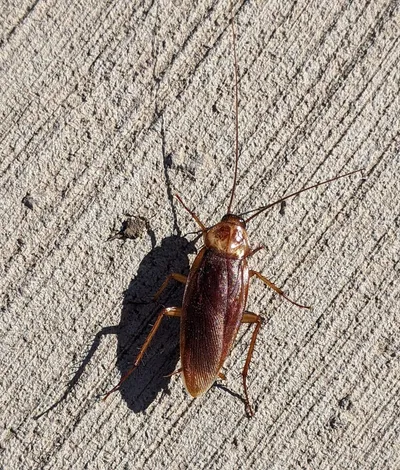
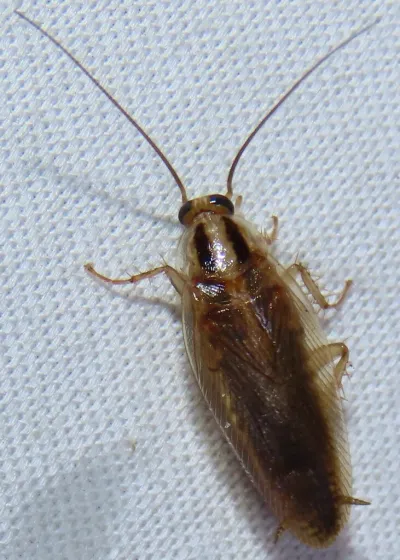
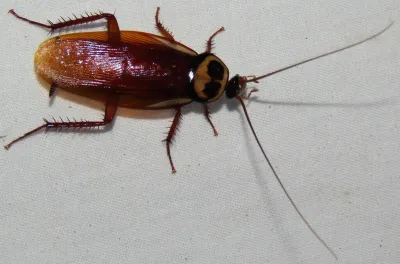
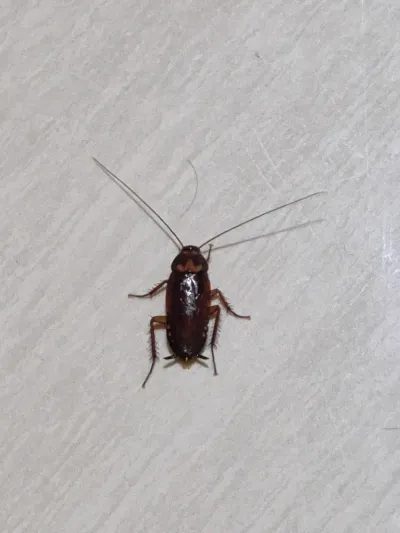
Other Cockroaches
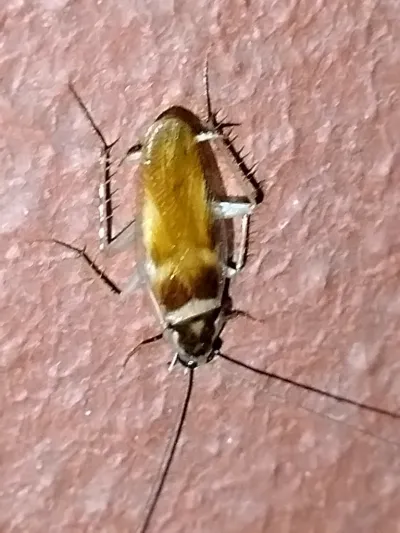
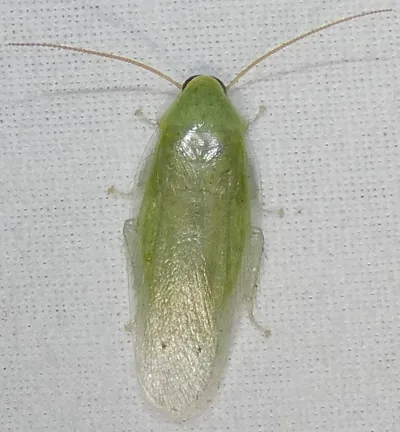
Explore other species in the cockroaches family
Commonly Confused With
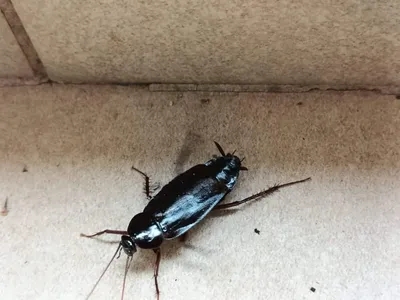
German Roaches are often mistaken for these similar pests
Where German Roaches Are Found
Hover over states to see their names. Green regions indicate where german roaches have been reported.
Common Questions about German Roaches
How do I know if I have German roaches?
+
If you see small droppings, egg cases, or smear marks along walls and cabinets, you likely have roaches. Seeing them during the day is a sign of a heavy infestation. German roaches are smaller than other species (about half the size of your thumb) and have two distinct dark stripes on their backs.
Are German roaches dangerous?
+
Yes. German roaches spread at least five known diseases, including salmonella and E. coli. They contaminate food and surfaces by regurgitating like flies. Their shed skins and droppings can also trigger asthma and allergies.
Can I get rid of German roaches on my own?
+
Store-bought sprays and baits may kill some roaches, but German roach infestations require professional treatment. They are highly resilient, reproduce rapidly (a single female can produce 400 offspring in her lifetime), and quickly develop resistance to common pesticides.
How long does it take to eliminate a German roach infestation?
+
German roach infestations typically take 2-4 months to fully eliminate, depending on severity. Multiple treatments are usually required because eggs are protected from pesticides and will continue hatching.
What should I do before a German roach treatment?
+
Clear out cabinets, remove food sources, and declutter affected areas. Pay special attention to kitchens and bathrooms where roaches congregate. Proper preparation significantly improves treatment effectiveness.
What products do you use for German roaches?
+
We use a combination of non-repellent insecticides, insect growth regulators (IGRs), and gel baits. IGRs prevent roaches from reaching maturity and reproducing, breaking the breeding cycle. We've eliminated 9 of the harshest chemicals common in the industry.
More Resources About German Roaches
Explore our guides and articles for more information about german roaches.
- ›What Do Cockroaches Smell Like? How to Identify an Infestation by Odor
- ›How Long Do Cockroaches Live? Lifespan by Species
- ›What Attracts Cockroaches to Your Home (And How to Stop Them)
- ›German Cockroach Eggs: What They Look Like & How to Get Rid of Them
- ›Can German Cockroaches Fly? Why They Have Wings but Don't Use Them
- ›Dead Cockroach in Your House: What It Really Means
- ›Wood Cockroach: Identification, Behavior, and What to Do If You Find One
- ›How to Get Rid of Brown Banded Cockroaches: Complete Guide
- ›Baby Roaches Look Like This: Spot Cockroach Nymphs Early
- ›Water Bug vs Cockroach: How to Tell These Insects Apart
- ›Wood Roaches vs German Roaches: What Homeowners Should Know
- ›Big Roaches in Virginia: Identifying Cockroach Species & Control
- ›Baby Roaches in Your Home: Identification and Solutions
- ›How to Get Rid of Roaches Fast: A Licensed Technician's Guide
- ›Roach Poop: How to Identify Cockroach Droppings & What They Mean
- ›Asian Cockroach vs German Cockroach: How to Tell the Difference
- ›German Roaches vs American Roaches: Complete Comparison Guide
- ›German Cockroach Bait: A Complete Guide to Eliminating Infestations
- ›How to Get Rid of Oriental Cockroaches
- ›How Fast Do Roaches Multiply: From 1 to 1,000+ in Weeks
- ›Kitchen Insects Similar to Cockroaches: Spot & Eliminate Them
- ›How Long Can Roaches Live Without Food?
- ›Wood Roach vs Cockroach: What You Need to Know
- ›Baby German Cockroach: What They Look Like & How to Remove
- ›Flying Cockroach: Effective Treatments to Eliminate Them
- ›Why Do I Have Roaches? 7 Reasons Cockroaches Invade Homes
- ›How to Get Rid of German Roaches: A Complete Guide
- ›Why You Might See an Albino Roach: Causes and Solutions
- ›Water Bugs 101: What They Are and How to Eliminate Them
- ›Bugs That Look Like Roaches: How To Identify Look-Alikes
- ›What Do Cockroaches Smell Like: Identifying Infestations
- ›Cockroach vs Beetle: Identifying Which Pest Is in Your Home
- ›Ground Beetle vs Cockroach: Spot the Differences Easily
- ›How To Get Rid Of Palmetto Bugs: Identification & Treatment
- ›Palmetto Bug vs Cockroach: Same Pest, Different Name
- ›What Bug Looks Like a Cockroach? Expert ID Guide for Look-alikes
- ›Click Beetle vs Cockroach: Key Differences Explained
- ›Small Roaches Explained: Dubia & Other Nymph Identification

With five years of hands-on experience in the pest control industry, George Schulz is a registered technician with the Virginia Pest Management Association and a proud third-generation professional in a family business that's been protecting homes for over 57 years. He manages and trains a team of service pros while also leading internal research efforts—recently spearheading a deep-dive review of thousands of documents on pest control materials to hand-pick the most kid and pet friendly, most effective solutions tailored specifically for homes in the DC metro area.