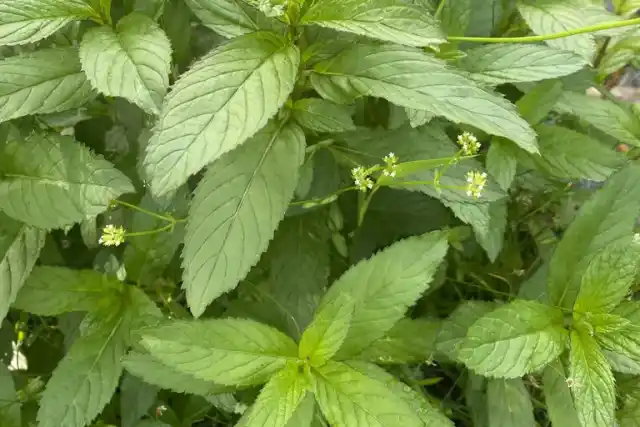

Yes, peppermint oil repels roaches in lab studies, but it won’t get rid of them. Mint oil kept roaches away from treated shelters in a test box, and straight oil can kill a roach on direct contact. However, a spray only covers the spots you treat. It never reaches the roaches packed inside your walls, and it doesn’t stop their egg cases from hatching.
In my experience, German, oriental and American roaches are all very common in the DC metro area. Peppermint oil is one of the first things people try, because it smells nice and feels like a gentler option. It can keep a big outdoor roach off a door sill for a little while. But if you have small roaches in your kitchen cabinets, a peppermint spray is more likely to move them around than to solve anything.
What the Research Says About Peppermint Oil and Roaches
Unlike most home remedies, peppermint and other mint oils have actually been tested on cockroaches. The results are real, but they come with some big asterisks.
Mint oil kept roaches away in a 14-day lab test
The best-known study came out of Auburn University in 2001. Researchers tested mint oil on German and American cockroaches in the Journal of Agricultural and Urban Entomology. They put 2 mL of the oil on a foil insert inside a small “choice box,” where roaches could pick a treated or untreated shelter. The mint oil was close to 100% repellent to both species on every day of the 14-day test.
The same oil was also toxic. When roaches were sealed in a container with the oil’s vapors, all of them died within 24 hours.
That sounds great. However, a few details matter:
- It wasn’t true peppermint. The study used corn mint oil (Mentha arvensis). It shares the same main compounds as peppermint, menthol and menthone, so it’s a close cousin. Still, it isn’t the bottle in your cabinet.
- The dose was heavy. Two milliliters of oil in a small test box is far more concentrated than a mist on your countertop.
- The roaches had a clean choice. In a real kitchen, roaches have hundreds of untreated cracks to pick from.
One peppermint compound alone barely repelled them
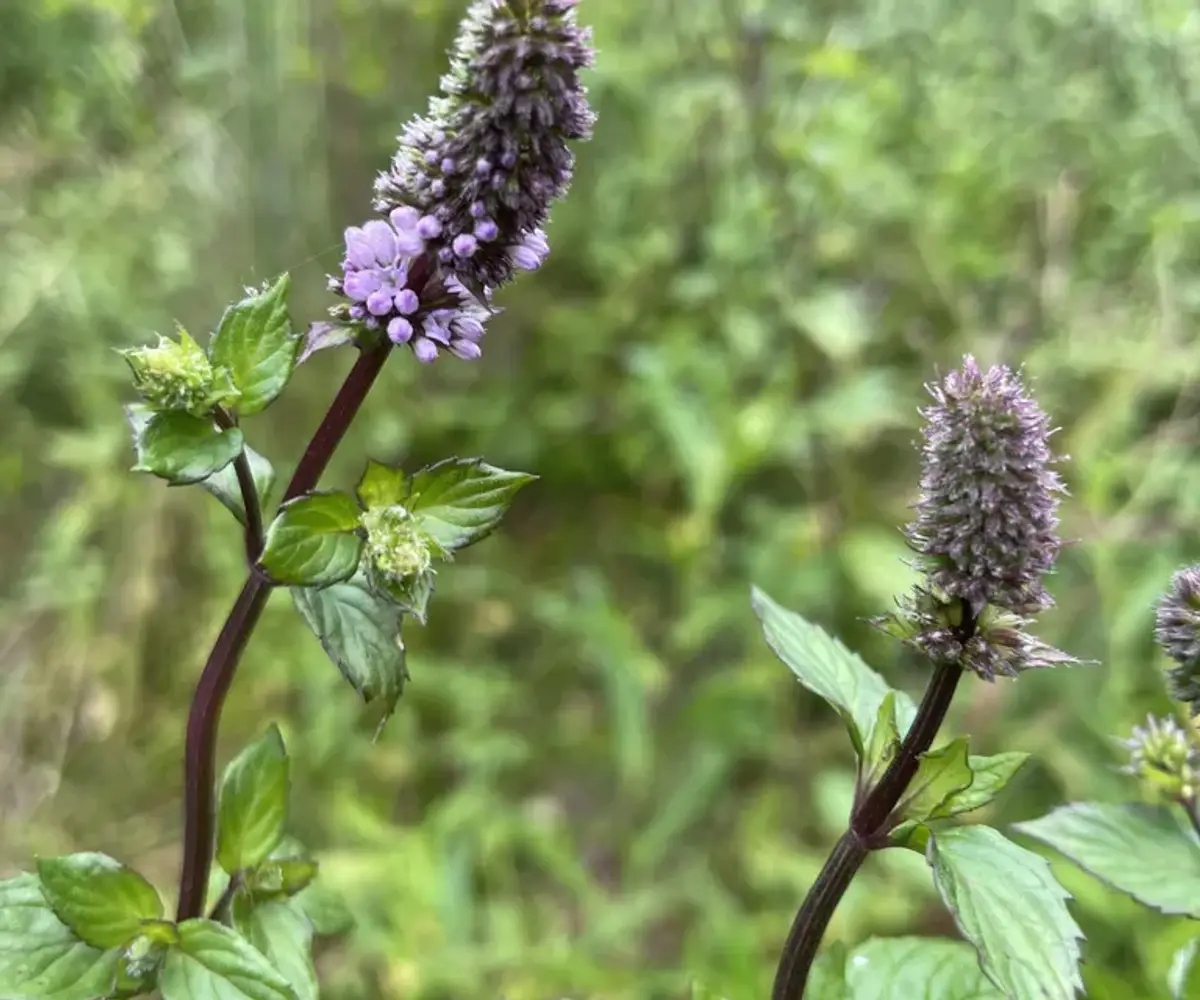
A later Auburn thesis tested 12 single compounds from plant oils on male German cockroaches. Menthone is one of the main parts of peppermint oil. It landed near the bottom for keeping roaches away. In one test, it did no better than no treatment at all. So there’s no magic ingredient. What worked was the full, strong oil at a high dose.
The same study also flagged a catch. Essential oils repel roaches, so you have to keep them away from baits and traps. If you don’t, the roaches skip the bait.
Straight peppermint oil kills roaches on direct contact
A 2025 study in the journal Insects tested 16 essential oils on German cockroaches. Peppermint oil was among the oils that knocked roaches down fastest, and every oil killed 100% of the roaches within 24 hours.
But look at how they did it. Researchers put 15 microliters of undiluted oil right on each roach’s back. That’s a full drop of pure oil on one small bug. The authors said this is a stronger dose than store products use. So it proves peppermint oil can kill a roach you hit directly. It doesn’t prove a weak spray will clear out a kitchen.
This is the part home remedies usually skip. A German cockroach female carries her egg case until it’s about to hatch, and each case holds dozens of eggs. So even if you kill the adults you see, the next batch is already on the way.
In a 2010 study in the Journal of Economic Entomology, Auburn researchers fumigated German roaches with essential oil compounds. Menthone had the biggest effect on egg cases of any compound tested. Even so, about 73% of those egg cases still hatched. None of the compounds stopped hatching.
That’s why the roaches come back two or three weeks after a home remedy seems to work. To learn more about the egg stage, see our guide to German cockroach eggs.
Why Peppermint Oil Won’t Get Rid of German Roaches
German roaches are the small, light brown roaches with two dark stripes behind the head. They live and breed indoors, usually in kitchens and bathrooms. If you’re seeing them, peppermint oil has three big problems.
First, they live where you can’t spray. German roaches pack into cracks behind cabinets, inside appliance motors and in wall voids. Young roaches rarely leave those hiding spots. A peppermint mist on the counter never touches them.
Second, a repellent spoils your bait. Gel bait works because roaches eat it and carry it back to their hiding spots. A university cooperative extension guide explains that sprays on or near bait make roaches stop eating it. The same guide states there’s no scientific evidence that essential oils can eliminate a German roach infestation.
Third, they breed too fast. German roaches can turn over several generations a year. As long as a few egg-carrying females stay hidden, the population rebuilds.
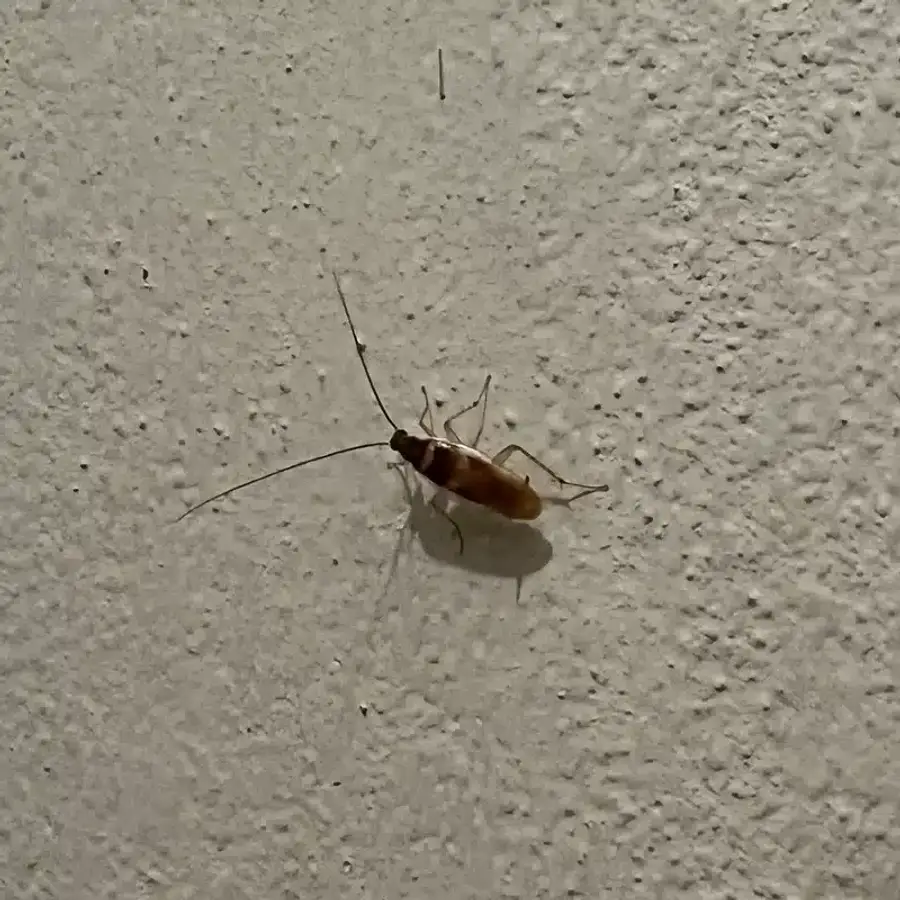
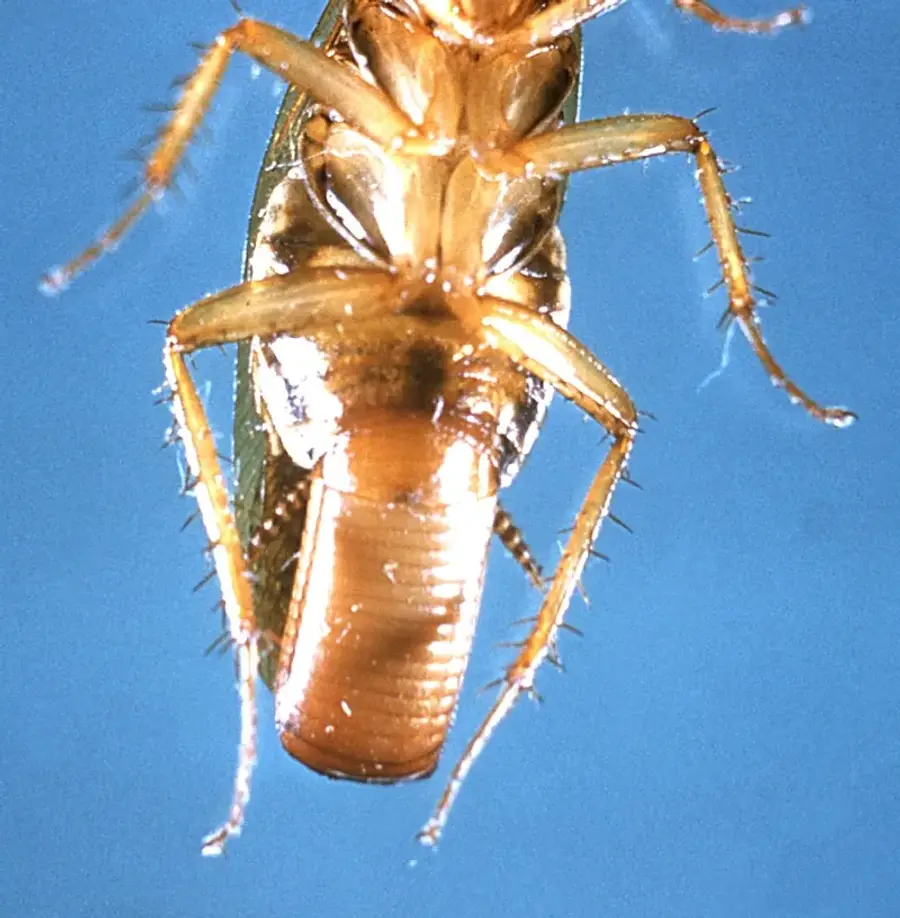
Peppermint oil can still have a small role. That Auburn researcher noted essential oils could work as “flushing agents,” meaning they drive roaches out of hiding so you can see where they are. That’s useful for finding the problem. It isn’t the same as fixing it.
Daren, one of our technicians, says the worst German roach job he ever had was in a condo off Route 1. When he went in for the inspection, there were roaches anywhere he looked. He used a flushing unit on a big open crack above the refrigerator. In his words, “it was like a waterfall of German roaches came pouring out of that crack.”
Every crack he treated in that home did the same thing. That’s what a German roach infestation really looks like: most of the population is hidden, not out on the counter.
His approach on jobs like that is a non-repellent product in every crack and crevice, then a growth regulator, then bait stations and glue boards. He uses the glue boards every service, so he can tell whether the population is going up or down. A spray bottle of peppermint oil only touches the few roaches out in the open.
In short, a scent can move roaches around your kitchen. It can’t reach the nest, the nymphs or the eggs. That takes a plan built around bait and a growth regulator.
Does Peppermint Oil Work on Big Roaches?
Large roaches are a different story. Around here, a big reddish-brown or black roach is usually an American or oriental roach. According to Virginia Tech’s extension entomologists, American, oriental, German, brownbanded and smokybrown roaches are the species found in Virginia homes. Meanwhile, wood roaches sometimes wander in but can’t survive and breed indoors.
Small, light brown, two dark stripes. Found in kitchen cabinets and bathrooms.
Peppermint oil is the wrong tool here. These roaches live and breed indoors, so a repellent just shuffles them between cracks and keeps them away from your bait. Start with our guide on how to get rid of German roaches, and see our German roach profile to confirm the ID.
Large, reddish-brown or shiny black. Found in basements, crawl spaces and drains.
These are outdoor roaches that come inside looking for moisture. A peppermint barrier at a basement door or floor drain may slow a few down for a while. The real fix, though, is drying things out and sealing gaps. Learn more about American roaches and oriental roaches.
Brown, flat, often seen near woodpiles or on porches in spring.
Wood roaches are accidental invaders. They can’t set up a colony in your living space, so you don’t need peppermint oil or much of anything else. Just escort them outside and keep firewood away from the house.
Daren says outdoor roaches are also the most common misidentification he sees. As soon as people see a roach, they assume it’s a German roach. In reality, a big roach is almost always an outdoor roach, while tiny roaches all through the cabinets are the true German roach problem.
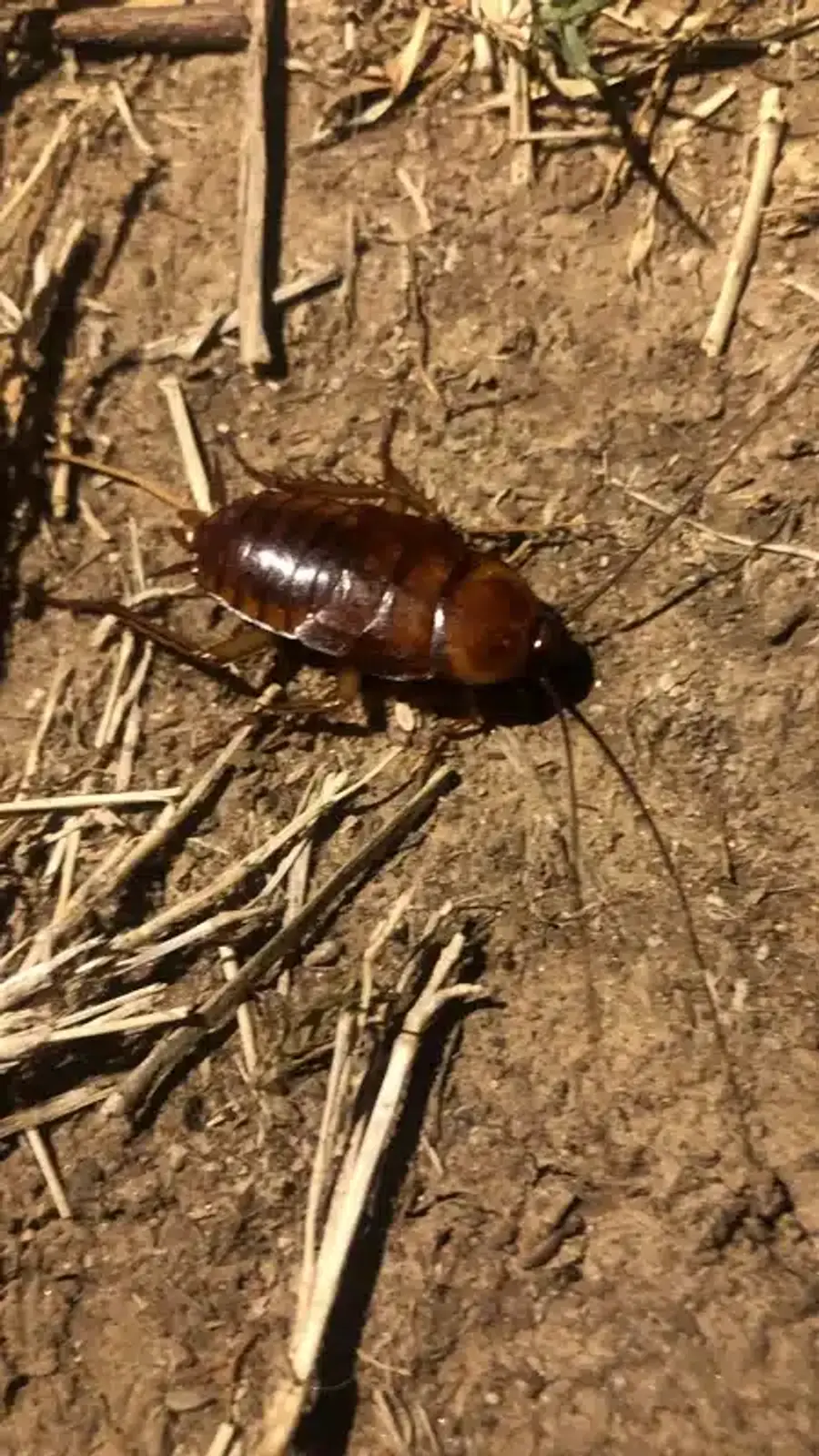
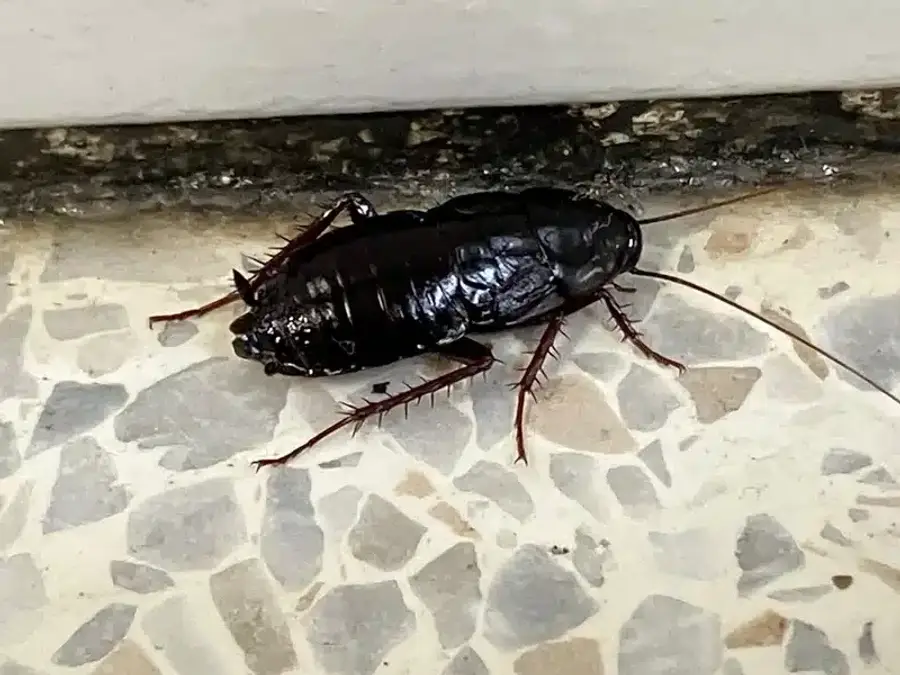
According to Daren, if American or oriental roaches are heavy inside a house, there’s a moisture issue. Old Town homes are a good example, since many of the older houses there hold a lot of moisture. He often asks homeowners to set up a hygrometer. Plenty of homes that “feel dry” read around 72% humidity, while you want to be closer to 45 to 50%. In one home he serviced for years, the roaches nearly disappeared once the owners finally replaced a leaking water pipe.
How to Use Peppermint Oil for Roaches (If You Want to Try It)
To be honest, no study has tested a household-strength peppermint spray against roaches in a real home. The lab tests used heavy doses. So treat peppermint oil as a short-term deterrent, not a treatment.
If you’d still like to try it, here’s how to give it the best shot:
Wipe up crumbs and grease, and fix drips under sinks. Roaches will put up with a smell they dislike if food and water are close by. Our guide on what attracts cockroaches covers the usual suspects.
Dab cotton balls with peppermint oil and tuck them at entry points like door thresholds, a basement floor drain or the gap where pipes enter a wall. This makes the most sense for big outdoor roaches that wander in.
Don’t spray it in cabinets where you’ve set gel bait or bait stations.
The oil evaporates, so the scent fades within days. Replace the cotton balls regularly.
If you keep seeing small roaches in the kitchen or bathroom after a week or two, the peppermint oil isn’t working. That’s a sign of an indoor German roach population.
Store-bought peppermint sprays follow the same rules.
Before you set out any oil, think about your pets.
What Works Better Than Peppermint Oil for Roaches
If peppermint oil is a speed bump, these are the steps that actually get rid of roaches.
- Use gel bait and bait stations. Roaches eat the bait and carry it back to their hiding spots. In a 2025 study of German roaches from Kentucky apartments, every bait tested killed at least 80% of adult males within 28 days. Our German cockroach bait guide explains how to place it.
- Add a growth regulator. Insect growth regulators stop young roaches from becoming breeding adults, which deals with the eggs a spray can’t reach.
- Clean and dry out the hot spots. Fix leaky pipes, empty pet water at night and store food in sealed containers. Droppings mark where they hide, so our guide to roach poop shows you the spots to focus on.
- Seal gaps for outdoor roaches. Caulk around pipes and utility lines, and add door sweeps. Run a dehumidifier in damp basements.
- Watch the cardboard. Daren once spent a year and a half on a Fort Hunt house where the roaches kept coming back. The homeowner kept bringing delivery boxes inside, and roaches can ride in the folds of cardboard. Once he broke boxes down outside, the problem finally got under control.
Peppermint oil isn’t the only roach remedy with mixed results, either. We take a similar look at boric acid for roaches, which does work when you use it the right way. And if ants are the bigger problem in your kitchen, we tested the same idea in our guide on whether peppermint oil repels ants. We also looked at whether peppermint oil repels spiders, where the results depend a lot on the species.
When to Call a Professional
Peppermint oil is fine for a stray outdoor roach. However, it’s time to call a pro if:
- You see small, light brown roaches in the kitchen or bathroom, especially during the day.
- You find droppings that look like pepper or coffee grounds in drawers and cabinets.
- You’ve tried home remedies for two weeks and still see roaches.
- You’re seeing big roaches in the basement regularly, which points to a moisture problem.
- You live in a condo, townhouse or apartment where roaches can move between units.
Our roach control service starts with an inspection to figure out which roach you have and where it’s hiding. For German roaches, our German cockroach control plan uses non-repellent products, growth regulators and bait, with follow-ups at 1 and 3 weeks. Treatment starts around $450 for the initial treatment, and ongoing service is included in our pest plans. All the products we use are EPA approved and have passed through our internal research team. Each one is something we’d feel comfortable using in our own homes. If you prefer a lower-impact approach, ask about our eco-friendly pest control options.
We’ve been in the pest control business for 58 years and have earned 1,800+ reviews across our locations. Our licensed technicians help homeowners with roaches across Northern Virginia and Maryland, including Alexandria, Reston, Fairfax, Sterling, Rockville and Gaithersburg.
The Bottom Line on Peppermint Oil and Roaches
Peppermint oil does repel roaches in the lab, and straight oil can kill one on contact. But the studies used heavy doses in small boxes. In a real home, a peppermint spray only covers the spots you treat. It fades within days, it doesn’t stop egg cases from hatching and it keeps roaches away from the bait that would actually reach them. Use it, if at all, as a short-term barrier for big outdoor roaches while you fix the moisture that brought them in. For small roaches in the kitchen, go straight to bait or a professional.
If you have questions about roaches in your home or want an estimate, call us at 703-683-2000 or email info@bettertermite.com. We’re happy to help.