Other Pests
Various
Beyond common household pests, many occasional invaders can find their way into homes. From stink bugs to earwigs, these pests may not pose major threats but can be a nuisance when they appear in large numbers.
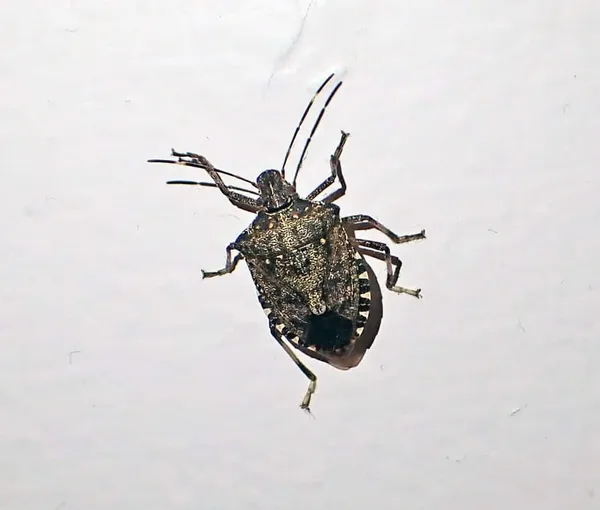
How to Spot Occasional Invaders
What They Look Like
Occasional invaders come in many shapes and sizes. Stink bugs are shaped like shields and brown in color. Boxelder bugs are black with red markings. Asian lady beetles look like ladybugs, but come in many colors. Earwigs have pinchers on their back end. These pests all share one thing: they enter homes when the weather changes but don’t live there year-round.
Common Types
-
Brown Marmorated Stink Bugs are brown, shield-shaped insects. They enter homes in fall and give off a bad smell when touched or crushed.
-
Boxelder Bugs are black with red wing markings. They gather on sunny walls and look for ways to get inside your home. A related species, Wood Wasps, shares similar characteristics.
-
Asian Lady Beetles look like ladybugs but come in many colors. They invade homes in fall. They can bite and leave stains. A related species, Daddy Long Legs, shares similar characteristics.
-
Earwigs are long, flat insects with pincers on their rear end. They like damp areas and sometimes wander indoors. A related species, Harvestmen, shares similar characteristics.
How These Pests Behave A related species, Mexican Chicken Bug, shares similar characteristics.
Occasional invaders live outside most of the time. They feed on plants, other bugs, or dead organic matter. When the weather gets cold in fall, they look for warm places to hide. Your home is a perfect spot. Unlike other pests, they can’t breed inside and won’t damage your home or get into your food. But when lots of them enter at once, they can be a real problem. A related species, Soldier Bug, shares similar characteristics.
How We Treat for Occasional Invaders
Our goal is to keep these pests outside where they belong.
-
Exterior Barrier Treatment: We apply treatments around your foundation, windows, doors, and other entry points. We do this before invasion season starts. The barrier stops pests before they can get inside.
-
Entry Point Checks: We look at your home for gaps and openings that let pests in. Then we give you tips on how to seal these spots.
-
Indoor Treatment: If pests are already inside, we treat the areas where they hide. You can vacuum up the ones you see. We also find out how they got in to stop future problems.
-
Seasonal Timing: For stink bugs and similar pests, fall treatment before the first frost is key. We time our work to give you the best protection when these pests are most active.
Types of Other Pests
Click on any species below to learn more about identification, behavior, and control methods.
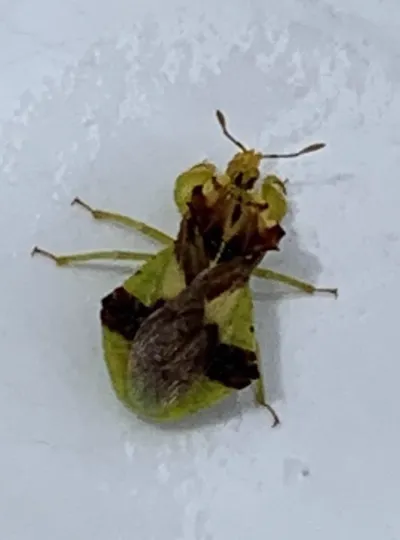
Ambush Bugs
Phymata americana
Ambush bugs are small predatory insects that hide among flowers to capture prey with their powerful front legs. Learn how to identify these garden insects.
View identification guide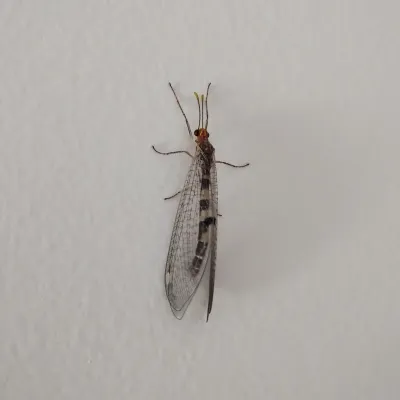
Antlions
Myrmeleontidae
Antlions are insects known for their larvae, called doodlebugs, which dig cone-shaped pit traps in sandy soil to catch ants. Adults look like damselflies with clubbed antennae.
View identification guide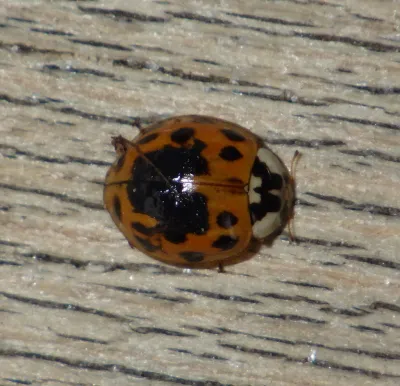
Asian Lady Beetles
Harmonia axyridis
Asian lady beetles are invasive insects that enter homes in large numbers during fall. They can bite, release foul-smelling secretions, and stain surfaces when disturbed.
View identification guide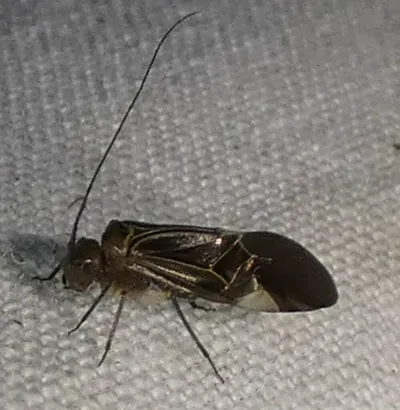
Barklice
Psocoptera
Barklice are small, harmless insects often found in groups on tree bark, feeding on algae, lichen, and fungi. They are frequently confused with other pests but pose no threat to homes or people.
View identification guide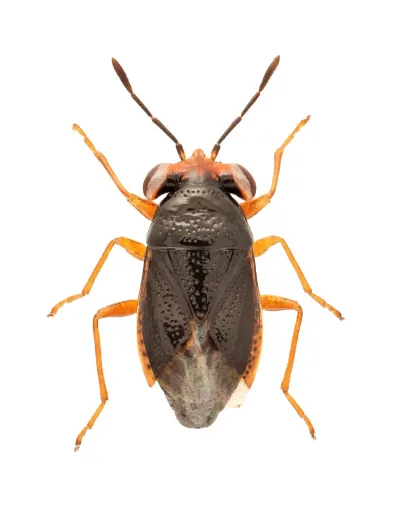
Big-Eyed Bugs
Geocoris spp.
Big-eyed bugs are small predatory insects with large eyes that feed on aphids, mites, and other small insects in gardens and lawns.
View identification guide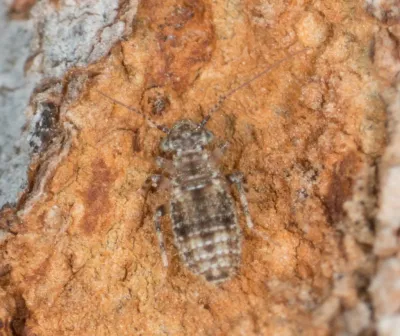
Booklice
Liposcelis spp.
Booklice are tiny, soft-bodied insects that thrive in humid environments and feed on mold and mildew. Despite their name, they do not bite and are not true lice.
View identification guide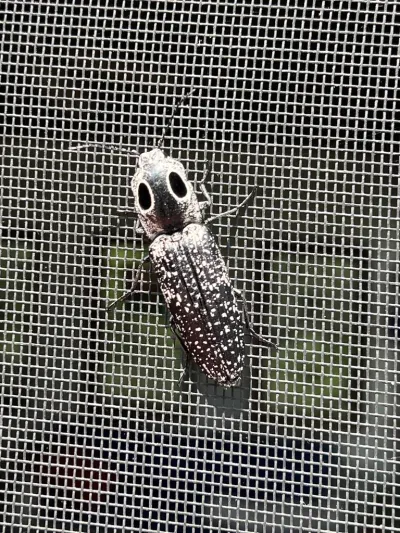
Click Beetles
Elateridae
Click beetles are distinctive insects known for their unique ability to flip themselves into the air with an audible clicking sound. While adults are harmless visitors to homes, their larvae (wireworms) can damage lawns and gardens.
View identification guide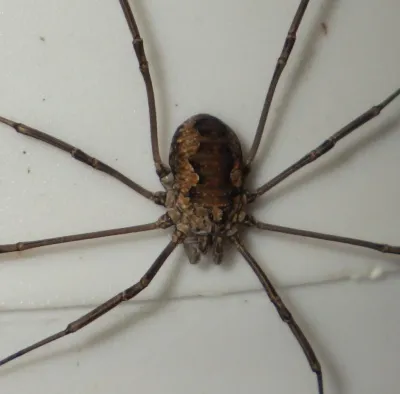
Daddy Long Legs
Opiliones
Daddy long legs (harvestmen) have very long thin legs and a small oval body. They look like spiders but are not. They have no venom and cannot bite.
View identification guide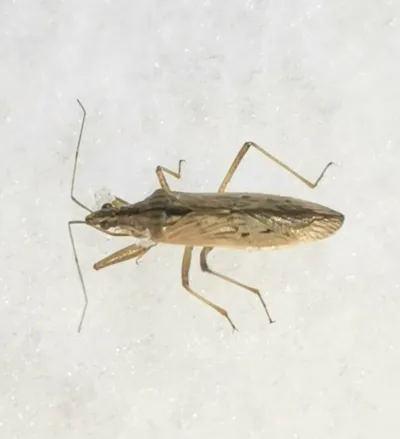
Damsel Bugs
Nabidae
Damsel bugs are small, slender predatory insects that feed on aphids, caterpillars, and spider mites. They are common in gardens and agricultural fields across North America.
View identification guide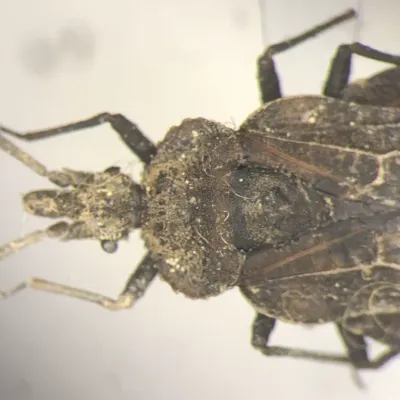
Flat Bugs
Aradidae
Flat bugs are small, dark-colored true bugs with extremely flattened bodies found under loose bark and in decaying wood, where they feed on fungi.
View identification guide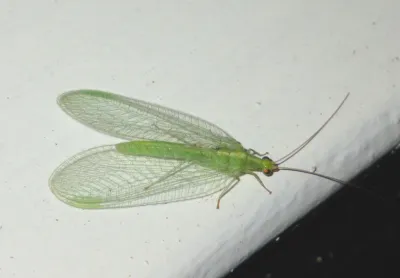
Green Lacewings
Chrysopidae
Green lacewings are delicate insects with transparent, lacy wings. Their larvae, known as aphid lions, are predators that feed on aphids, mites, and other soft-bodied insects.
View identification guide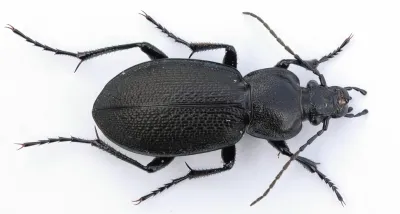
Ground Beetles
Carabidae
Ground beetles are predatory insects that often enter homes by accident. These large, fast-moving beetles startle homeowners and can become a nuisance when they invade in numbers.
View identification guide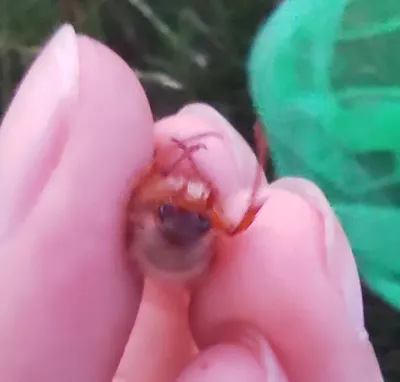
Grubs
Scarabaeidae larvae
White grubs are the larval stage of scarab beetles, including June bugs and Japanese beetles. These C-shaped larvae live in soil and feed on grass roots, often causing significant damage to lawns and turf.
View identification guide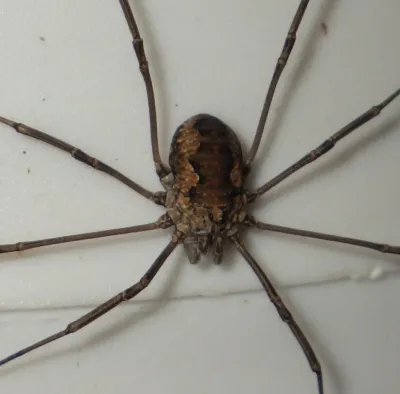
Harvestmen
Opiliones
Harvestmen, commonly called daddy longlegs, are arachnids often mistaken for spiders. Unlike true spiders, they have a single oval-shaped body segment, only two eyes, and cannot produce silk or venom.
View identification guide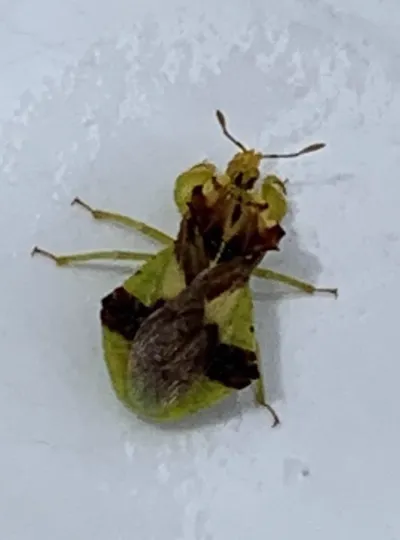
Jagged Ambush Bug
Phymata americana
Jagged ambush bugs are small, well-camouflaged predatory insects that hide on flowers to ambush pollinating insects. These members of the assassin bug family are harmless to humans but can deliver a painful bite if handled.
View identification guide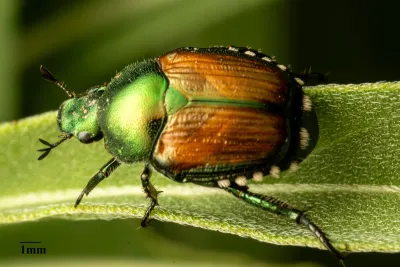
Japanese Beetles
Popillia japonica
Japanese beetles are invasive scarab beetles with metallic green heads and copper wing covers. Adults skeletonize plant foliage while larvae damage lawns by feeding on grass roots.
View identification guide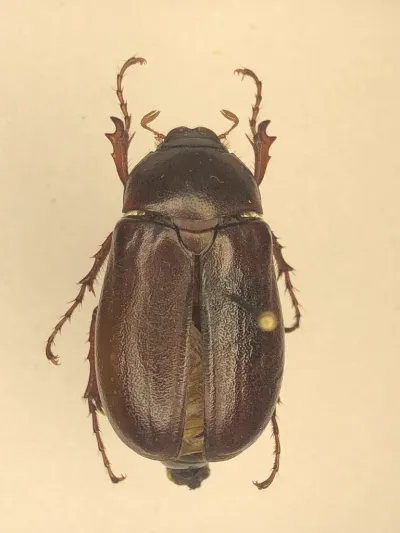
June Bugs
Phyllophaga spp.
June bugs are large, clumsy beetles that swarm around lights at night during late spring and early summer. Their larvae, called white grubs, can damage lawns and gardens.
View identification guide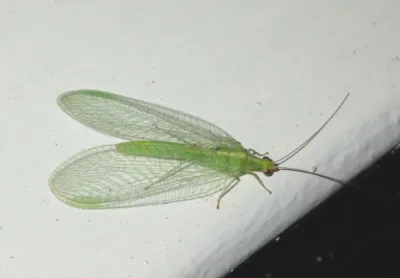
Lacewings
Chrysopidae / Hemerobiidae
Lacewings are delicate, beneficial insects with lace-like wings that are valued for their voracious appetite for aphids and other garden pests. While they sometimes enter homes attracted to lights, they pose no threat to humans or property.
View identification guide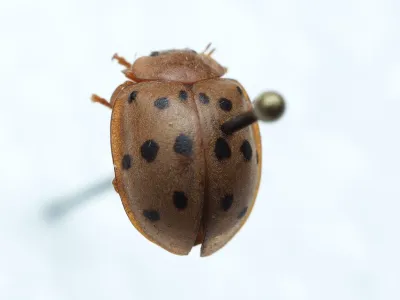
Mexican Bean Beetles
Epilachna varivestis
Mexican bean beetles are copper-orange lady beetles with 16 black spots that feed on bean plants. Unlike most lady beetles, they are plant eaters that skeletonize the leaves of snap beans, lima beans, and soybeans.
View identification guide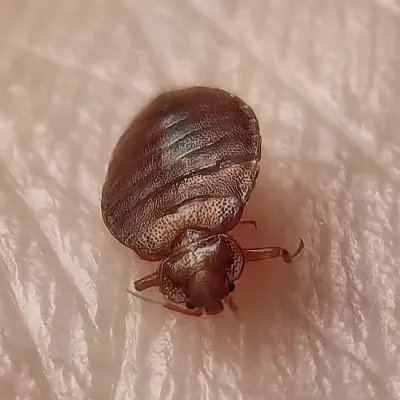
Mexican Chicken Bug
Haematosiphon inodorus
The Mexican chicken bug is a blood-sucking insect related to bed bugs. It mainly feeds on chickens and wild birds. Found mostly in Mexico and the southwestern U.S., it can harm poultry and sometimes bites people.
View identification guide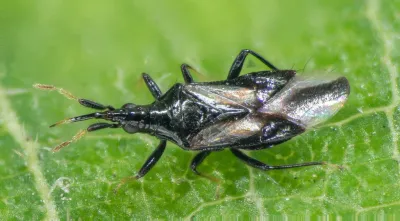
Minute Pirate Bugs
Orius insidiosus
Minute pirate bugs are tiny beneficial predators that can deliver surprisingly painful bites to humans, especially during late summer and fall when their prey becomes scarce.
View identification guide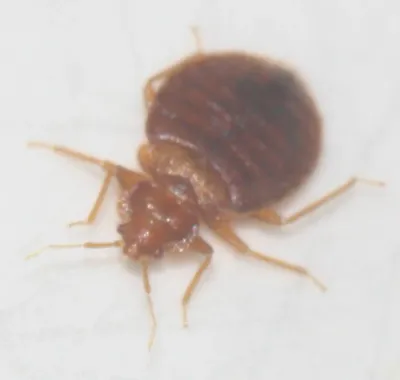
Poultry Bugs
Haematosiphon inodorus
The poultry bug is a blood-feeding pest in the bed bug family that feeds on birds like chickens, turkeys, and wild eagles.
View identification guide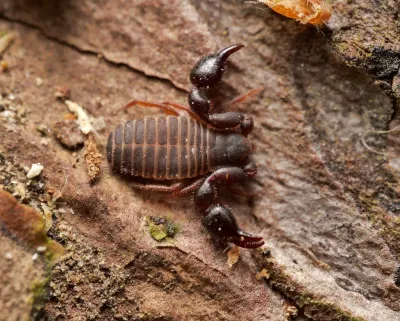
Pseudoscorpions
Pseudoscorpiones
Pseudoscorpions are tiny arachnids that look like scorpions but have no tail or stinger. They feed on booklice, mites, and carpet beetle larvae found in homes.
View identification guide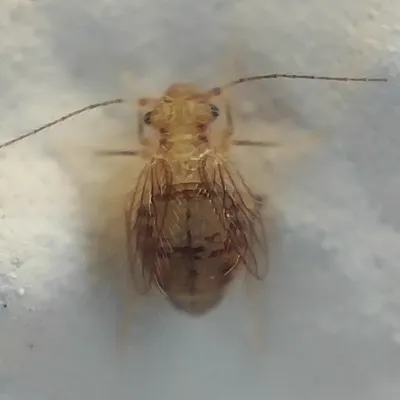
Psocids
Order Psocodea
Psocids, commonly called booklice or barklice, are tiny soft-bodied insects that thrive in humid environments and feed on mold, fungi, and starchy materials like book bindings and wallpaper paste.
View identification guide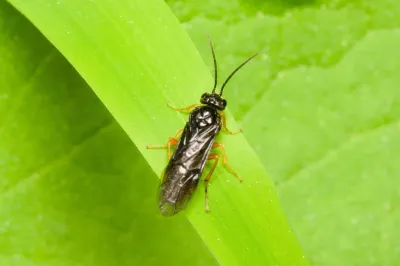
Sawflies
Symphyta (suborder)
Sawflies are plant-feeding insects whose caterpillar-like larvae can cause significant defoliation to trees, shrubs, and garden plants throughout North America.
View identification guide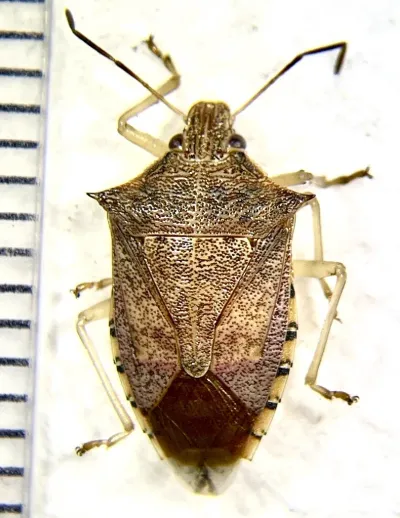
Soldier Bug
Podisus maculiventris
Soldier bugs are predatory insects in the stink bug family. They hunt caterpillars, beetle larvae, and aphids. Learn how to identify them and tell them apart from pest stink bugs.
View identification guide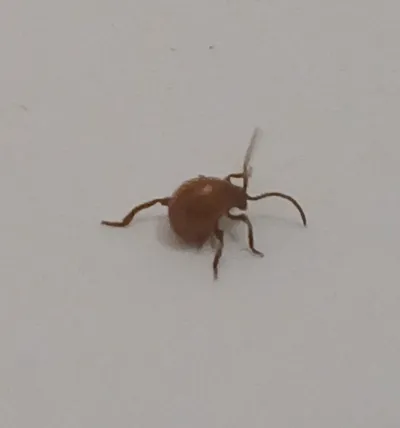
Spider Beetles
Ptininae
Spider beetles are small, round stored product pests that resemble tiny spiders due to their long legs and globe-shaped bodies. They infest pantries, warehouses, and homes where they feed on a wide variety of dried goods and organic debris.
View identification guide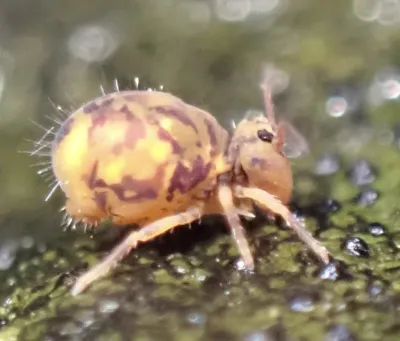
Springtails
Collembola
Springtails are tiny, moisture-loving hexapods that jump when disturbed. They thrive in damp environments and often invade homes in large numbers, indicating excess moisture problems.
View identification guide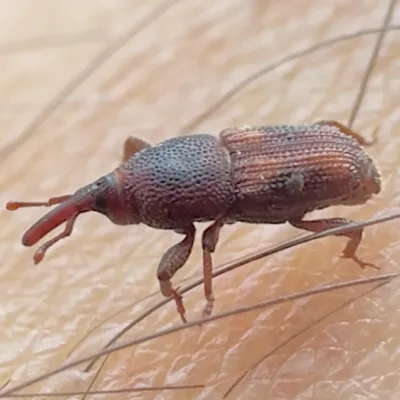
Weevils
Sitophilus spp.
Weevils are small beetles with distinctive elongated snouts that infest stored grains, cereals, and pantry products. Rice weevils and granary weevils are the most common species found in homes, developing entirely inside grain kernels.
View identification guide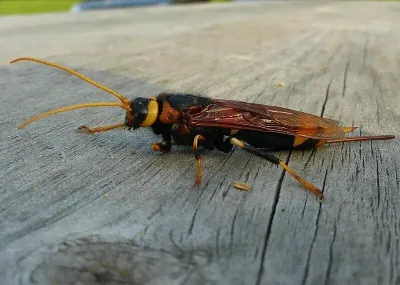
Wood Wasps
Siricidae (Family)
Wood wasps, also known as horntails, are large wood-boring insects that develop in weakened or dying trees and occasionally emerge inside homes built with infested lumber.
View identification guideCommon Questions about Other Pests
What are occasional invaders?
+
Occasional invaders are pests that don't typically live indoors but enter homes during certain seasons or weather conditions. They include stink bugs, boxelder bugs, Asian lady beetles, earwigs, and similar pests that seek shelter or accidentally wander inside.
Why do stink bugs come into my house?
+
Stink bugs enter homes in fall seeking shelter for winter. They're attracted to warm, sunny sides of buildings and enter through gaps around windows, doors, and siding. Once inside, they may emerge on warm winter days, seeming to appear suddenly.
Are stink bugs harmful?
+
Stink bugs don't bite, sting, or cause structural damage. Their main issue is the unpleasant odor they release when disturbed or crushed. They can also stain fabrics and surfaces with their defensive secretions.
What's the best way to remove stink bugs?
+
Vacuum them up using a shop vac or a dedicated vacuum, as the odor can linger in regular vacuums. You can also sweep them into soapy water. Avoid crushing them, as this releases their characteristic smell.
How do I prevent occasional invaders?
+
Seal cracks around windows, doors, and the foundation. Install door sweeps and repair damaged screens. Apply exterior treatments in fall before pests start seeking shelter. Address moisture issues that attract some invaders.
Explore Other Pest Categories
Browse our comprehensive pest library for identification guides and control information.



With five years of hands-on experience in the pest control industry, George Schulz is a registered technician with the Virginia Pest Management Association and a proud third-generation professional in a family business that's been protecting homes for over 57 years.
Find Local Other Pest Control Services
We provide professional other pests control throughout Virginia, Maryland, and the DC Metro area.