Mosquitoes
Culicidae (family)
Tiny, blood-feeding insects that spread disease and disrupt outdoor activities.
Mosquitoes Identification Guide
Physical Characteristics
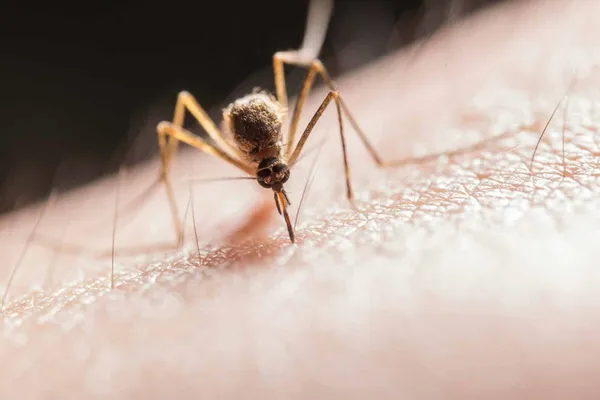
Mosquitoes are small flying insects. They have thin bodies, long legs, and narrow wings. Their mouth has a needle-like part called a proboscis. They use this to feed on blood. Their bodies are light brown to black in color. Many have white or silver markings. Male mosquitoes are a bit smaller than females. Males do not bite. They only feed on nectar from flowers.
Common Species
-
Aedes albopictus (Asian Tiger Mosquito): Black with white stripes. Bites during the day. Very aggressive.
-
Culex pipiens (Common House Mosquito): Brown in color. Mostly bites at night. The closely related southern house mosquito is the dominant species in the southern United States.
-
Aedes aegypti (Yellow Fever Mosquito): Black with white markings. Known to spread diseases. A related species, Eastern Saltmarsh Mosquitoes, shares similar characteristics.
Mosquitoes Behavior and Biology
A related species, Eastern Treehole Mosquitoes, shares similar characteristics. Mosquitoes have four life stages: egg, larva, pupa, and adult. Females lay their eggs in standing water. The larvae grow into pupae. Then they become adults. Only female mosquitoes bite. They need blood to produce eggs. Both males and females drink nectar from plants for energy. Mosquitoes love warm, humid weather. Their numbers peak during spring and summer. To learn more about how long mosquitoes live and what mosquitoes eat, check out our detailed guides.
How We Treat for Mosquitoes
Our goal is to target where mosquitoes rest and breed. Our technicians use a backpack sprayer to apply treatment. We focus on shaded areas, thick brush, ivy patches, and other spots where mosquitoes hide. Our treatments include:
-
Adulticide Spray: Kills adult mosquitoes quickly.
-
Growth Regulator: Stops young mosquitoes from becoming adults. This helps reduce the population over time.
-
In2Care System (Optional Add-On): Uses larvicides and fungal agents to reduce breeding. A great option for those who prefer less spraying.
-
Customer Tips: We help you find and remove standing water. We also give tips on landscaping to cut down on mosquito breeding spots.
For best results, we suggest regular treatments during mosquito season. This runs from April through October—the same window our mosquito control service in Stephenson covers.
Health Risks
Mosquitoes can spread diseases like West Nile virus, Zika, and Eastern Equine Encephalitis. These are rare but can be serious. If you feel sick after mosquito bites, talk to your doctor. Learn more about what mosquitoes look like and the different types of mosquitoes found in our service area.
This is not medical advice. Always consult a doctor for health concerns.
References
Types of Mosquitoes
Click on any species below to learn more about identification, behavior, and control methods.
Asian Bush Mosquitoes
Aedes japonicus
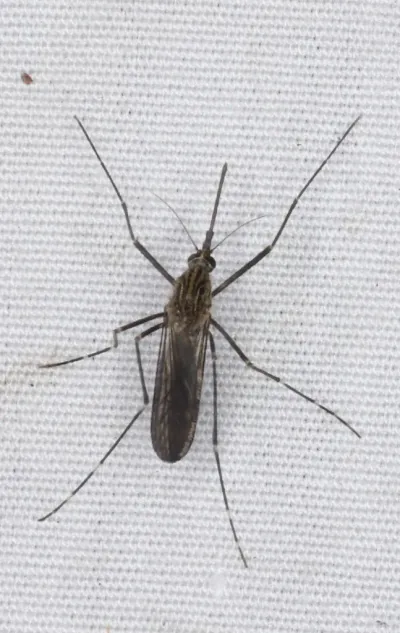
Asian bush mosquitoes are invasive daytime biters with golden-striped thoraxes found throughout eastern North America. They can transmit West Nile virus and other diseases.
View identification guide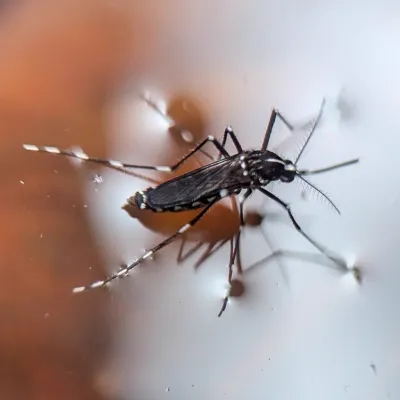
Asian Tiger Mosquitoes
Aedes albopictus
Asian tiger mosquitoes are aggressive daytime biters with black and white stripes. They can spread diseases like Zika, dengue, and chikungunya.
View identification guide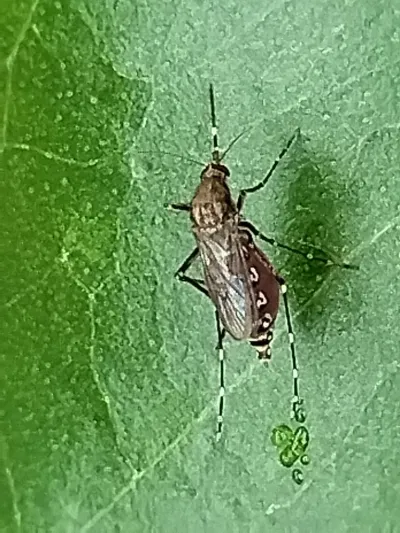
Black Saltmarsh Mosquitoes
Aedes taeniorhynchus
Black saltmarsh mosquitoes are aggressive coastal biters found throughout the Atlantic and Gulf coasts. These dark mosquitoes can fly over 30 miles from salt marshes and transmit diseases like Venezuelan equine encephalitis and dog heartworm.
View identification guide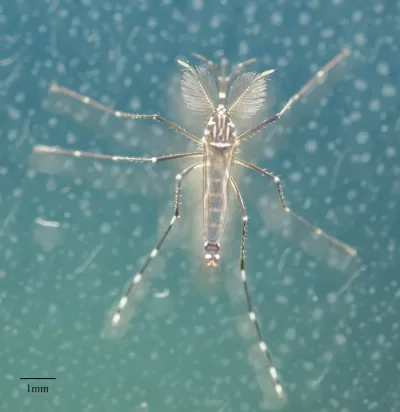
Brown Saltmarsh Mosquitoes
Aedes cantator
Brown saltmarsh mosquitoes are persistent biters found along coastal areas of eastern North America. They breed in brackish water habitats and can travel several miles inland to feed on humans and animals.
View identification guide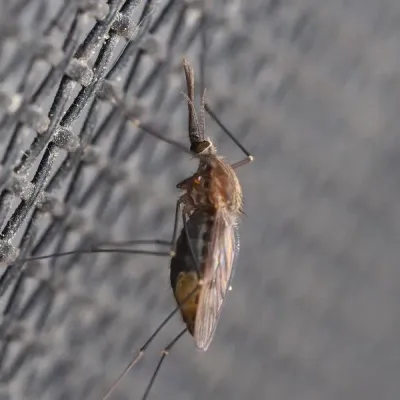
Common Malaria Mosquitoes
Anopheles quadrimaculatus
Common malaria mosquitoes are brown, spotted-wing mosquitoes of the eastern United States. They rest at a steep head-down angle and breed in still freshwater swamps, ponds, and ditches.
View identification guide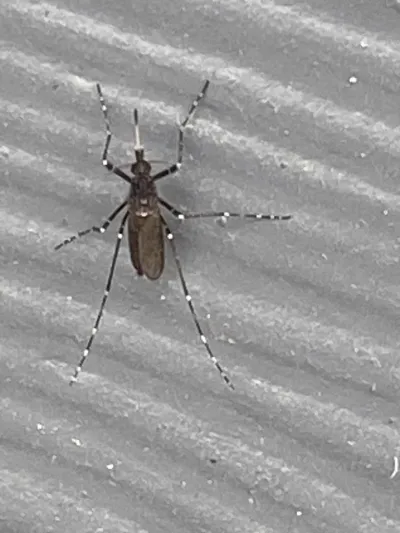
Dark Ricefield Mosquitoes
Psorophora columbiae
Dark ricefield mosquitoes are aggressive biters found throughout the southern and eastern United States. They breed in flooded agricultural fields and can transmit diseases to livestock and humans.
View identification guide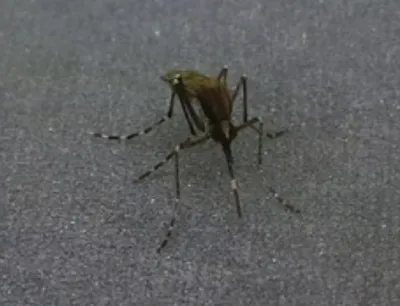
Eastern Saltmarsh Mosquitoes
Aedes sollicitans
Eastern saltmarsh mosquitoes are aggressive biters found along the Atlantic and Gulf coasts. They can travel over 30 miles from coastal marshes and spread diseases like Eastern equine encephalitis.
View identification guide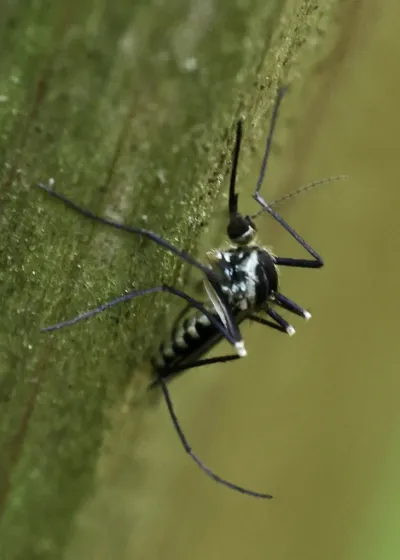
Eastern Treehole Mosquitoes
Aedes triseriatus
Eastern treehole mosquitoes are woodland mosquitoes that breed in tree holes and tires. They are the primary vector of La Crosse encephalitis virus in the United States.
View identification guide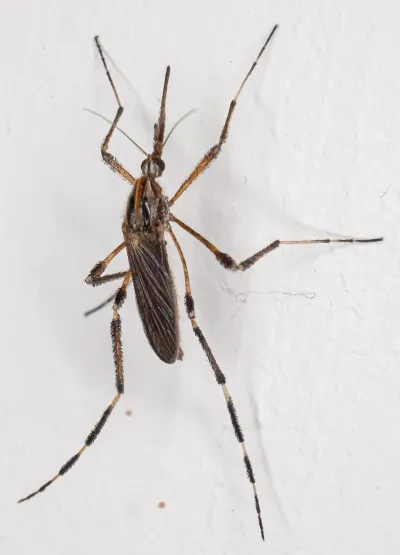
Gallinipper Mosquitoes
Psorophora ciliata
The gallinipper is one of North America's largest mosquitoes, known for its aggressive biting behavior and painful bites that can penetrate clothing.
View identification guide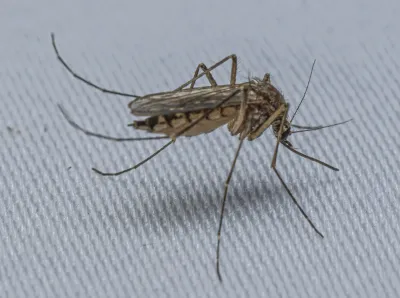
Inland Floodwater Mosquitoes
Aedes vexans
Inland floodwater mosquitoes are aggressive biters found throughout North America. They emerge in large numbers after flooding events and can travel over 10 miles from breeding sites.
View identification guide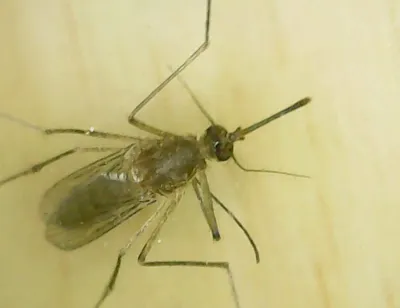
Northern House Mosquitoes
Culex pipiens
Northern house mosquitoes are the common brown, night-biting mosquitoes of the northern and mid-Atlantic United States. They breed in stagnant, dirty water and are the main carriers of West Nile virus.
View identification guide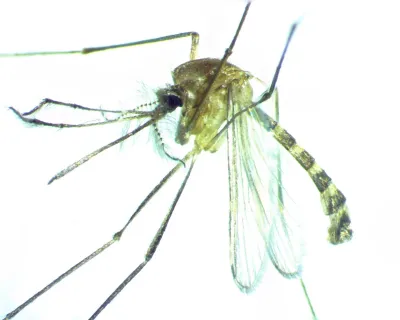
Southern House Mosquitoes
Culex quinquefasciatus
Southern house mosquitoes are nighttime biters found throughout the southern United States. They breed in polluted water and can spread West Nile virus and St. Louis encephalitis.
View identification guide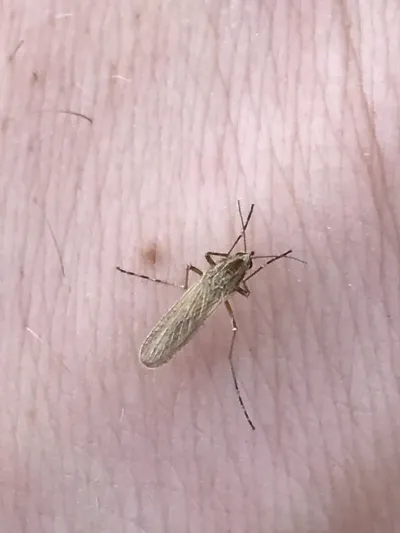
Summer Saltmarsh Mosquitoes
Aedes dorsalis
Summer saltmarsh mosquitoes are aggressive biters found across North America. Known for traveling up to 30 miles from breeding sites, they thrive in saline and freshwater habitats and can transmit California encephalitis virus.
View identification guide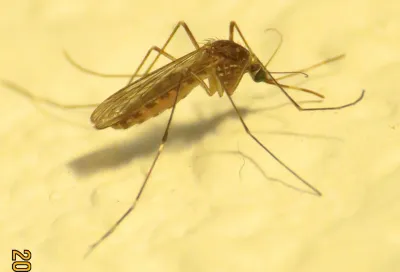
Western Encephalitis Mosquitoes
Culex tarsalis
Western encephalitis mosquitoes are important disease vectors found primarily in western and central North America. They can transmit West Nile virus, Western equine encephalitis, and St. Louis encephalitis.
View identification guide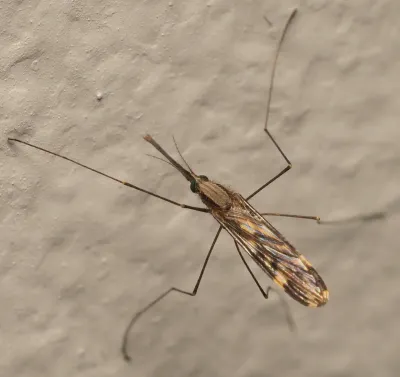
Western Malaria Mosquitoes
Anopheles freeborni
Western malaria mosquitoes are brown mosquitoes with spotted wings found in western North America. They are aggressive biters that historically spread malaria in California.
View identification guide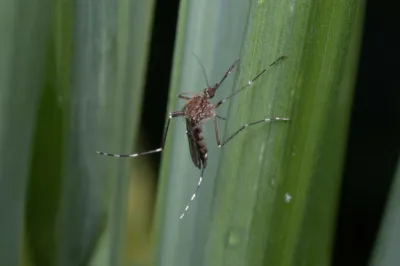
Woodland Pool Mosquitoes
Aedes canadensis
Woodland pool mosquitoes are aggressive daytime biters common in forested areas of eastern North America. They breed in temporary woodland pools and can transmit diseases including dog heartworm and several encephalitis viruses.
View identification guide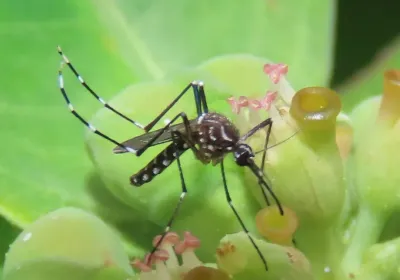
Yellow Fever Mosquitoes
Aedes aegypti
Yellow fever mosquitoes are small, dark, daytime-biting mosquitoes marked with a lyre-shaped white pattern on the back and white bands on the legs. They breed in containers around homes and can carry dengue, Zika, chikungunya, and yellow fever.
View identification guideCommon Questions about Mosquitoes
What attracts mosquitoes to my yard?
+
Mosquitoes are attracted to standing water, shaded areas, and carbon dioxide emitted from breathing. Birdbaths, clogged gutters, and unused containers holding water create prime breeding grounds.
How long do mosquito treatments last?
+
Our treatments remain effective for approximately 3-4 weeks, depending on weather conditions. Regular applications are necessary to maintain control.
Is the In2Care system better than traditional sprays?
+
The In2Care system is an eco-friendly approach that targets mosquito breeding, making it a great alternative for those who prefer not to spray. However, it works best when used in conjunction with traditional treatments.
How soon can I expect results after a treatment?
+
You'll see a noticeable reduction in mosquito activity within 24-48 hours. Continued treatments will keep the population under control throughout the season.
Do you treat for mosquitoes in the winter?
+
No, mosquito treatments are only necessary from spring through fall when they are active. Mosquitoes become inactive and die off in colder temperatures.
Can I reduce mosquitoes without professional treatments?
+
Yes! Eliminating standing water, using fans, planting mosquito-repellent plants like citronella, and keeping vegetation trimmed can help reduce mosquito activity. However, professional treatments provide the most effective and long-lasting results.
More Resources About Mosquitoes
Explore our guides and articles for more information about mosquitoes.
- ›Maryland Mosquitoes: Common Types and When They Come Out
- ›Mosquitoes in Virginia: Common Species, Season, and Risks
- ›Crane Fly vs Mosquito: Is That 'Mosquito Hawk' a Threat?
- ›What Do Mosquitoes Eat? Mosquito Diet & Habitat Guide
- ›What Do Mosquitoes Look Like? ID Guide & Treatment Options
- ›How Long Do Mosquitoes Live: Life Cycle and Seasonality
- ›Mosquito Lifespan & Life Cycle: What You Need to Know
- ›Common Mosquito Types in DC: How to Identify Local Species
- ›Male vs Female Mosquito: Why Only Females Transmit Disease
- ›The Mosquito Control Process: Reclaim Your Backyard
- ›Gnat vs Mosquito: Identifying & Controlling These Pests
- ›Bugs That Jump: How to Identify & Prevent Infestations
- ›Fungus Gnats vs Drain Flies: Your Complete ID Guide
- ›House Spider vs Wolf Spider: Which One Is in Your Home?
- ›Tiny Black Bugs in Bathroom: Complete Identification Guide
- ›Why Are Stink Bugs Called Stink Bugs? Mystery Solved!
- ›Termite Tunnels 101: What These Mud Tubes Mean for Your Home
- ›Are Arachnids Insects? The Key Differences Explained
- ›Termite Prevention & Control
Explore Other Pest Categories
Browse our comprehensive pest library for identification guides and control information.



With five years of hands-on experience in the pest control industry, George Schulz is a registered technician with the Virginia Pest Management Association and a proud third-generation professional in a family business that's been protecting homes for over 58 years.
Find Local Mosquitoe Control Services
We provide professional mosquitoes control throughout Virginia, Maryland, and the DC Metro area.
Local Mosquitoes Help
Dealing with mosquitoes at home? Our licensed technicians provide mosquito control across Northern Virginia and Maryland.
 Our serviceMosquito & Tick ControlSeasonal yard programs
See Mosquito & Tick ControlFrom $75/service
Our serviceMosquito & Tick ControlSeasonal yard programs
See Mosquito & Tick ControlFrom $75/serviceMosquito Control near you
- Alexandria Mosquito Control
- Annandale Mosquito Control
- Arlington Mosquito Control
- Ashburn Mosquito Control
- Bethesda Mosquito Control
- Bowie Mosquito Control
- Burke Mosquito Control
- Centreville Mosquito Control
- Chantilly Mosquito Control
- Chevy Chase Mosquito Control
- Clinton Mosquito Control
- College Park Mosquito Control
- Columbia Mosquito Control
- Crofton Mosquito Control
- Ellicott City Mosquito Control
- Fairfax Mosquito Control
- Fairfax Station Mosquito Control
- Falls Church Mosquito Control
- Fort Washington Mosquito Control
- Frederick Mosquito Control
- Fredericksburg Mosquito Control
- Gainesville Mosquito Control
- Gaithersburg Mosquito Control
- Germantown Mosquito Control
- Glen Burnie Mosquito Control
- Great Falls Mosquito Control
- Greenbelt Mosquito Control
- Herndon Mosquito Control
- Hyattsville Mosquito Control
- Kensington Mosquito Control
- Laurel Mosquito Control
- Leesburg Mosquito Control
- Lorton Mosquito Control
- Manassas Mosquito Control
- McLean Mosquito Control
- Oakton Mosquito Control
- Olney Mosquito Control
- Oxon Hill Mosquito Control
- Potomac Mosquito Control
- Reston Mosquito Control
- Rockville Mosquito Control
- Silver Spring Mosquito Control
- South Riding Mosquito Control
- Springfield Mosquito Control
- Stafford Mosquito Control
- Sterling Mosquito Control
- Takoma Park Mosquito Control
- Upper Marlboro Mosquito Control
- Vienna Mosquito Control
- Waldorf Mosquito Control
- Warrenton Mosquito Control
- Winchester Mosquito Control
- Woodbridge Mosquito Control
- All service areas →