
A mosquito bite can ruin summer outdoor time. Knowing how long mosquitoes live and how fast they breed helps you time your control efforts for the best results.
When my family battled swarms in our own backyard, I studied the life cycle at each stage. That research is what drives our treatment program today.
The Four Stages of the Mosquito Life Cycle
According to the CDC, mosquitoes go through four stages. Knowing these stages helps us target treatments at the right time.
Stage 1: Eggs
Female mosquitoes lay eggs on still or damp surfaces near water after taking a blood meal. Some species lay eggs on soil that later floods. Culex species stick eggs together in floating “rafts” of 100-300 eggs, per the American Mosquito Control Association. Eggs hatch in 1-2 days when submerged.
Stage 2: Larvae (Wigglers)
After hatching, larvae live in water as “wigglers.” They filter microorganisms and organic matter to eat. Larvae go through four molts (instars) and must come to the surface to breathe through a siphon tube.
Virginia Tech research shows larvae pupate in 5-7 days when water is warm. Cold water slows them down.
Stage 3: Pupae (Tumblers)
The pupal stage lasts about 2 days in warm water. These “tumblers” float and dart but don’t feed. Inside each pupa, the insect reshapes into an adult.
Stage 4: Adult
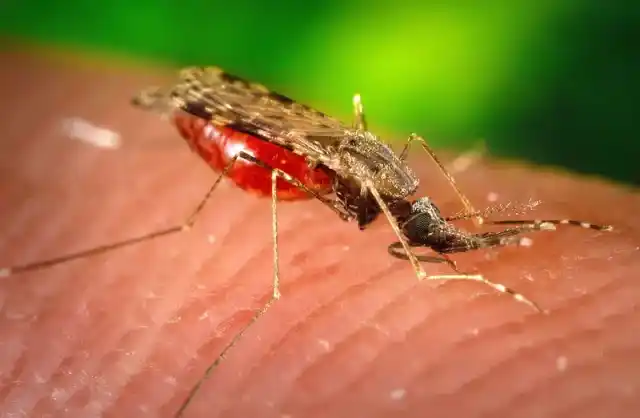
The adult mosquito breaks out of the pupal case and flies away. Males feed only on nectar and live about a week. Female mosquitoes live 2-3 weeks after emerging and must take blood meals to produce eggs. For more on the difference, see male vs female mosquitoes.
Lifespan by Species
Aedes albopictus (Asian Tiger Mosquito)
Bites during the day. Breeds in small containers like flower pots and birdbaths. Usually stays within a few hundred feet of where it hatched. Control focuses on removing standing water from your yard.
Culex pipiens (Northern House Mosquito)
Breeds in ditches and pond edges. Females lay egg rafts in polluted water. Adults live about 12 days at 86°F per research. Mated females can hibernate in basements and live for months through winter.
Aedes aegypti (Yellow Fever Mosquito)
Adults live about three weeks per the California CDPH. Lays eggs on container walls above the waterline. Prefers fresh water and thrives in warm temps.
The average mosquito lives about 2-4 weeks in summer. Fast development means a new generation every 1-2 weeks in warm weather.
What Affects How Long Mosquitoes Live
Temperature, humidity, and habitat all shape mosquito lifespan. High humidity keeps them from drying out. Stagnant water in ponds, gutters, and containers makes ideal breeding spots. Along a river floodplain, one heavy rain can leave enough backwater to restart the whole cycle, which is why the yards we cover with mosquito service in Fredericksburg, VA get treated monthly instead of once a season. In drought, only deep pools hold larvae. Warm weather can compress the full life cycle to just one week.
How This Helps With Control
Knowing the life cycle tells you when and where to treat:
- Larvicide hits concentrated larvae in water before they become flying adults
- Adulticide sprays knock down biting adults in vegetation where they rest
- Source reduction removes standing water before eggs can hatch
Timing treatments to the life cycle means fewer applications with better results. See our mosquito control process for details.
Our Mosquito Treatment Program
We tested approaches in our own backyard until our IN2Care traps and vegetation spray combo stopped breeding. Registered technicians install traps and spray shaded foliage where mosquitoes rest.
From April through October, we visit monthly. We time treatments to the life cycle and larval peaks so they hit when they matter most. For more on mosquito habits, see our mosquitoes guide.
Our team uses these prevention steps plus professional treatments to keep DMV yards mosquito-free all summer. In lake neighborhoods where new broods hatch every week or two, like the homes we cover with mosquito control in Montclair, the monthly visit matters more than anything you can do with a hose and a rake.
Related Guides
- Crane Fly vs Mosquito
- Gnat vs Mosquito
- Male vs Female Mosquito
- The Mosquito Control Process
- Mosquitoes
If you need help with mosquitoes, call us at 703-683-2000 or email info@bettertermite.com for a free quote.