
How long do mosquitoes live? Most adult female mosquitoes live about 2-3 weeks. Males last about a week. Knowing that helps you time treatments for the best results.
Here is the short version, before we get into the details:
| Question | Answer |
|---|---|
| Female mosquito lifespan | 2-3 weeks; up to 8 weeks in ideal conditions |
| Male mosquito lifespan | About 7 days |
| Egg to biting adult | 7-10 days in summer |
| Lifespan after a bite | Unchanged; she rests 2-3 days, lays eggs, and bites again |
| Lifespan in your house | 2-3 weeks with moisture and a sugar source; days without |
| Overwintering females (Culex) | Up to 6 months in a dormant state |
This guide covers the mosquito life cycle, lifespans by species, what happens after a bite, indoor survival, DMV seasonal peaks, and control tips.
What Does “How Long Do Mosquitoes Live” Mean?
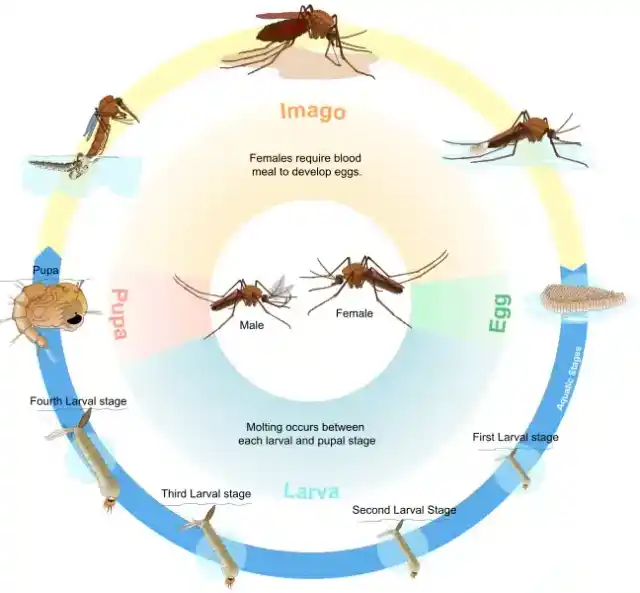
Understanding lifespan versus life cycle is key. Lifespan (or life span) means how long an adult lives. The life cycle covers all stages: egg, larva, pupa, adult. Knowing both guides your mosquito control timing. For more on mosquito biology, see our full guide on Mosquitoes.
The Four Stages of the Mosquito Life Cycle
According to the CDC, all mosquitoes go through four stages before they bite, and the whole trip from egg to adult takes about 7-10 days.
Egg: From Mosquito Eggs to Hatch
Mosquito eggs are laid on or near water.
- Culex females lay floating rafts of 100-300 eggs on stagnant water. Most hatch within 48 hours.
- Aedes females glue eggs just above the water line. The CDC notes those eggs can survive drying out for up to 8 months before a rain floods them and they hatch.
Larva: The Mosquito Larva Stage
Larvae, or wigglers, live in water and feed on microbes. They molt four times (go through four instars) and become pupae in as few as 5 days if water temperature and food supply are right.
Pupa: Transition to Adult Mosquito
Pupae, called tumblers, don’t feed. They rest near the surface for 2-3 days before the adult mosquito emerges.
Adult Mosquito: Emergence and Feeding
Adult mosquitoes dry their wings and fly off.
- Female mosquitoes bite and need a blood meal to develop eggs.
- Male mosquitoes feed on nectar only and live about a week.
Average Lifespan: How Long Do Mosquitoes Live by Sex and Species
Female Mosquito Lifespan
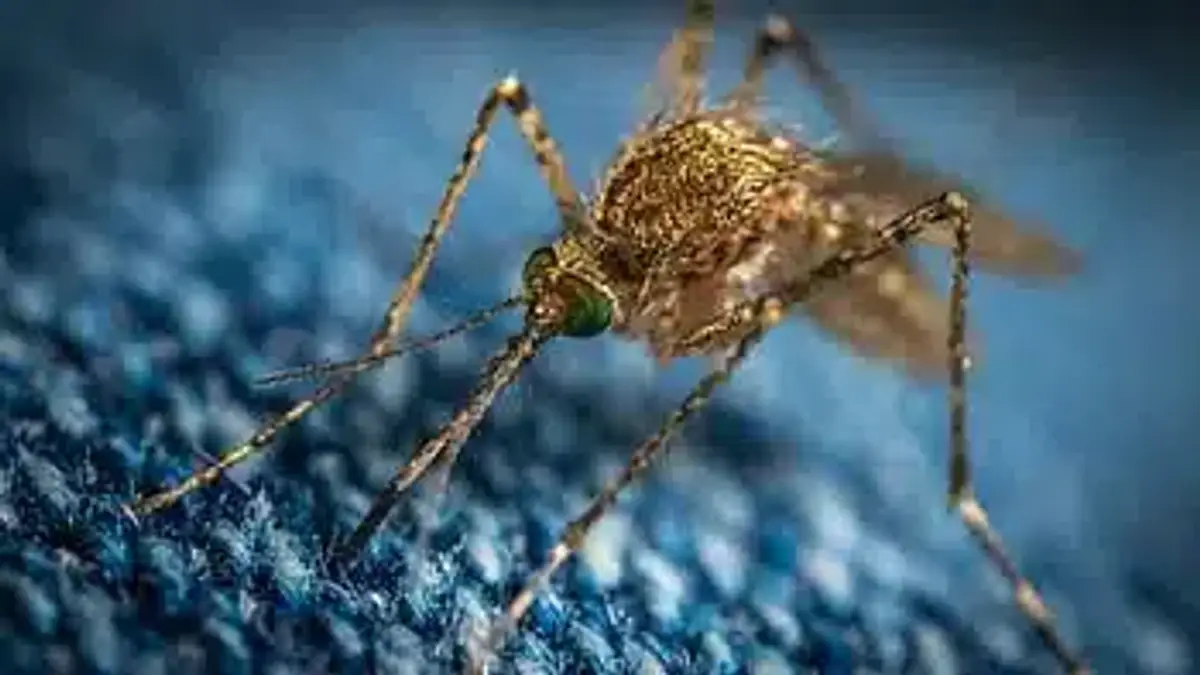
Most adult female mosquitoes live about 2-3 weeks in summer. In that time a female can take several blood meals and lay a batch of 100-300 eggs after each one. When conditions line up, a few females live much longer.
According to the American Mosquito Control Association, most adult female mosquitoes live 2-3 weeks, but species that overwinter in garages, culverts, and attics can live as long as 6 months. The Coachella Valley Mosquito and Vector Control District adds that when conditions are right, some mosquitoes reach 8 weeks.
Male Mosquito Lifespan
Male mosquitoes usually live about 7 days. They do not bite; instead, they feed on nectar and pollinate flowers. Most die not long after mating. For more on the differences, see our post on male vs female mosquitoes.
How Long Does a Mosquito Live After It Bites You?
A bite does not shorten a mosquito’s life at all. That is a common mix-up with honey bees, which die after stinging. A female mosquito that just fed on you will rest for 2-3 days while the blood digests and her eggs develop. Then she finds standing water, lays the batch, and goes looking for her next host.
She repeats that feed-rest-lay cycle for the rest of her 2-3 week adult life, so one female can bite you several times and lay hundreds of eggs. That is why the mosquito you swatted last night is only part of the problem; the eggs she already laid in a clogged gutter are the rest of it.
How Long Can a Mosquito Live in Your House?
A mosquito that gets inside can live about as long as one outside, roughly 2-3 weeks, if it finds two things: moisture and sugar. A drippy sink, a pet water bowl, a vase, a bowl of fruit, or a houseplant is enough. Indoors there are no birds, bats, or dragonflies to eat it. The temperature is steady, too. So some last a little longer than they would in the yard.
Take those two things away and the picture changes fast. In a dry, air-conditioned room with no sugar source, a mosquito usually dies within a few days. A single indoor mosquito almost always flew in through a door or a torn screen. It did not hatch inside. Mosquitoes need standing water to breed. Unless you have a wet basement, a sump pit, or a plant saucer that never dries out, they are not reproducing in your house.
How Long Do Mosquitoes Live Without Blood or Water?
Blood is for eggs, not survival. Both sexes run on sugar, and a female that never finds a host can still live her normal 2-3 weeks on nectar, fruit, or honeydew. What she cannot do without blood is produce a batch of eggs.
Water and humidity are the real limits. Mosquitoes are small and lose moisture quickly.
A pooled analysis of 17 lab studies in Parasites & Vectors found that Aedes mosquitoes can lose up to 40% of their body water before they die. Dry air speeds that up. At 33% humidity, adult Aedes aegypti died about 6.7 times faster than in humid air. Giving them water or sugar cut the risk of death by 80-95%.
In plain terms: a mosquito with nothing to drink lasts a few days at most. One with a sugar source and humid air lasts weeks, whether or not it ever bites anyone.
Common Mosquito Species and Their Lifespans
Aedes albopictus (Asian Tiger Mosquito)
- Egg to adult in 7-10 days in warm weather.
- Adult females typically live 2-4 weeks and feed on blood and nectar.
- Eggs can stay dormant in dry containers for months.
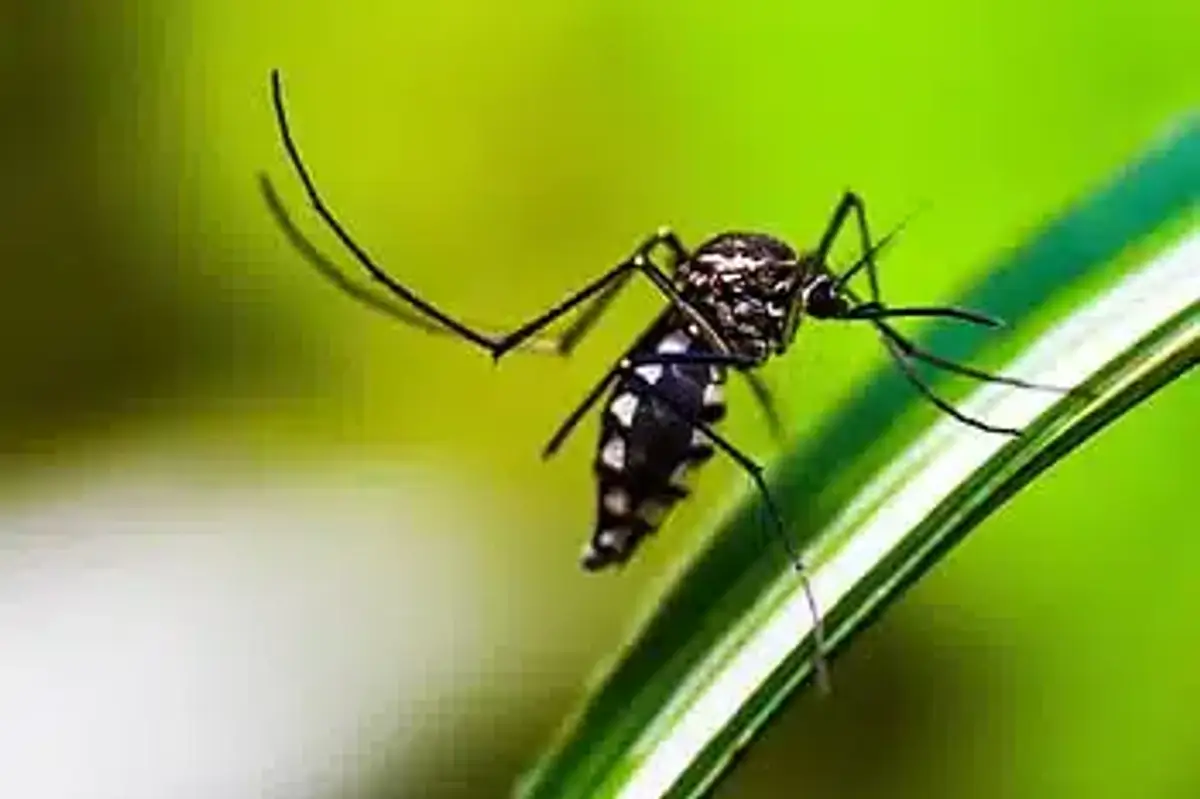
- A day biter with a short flight range, about 300 feet, so the one biting you probably hatched on your property or a neighbor’s.
- The most common backyard biter in the DMV. See our Asian tiger mosquito profile.
Culex pipiens (Northern House Mosquito)
- Egg-to-adult in about 7-10 days.
- Active females live about 2-3 weeks; late-season females enter diapause and hibernate in crawlspaces, sheds, and culverts for up to 6 months.
- Night biters and primary carriers of West Nile virus. Its close cousin, the southern house mosquito, overlaps with it in our area.
Environmental Factors That Influence How Long Mosquitoes Live
- Temperature: Heat speeds development but shortens adult life.
- Humidity: High moisture reduces desiccation; dry air is deadly.
- Nutrition: Nectar and blood feeding extend life span.
- Predation: Birds, bats, fish, and other insects prey on mosquitoes.
Seasonality: When Mosquitoes Live in the DMV Region
Spring Onset of Mosquito Season
In the DMV, mosquitoes start appearing in April once temperatures hit about 50°F. Early yard cleanup prevents many larvae. The Fairfax County Health Department recommends emptying anything that holds water at least once a week, because that is shorter than the 7-10 days a batch needs to become biting adults.
Summer Peak of Mosquito Activity
From June through August, overlapping generations mean constant biting and higher West Nile virus risk. Humid, warm nights let female mosquitoes live longer and feed more often.
Autumn Decline and First Frost
Mosquito activity drops after the first hard freeze (often October to early November). Aedes eggs persist in dry sites, while Culex females hide in crawlspaces until spring.
Overwintering: How Mosquitoes Survive Winter
- Aedes eggs lie dormant in containers.
- Culex females hibernate in sheltered spots, ready to resume biting when it warms up.
How Weather and Climate Change Extend Mosquito Season
Warmer springs and milder falls are adding “mosquito days” each year, and the DMV is on the high end of that trend.
Climate Central looked at 239 U.S. cities from 1970 through 2025. The average city now has 18 more “mosquito disease days” per year than it did in the early 1970s. Those are days warm enough for Culex mosquitoes to spread West Nile virus. The Northeast, which covers the DC region in their analysis, gained about 20 days.
For a homeowner, that means the “April to October” rule of thumb keeps stretching at both ends. We now see biting Asian tiger mosquitoes into the first week of November in a mild year.
Using Life Cycle Insights for Effective Mosquito Control
Target mosquitoes at vulnerable stages to break their life cycle:
- Remove standing water weekly, since eggs become biting adults in 7-10 days.
- Treat water you cannot drain with larvicides.
- Apply barrier sprays before adult peaks. Learn more in our Mosquito Control Process: Reclaim Your Backyard.
Proven Backyard Solutions: Our Family’s Fight with Mosquito Lifespan
My own family’s backyard had a serious mosquito problem because of the heavy vegetation and moisture back there. We actually built our mosquito program around that yard, trying a lot of different things on it. What finally worked was a combination of IN2Care stations and a topical spray to the vegetation, which cut the breeding that was happening on our own property.
IN2Care Mosquito Trap System
These stations lure resting mosquitoes. The gauze strips contain larvicide and a fungus that females pick up and carry to breeding sites.
Topical Spray to Vegetation
Our registered technicians use a backpack sprayer with an adulticide plus Insect Growth Regulator. They focus on shaded foliage, ivy patches, and brush lines for knockdown.
The Breeding Source Hiding in the Lawn
Because a female only needs 7-10 days of standing water to raise a batch, the hardest jobs are the ones where the water is somewhere nobody can see. Daren, one of our registered technicians, has done more mosquito work than anyone else on our team. He had a house where nothing he treated seemed to bring the population down. One day he was walking the yard and stepped on something hard in the grass. He pulled the turf back and found a drainage well, one of those NDS catch basins that carries water away from the foundation. It was so overgrown you could not tell it was there. The PVC lines running to it were packed with grass and roots. The whole system was holding water, and mosquitoes were breeding in it.
The homeowner happened to have a map of the drainage layout, and Daren was able to find most of the other wells. One was so buried he told her it was probably under the soil for good. She had the system cleared and repaired, and the problem stopped.
Daren learned another lesson from years of mosquito work in Mount Vernon and Fort Hunt. If your yard is tidy but the neighbors have dense foliage, we can knock the population down, but nobody can promise zero mosquitoes. They fly in from next door. The goal is fewer bites, not a bubble.
Professional Mosquito Treatments and Timing
Larviciding Best Practices
Use Bti dunks or granules in standing water every 7-10 days from April to October. This stops most larvae from completing their life cycle.
Adulticiding (Barrier Sprays and Fogging)
Spray at dusk or dawn around your yard’s ecotone. This living edge treatment knocks down adult mosquitoes resting on leaves.
What Mosquito Treatment Costs in the DMV
Our mosquito service starts at $75 per visit. Pricing goes up with yard size and application time. Seasonal plans bring the per-visit cost down. Adults only live 2-3 weeks and new ones emerge every 7-10 days, so we schedule treatments every few weeks through the season instead of a single spray.
Integration with Local Services
We run mosquito programs across the DMV, including Reston, Alexandria, and Ashburn, plus Herndon, Fort Belvoir, Sterling, Woodbridge, and Frederick.
Between professional treatments, there are simple steps you can take on your own.
DIY Tips
Seasonal Schedule
- April-May: Remove standing water and apply larvicides
- June-August: Barrier sprays and personal protection
- September-October: Yard cleanup and prep for winter
If you need help with mosquitoes, call us at 703-683-2000 or email info@bettertermite.com.