Mites
Acari (Subclass)
Mites are tiny pests that can enter homes in large numbers during spring and fall. Most house mites do not bite, but they can be a bother and may cause allergies.
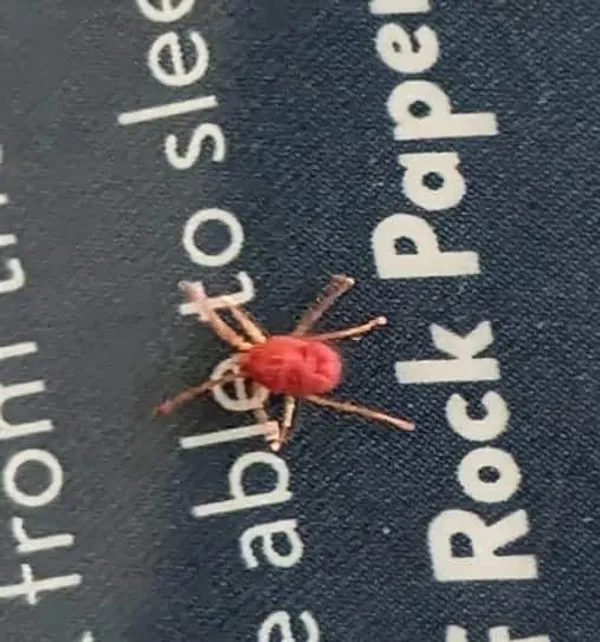
Mite Identification Guide
Physical Characteristics
Mites are very small, eight-legged pests. Most are so tiny they look like moving specks. Insects have six legs, but mites have eight since they are related to spiders and ticks. Clover mites are the type most often found in homes. They are reddish-brown and about the size of a pinhead. Their front legs are much longer than the others.
Common Species
-
Clover Mites: Tiny red-brown mites that invade homes in large numbers during spring and fall. They feed on grass and plants.
-
Bird Mites: These mites come from bird nests. They can bite humans when birds leave the nest.
-
Rodent Mites: Mites that live on mice and rats. They may bite humans if the rodent host is removed.
-
Dust Mites: Very small mites that live in bedding and feed on dead skin. They are a major cause of indoor allergies.
Mite Behavior and Biology
Most mites that enter homes are plant feeders. Clover mites, for example, eat grass and plants outdoors. They wander inside by accident. These mites do not breed indoors and will die within days without plants to eat. Other mites like spider mites and two-spotted spider mites feed on garden plants and houseplants. Storage mites can infest pantry items and pet food.
Mite invasions often happen when the weather changes. They seek shelter from heat or cold. Mites can squeeze through very small gaps around windows, doors, and foundations.
How We Treat for Mites
Our approach focuses on both removal and prevention.
-
Perimeter Treatment: We apply treatments around the foundation and lower walls where mites gather. This creates a barrier that stops mites before they get inside.
-
Entry Point Sealing: We find gaps around windows, doors, and other openings. We then recommend sealing them. This is most important on the south and west sides of homes where mites are most common.
-
Landscape Changes: We suggest creating a plant-free zone around the foundation. This makes your yard less inviting to mites.
-
Indoor Treatment: For mites already inside, we treat the affected areas. You should vacuum visible mites instead of crushing them to avoid red stains.
Health Note
Some mites can bite or cause allergic reactions. If you have health concerns about mites, please talk to a doctor. This page is for general information only and is not medical advice.
Related Reading
- What Are the Tiny Red Bugs? - Identify the small red crawlers on your windows and walls.
- What Attracts Clover Mites to DC Homes - Conditions that draw clover mites to your property.
- Clover Mites in House: Removal Guide - How to handle a clover mite invasion indoors.
- Concrete Mites: Identification & Treatment - Red mites on patios and sidewalks explained.
- Are Arachnids Insects? - Why mites and spiders belong to a different class than insects.
References
Types of Mites
Click on any species below to learn more about identification, behavior, and control methods.
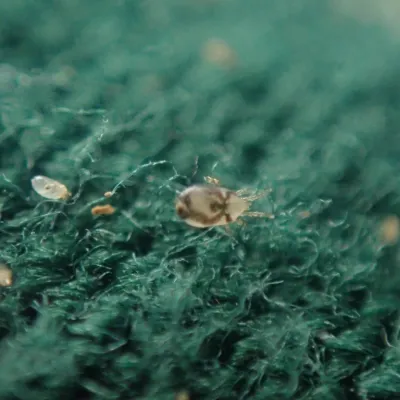
Bird Mites
Dermanyssus gallinae / Ornithonyssus spp.
Bird mites are tiny blood-feeding arachnids that primarily parasitize birds but can bite humans when their avian hosts leave the nest. These pests often invade homes near active bird nests and cause itchy, irritating bites.
View identification guide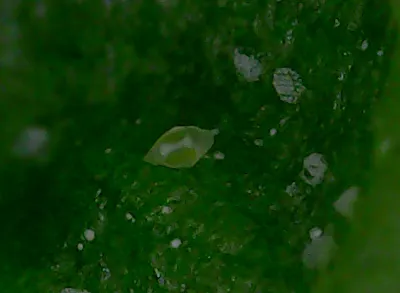
Broad Mites
Polyphagotarsonemus latus
Broad mites are microscopic plant pests that cause severe damage to vegetables, ornamentals, and greenhouse crops. Their toxic saliva creates distorted, stunted growth that resembles viral infections.
View identification guide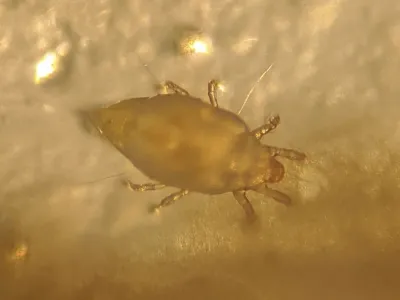
Bulb Mites
Rhizoglyphus echinopus
Bulb mites are tiny, whitish arachnids that infest plant bulbs, tubers, and corms. They attack the underground portions of ornamental and vegetable plants, causing rot and stunted growth. These pests are particularly problematic for gardeners and greenhouse operators.
View identification guide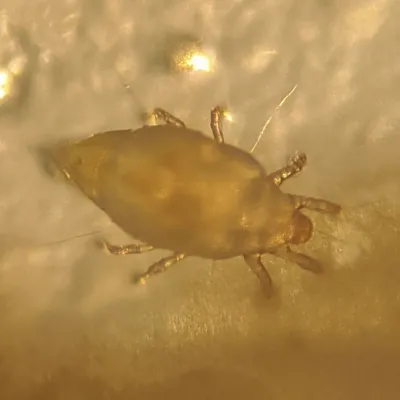
Cheese Mites
Tyrolichus casei
Cheese mites are microscopic arachnids that infest stored dairy products, aged cheeses, and other high-protein foods. While some cheese makers deliberately use them to develop unique flavors, they can become unwanted pests in homes and food storage facilities.
View identification guide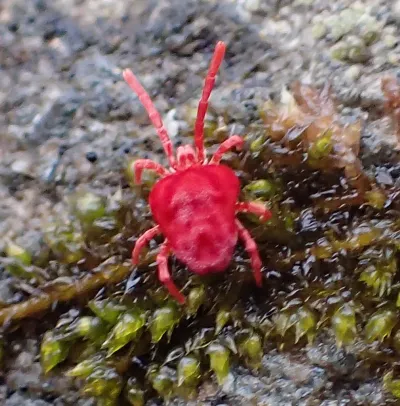
Chiggers
Trombiculidae (Family)
Chiggers are tiny red mites found in tall grass and brush. These pests attach to skin and cause very itchy bites that can last for days.
View identification guide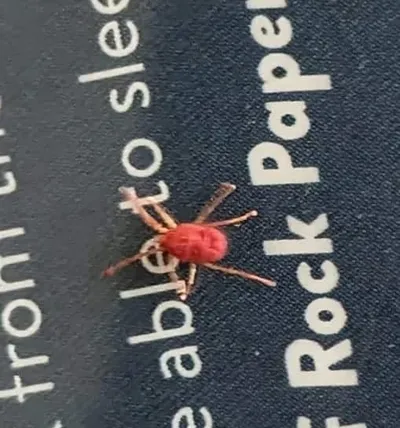
Clover Mites
Bryobia praetiosa
Clover mites are tiny reddish-brown arachnids that invade homes in large numbers during spring and fall, leaving red stains when crushed. They feed on plant sap and are harmless to humans and pets.
View identification guide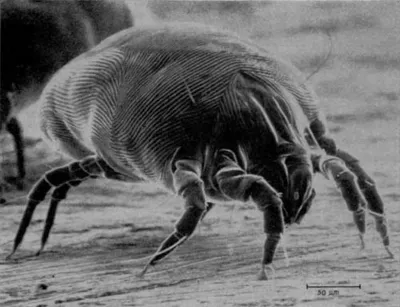
Dust Mites
Dermatophagoides spp.
Dust mites are microscopic arachnids that live in household dust, bedding, and upholstery. They feed on shed human skin cells and are a leading cause of indoor allergies and asthma triggers.
View identification guide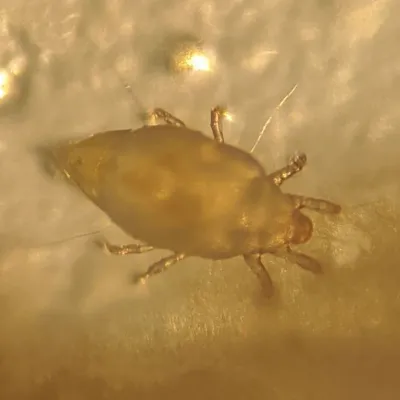
Ear Mites
Otodectes cynotis
Ear mites are tiny parasitic mites that infest the ear canals of cats, dogs, and other pets. They cause intense itching, head shaking, and a characteristic dark, crumbly ear discharge.
View identification guide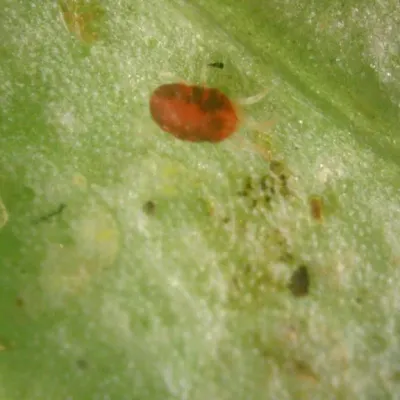
European Red Mites
Panonychus ulmi
European red mites are tiny reddish-brown spider mites that feed on the leaves of fruit trees and ornamental plants. These agricultural pests can cause significant damage to apple, pear, and plum trees by reducing photosynthesis and weakening plant health.
View identification guide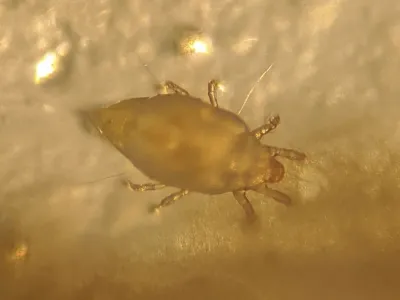
Flour Mites
Acarus siro
Flour mites are microscopic arachnids that infest stored grains, flour, and other dry goods. These tiny pests can contaminate food products and cause allergic reactions in sensitive individuals.
View identification guide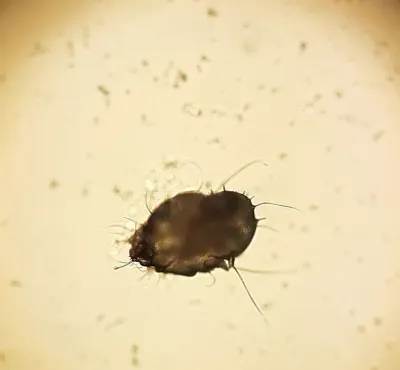
Fur Mites
Cheyletiella spp.
Fur mites, also known as walking dandruff, are tiny parasitic mites that live on the fur of cats, dogs, and rabbits. They cause scaling, itching, and can temporarily transfer to humans, causing itchy skin irritation.
View identification guide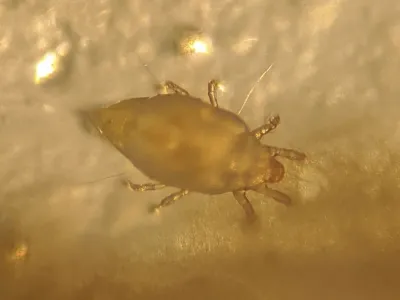
Grain Mites
Acarus siro
Grain mites are microscopic pests that infest stored food products like flour, cereals, and grains. They thrive in warm, humid conditions and can contaminate food supplies, produce allergenic dust, and cause skin irritation in sensitive individuals.
View identification guide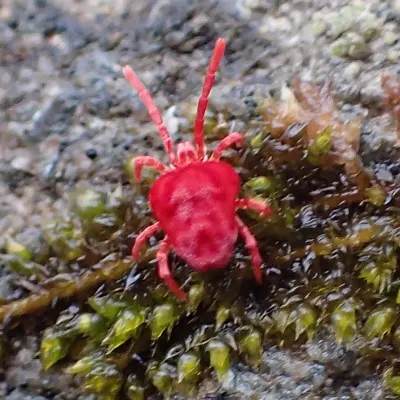
Harvest Mites (Chiggers)
Trombiculidae
Harvest mites, commonly known as chiggers, are tiny red mites whose larvae attach to skin and cause intense itching. They are most active in summer and early fall in grassy and wooded areas.
View identification guide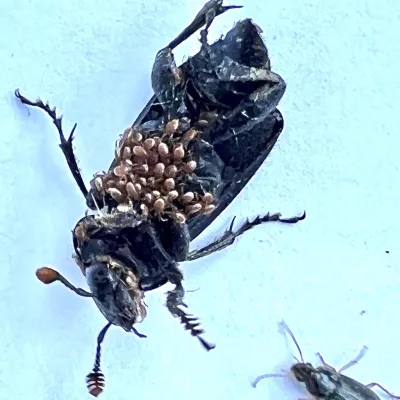
House Mouse Mites
Liponyssoides sanguineus
House mouse mites are blood-feeding parasites that live on house mice. When mice are removed or die, these tiny mites may bite humans, causing itchy skin irritation and potentially transmitting rickettsialpox.
View identification guide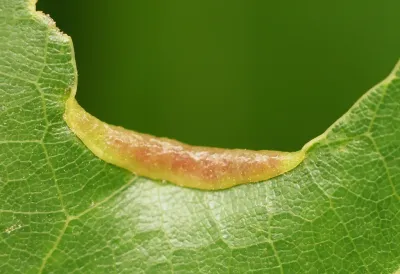
Itch Mites
Pyemotes spp.
Itch mites are nearly invisible parasitic mites that feed on insect larvae but can bite humans, causing intensely itchy welts. They are associated with oak trees, straw, hay, and stored grain.
View identification guide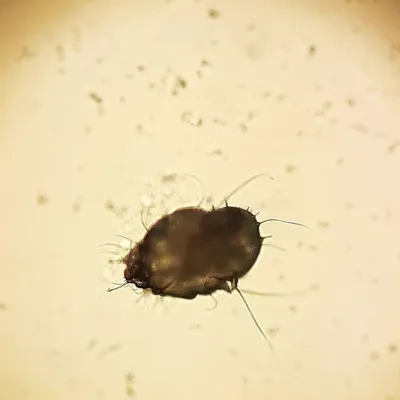
Notoedric Mange Mites
Notoedres cati
Notoedric mange mites are microscopic parasites that primarily affect cats, causing a highly contagious skin condition known as feline scabies or notoedric mange. These mites can occasionally transfer to humans and other animals.
View identification guide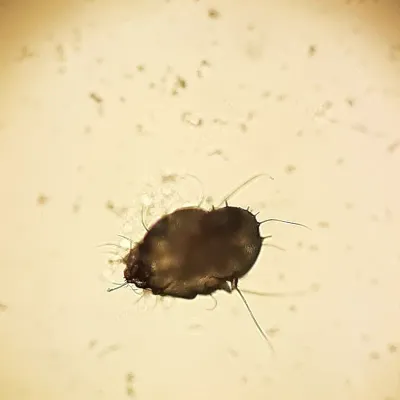
Oak Mites
Pyemotes herfsi
Oak mites are microscopic parasitic mites that live in oak tree galls and can bite humans, causing intensely itchy red welts. They are nearly invisible to the naked eye and fall from trees in large numbers during late summer and fall.
View identification guide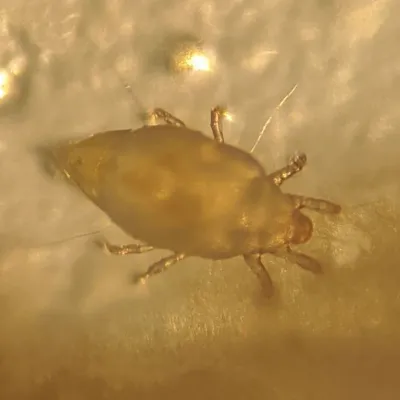
Pantry Mites
Acarus siro & Tyrophagus putrescentiae
Pantry mites are microscopic arachnids that infest stored food products like flour, grains, cereals, and pet food. These tiny pests thrive in warm, humid pantries and can contaminate food supplies while causing allergic reactions in sensitive individuals.
View identification guide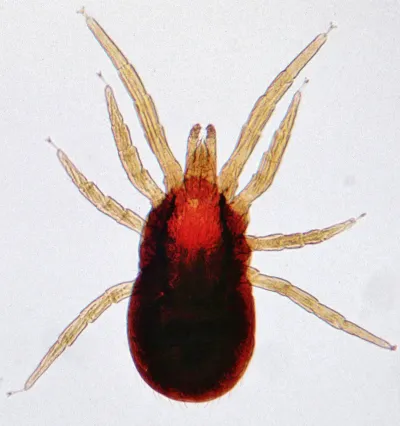
Poultry Red Mites
Dermanyssus gallinae
Poultry red mites are blood-feeding parasites that primarily affect chickens and other poultry. These nocturnal pests hide during the day and emerge at night to feed, causing stress, reduced egg production, and potential health issues in birds.
View identification guide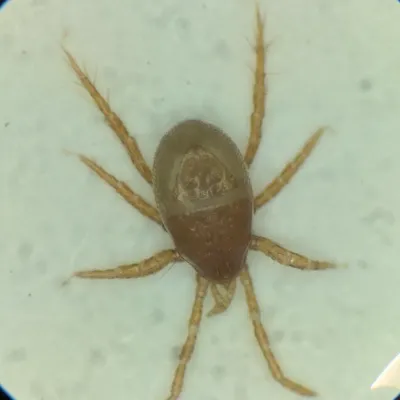
Predatory Mites
Phytoseiidae
Predatory mites are tiny arachnids that feed on pest mites, thrips, and other small arthropods. They help control spider mite problems in gardens and greenhouses without the need for pesticides.
View identification guide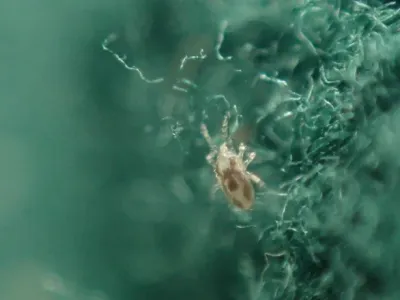
Rodent Mites
Ornithonyssus bacoti, Liponyssoides sanguineus, Laelaps echidninus
Rodent mites are blood-feeding parasites that live on mice and rats. When rodent hosts are removed, these tiny mites may bite humans, causing itchy skin irritation known as rodent mite dermatitis.
View identification guide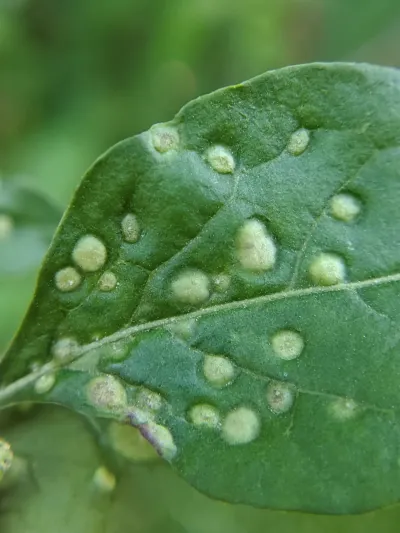
Rust Mites
Eriophyidae family
Rust mites are tiny mites that cause bronzing, russeting, and bumps on plant leaves. You cannot see them without a magnifying lens, but their damage is easy to spot and rarely harms plants long-term.
View identification guide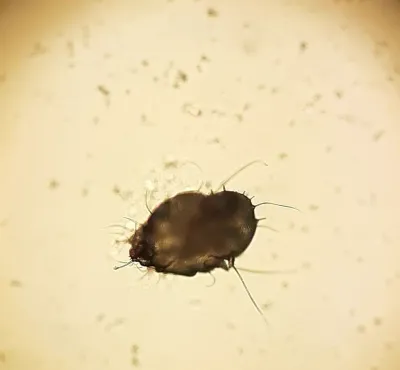
Sarcoptic Mange Mites
Sarcoptes scabiei
Sarcoptic mange mites are microscopic parasitic mites that burrow into the skin of mammals, causing intense itching and skin irritation. In humans, this condition is called scabies, while in animals it is known as sarcoptic mange.
View identification guide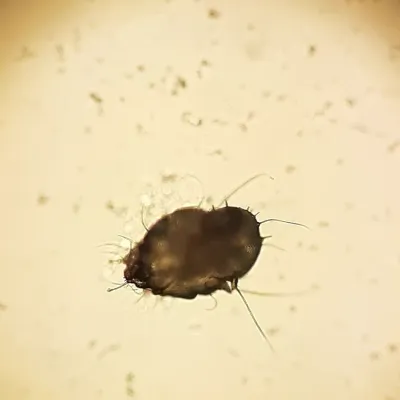
Scabies Mites
Sarcoptes scabiei
Scabies mites are microscopic parasitic mites that burrow into human skin, causing intense itching and a pimple-like rash. These human itch mites require medical treatment and cannot survive more than a few days away from a human host.
View identification guide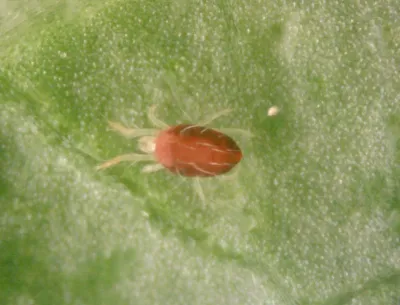
Southern Red Mites
Oligonychus ilicis
Southern red mites are tiny dark red arachnids that damage broadleaf evergreens like azaleas, camellias, and hollies. Unlike most spider mites, they are most active in cool weather during spring and fall.
View identification guide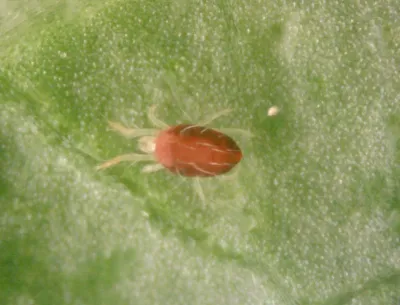
Spider Mites
Tetranychidae
Spider mites are tiny plant-feeding arachnids that damage gardens and houseplants by sucking cell contents from leaves. They produce characteristic silk webbing and can rapidly multiply in hot, dry conditions.
View identification guide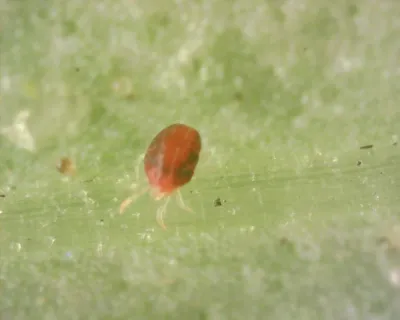
Spruce Spider Mites
Oligonychus ununguis
Spruce spider mites are cool-season arachnid pests that attack conifers including spruce, juniper, arborvitae, and hemlock. Considered one of the most destructive spider mites in North America, they cause needles to turn yellow, bronze, and eventually brown.
View identification guide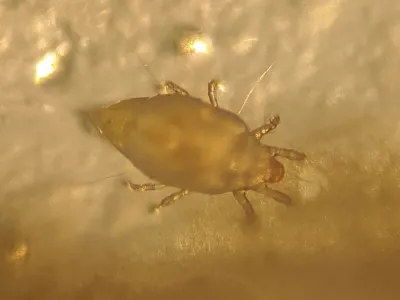
Storage Mites
Tyrophagus putrescentiae
Storage mites are microscopic arachnids that infest stored foods, pet food, and household items. These tiny pests thrive in warm, humid conditions and are significant allergens that can trigger asthma, skin irritation, and respiratory issues in sensitive individuals.
View identification guide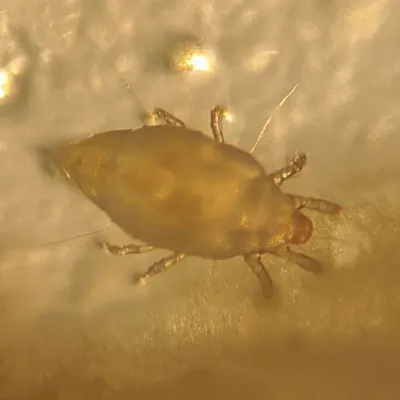
Straw Itch Mites
Pyemotes tritici
Straw itch mites are microscopic parasites that feed on insect larvae in stored grain, hay, and straw. They bite humans who handle infested materials, causing intensely itchy skin lesions.
View identification guide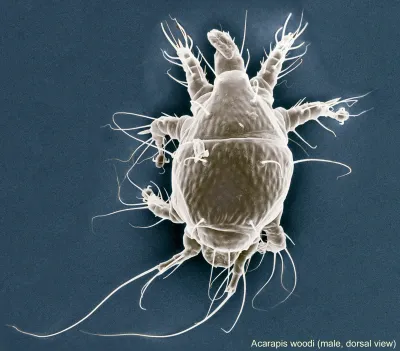
Tracheal Mites
Acarapis woodi
Tracheal mites are microscopic parasites that infest the respiratory systems of honey bees. These internal mites feed on bee blood and can cause significant colony losses, particularly during winter months.
View identification guide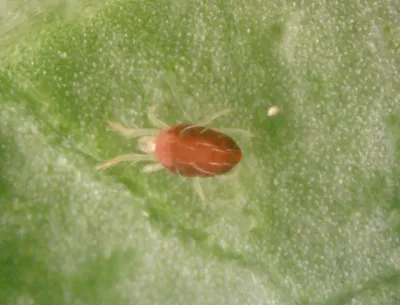
Two-Spotted Spider Mites
Tetranychus urticae
Two-spotted spider mites are tiny plant-feeding arachnids known for the distinctive dark spots on their backs. These microscopic pests attack over 200 plant species and can rapidly devastate gardens and ornamental plants in hot, dry conditions.
View identification guide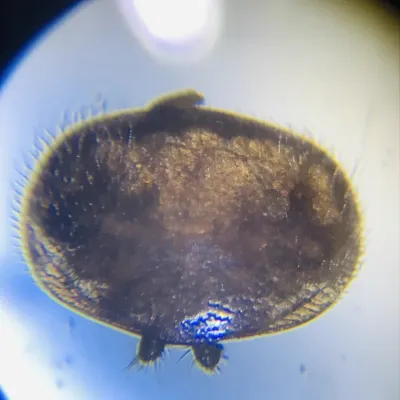
Varroa Mites
Varroa destructor
Varroa mites are parasitic arachnids that attack honeybees, feeding on their fat bodies and transmitting deadly viruses. They are considered the most damaging pest affecting managed honeybee colonies worldwide.
View identification guide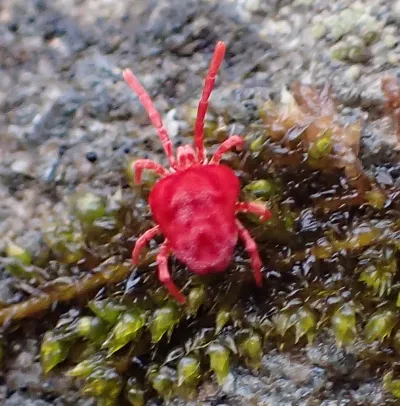
Velvet Mites
Trombidiidae
Velvet mites are large, bright red arachnids known for their fuzzy appearance. These outdoor mites feed on insect eggs and small arthropods and pose no threat to humans or property.
View identification guideCommon Questions about Mites
Do mites bite humans?
+
Most house mites like clover mites do not bite. They eat plants and are just a bother when they get inside. But some mites, like bird mites or rodent mites, can bite if their normal hosts are gone.
Why do clover mites come inside?
+
Clover mites enter homes to find warmth when the weather changes in spring and fall. They like sunny walls and can get in through small cracks around windows and doors.
Do clover mites cause damage?
+
Clover mites do not harm walls or fabrics. But if you crush them, they leave a red stain that is hard to remove. Use a vacuum to pick them up instead.
How do I prevent mite infestations?
+
Keep plants 18 to 24 inches away from your home's walls. Use gravel or mulch in this zone. Seal cracks around windows and doors. Keep grass short near the house.
Are dust mites the same as clover mites?
+
No, they are different. Dust mites live in bedding all year and eat dead skin. Clover mites live outside and only come indoors during spring and fall.
Explore Other Pest Categories
Browse our comprehensive pest library for identification guides and control information.



With five years of hands-on experience in the pest control industry, George Schulz is a registered technician with the Virginia Pest Management Association and a proud third-generation professional in a family business that's been protecting homes for over 57 years.
Find Local Mite Control Services
We provide professional mites control throughout Virginia, Maryland, and the DC Metro area.