
European Earwig Identification Guide
Forficula auricularia
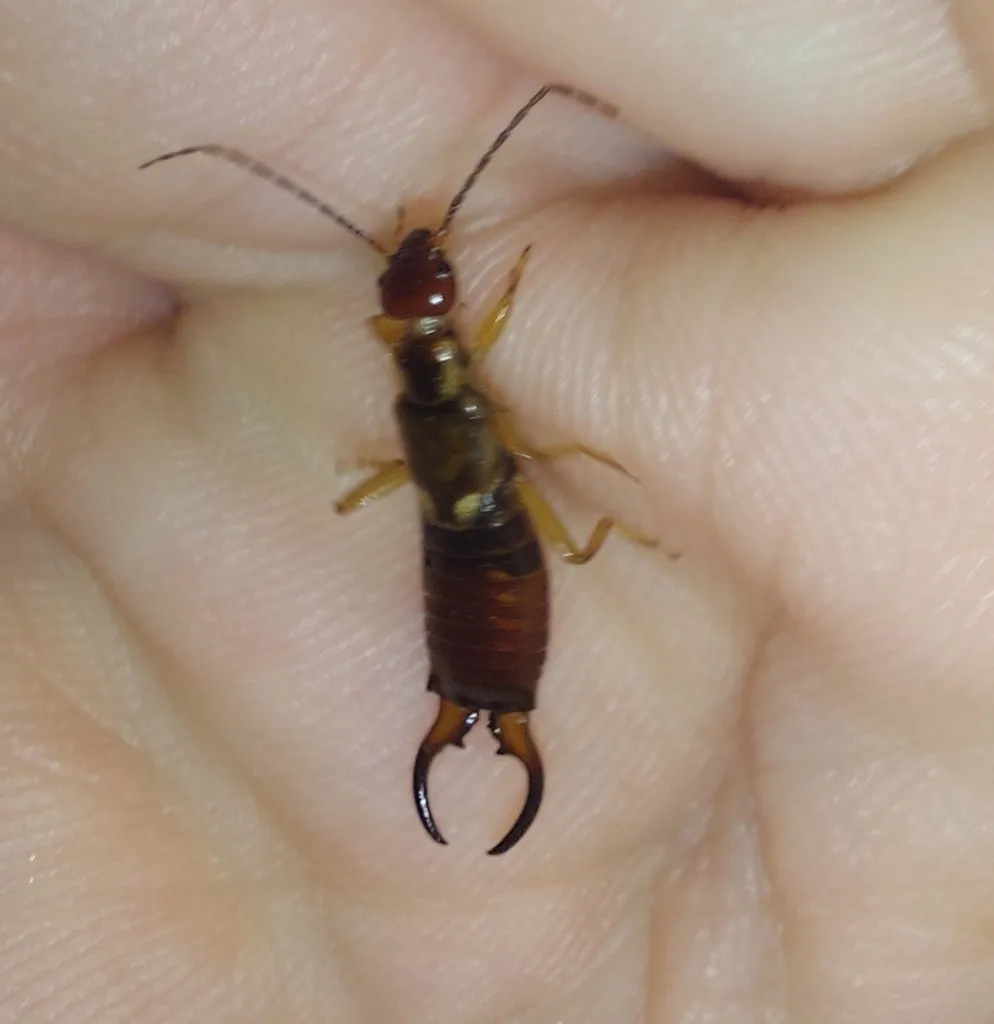
The European earwig is the reddish-brown pincher bug found in most North American yards and basements. Look for tan wing covers, pale legs, and curved forceps on males.
Taxonomy
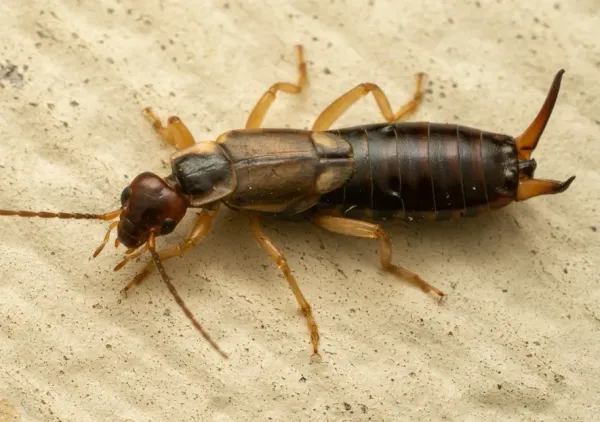
European Earwig Coloration
Common color patterns to help identify european earwig
European Earwig
Seasonal Activity
When european earwig are most active throughout the year
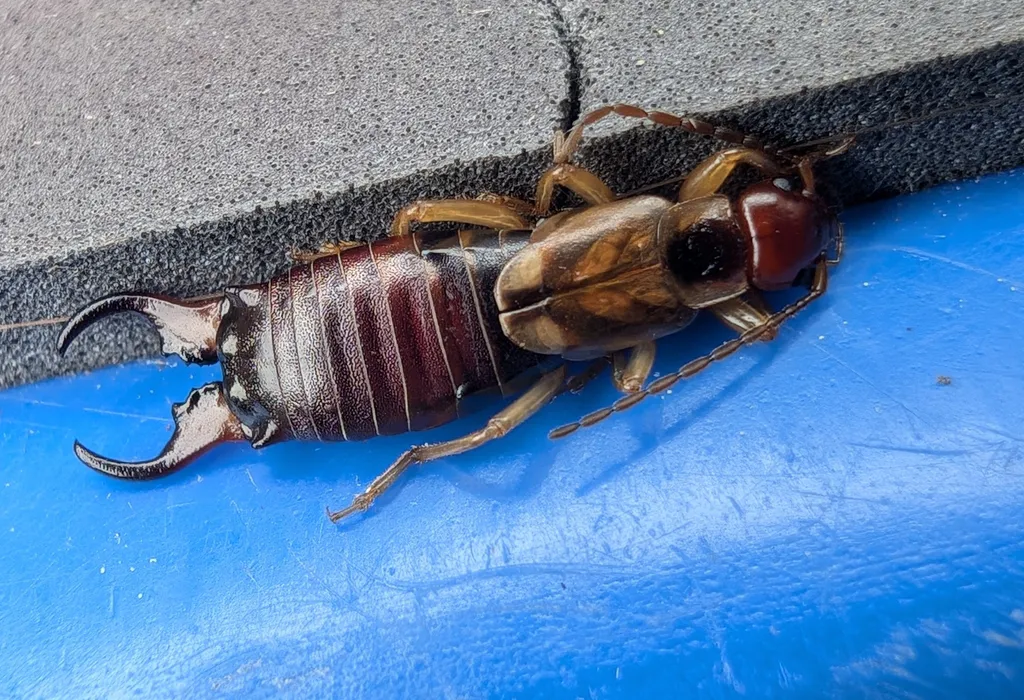
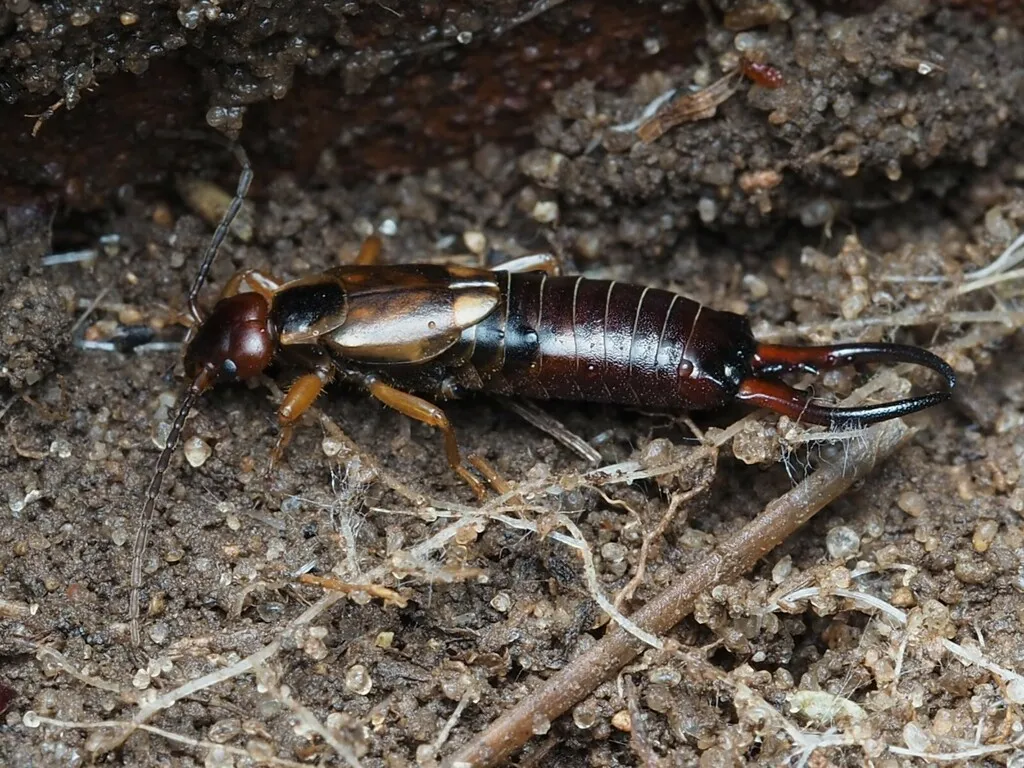
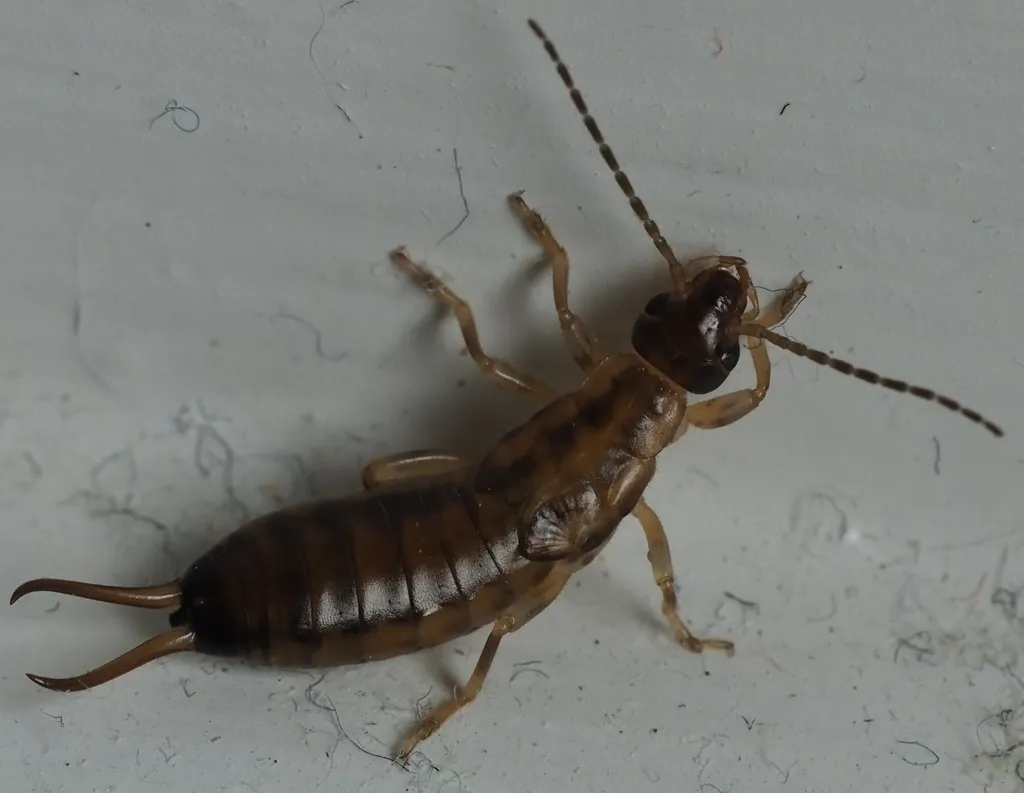

Where European Earwig Are Found
Hover over states to see their names. Green regions indicate where european earwig have been reported.
European Earwig Identification Guide
The European earwig is the earwig most people in North America find. Did you see a pincher bug in your basement, garage, or under a flowerpot? It is most likely this species. Our main earwigs guide covers the whole group. This page shows how to spot this one species.
Physical Characteristics
- Size: Adults are about 1/2 inch long without the pincers and close to 3/4 inch with them. Some are smaller.
- Color: The body is dark reddish-brown, and the head is a bit redder. The short wing covers are tan. The shield behind the head has tan edges.
- Legs: Six pale, yellowish-brown legs with no dark bands.
- Antennae: Long and thread-like, with about 14 segments.
- Wings: Short, leathery wing covers hide large back wings folded up tight. You rarely see the back wings because this earwig rarely flies.
- Pincers (cerci): Males have wide, strongly curved pincers. Females have straighter pincers that run side by side. Male pincers vary a lot. Some males have short ones around 3/16 inch long, and others have long ones closer to 3/8 inch.
Young earwigs (nymphs) look like small, pale adults with no wings. Newly molted earwigs can look almost white for a few hours before they darken.
How It Differs From Look-Alikes
- Ring-legged earwig (Euborellia annulipes): Darker, nearly black, and wingless, with dark rings on pale legs. It is more common in the South and is the main earwig in Florida.
- Striped earwig (Labidura riparia): Larger and paler, with dark stripes on the back. It lives mostly in sandy soils in southern states.
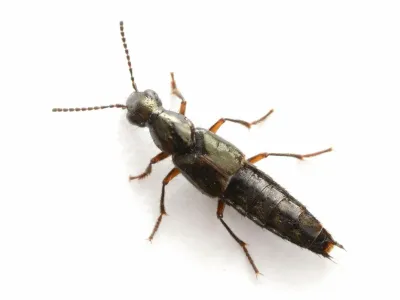
- Rove beetles: Same short wing covers and long, bare abdomen, but no pincers at the tail end.
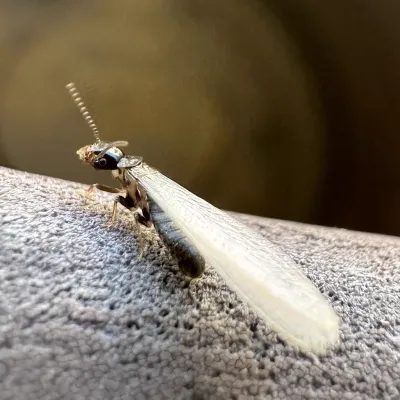
- Eastern subterranean termites: Our technician Daren says homeowners often call earwigs in thinking they are termites. Termite swarmers have four long wings of equal size and no pincers. Worker termites are soft and creamy white.
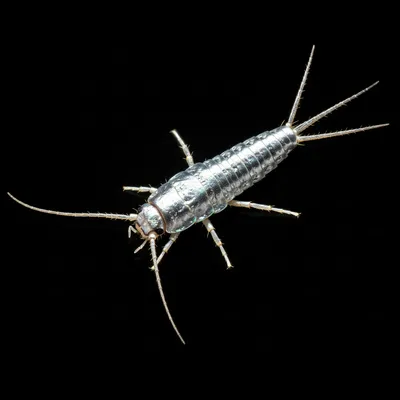
- Silverfish: Silverfish have three thin bristles at the tail, not pincers, and silver scales instead of a shiny brown shell. See our earwig vs. silverfish comparison.
European Earwig Behavior and Biology
Origin and Range
The European earwig comes from Europe, western Asia, and northern Africa. It was first found in North America in Seattle in 1907. It reached New York by 1912. By the 1940s it had spread across most northern states and Canadian provinces. Today it is common from the Pacific Northwest to New England. In the East, it reaches south to North Carolina and Tennessee. It likes mild, damp weather. It is rare in the Deep South and in dry desert areas without watered lawns.
Researchers have found two forms of this species in the U.S. The eastern and western groups came from different parts of Europe. They also raise a different number of broods each year.
Habitat
European earwigs hide by day and come out at night. They need moisture and shelter. Common hiding spots include:
- Mulch beds, leaf litter, and compost piles
- Under stones, boards, pavers, and flowerpots
- Inside tight spaces in plants, like flower heads and corn ears
- Damp crawl spaces, basements, and window wells
They are drawn to lights at night. That is why they often show up near doors, porch lights, and sliding glass doors.
Diet
This species eats almost anything. It feeds on dead plants, fungi, moss, and algae. It also hunts small insects such as aphids, mites, and insect eggs. In gardens, it chews holes in leaves, seedlings, petals, ripe fruit, and corn silks. So it is both a garden pest and a helpful hunter.
Life Cycle
The European earwig has an unusual life cycle because the mother cares for her young.
- Fall: Adults pair up and dig a small chamber in the top 2 inches of soil.
- Winter: The female lays about 30 to 60 pearly white eggs. She stays with them, moves them around, and cleans them to keep mold off.
- Spring: The eggs hatch. The female guards the young nymphs until after their first molt.
- Summer: Nymphs pass through four stages and become adults by midsummer.
Some females lay a smaller second batch in spring, about half the size of the first. In the West, two or more broods a year are common. Most adults die by late fall, except the pairs that dig in for winter.
Defensive Behavior
When threatened, a European earwig raises its tail end and swings its pincers forward over its back. It can also give off a bad-smelling liquid. The pincers are used mostly against other insects and in mating. They are too weak to hurt people.
How We Treat for European Earwigs
Our regular home pest plans cover European earwigs. Problems inside almost always start outside. So we focus on the yard and the damp spots that draw them in.
- Inspection: We look for the damp spots earwigs need. Common ones are thick mulch against the house, leaky spigots, clogged gutters, wet crawl spaces, and window wells. We also check for gaps under doors, around pipes, and along the foundation.
- Treatment: We apply an EPA-registered insecticide around the outside of the foundation. We use a granular product in mulch beds and damp soil when activity is heavy. Inside, we treat cracks, baseboards, and other spots where earwigs are getting in or hiding.
- Prevention and customer guidance: We show you how to cut down moisture and hiding spots. Pull mulch back a few inches from the house. Fix drainage and clear leaves from gutters. Switch outdoor bulbs to yellow lights. Our TriGuard plan includes three visits a year. If earwigs come back between visits, callbacks are unlimited and free.
For do-it-yourself steps, see our guides on how to kill earwigs and earwig traps. If you find just a few earwigs indoors, sweeping or vacuuming them up and sealing the gap they came through is often enough.
References
Commonly Confused With
European Earwig are often mistaken for these similar pests
Where European Earwig Are Found
Hover over states to see their names. Green regions indicate where european earwig have been reported.
Common Questions about European Earwig
How do I know if I have a European earwig?
+
Look for a flat, reddish-brown bug about 1/2 to 3/4 inch long with pincers on its tail. It has a reddish head, short tan wing covers, and pale legs. If it has wing covers and no dark bands on its legs, it is almost always a European earwig.
How can I tell a male European earwig from a female?
+
Check the pincers. Males have wide, strongly curved pincers that look like calipers. Females have straighter pincers that sit close together and almost touch along their length. Some males have short pincers and others have long ones, but both kinds are curved.
Can a European earwig hurt me?
+
Not in any real way. A European earwig may pinch if you grab it, but the pinch is weak and rarely breaks the skin. They do not sting, carry disease, or feed on people, and they do not crawl into ears.
Can European earwigs fly?
+
They can, but they almost never do. European earwigs have full hind wings folded under their short wing covers. When they do fly, they usually climb up something first and take off from there. Most people only ever see them crawl.
Why do European earwigs come inside in summer?
+
Hot, dry weather or heavy rain drives them out of mulch and soil. They look for cool, damp spots, like the space under your home. Lights at night draw them to doors and windows. Our guide to earwigs in the house covers the common entry points.
Is the European earwig native to North America?
+
No. It comes from Europe, western Asia, and northern Africa. It was first found in North America in Seattle in 1907 and reached New York by 1912. It is now common across the northern U.S., southern Canada, and the Mid-Atlantic.
Do European earwigs damage gardens?
+
They can. They chew seedlings, flower petals, soft fruit, and corn silks, mostly at night. They also eat aphids and insect eggs. Damage gets worse as their numbers grow, and large numbers near the house often lead to earwigs indoors.

With five years of hands-on experience in the pest control industry, George Schulz is a registered technician with the Virginia Pest Management Association and a proud third-generation professional in a family business that's been protecting homes for over 58 years. He manages and trains a team of service pros while also leading internal research efforts—recently spearheading a deep-dive review of thousands of documents on pest control materials to hand-pick the most kid and pet friendly, most effective solutions tailored specifically for homes in the DC metro area.
Local Earwigs Help
Dealing with earwigs at home? Our licensed technicians provide pest control across Northern Virginia and Maryland.
