
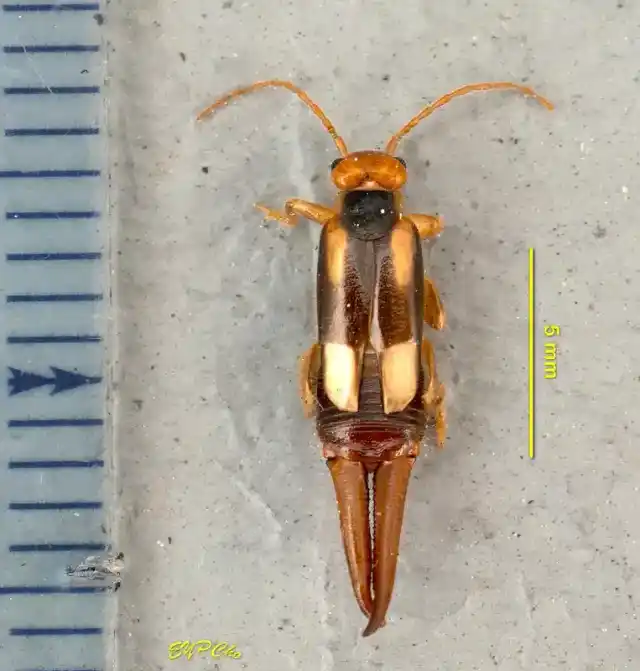

TLDR: Earwigs and silverfish are both moisture-loving pests, but they look and act very differently. Earwigs are dark brown with pincers on their tail end and mostly live outdoors. Silverfish are silver-colored with a fish-like shape, three thread-like tails, and prefer to live indoors. Silverfish cause more home damage by eating paper, books, and fabrics. Both pests signal a moisture problem that needs fixing.
When you spot a small, crawling insect in your home, it can be hard to tell whether you have an earwig or a silverfish. Both pests love moisture and often show up in similar areas, but they’re very different creatures that need different treatment.
After four years as a registered technician and growing up in this family business that’s served the DMV area for over 50 years, I’ve seen many cases of both. Knowing the differences helps you pick the right control approach.
Here’s how to tell these two common pests apart at a glance.
Physical Differences: Earwig vs Silverfish
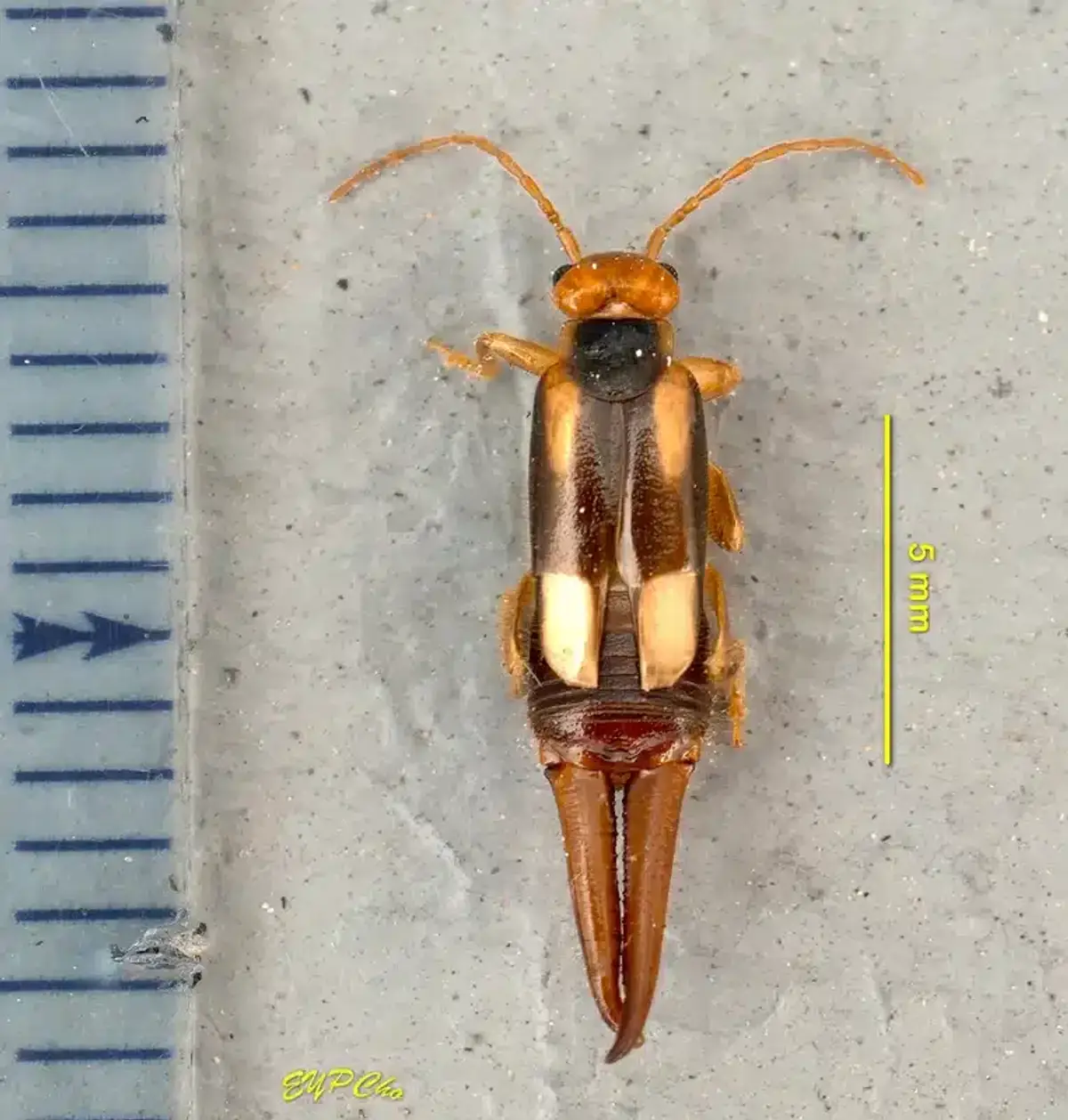
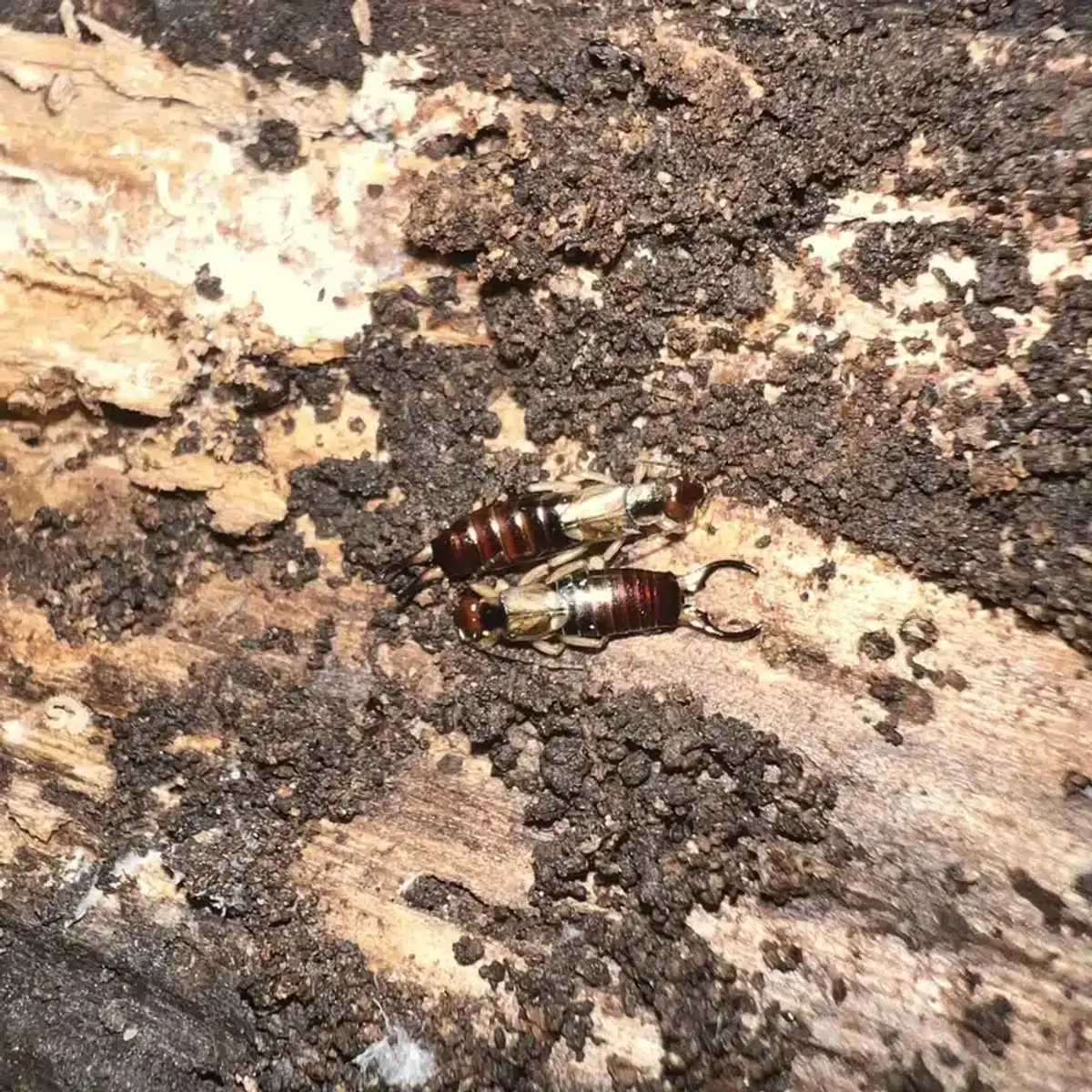
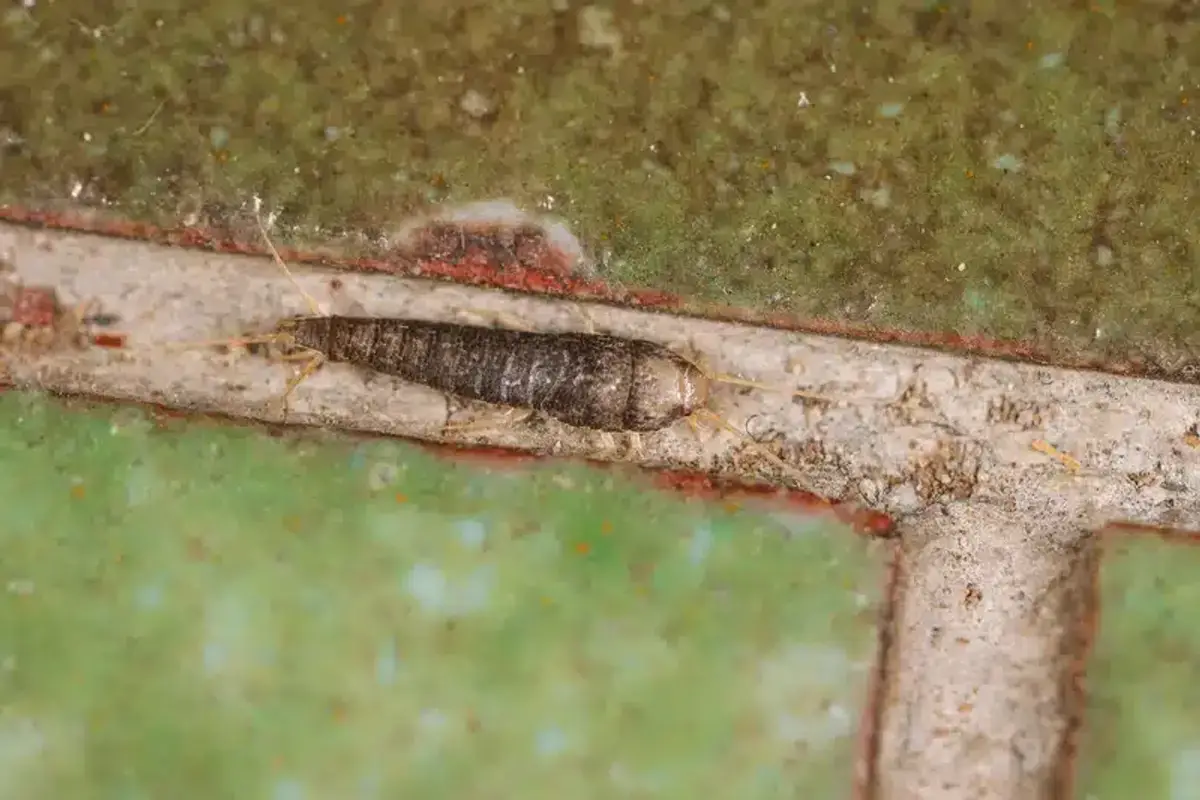
The easiest way to tell earwigs and silverfish apart is by their looks. Earwigs have pincers at the end of their bodies. Silverfish have three tail-like threads.
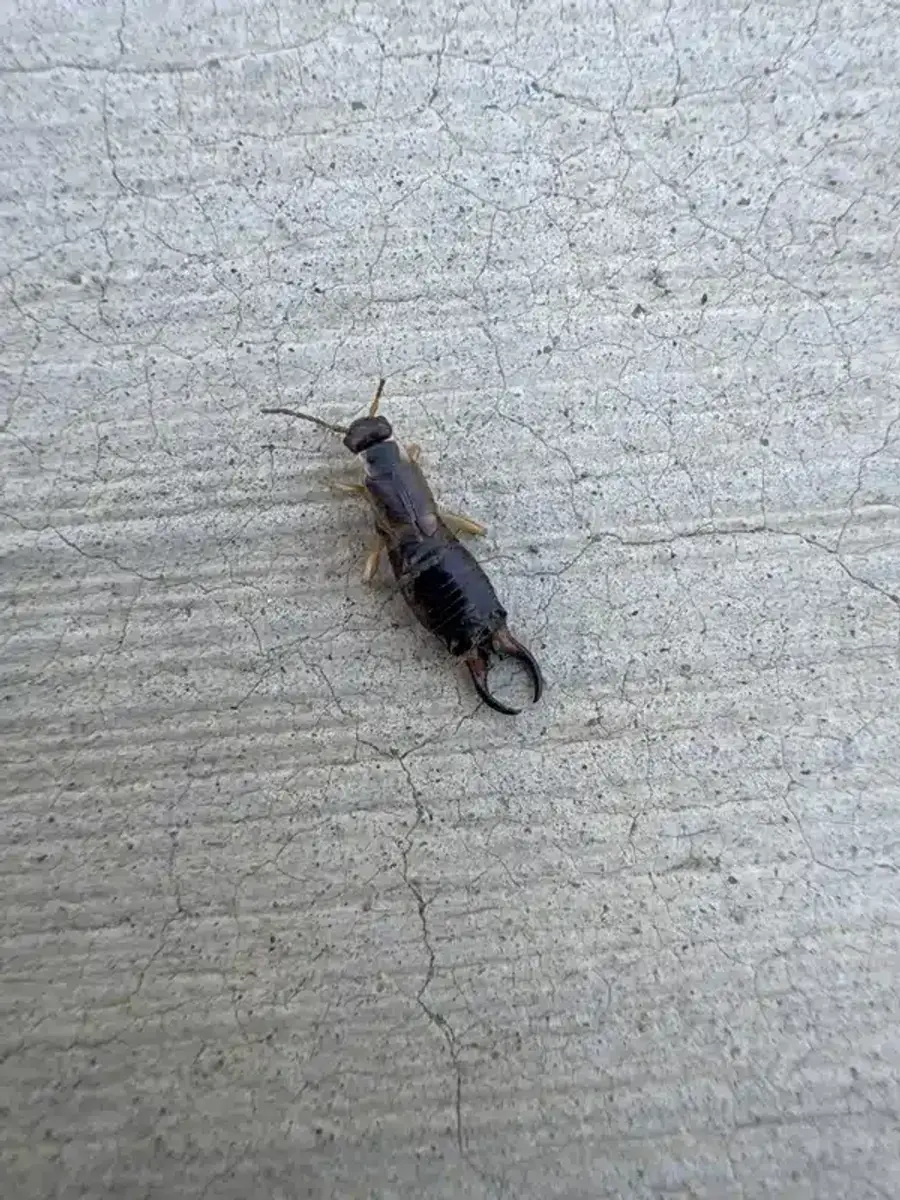
Earwigs are 15-25 mm long with dark brown, flat bodies. Males use their pincer-like cerci for defense and mating.
Virginia Tech Extension research notes that some Virginia earwig specimens can reach up to 32 mm, much larger than the typical range. This size range matters for proper ID, since bigger specimens might be mistaken for other insects.
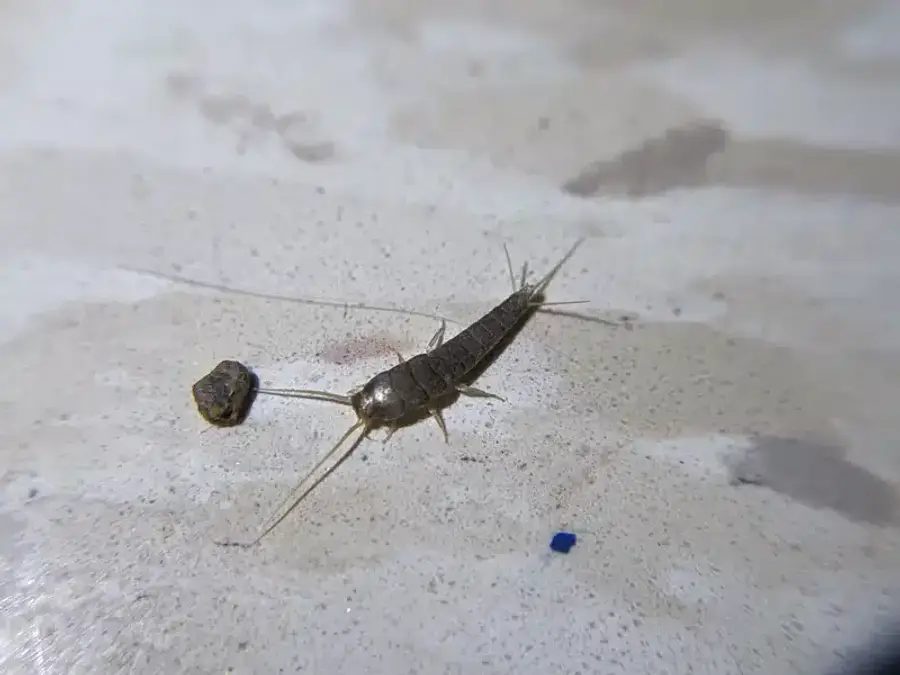
Silverfish are smaller at 10-13 mm, though they can reach 18 mm. Their silvery-gray color and fish-like body shape that narrows toward the tail make them easy to recognize.
Side-by-Side Comparison
| Earwig | Silverfish | |
|---|---|---|
| Size | 15-25 mm (up to 32 mm) | 10-13 mm (up to 18 mm) |
| Color | Dark brown | Silvery-gray |
| Body Shape | Flat, long | Fish-like, tapered |
| Tail | Pincers | Three thread-like tails |
| Movement | Quick crawling bursts | Wiggling, fish-like |
These photos show the differences clearly.
How They Move and Behave
These pests move very differently. Earwigs crawl fast in short bursts and can sometimes unfold their wings when startled, though they barely fly.
Silverfish move with a wiggling motion that looks like a fish swimming. They’re great at running through tight cracks and can climb vertical surfaces using their claws.
Both insects come out mostly at night. During the day, they hide in damp spots like mulch piles, book spines, or pipe chases. But their hiding spots differ based on where they prefer to live.
Where Each Pest Lives
Earwigs prefer the outdoors. They gather in mulch, leaf litter, under stepping stones, and around downspouts.
Silverfish prefer indoor spaces with high humidity. They thrive in humidity levels of 75-95% and are often found in basements, bathrooms, libraries, and storage areas.
During droughts or heavy rains, earwigs may come indoors for a while. Silverfish are year-round indoor residents that need steady moisture to survive.
What They Eat
Earwigs and silverfish eat very different things. Earwigs are omnivores that eat both plant and animal matter, including aphids, seedlings, rotting material, and soft fruits. They also prey on mites and other soft-bodied pests in gardens.
Silverfish eat materials with starch, protein, glue, paper, and fabrics. They have amazing survival skills in the right conditions.
UC Davis pest researchers found that silverfish can survive 9-12 months without food if humidity stays above 75%. This explains why infestations can last even when food seems scarce, and why moisture control matters more than removing food sources for silverfish.
Breeding and Life Cycles
These insects breed in very different ways. Earwigs are seasonal breeders, usually mating between September and January in our area. Females lay 30-55 eggs per batch in soil chambers.
What makes earwigs unusual is their maternal care. The female guards her eggs against fungus and predators, cleans them regularly, and tends to the young until they molt and leave.
Silverfish do a courtship dance lasting over 30 minutes. Females lay up to 60 eggs in batches, tucking them into cracks without any parental care. They keep molting their entire lives, with some recorded at over 17 molts.
Damage to Your Home
Earwigs cause little damage indoors. They’re mainly a nuisance when they cluster inside.
Outdoors, earwigs may chew holes in seedling leaves, corn silk, or flowers. But they also eat aphids and other garden pests, so the damage is often minor.
Silverfish are a bigger concern for homeowners. They scrape paper, books, wallpaper paste, and linens, creating holes and bald patches. They also get into dry foods and leave behind pepper-like droppings and shiny scales.
The Earwig Ear Myth
One common myth says earwigs burrow into human ears and brains. This story goes back to medieval Europe, but there’s no truth to it.
Virginia Tech Extension confirms there are no real cases of earwigs entering ears to lay eggs or cause harm. The name “earwig” comes from old folklore, not from any actual behavior. Earwigs prefer moist, dark spaces like mulch and leaf litter.
The pincers look scary, but they’re mostly used for mating, defense, and helping fold their wings.
How to Get Rid of Earwigs and Silverfish
Each pest needs a different approach based on its habits.
Earwig Control
Start by removing their outdoor habitat. Rake and thin mulch to less than 2 inches deep. Move wood piles away from the foundation. Trim dense ground covers.
Simple earwig traps work well: tuna cans filled with oil placed level with the soil, or rolled damp newspaper collected each morning and dunked in soapy water. These use their nighttime habits against them.
Silverfish Control
Silverfish control starts with cutting moisture. Fix plumbing leaks, insulate cold-water pipes, and run dehumidifiers to keep humidity below 50%. If they keep turning up after the humidity comes down, that is when we usually get called out for silverfish pest control.
For hands-on control, vacuum bookcases regularly, rotate stored papers, and seal cereals in airtight containers. Use sticky traps or glass jars with masking tape ramps to monitor for silverfish.
- Outdoor: Remove mulch within 6 inches of the foundation, clean gutters, and get rid of standing water
- Indoor: Keep humidity below 50%, fix water leaks right away, and vacuum humid areas regularly
- Monitor: Check basements, bathrooms, and storage areas monthly for signs of activity or moisture
- Professional Help: Call for treatment if you see large numbers or ongoing activity despite your efforts
These steps address the conditions that draw both pests in.
Moisture: The Common Thread
Both earwigs and silverfish are moisture indicators. Seeing them often signals damp conditions that need fixing.
For earwigs, indoor sightings usually point to heavy mulch against the foundation, clogged gutters, or wood holding too much moisture. Silverfish point to humidity levels of 75% or higher in areas like unvented crawl spaces or poorly balanced HVAC systems.
Fixing these moisture problems often solves pest issues better than relying on products alone. Treating the root cause gives lasting results.
Professional Treatment
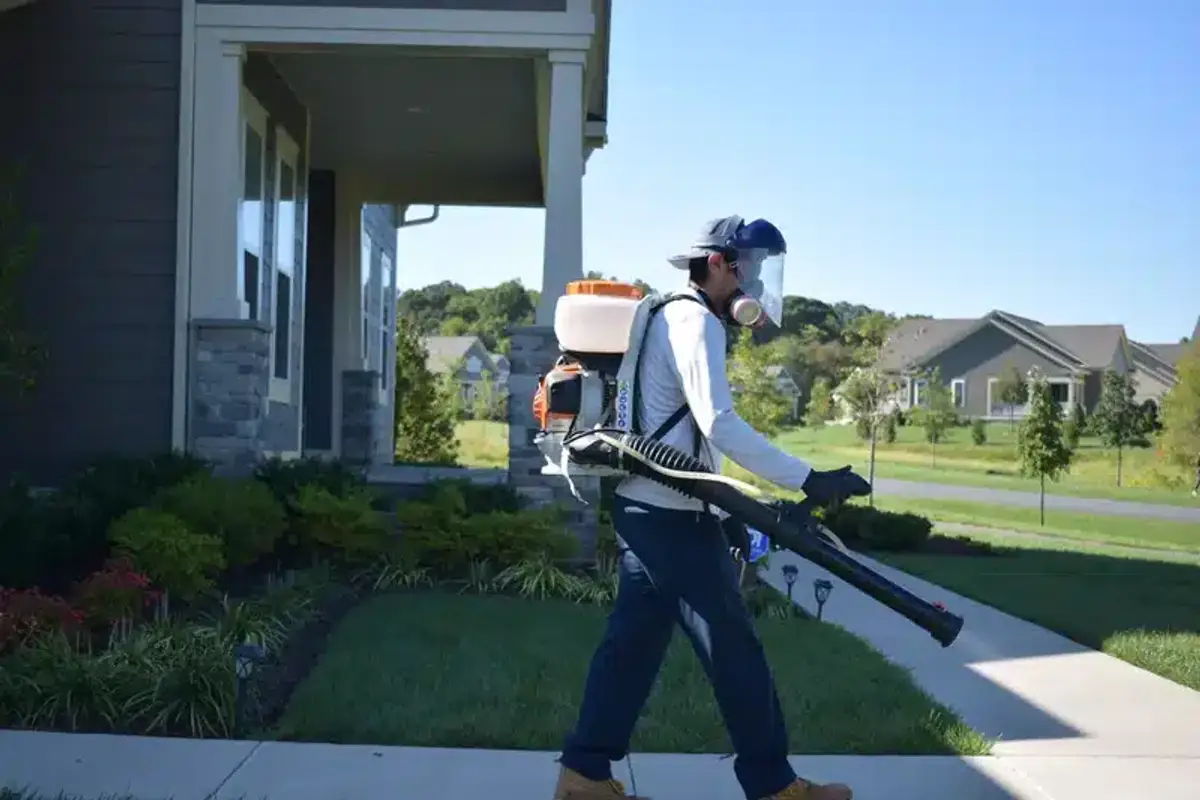
While homeowner efforts can handle many cases, lasting problems may need professional help. Our family business has treated thousands of homes for these moisture-loving pests over five decades, with pest control in The Plains and across the Virginia-Maryland area.
Professional treatment usually includes a moisture check, targeted use of reduced-risk products, and ongoing monitoring. We’ve removed 9 harsh chemicals from our programs, choosing options that work well while being better for families and pets.
For earwigs, professional treatment often includes perimeter applications and habitat change advice. Silverfish treatments focus heavily on moisture control plus targeted products like diatomaceous earth or silica gel in wall voids.
Knowing the differences between earwigs and silverfish helps you make smart choices about pest control. Whether you go DIY or professional, fixing the moisture conditions that attract these pests is the best long-term strategy.
If you’re dealing with earwig or silverfish problems in the DMV area, our team can help. Call us at 703-683-2000 or email info@bettertermite.com for a consultation.